REVIEW · MEXICO CITY
From Mexico City: Hike Iztaccihuatl Volcano with an Alpinist
Book on GetYourGuide →Operated by Amigo Tours LATAM · Bookable on GetYourGuide
A volcano hike in Mexico City’s backyard. You get a guided climb in the Popocatépetl–Iztaccíhuatl National Park area with a real alpinist guide, plus unforgettable views from Paso de Cortés before you even hit the trail. I especially like the way the day mixes sightseeing with a workout, and how guides such as Fabrizio (and other alpinists you might be paired with) explain the terrain as you go. The one thing to consider is altitude and pacing: this is not a stroll, and the plan depends on the group’s fitness.
You’re looking at up to around 14,000 feet / 4,270 m on the higher side of the route, and your body will notice. If you’re not used to high elevation, plan for a slower rhythm and bring what you need to feel steady. Also, food and drinks aren’t included, so you’ll want snacks and water ready rather than hoping the day will magically supply everything.
In This Review
- Key things I’d clock before you go
- The big draw: volcano views plus an alpinist guide
- Morning logistics from Mexico City: early start, long scenic ride
- Paso de Cortés: your first look at the whole scene
- La Joya to the guided walking area: where the climb starts
- How hard is it, really? Altitude is the main boss
- Moving over volcanic terrain: traction beats attitude
- The guide’s role: why it feels safer than it sounds
- The in-between stops on the way back: photos, a break, and the final viewpoints
- Price and value: what you’re really paying for
- What to pack so the altitude feels manageable
- Who this tour fits best (and who should skip it)
- Should you book this Iztaccíhuatl alpinist hike?
- FAQ
- Where do I meet the guide?
- How long is the tour?
- How much hiking time should I expect?
- What’s included in the price?
- What should I bring?
- Is food and drinks included?
- Who can’t participate?
Key things I’d clock before you go
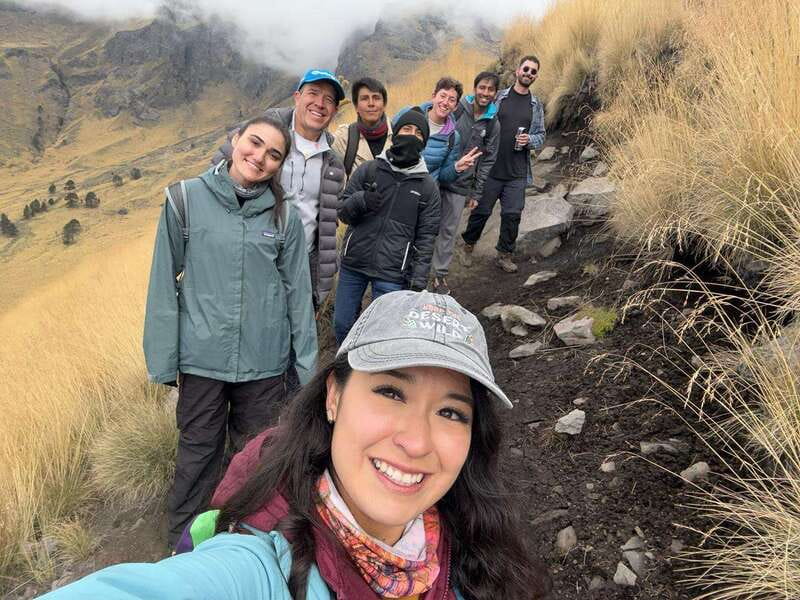
- Paso de Cortés photo stop (3,300 m): you start with big-picture volcano views before the hike.
- La Joya trail start: the climbing begins after a short pass-through on the way into the park.
- About 3 hours guided walking: enough time to feel the effort, without needing summit-style gear.
- Irregular ground + steep sections: traction and careful steps matter more than speed.
- Altitude is the real challenge: you’ll likely feel it even if the route looks short on paper.
- No food/drinks included: you’ll want water and a snack plan for energy.
The big draw: volcano views plus an alpinist guide
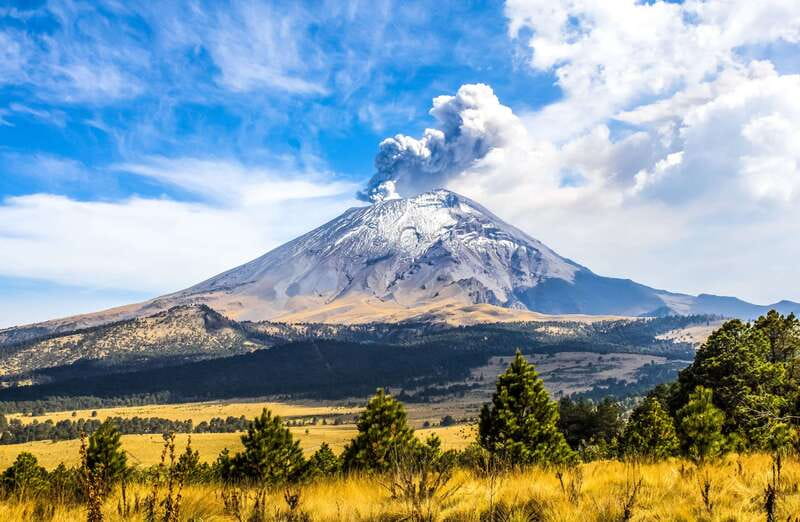
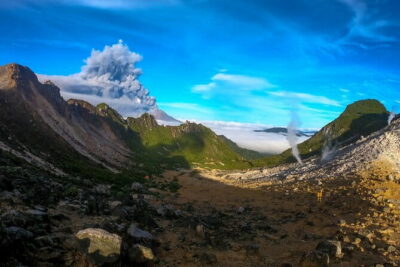
This hike is built for people who want more than a quick scenic walk. You start the day with a long van ride out of Mexico City, then you pause at Paso de Cortés (about 3,300 m) for panoramic views over the Valley of Mexico and the looming pair of volcanoes. It’s a classic “get your bearings fast” moment: you see what you’re hiking toward and you understand why this region has such a hold on photographers.
The second big draw is the alpinist guide. This isn’t just someone pointing at rocks. In past groups, guides named Fabrizio, Ivan, Gerson, and Leonardo have led people through the hike with a focus on safety and how to move over volcanic terrain. That matters because conditions can be uneven, with loose rock in some sections, and your best strategy is often: slow down, plant your feet, and breathe.
The practical catch: you don’t get professional summit climbing gear as part of the deal, and the route is shorter than “summit attempt” days. That’s not a dealbreaker. It just means you should set expectations: think “high-altitude guided trek with dramatic scenery,” not “technical expedition.”
You can also read our reviews of more city tours in Mexico City
Morning logistics from Mexico City: early start, long scenic ride
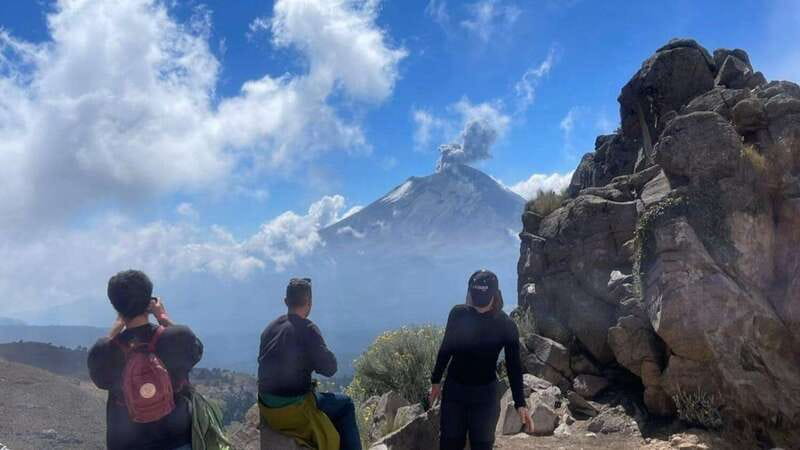
Meet your guide at the Amigo Tours Downtown Meeting Point at 06:20 am. From there, you’ll be on the road for a while—plan on roughly 105 minutes in the van before your first major stop.
Why that long ride is worth it: you’re not stuck watching a highway the whole time. The drive includes scenic views on the way and a safety briefing, so you’re not just transported—you’re prepared. When you arrive at Paso de Cortés, you’re high enough to feel the altitude start to tick up, and you get those wide valley-and-volcano views that make this day feel like a real escape from the city.
One logistics note that can help you plan your morning: pickup is not available in Santa Fe. If you’re staying around there, you’ll likely need to make your way to the meeting point.
Paso de Cortés: your first look at the whole scene
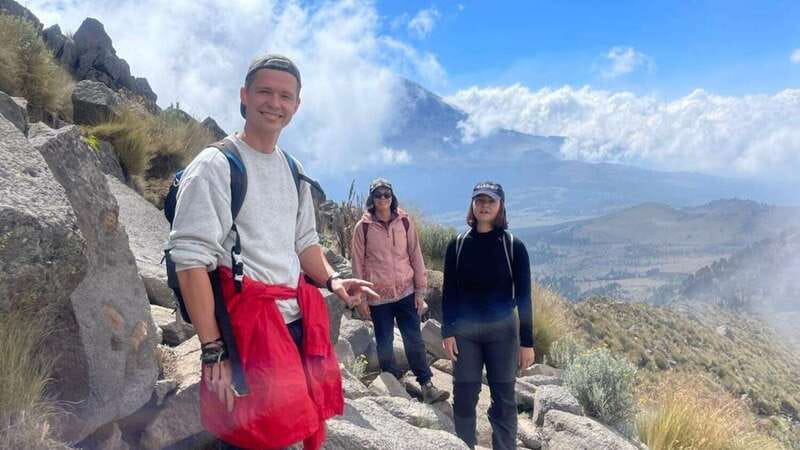
At Paso de Cortés, you stop for photos and sightseeing. This viewpoint (around 3,300 m) is where the volcanoes go from “in the distance” to “in your face.” You’re also getting a taste of the physical experience before your legs really start working—cool mountain air, thinner-feeling breathing, and light that turns the slopes into dramatic shapes.
This stop also does one more useful job: it helps your guide set the rhythm for the day. You’ll get a safety briefing here, and you can judge how your breathing responds before the hike starts.
Don’t overdo photos and time-wasting at this stop. Even though it’s short (about 15 minutes), you’ll want to stay warm and keep your energy. A common mistake at altitude is to feel fine while standing still, then realize the hike is going to cost more effort than you expected.
La Joya to the guided walking area: where the climb starts
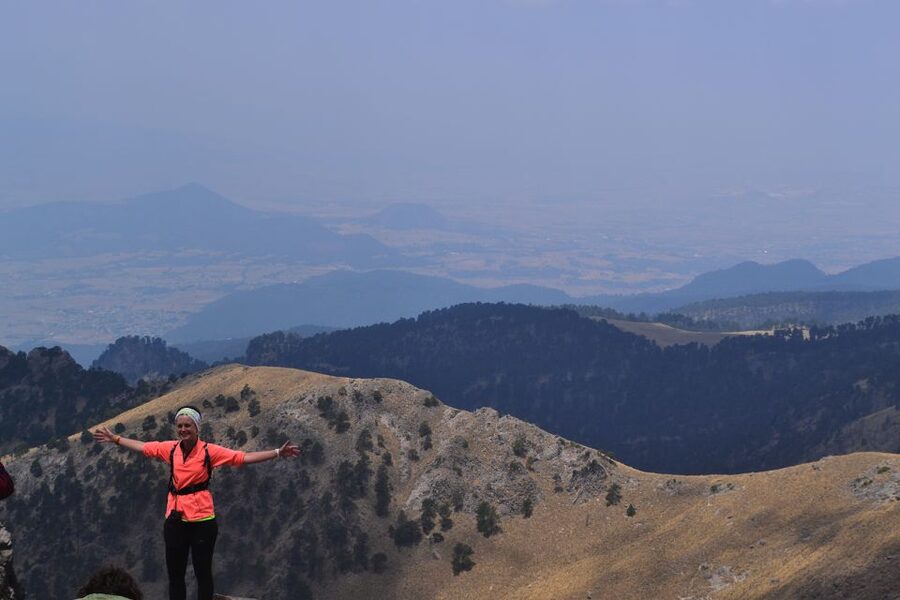
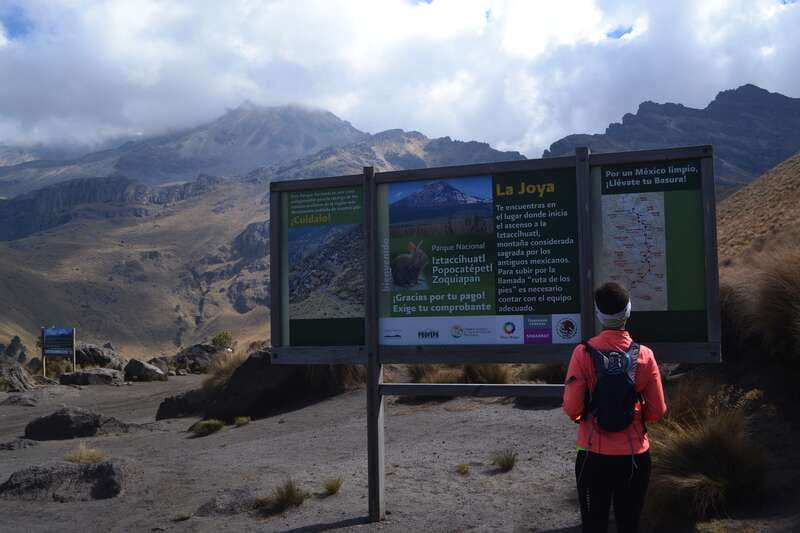
After your first stop, you head onward toward La Joya (a pass-through on the way) and then into the park area where the hike happens. You’ll spend about 30 minutes passing by La Joya, then the guided portion begins.
What makes this transition matter: La Joya is the “start line” conceptually. It’s where the day shifts from road travel to moving on steep, irregular terrain. You’re also gaining altitude as you go, even before you’re fully on the trail.
The guided walking time is listed at about 3 hours. That doesn’t always mean the full 3 hours is nonstop effort, but it does signal that you should show up expecting a real hike, not a short nature stroll. In practice, the walking route is often described as around 5–7 km round-trip for the overall hike portion, depending on group pacing and how far people are able to go.
How hard is it, really? Altitude is the main boss
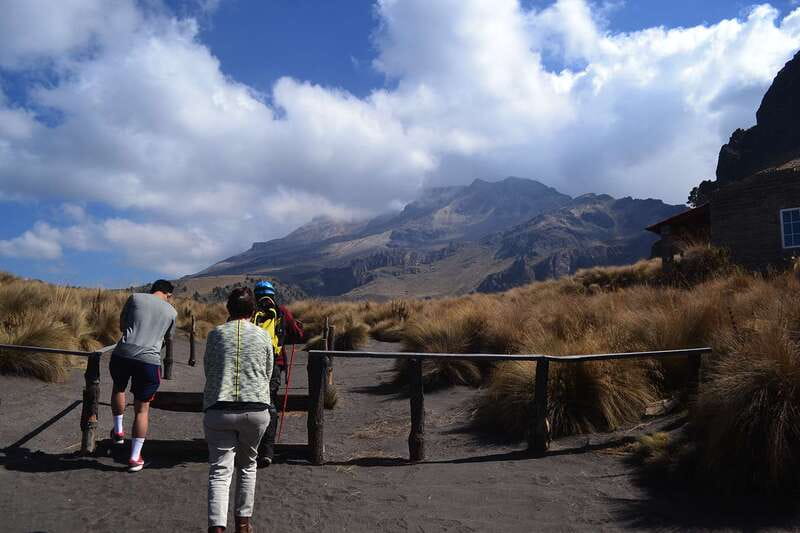
The route can reach high elevations—about 4,270 m (around 14,000 ft) is mentioned as the top side of the experience. Reviews and guide notes also match what your body will tell you: many people feel the altitude at roughly the 4,000 m+ range, and some groups aim for high “gates” along the route (often around 4,400–4,500 m).
So what should you do with that information?
- Pace like you live here (meaning: slowly). At altitude, your “normal hiking pace” often becomes too fast by the second hour.
- Plan for breaks. If you start pushing early, you’ll pay for it later.
- Breathe through effort, not panic. If you feel winded, your job is to slow down, not to prove you can keep up.
Important realism: this hike can be doable for people who are reasonably fit, even if they’re not runners. But if you have a heart or respiratory issue, or you’re not confident at high elevation, this is not the day to test yourself.
You can also read our reviews of more hiking tours in Mexico City
Moving over volcanic terrain: traction beats attitude
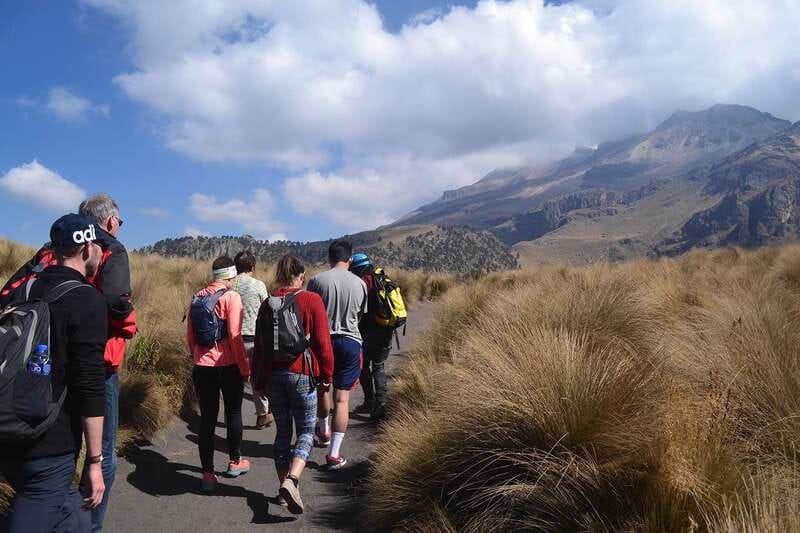
Even though this isn’t described as a summit climb with technical gear, the ground can still be tricky. Expect irregular terrain and sections that are steep enough that footing becomes the priority. Some hikers note loose rock in parts of the route, and others mention slipping if footwear doesn’t grip well.
This is why choosing shoes is not a small detail. You want comfortable footwear with traction, not smooth soles and not brand-new shoes that haven’t been broken in.
Also, you’ll feel the difference between “I can walk” and “I can walk uphill while breathing less air.” When the hike gets steeper, you’ll do better by using short steps and steady breathing rather than trying to power up.
The guide’s role: why it feels safer than it sounds
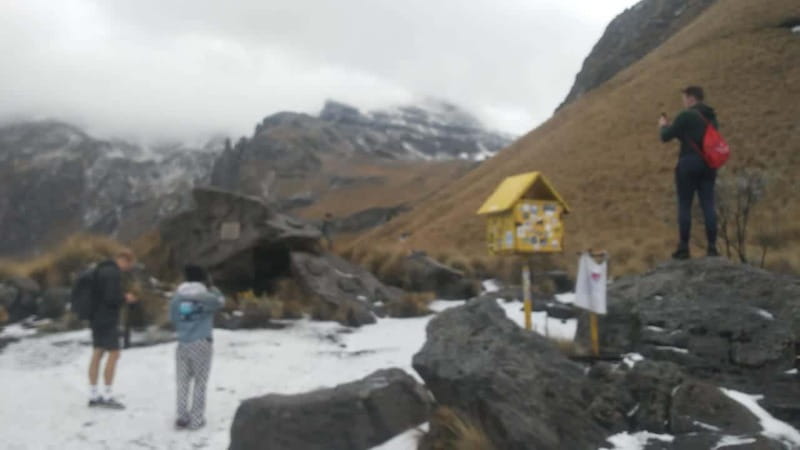
An alpinist guide changes how the hike feels. You’re not only getting direction on where to step; you’re also getting explanations about the area as you move through it. That turns the landscape into something you understand instead of something you just look at for a few minutes.
You’ll also notice the guide working with the group. Some groups arrive with mixed fitness levels, and the guide’s job is to keep everyone moving while not sacrificing safety. Even when the pace is set for the group, you’ll usually be able to take breaks and recover—just don’t expect a “walk at your own pace with no effort.” This is still a challenge hike.
The in-between stops on the way back: photos, a break, and the final viewpoints
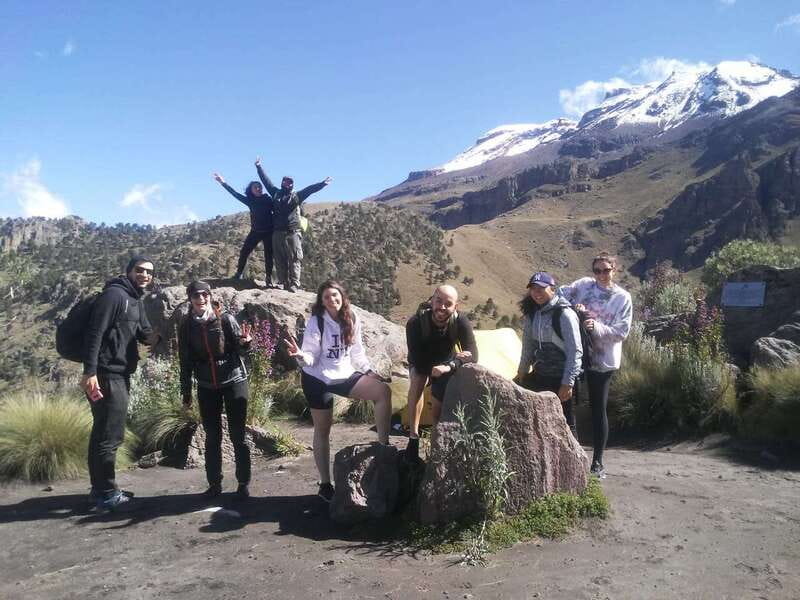
After the guided hike, you head back toward La Joya for a pass-through, then you return by van. There’s time built in for a break time and another photo stop back near Paso de Cortés.
This part of the day is underrated. After hours of climbing, you’re still in high altitude conditions, but your body is shifting into recovery mode. A photo stop gives you an excuse to slow down and look again at what you earned.
Then you’re back on the long ride to Mexico City—about 105 minutes—with drop-off at Hostal Amigo (two drop-off locations are listed, including Mexico City).
Price and value: what you’re really paying for
At $168 per person, the value depends on what you want from a day trip.
Here’s what you get:
- Alpinist guide
- Round-trip transfer
- Entrance to the natural park
- Hotel pickup/drop-off if you choose the private option
Here’s what you don’t get:
- Hiking equipment
- Food and drinks
So you’re paying for access, guidance, and the “getting there” piece. If you tried to DIY this day alone, you’d spend time coordinating transport, park access, and a safe route—plus you’d lose the explanation that makes the scenery mean more.
Is it worth it? For people who want a guided, high-altitude experience without turning the day into logistics work, it’s priced fairly. If you already have gear, know the route, and just want the cheapest option to see volcanoes, you might find alternatives. But this is the kind of day that stays in your head because you were guided the whole way.
Also, factor in that you’ll need to budget for water and snacks you bring, plus any lunch stop you choose. Reviews often talk about ending with tacos or road food, but food isn’t included in the tour price—so don’t plan your day on a free meal appearing.
What to pack so the altitude feels manageable
The tour lists what to bring, and I agree with the basics. Bring:
- Comfortable shoes with grip
- Water
- Comfortable clothes
- Passport (digital, original, or photocopy is accepted)
And I’d add two practical things even though they aren’t listed explicitly as included:
- Snacks or an energy source for steady effort. Short stops can help, but you still need fuel.
- Layers. Mountain weather can shift, and you may get warmer on climbs, then cooler while waiting.
Finally, follow the rules: no smoking, no littering, and no fires.
Who this tour fits best (and who should skip it)
This is a strong match for:
- People who like real hiking and don’t mind a long day
- People who want volcano views plus guidance for uneven ground
- Folks who can handle high altitude and want a guided introduction to it
This is not a good match for:
- Children under 16
- Pregnant women
- People with mobility impairments, wheelchair users, heart problems, or respiratory issues
If you’re unsure about altitude safety for your health, it’s smart to ask a doctor first. Altitude is the main challenge here, more than distance.
Should you book this Iztaccíhuatl alpinist hike?
If you want a high-altitude day with serious volcano scenery, this tour is easy to recommend. The alpinist guide, the park entry, and the structured route make it feel safer and more meaningful than a loose sightseeing plan. And the timing gives you the big viewpoint at Paso de Cortés before the hike, so you’re not guessing what you’re working toward.
I’d pass if you hate early mornings, you’re expecting summit-level gear and technical climbing, or you can’t handle altitude. Also, remember: food and drinks aren’t included, so go prepared.
If you’re ready for a challenging hike at altitude with a guide who helps you move smart, this is the kind of day trip that makes Mexico City feel like a launch point—not your whole vacation.
FAQ
Where do I meet the guide?
Meet your guide at the Amigo Tours Downtown Meeting Point at 06:20 am.
How long is the tour?
The full tour duration is 11 hours.
How much hiking time should I expect?
The guided hiking portion is about 3 hours, with the overall walk described as roughly 5 to 7 km round-trip.
What’s included in the price?
Included are the alpinist guide, round-trip transfer, and entrance to the natural park. If you select the private option, hotel pickup and drop-off are included.
What should I bring?
Bring comfortable shoes, water, comfortable clothes, and your passport (digital, original, or photocopy accepted).
Is food and drinks included?
No. Food and drinks are not included.
Who can’t participate?
Children under 16 can’t join, and it’s also not suitable for pregnant women, people with mobility impairments, wheelchair users, people with heart problems, or people with respiratory issues.
If you want, tell me your fitness level and whether you’ve hiked at high altitude before, and I’ll help you decide if this day trip feels like a good match.