REVIEW · SAPA
Mount Fansipan Hike 1 Day The Roof Of Indochina
Book on Viator →Operated by Sapa Khai Hmong Treks · Bookable on Viator
Mount Fansipan in one day is not a gentle stroll. It is a full-on Sapa mountain test, starting early and pushing up toward 3,143 meters where the air turns crisp and the views can break through the clouds. I like how this trip is built around a clear rhythm: climb steadily, regroup for lunch, then descend while your legs still have a chance to recover.
Two things I really like about this experience are the straightforward structure and the focus on getting you high. You’ll start at Tram Ton Pass, hike about 24 km total, and reach altitude for big-picture panoramas over the Hoàng Liên Sơn range. The other strong point is value for a guided, pickup-included day: you get bottled water and lunch, and the group stays small (up to 20 people). One drawback to keep in mind: the pace can feel rushed for people who want lots of stops for photos and extra questions. If you’re the type who needs explanations and time to breathe, you may want to speak up early.
In This Review
- Key Points to Know Before You Go Up Fansipan
- Sapa’s Early Start: Tram Ton Pass and a Real Climb Begins
- The Push to 3,143 Meters: Why Altitude Changes Everything
- The 12 PM Lunch Reset: Fueling Up for the Descent
- The 24 km Round-Trip: What Your Legs Will Notice by 4 PM
- What $185 Buys You (and What You Must Bring)
- Guide Style Can Make or Break the Day
- Weather and Visibility: Your Summit Bonus Is Earned, Not Guaranteed
- Who This One-Day Fansipan Hike Fits Best
- Quick Price and Value Check
- Should You Book Mount Fansipan Hike 1 Day?
- FAQ
- What time does the Mount Fansipan hike start?
- Where is the hike start and meet point?
- How long is the hike?
- How far do we hike?
- Is pickup included?
- What is included in the price?
- What is not included?
- What happens if the weather is poor?
Key Points to Know Before You Go Up Fansipan
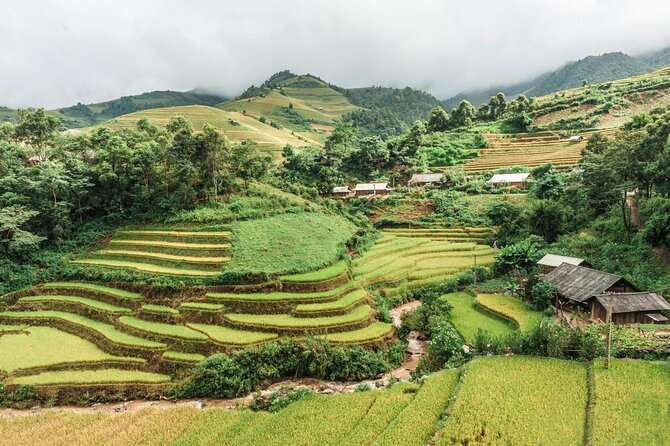
- Tram Ton Pass start at early morning light: You’re moving before most of Sapa wakes up.
- A summit-style high point at 3,143 m: The goal is big altitude and wide views, not just a walk through villages.
- About 24 km with changing terrain: Expect hills that get steeper and rougher higher up.
- Lunch timing at around 12 PM: You’ll refuel mid-day so the descent is more doable.
- Small groups up to 20 people: You’ll feel part of a real hiking group, not a crowd.
- Only bottled water and lunch are included: Plan snacks and extras yourself.
Sapa’s Early Start: Tram Ton Pass and a Real Climb Begins
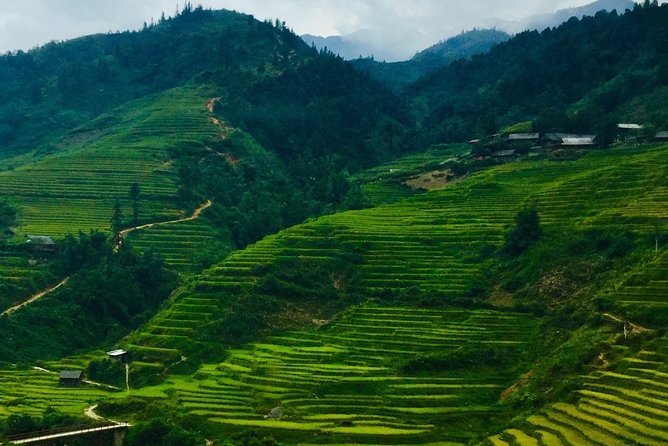
Your day kicks off very early. You’ll be picked up from anywhere in Sapa around 5:30 AM, and the activity start time is listed as 6:00 AM. That timing matters on Fansipan. Higher elevations can mean cooler air and faster weather changes, and the trails are simply easier to manage when you start with more daylight and less heat.
From your pickup, you drive to Tram Ton Pass, where the hike begins. This is a smart way to structure a day hike in a region like Sapa, because you’re not spending hours getting to the trailhead on public transport. It also means you start climbing while your body is fresh and your mind is still focused on one job: keep moving.
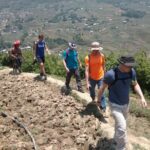
Once you’re on the trail, the path trends through rolling hills at first. Then it starts to turn into a true mountain hike. You’ll feel it in your breathing and in how your steps have to change as the terrain gets less forgiving. I like that the experience is honest about this being demanding—this isn’t marketed as a casual trek.
You can also read our reviews of more hiking tours in Sapa
The Push to 3,143 Meters: Why Altitude Changes Everything
Fansipan sits at 3,143 meters, the highest peak in Indochina. That’s not just a bragging number. At this height, you can feel the difference right away: cooler air, quicker fatigue, and a bigger payoff when the views open up.
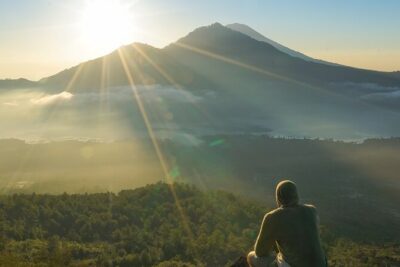
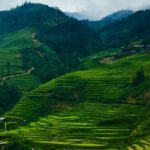
This day hike works because it targets altitude within a single schedule. You’ll keep climbing until you reach that high point and then spend time up there for the views. The description emphasizes sweeping scenery: from lush green forests to areas where waterfalls may be visible, plus the feeling of being above the clouds. Even if the cloud cover doesn’t fully break, the change in atmosphere tends to make the hike feel like more than just distance.
Here’s the practical part: when altitude enters the picture, you need a steady pace more than a fast pace. A slow, consistent rhythm usually beats trying to “win” the hill. If your group moves fast, it can be tempting to follow—then you end up exhausted later. If you’re aiming to enjoy the scenery (not just survive the descent), ask for short stops when you need them. That’s also where you can manage the weather issue: you may want a few minutes to check visibility and cloud movement before continuing.
The 12 PM Lunch Reset: Fueling Up for the Descent
Around 12 PM, you’ll have lunch. This timing is key on a one-day trek. Midday is when the body often starts to feel the earlier climbing in your legs. A meal at this point helps you push through the steep, grinding part of the day so your return doesn’t feel like punishment.
The trip includes lunch and bottled water. That’s helpful, because it removes one big planning task. Still, you should treat lunch as a refill, not a complete solution. You’ll likely want snacks for energy between stretches and for the final push down. The experience does not include snacks, and coffee or tea aren’t included either. If you like having something small in your pack for morale—nuts, biscuits, or any easy-to-eat bite—bring it.
One more tip: in cool highland weather, thirst can sneak up on you. Even if you’re not sweating heavily, you can still get low on fluids. Bottled water is included, but having a backup mindset is smart if you’re someone who drinks more than average.
The 24 km Round-Trip: What Your Legs Will Notice by 4 PM
The total distance is about 24 kilometers, with changing terrain at higher altitude. In plain terms, this is a big walk with real elevation pressure. You’ll climb, regroup at altitude, eat around noon, then start the descent.
The schedule indicates you’ll finish your descent by 4:00 PM and be dropped off back at your starting point. That timing means you’re getting a full day of hiking in roughly one workday. It’s also why proper footwear and pacing matter so much. A long descent can be rough on knees and shins, especially if the trail turns rocky or uneven.
So what does the return usually feel like? Expect your energy to be more mental than physical. Going down is still effort. Your body has to control each step. If you go too fast, you may feel it later. If you go steady, the descent becomes a controlled unwind—and that’s when you get space to actually enjoy the surroundings rather than just watching your feet.
What $185 Buys You (and What You Must Bring)
At $185 for an approximately 10-hour guided hike, you’re paying for the full mountain logistics: early pickup, transport to the trailhead, a guide for a demanding route, plus bottled water and lunch. In Sapa, a one-day mountain hike with transport and a guide usually costs more than people expect, mostly because the time and labor are real. In this case, the included meal and water are a practical plus.
But the price does not cover everything you’ll want for comfort. Not included: snacks, coffee/tea, and soda/pop. Alcoholic beverages aren’t included either. That’s normal, but it affects your planning. For a hike like this, I’d treat snacks as non-negotiable. Also pack sun protection and rain gear—this region can change quickly, and you don’t want to be stuck without a hat, a rain layer, or decent protection for your feet.
The trip description also calls out what you should bring: proper shoes or boots, clothing suitable for changing mountain conditions, and essentials like snacks, water supplies, rain gear, and sun protection such as hats. That’s not overkill. It’s the difference between feeling tired and feeling miserable.
Here’s a simple packing checklist mindset:
- Bring hiking boots or shoes you trust on uneven ground.
- Add layers for changing temperature at higher elevation.
- Pack rain gear even if the morning looks clear.
- Bring snacks, because you will want them.
- Add sun protection, because altitude and open trail can still be harsh.
Guide Style Can Make or Break the Day
The biggest “human factor” issue I see from past experiences is pacing and communication. One account notes a guide who felt rushing and didn’t explain much, forcing questions and requests for extra stops to take pictures and linger.
That doesn’t mean the trip is bad. It means you should plan to participate. If you want time for photos, say so early and be direct. If you want more explanation about the trail or what you’re seeing, ask. Guides on mountain hikes can be balancing group flow, safety, and weather. If one person slows the group, everyone feels it—so you’re best off setting expectations calmly rather than hoping the pace will magically match your style.
On the positive side, the same operator associated with this experience shows up in the Sapa trekking world with guides like Cai, whose name is mentioned alongside the idea of more authentic cultural contact on other treks. While this one-day Fansipan hike is strictly mountain-focused, the broader reputation can be a hint that you may end up with a guide who cares about giving you more than just a stamp on a checklist.
Weather and Visibility: Your Summit Bonus Is Earned, Not Guaranteed
This experience specifically requires good weather. That matters because Fansipan sits in a zone where conditions can shift quickly. If clouds sit low, you might still enjoy the hike, but the view payoff could be less dramatic.
The key is to understand what you’re buying: not just a summit number, but the chance to see the landscape from high up. If weather cancels the hike, you’re offered a different date or a full refund. I like that approach because it protects you from getting a poor experience when conditions are unsafe or visibility is too limited.
Even on a go day, be mentally ready for partial clouds. If you’re flexible and you treat the high point as a bonus, the day stays enjoyable even when the sky doesn’t cooperate fully.
Who This One-Day Fansipan Hike Fits Best
This is best for people who want a serious hike but still need a one-day schedule. The description asks for moderate physical fitness, and the length (about 24 km) plus altitude change makes it more demanding than it sounds on paper.
You’ll probably love it if:
- You’re comfortable walking for long stretches.
- You want high elevation views rather than a gentle, village-style trek.
- You like organized timing: climb, lunch, descent, done.
You should think twice if:
- You hate early mornings and want a slow start.
- You need frequent stops for photos and long chats.
- You’re not used to rocky or uneven terrain at altitude.
If your idea of a great travel day is getting out early, earning views by moving your feet, and being back in Sapa by mid-afternoon, this hike fits like a good boot.
Quick Price and Value Check
For $185, you get:
- Pickup from anywhere in Sapa
- Transport to Tram Ton Pass
- A guided hike for a high-altitude climb
- Bottled water and lunch
- A small group setting (up to 20)
What you pay for yourself:
- Snacks, coffee/tea, and drinks
- Any extra comfort items like extra layers, personal rain gear, and sun protection
When value works here is when you use the included items wisely. Drink the water you’re given, eat the lunch at the right time, and pace the climb so you don’t burn out before the descent. If you go in prepared, the cost feels more like a fair trade for the logistics and the guided safety on a demanding mountain.
Should You Book Mount Fansipan Hike 1 Day?
I’d book this hike if you want a high-altitude day in Sapa that stays organized, includes food and water, and gives you a real chance to reach 3,143 meters for memorable views. The small group size and pickup make it easier than trying to manage it on your own.
I wouldn’t book it if you’re hoping for a relaxed pace with lots of time for explanations and lingering photo stops. If you need that, plan to ask for breaks early and clearly, or choose a format that gives more time on the trail.
If your top priority is big mountains with a tight schedule—and you’re willing to dress and pack for tough conditions—this one-day Fansipan hike is a strong pick.
FAQ
What time does the Mount Fansipan hike start?
The activity start time is listed as 6:00 AM, with pickup from anywhere in Sapa around 5:30 AM.
Where is the hike start and meet point?
You meet at Guide Francophone Trek Sapa, Sa Pa (Lao Chải), Lao Cai 333283, Vietnam.
How long is the hike?
It runs for about 10 hours.
How far do we hike?
The hike is approximately 24 kilometers round-trip.
Is pickup included?
Yes, pickup is offered from anywhere in Sapa.
What is included in the price?
Included are bottled water and lunch.
What is not included?
Snacks, coffee and/or tea, soda/pop, and alcoholic beverages are not included.
What happens if the weather is poor?
The experience requires good weather. If it’s canceled due to poor weather, you’ll be offered a different date or a full refund.