REVIEW · MEXICO CITY
Iztaccihuatl Volcano Hike with an Alpinist
Book on Viator →Operated by Amigo Tours · Bookable on Viator
4,000 meters makes a normal day feel bold. This Iztaccihuatl hike with an alpinist guide trades city noise for thin-air trails, with help staying oriented on Paso de Cortés and plenty of chances for volcano photos.
What I like most is the simple logistics: you get round-trip transport and park entry handled, so your focus stays on the trail instead of navigation.
The main consideration is altitude. Even if the walking is not technically extreme, the air is less forgiving, and you’ll want real hiking gear since equipment is not included.
In This Review
- Key things to know before you go
- Why this Iztaccihuatl day feels worth $139
- The early start from Hostal Amigo: why 6:20 am matters
- From 3,990 m into the volcano zone (the part where photos happen)
- What you’re likely to see
- Step into history at Paso de Cortés (and why that viewpoint matters)
- What the hike feels like: moderate walking, serious altitude
- Trekking tips that come straight from the reality of this hike
- Alpinist guides: pace-setting, safety, and the human side
- The van ride reality: long hours, not always smooth
- Packing smart: what to wear when sandals won’t cut it
- Cash and food expectations
- Weather can change the whole plan
- Should you book this Iztaccihuatl hike?
- FAQ
- What time does the hike start?
- Where do I meet the tour?
- How long is the experience?
- Is hotel pickup included?
- Do I need to bring hiking equipment and food?
- What fitness level do I need?
- Are passports required?
- What happens if the weather is bad?
Key things to know before you go
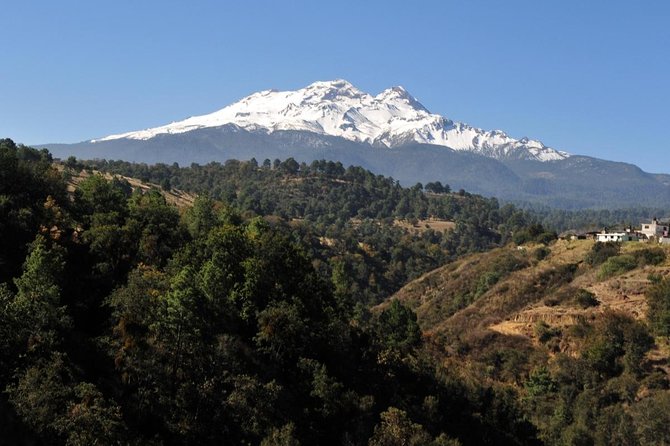
- Small group (max 15): you’re more likely to stay together at the right pace.
- Start time 6:20 am: early departure means better conditions and less waiting.
- Hike begins around 3,990 m: plan for altitude first, effort second.
- Alpinist guide support: guides like Fabrizio, Santiago, Leonardo, Gerson, Josué, and Kevin are described as safety-focused and pace-aware.
- No hiking equipment included: pack boots and warm layers, not casual city shoes.
Why this Iztaccihuatl day feels worth $139
At $139 per person, this hike is priced like a logistics-and-guiding product, not a bare-bones ticket. You pay for three big things: an alpinist guide, round-trip transport, and entrance to the volcano natural park. For many people visiting Mexico City, that combination is the whole point: you avoid the hassle of figuring out how to reach high-altitude trailheads, find park access, and manage route complexity with changing conditions.
At the same time, it’s not a full-day luxury package. Food and drinks aren’t included, and hiking equipment isn’t included. Think of this as: you’re buying the trip structure, the guide, and the park entry—not a ready-to-go hiking kit. If you show up prepared (layers, water, snacks, proper shoes), the value looks better fast.
One more plus: this runs with a group limit of 15 travelers. A smaller group generally means the day moves with fewer headaches, especially when altitude slows people down and the guide has to keep everyone together safely.
You can also read our reviews of more hiking tours in Mexico City
The early start from Hostal Amigo: why 6:20 am matters
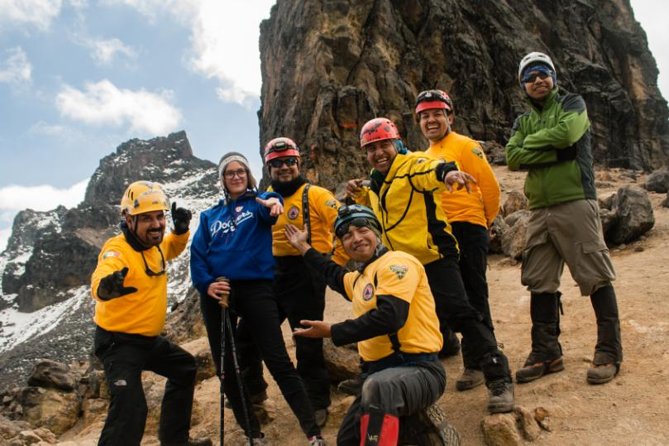
You meet at Hostal Amigo, Isabel La Católica 61-A, Centro Histórico (Cuauhtémoc) at 6:20 am. That early timing matters more than it sounds. The hike begins high up (near 3,990 m), and the day can turn if weather rolls in or clouds swallow the view. Getting going early also gives you a buffer if traffic or road conditions slow the van.
Plan for a day that feels long even when your feet aren’t moving the whole time. The total duration is about 11 hours, and multiple comments describe a setup where most of the day is transport and only a portion is actual hiking. So mentally budget for a long sit in a van plus short bursts of effort outdoors.
One practical thing: expect the ride to involve rough, bumpy stretches on the way toward trail areas. If you’re prone to motion sickness, bring what usually helps you.
From 3,990 m into the volcano zone (the part where photos happen)
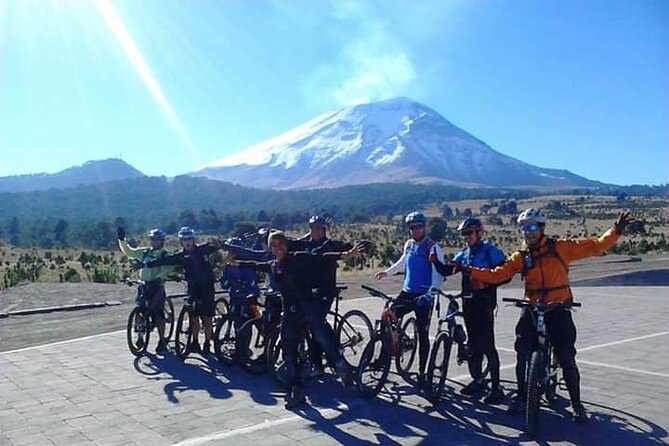
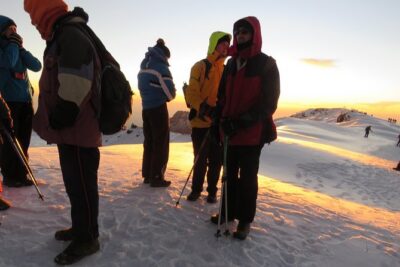
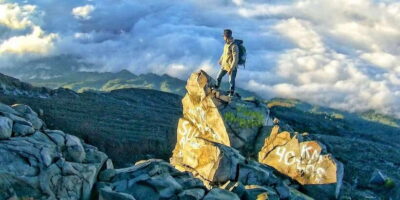
The first major hiking portion starts at around 3,990 meters, with the potential to reach about 4,200 m or up to 4,350 m, depending on the group’s physical conditions. This is one of those trips where the altitude drives the experience. You’re not just walking a path; you’re asking your lungs to work in thin air.
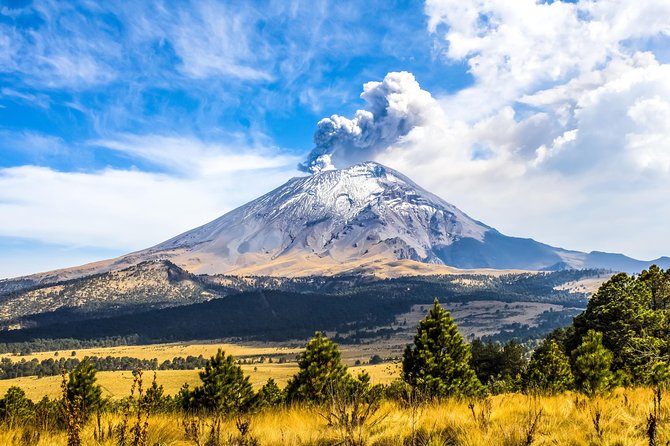
This segment is listed as about 4 hours, and you’ll have admission to the park included. You can also plan on stopping often for photos—this hike is built for looking up at Iztaccihuatl and Popocatépetl, and for watching how the environment changes as you move higher.
A useful way to think about this: at elevation, the hardest part is often pace. Go too fast and you’ll pay for it. The guides on this route are described as adjusting speed for the group, which helps a lot when some people feel the altitude more strongly.
What you’re likely to see
Your view is tied to the weather. If visibility is good, you’ll get dramatic volcano framing. If it’s cloudy, you might get partial views, but the hike still has value in the rhythm of moving through high-altitude terrain.
Step into history at Paso de Cortés (and why that viewpoint matters)
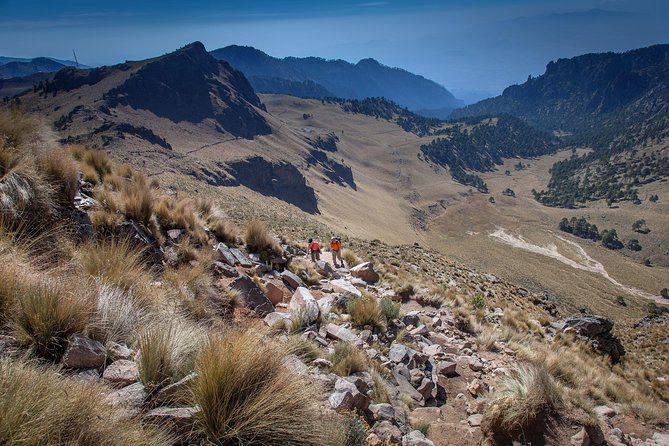
After the hiking block, you’ll also get time at Paso de Cortés. This stop is short—about 20 minutes—but it’s meaningful because of what the place represents.
Paso de Cortés is named for the spot where Spanish conquerors, including Hernán Cortés, crossed in 1519 on the way toward Mexico-Tenochtitlan. Standing there, you’re not just looking at mountains. You’re on a route that once mattered for a major historical turning point—weather and terrain influencing who could pass where, and when.
This stop also connects you to why the day feels different from just “a hike out of the city.” You pass through a setting that can show seasonal traces (including snow possibilities at higher spots) and shifts in flora and fauna you notice as you move. The goal isn’t to turn this into a museum stop. It’s to give you a quiet moment where the terrain and the historical name connect.
If conditions allow, you may also catch panoramic views of the volcanoes from this area. Keep your camera ready, but don’t let gear slow you down if the ground is uneven.
What the hike feels like: moderate walking, serious altitude
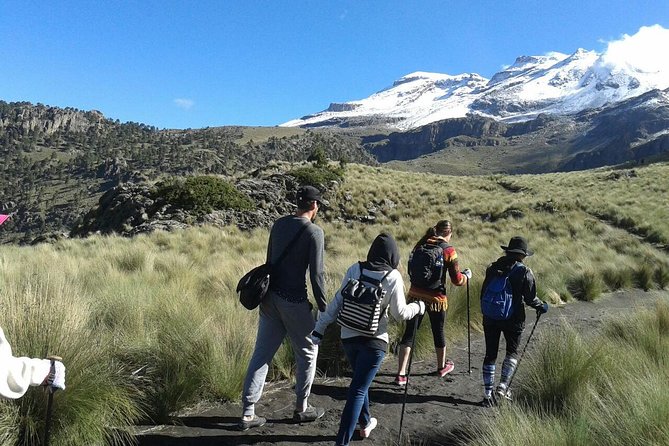
The hiking itself is described as suitable for people with moderate physical fitness. That’s honest, but here’s the key translation for your planning: altitude changes what “moderate” means.
Some feedback calls the hiking technically easier than you’d expect in terms of steepness, yet still challenging because you’re operating near 4,000 m. That’s where you feel chest tightness, slower recovery between steps, and a need to keep breathing controlled.
If you’re coming from sea level recently, treat this as a real acclimatization challenge. Even fit hikers report that the altitude adds workload. Plan on going slower than your normal pace.
Trekking tips that come straight from the reality of this hike
- Start controlled. Give your lungs time to settle before you speed up.
- Use short breaks. The guides’ job is keeping you safe and together; small stops help the group.
- Expect slippery sections. Snow and loose gravel can show up depending on season and conditions, and the descent is often where people get cautious.
- Bring layers. Conditions can feel chilly at these elevations, and weather can flip during the day.
Alpinist guides: pace-setting, safety, and the human side
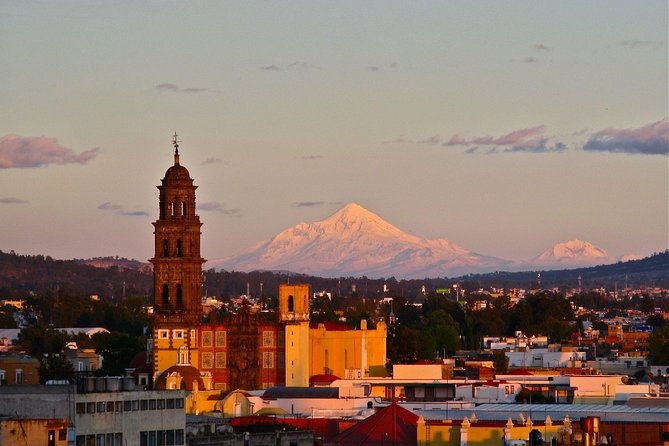
This tour is led by an alpinist guide, not a generic day-hike instructor. That matters. On a mountain day, the guide’s main job is keeping everyone safe while managing effort at altitude.
In the feedback, certain guide names come up again and again—Fabrizio, Santiago, Rami, Leonardo, Gerson, Josué, and Kevin. The common theme is that the guides are described as patient with slower hikers and firm about keeping people together. Some guides are also described as less chatty and more focused on logistics and safety, so expect fewer long speeches and more direct trail guidance.
Here’s a practical safety note: the tour can be modified due to bad weather, and in extremely bad weather it can be canceled. Also, if your health takes a dip on the hike, don’t push through. Talk to your guide immediately so they can help you decide what’s appropriate for your condition.
The van ride reality: long hours, not always smooth
Even with included transport, your biggest time investment is the drive. With an 11-hour day, you spend a lot of time in transit, then a smaller chunk walking. A few comments even mention long delays and rough road conditions (including traffic stops). That’s not unique to this tour—day trips from Mexico City can be subject to road chaos—but it’s worth going in with the right mindset.
Also, there are reports that the pace and schedule can shift. Sometimes the hike may feel shorter than expected, or the day can run later due to traffic. This is the reason I recommend treating this as a hiking day, not a tightly timed sight-seeing appointment.
Packing smart: what to wear when sandals won’t cut it
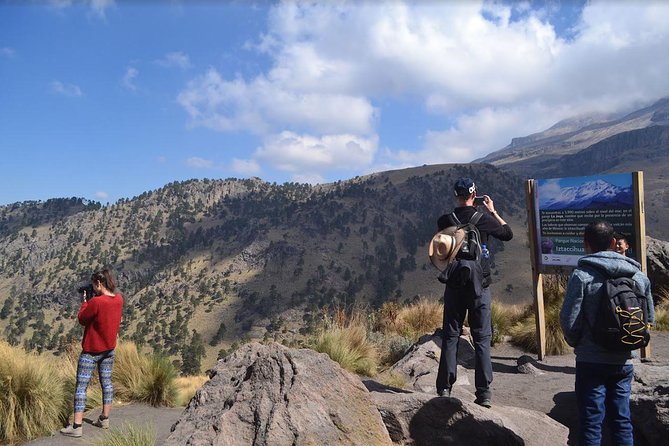
The tour is clear about footwear and clothing: sandals, sneakers, shorts, etc. are not suitable. You’ll want hiking shoes with grip and ankle support, plus warm layers. Equipment is not included, so you need to bring the basics yourself.
Use this checklist as a starting point:
- Water (plus an extra small snack reserve if you run low)
- Light snacks like chocolates, granola bars, or seeds (easy quick energy)
- Warm layers you can adjust as you climb
- Hiking shoes or boots with traction
If you’re visiting in colder months, pack like you might meet snow on the trail. Several comments describe winter-like conditions and slippery descents, which is exactly when good footwear and layering pay off.
Cash and food expectations
Food and drinks aren’t included, but you’ll likely have built-in breaks at places where you can buy something. One review calls out a lunch stop around the return phase; other feedback mentions extra time spent at eateries. To avoid a stressful moment, bring enough cash for snacks and meals, or plan your snack strategy so you’re not stuck waiting hungry.
Weather can change the whole plan
This experience depends on weather. If conditions are poor, the tour may be canceled or you’ll be offered another date, with a full refund option as stated in the policy details. That’s not a small detail—it’s the difference between seeing volcano views clearly and hiking through clouds.
So before you commit to tight schedules later in the week, build flexibility. High-altitude hikes can’t be forced to run in bad conditions.
Should you book this Iztaccihuatl hike?
Book it if you want:
- A guided, high-altitude hike with an alpinist leading
- A day that mixes exercise with serious volcano views (when weather cooperates)
- Included transport and park entry, so you avoid logistics stress
Skip it or choose a more flexible private option if:
- You get motion sick or hate long van days
- You’re a true beginner with limited hiking comfort, because the altitude is the main challenge
- You want a tightly customized itinerary or a fully adjustable schedule (this is a group hike with a pace set by conditions)
My bottom line: this hike can be an excellent value because the guide + transport + park entry are baked in. But it only works well if you take the altitude and your gear seriously. If you do, you’ll come away with a real sense of accomplishment—and photos you can’t fake.
FAQ
What time does the hike start?
It starts at 6:20 am.
Where do I meet the tour?
The meeting point is Hostal Amigo, Isabel La Católica 61-A, Centro Histórico de la Cdad. de México, Centro, Cuauhtémoc, 06000 Ciudad de México, CDMX.
How long is the experience?
The duration is about 11 hours.
Is hotel pickup included?
Hotel pickup is available only if you select the private tour. The standard option starts at the meeting point listed above.
Do I need to bring hiking equipment and food?
Food and drinks are not included, and hiking equipment is not included. The recommendation is to bring water and light snacks.
What fitness level do I need?
You should have moderate physical fitness. The hike is not for children under 16, and the pace depends on the group’s physical level.
Are passports required?
Yes. Due to immigration regulations, all passengers must present their passport (physical, digital, or photocopied), or show passport pages proving legal entry and identity.
What happens if the weather is bad?
This experience requires good weather. If canceled due to poor weather, you’ll be offered a different date or a full refund.