REVIEW · MEXICO CITY
Sunrise in Las Alturas Hiking in El Pico del Aguila Tlalpan
Book on Viator →Bookable on Viator
Waking before dawn can sound extreme—until you see the sunrise from El Pico del Aguila. This early-morning hiking tour is built around reaching the summit before about 6:00am, with time up top to rest and take photos. I especially like the small-group feel (max 10) and the practical safety touches, including an Ajusco-native guide certified in First Aid by the Mexican Red Cross.
One watch-out: you are committing to very early timing and you’ll be outside in mountain conditions. If you don’t like night starts or you’re prone to getting chilled on hikes, plan carefully—or consider a different daytime activity.
In This Review
- Key highlights you should actually care about
- Why a Pico del Aguila sunrise hike is worth the early wake-up
- Six Flags pickup: the logistics that can make or break your morning
- The climb to Pico del Aguila: what 2:30 to 3 hours up feels like
- Summit time before sunrise: photos, rest, and the payoff
- The descent back down: why poles and a steady pace matter
- Safety and guide quality on Ajusco trails
- What’s included for $107.47, and what you’ll still need
- Timing, weather, and how to avoid disappointment
- Who this sunrise hike is perfect for
- Should you book the sunrise hike to El Pico del Aguila?
- FAQ
- FAQ
- How long is the sunrise hike to Pico del Aguila?
- What’s included in the price?
- Is breakfast included?
- Where do we meet for the tour?
- What fitness level do I need?
- How big is the group?
- What happens if the weather is bad?
Key highlights you should actually care about
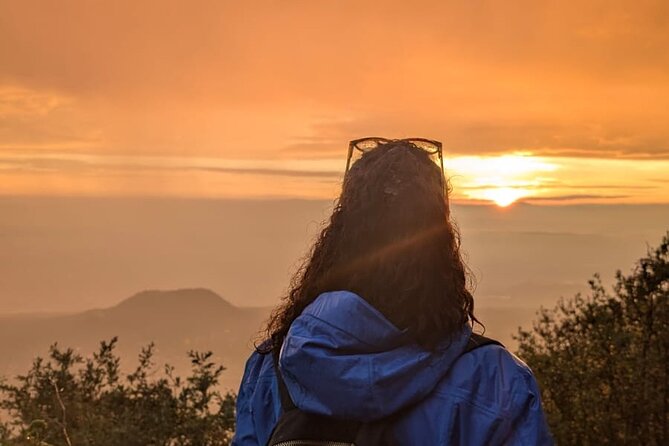
- Summit timing for sunrise: aim to reach the top before ~6:00am for dawn views.
- Smart group size: maximum of 10 travelers, so you’re not swallowed by a crowd.
- Included gear for the climb: helmet and hiking poles help on uneven trail sections.
- Ajusco-native guide with First Aid certification: trained for basic emergencies in the backcountry.
- Full out-and-back day: about 2:30 to 3 hours up, 2 to 3 hours down, plus photo time.
Why a Pico del Aguila sunrise hike is worth the early wake-up
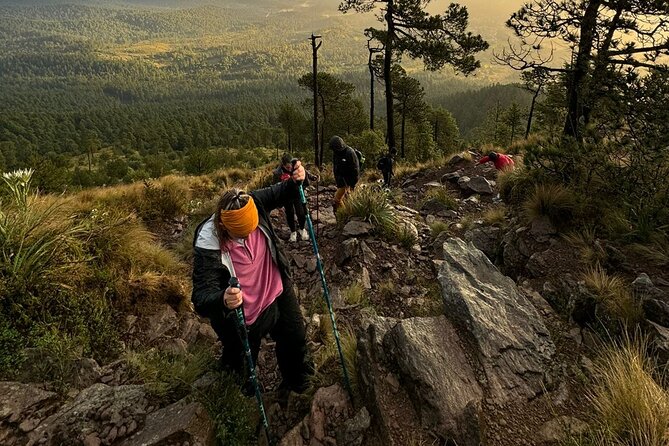
Mexico City has plenty of hikes. This one adds a big, simple ingredient: time. The whole schedule revolves around getting to Eagle Peak early enough to catch dawn, when the air feels cooler and the city’s energy hasn’t fully kicked in yet.
That early timing changes how the hike feels. You’re not battling midday heat, and you’re walking in that quiet pre-daylight window when the trail tends to feel more “yours” than “busy.” If you like the idea of earning a view rather than just arriving at one, this setup fits.
I also like that the experience is focused, not stretched. You’re hiking to the summit, getting a real break for photos, and then heading down. No long detours, no “bonus stops” that eat your energy.
The tour is also unusually specific about the hiking time. You’ll be walking roughly 2:30 to 3 hours up, depending on pace, then 2 to 3 hours down. That means you can judge your day realistically: this is not a casual stroll where you can dawdle and still make sunrise.
You can also read our reviews of more hiking tours in Mexico City
Six Flags pickup: the logistics that can make or break your morning
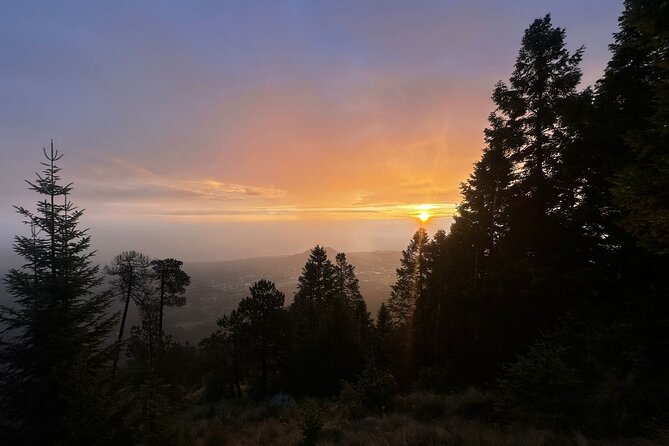
Meeting point is at the Entrada estacionamiento Six Flags area, near Equipamiento Periférico Picacho Ajusco Canal 13 (14110), with the activity ending back at the same place. Since the tour is built around sunrise, expect the day to start extremely early. One traveler noted they planned to arrive by a starting time of around 3:00am, so treat “early” here as truly early.
Here’s my practical advice: arrive before you think you need to. In the pre-dawn dark, it’s easy to miss the correct curb, the correct gate, or the correct meeting corner—even when everything is technically correct. If you’re depending on rideshare, give yourself extra buffer.
Also, keep your communication ready. The tour runs on coordination with your operator and guide. If messages don’t arrive, don’t assume someone has it covered. Try to contact the tour operator right away through whatever channel you used to book. The goal is simple: get your bearings fast.
One more note from the reality of meeting points: this hike is outside the city core. If anything goes sideways and you end up waiting, you’ll feel it. That’s why I’d strongly recommend you show up early, stay on top of your messages, and keep a plan for how you’ll get back to safety and warmth if the pickup fails.
The climb to Pico del Aguila: what 2:30 to 3 hours up feels like
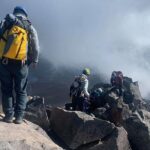
You’ll start hiking toward Pico del Aguila, often called Eagle Peak in English descriptions. The goal is clear: reach the summit before about 6:00am so you can watch sunrise.
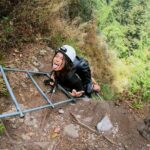
The included gear tells you something important about the trail. A helmet and hiking poles are provided, which usually means you’ll be dealing with uneven ground, some tricky footing, and the kinds of trail dynamics where poles help with balance and knees.
Your upward timing—2:30 to 3 hours—is long enough to matter. Even if you’re in good shape, you’ll likely be walking steadily rather than stopping every few minutes. If you’re the type who takes photos constantly while you climb, you’ll want to balance that with pace so the group and the sunrise plan stay on track.
What I’d do before you go:
- Wear shoes you trust on rocky, uneven surfaces.
- Dress in layers. Sunrise hikes can feel cold at the start and warmer later.
- Bring water (breakfast isn’t included, so you may want a small snack strategy too).
And mentally: treat the climb as a steady effort. If you sprint the early minutes, you’ll pay later on the upper trail where fatigue hits harder.
Summit time before sunrise: photos, rest, and the payoff
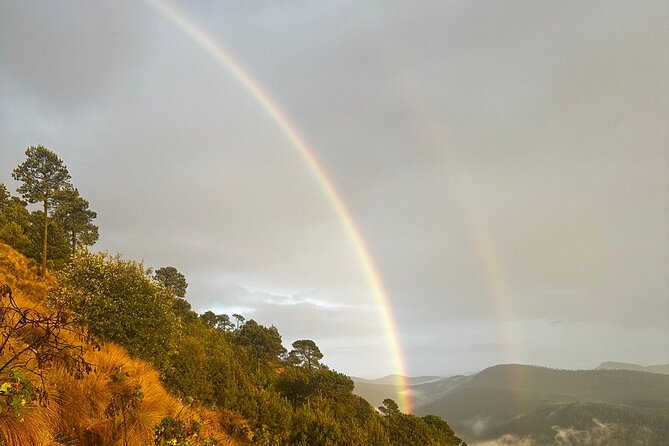
Once you’re on top, you’ll get a break for photos. The tour description sets this up as the moment you came for: the summit view plus a chance to take the photos you’ll want later.
This is where the early start really pays off. Getting there before sunrise isn’t just a scheduling detail—it’s what gives you time to settle, adjust your camera settings, and find a good spot. If you arrive late, you often spend the “best light” trying to catch your breath and figure out where to stand.
I also like that the tour builds in the break rather than rushing you off immediately. You’ll be outdoors in mountain conditions, so it’s smart to have time to recover, warm up a bit if needed, and take your pictures without feeling like you’re doing everything at once.
One practical thought: sunrise can be bright fast. Even if it’s cool on the summit, you’ll want a way to manage sun glare once it hits—sunglasses help. And if clouds roll in, you still get a mountain sunrise experience, even if it’s different than you expected.
The descent back down: why poles and a steady pace matter
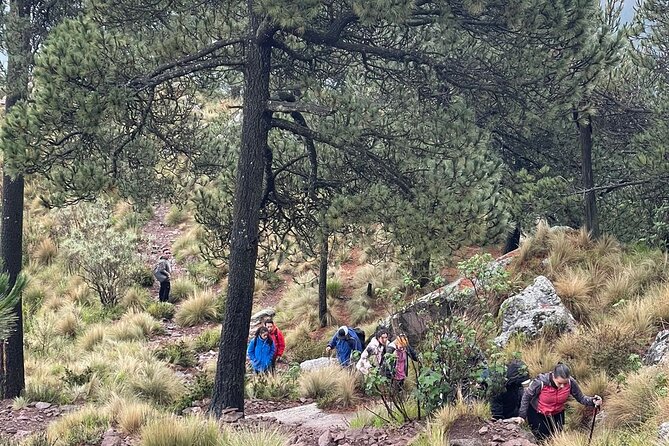
After the summit break, you’ll head down. The return hike is also estimated at 2 to 3 hours, which can surprise people. Going down feels easier at first, but it’s often harder on knees and ankles because you’re controlling every step.
This is exactly where those included hiking poles do their job. Use them to reduce strain, especially on steeper sections or on loose ground. Your goal is not to race; it’s to keep your footing calm and consistent.
If you want a simple strategy:
- Slow down on the downhill. You’ll feel the difference in your legs by the end.
- Keep your steps short and controlled.
- Use poles even when it feels like you don’t need them. That’s usually when the trail gets slick.
If your “moderate fitness level” is right for you, you should finish the day still feeling like you enjoyed it, not like you survived it. But if you rush the descent, you can turn a great morning into a sore, grumpy afternoon.
Safety and guide quality on Ajusco trails
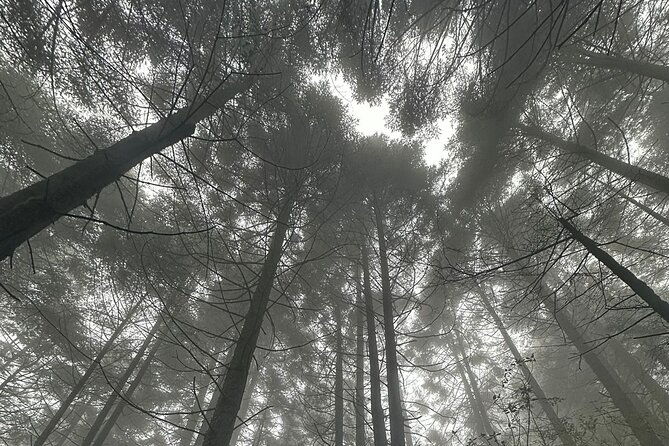
This tour includes an expert guide native to the Ajusco region, and that matters. Ajusco hills can throw curveballs: trail conditions change, fog can roll in, and the rhythm of dawn hiking requires someone who knows how to manage a group.
On top of that, the guide is certified by the Mexican Red Cross in First Aid. That doesn’t mean you’re going to have an emergency. It means you have better odds of quick, competent help if someone twists an ankle, feels unwell, or gets cold.
The small group size (maximum 10) also supports safety. In a larger group, people spread out and communication slows down. In a smaller group, the pace and route guidance are easier to manage, which helps everyone stay together.
Language is covered too. The guide is listed as working in Spanish and English, and the tour is offered in English. That’s a good combo for understanding safety instructions and getting local context without hand-waving.
What’s included for $107.47, and what you’ll still need
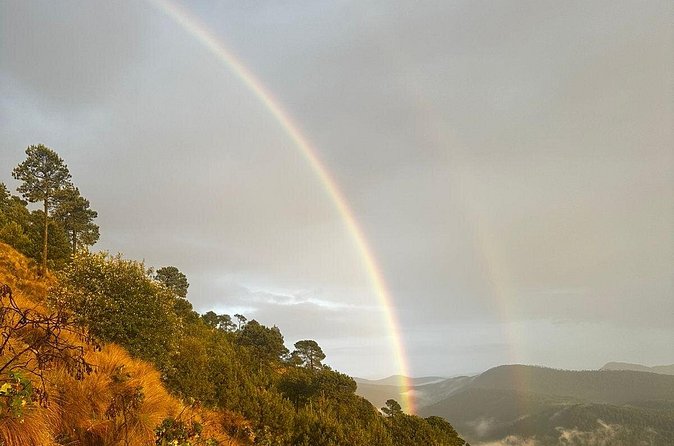
Price: $107.47 per person. For a sunrise hike that includes transportation, safety gear, and a trained guide, it’s not a bargain in the ultra-budget sense—but it also isn’t overpriced for what’s included.
Here’s the value breakdown:
- Roundtrip transportation to and from Six Flags: This removes one of the hardest parts of getting to trail areas early.
- Helmet and hiking poles: Useful gear that would cost money if you had to rent or buy.
- Security equipment and an expert guide with First Aid certification: This is real operational value, not just marketing.
- Private transportation: You’re not relying on a slow public option at night.
Not included:
- Breakfast isn’t provided. This is the one area you should plan for. If you want energy early in the morning, eat before you go or bring something light to tide you over until later.
What I’d pack (common-sense, not extra fluff):
- Water
- A light snack
- Warm layers for pre-sunrise chill
- A flashlight or headlamp if you tend to need one in the dark
- Your own sunscreen and sunglasses for once the light hits
If you’re expecting the tour to handle food, you’ll end up uncomfortable. If you show up prepared, the day feels smooth.
Timing, weather, and how to avoid disappointment
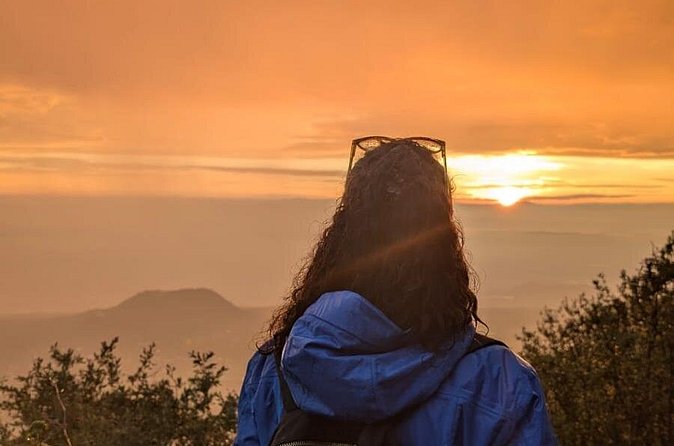
The tour requires good weather. If weather cancels it, you’ll be offered a different date or a full refund.
That means you should treat forecasts seriously and plan flexibility. Sunrise hikes live and die by visibility and trail safety, so even when everything else is perfect, the mountain gets the final say.
Also, because the hike starts so early, you might be tempted to rush decisions—especially if the day is your only free morning. If you can reschedule and you’re flexible, you’ll usually get a better experience.
And here’s the other “don’t ignore it” factor: meeting point accuracy and timing. If the pickup goes wrong, it can feel bleak fast. This is rare, but it’s exactly the kind of situation where arriving early and staying communicative saves you.
Who this sunrise hike is perfect for
This tour fits best if you:
- Love early mornings and the idea of earning a dawn view
- Have moderate physical fitness
- Want an organized guide rather than hiking on your own in unfamiliar terrain
- Enjoy small groups and a shared goal (reach the summit, watch sunrise, take photos, return)
It might not fit you if you:
- Get cold easily in pre-dawn conditions
- Don’t handle downhill fatigue well
- Want a relaxed pacing experience with lots of long stops
Should you book the sunrise hike to El Pico del Aguila?
If you want a Mexico City-area hike with a clear payoff, this is one of the smarter ways to do it. The timing is built for sunrise, the group size is small, and the inclusion of helmet and hiking poles plus a First Aid–certified Ajusco-native guide makes it feel more “handled” than many DIY-style adventures.
I’d say book it if you’re comfortable with an early start and you show up prepared for a long day on foot. I’d think twice if sunrise hikes are your idea of misery—or if you know you’ll struggle with very early pickups in the dark.
FAQ
FAQ
How long is the sunrise hike to Pico del Aguila?
It’s about 8 hours total. The hike portion is roughly 2:30 to 3 hours up and about 2 to 3 hours down, with time for a break and photos at the top.
What’s included in the price?
Roundtrip transportation to and from Six Flags, helmet and hiking poles, security equipment, and an expert guide. The guide works in Spanish and English.
Is breakfast included?
No. Breakfast is not included.
Where do we meet for the tour?
You’ll meet at the Entrada estacionamiento Six Flags location, in the area of Equipamiento Periférico Picacho Ajusco Canal 13 (14110), and the tour ends back at the meeting point.
What fitness level do I need?
The tour says travelers should have a moderate physical fitness level.
How big is the group?
The tour has a maximum of 10 travelers.
What happens if the weather is bad?
The tour requires good weather. If it’s canceled due to poor weather, you’ll be offered a different date or a full refund.