REVIEW · ARUSHA
Mount Kilimanjaro Day Hike Through Marangu Route to Mandara Hut
Book on Viator →Operated by Kanje grand tours · Bookable on Viator
One day on Kilimanjaro, no summit pressure. I love that this Marangu Route hike gives you a real taste of Kilimanjaro—starting at Mandara Hut altitude without the all-week grind. You’ll move from Kilimanjaro National Park’s eastern entrance (Marangu Gate) into rainforest, then higher trails, with guides who keep things safe and human, even when weather turns moody.
I also like how the day is built for fit-but-not-superhuman hikers: you can take a slower pace if you need it, and the group hiking style still feels supportive (guides mentioned in feedback include Johnson, William, Abdi, John, and Jackson). The one possible drawback: you’ll still gain altitude quickly and the rainforest can throw tropical showers at you, so you must be ready for mist and rain.
In This Review
- Quick Hits Before You Go
- Marangu Gate to Mandara Hut: What One Day on Kilimanjaro Actually Means
- Morning Pickup, Permits, and the 6:00 am Roll-Out
- Rainforest to Higher Trails: Where Weather Turns the Day
- Midday at Mandara Hut: Lunch-Box Energy and the Crater Option
- The Pace: Why Guides Matter on a One-Day Hike
- Who This Trip Fits (and Who Should Skip It)
- Price and Value: Is $265 a Fair Deal?
- What You’ll Notice on the Trail (Beyond the Basics)
- Packing Smarts for a Rainforest Day on Kilimanjaro
- Should You Book This One-Day Kilimanjaro Taste of Marangu?
- FAQ
- Where does the hike start?
- What time do we need to be ready?
- How long is the trip?
- What route is included?
- What altitude do we reach?
- What is included in the price?
- What is not included?
- Is this a private tour?
- What if the weather is bad?
- What is the cancellation window?
Quick Hits Before You Go
- Early 6:00 am departure means more daylight on the mountain and less rushing later.
- Marangu Gate to Mandara Hut (2,700 m) is the core experience in about 10 hours.
- Rainforest walking is real; raincoats are a smart move from the start.
- Lunch-box setup at the hut keeps the day moving without making you hunt for food.
- Maundi Crater add-on gives you a bonus viewpoint if you have energy.
- Private tour feel: only your group participates, with pickup and private transport.
Marangu Gate to Mandara Hut: What One Day on Kilimanjaro Actually Means
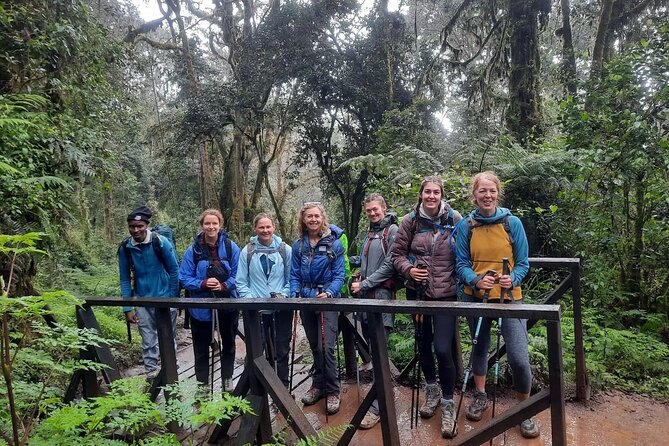
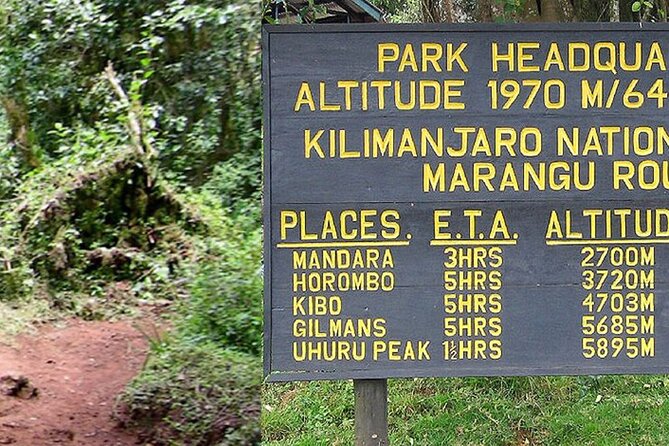
A one-day Kilimanjaro trek is not a shortcut. It is a concentrated intro. You’ll start at Marangu Gate (around 1,860 m / 6,046 ft) and hike up to Mandara Hut (around 2,700 m / 8,858 ft), then turn around and head back to the entry area. That change in altitude happens fast, so this trip is best for people who want the experience of hiking high without needing an entire acclimatization schedule.
For me, the appeal is the mix: rainforest at the bottom, a steadily climbing trail, and that feeling of being on a mountain that’s way bigger than you are. Even without a summit attempt, you still get the rhythm of Kilimanjaro trekking—steady steps, changing vegetation, and the way clouds can roll in and make the trail feel like a foggy tunnel.
Your best mindset? Treat this as a hike with altitude. It can be challenging, but it’s also very doable with a patient pace and good footwear. One day isn’t enough time to become “Kilimanjaro-fit,” but it is enough time to learn how your body responds to elevation and weather.
Morning Pickup, Permits, and the 6:00 am Roll-Out
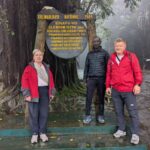
The day starts early—meeting at 6:00 am—and you’ll get picked up from your hotel. From there, you transfer to Kilimanjaro National Park’s eastern entrance, Marangu Gate.
At the gate, you’ll handle the routine climb formalities: registration for climbing permits and registration with the rescue service. This is the part that feels boring on paper but matters in real life. It also sets the expectation: this isn’t a casual walk. Kilimanjaro is managed, monitored, and planned.
You’ll then begin trekking up toward Mandara Hut. The early start helps for one simple reason: the higher part of the trail can turn misty fast, and you want enough daylight for a comfortable pace back down.
If you’re traveling as a family or with mixed fitness levels, private transport and a private group setup can be a big deal. You aren’t negotiating with strangers, and the guide can adjust the rhythm to what your group needs.
Rainforest to Higher Trails: Where Weather Turns the Day
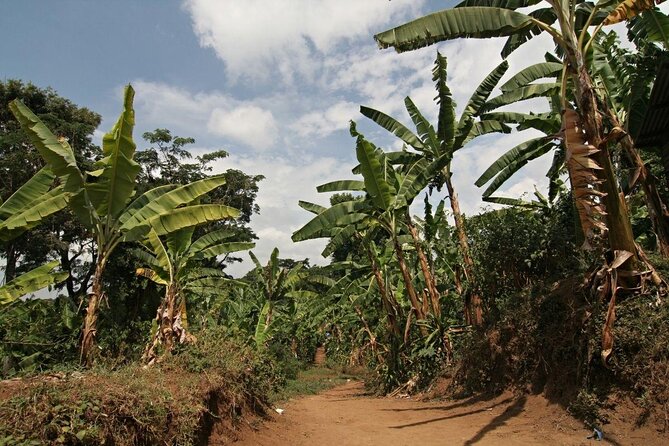
The Marangu Route starts with rainforest conditions, and tropical showers are common enough that you should plan for them. The trail can get damp, slippery, and misty, and that changes how hard it feels. When it rains, you’ll work a little more to keep your footing. When it’s cloudy, visibility drops and the mountain seems to appear and disappear.
This is why I think rain gear is non-negotiable. A light raincoat is the easiest upgrade, especially because the trail stays active the whole time. You’ll want to protect your jacket, your backpack contents, and your phone/camera if you’re the sort of person who likes evidence.
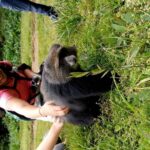
In the feedback from real hikers, the rainforest stretch is often where the day wins hearts. People describe cool, shaded walking and wildlife moments like monkeys (including colobus monkeys) and birds. Animals aren’t guaranteed, but if you pay attention, rainforest trekking is often about those small surprises—movement in the canopy, a quick call, a flash of color.
Midday at Mandara Hut: Lunch-Box Energy and the Crater Option
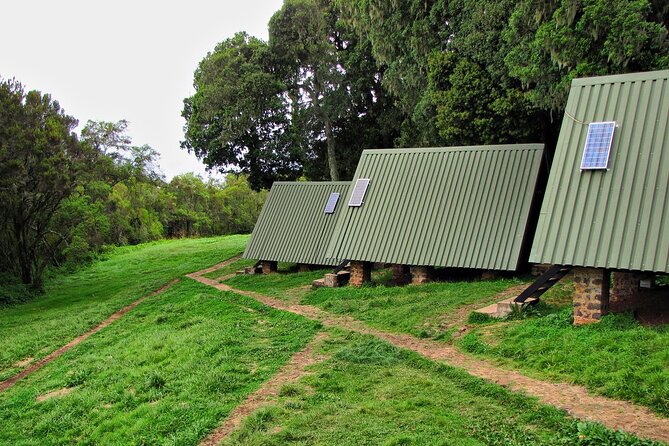
Reaching Mandara Hut is the psychological turning point of this trek. You’ve made the climb from the gate area to a true high-altitude stop, and you get a break that actually fits the day’s structure.
When you arrive, you’ll be provided lunch-boxes. The day also includes bottled water, plus soda/pop and snacks. This matters because one-day high hikes can get tiring fast. Having food organized for you helps you avoid the classic mistake: pushing through without calories, then feeling awful at altitude.
After lunch, you can take a hike to Maundi Crater nearby (an optional add-on). Even if you don’t go far, this kind of side walk is a good way to stretch your legs a bit without turning the day into a second expedition. It also gives you something different from the main climb—views that feel more open than the lower rainforest.
A practical note: treat the crater walk as optional energy, not a must-do checklist item. If you’re tired, staying relaxed at Mandara Hut and taking in the air and clouds can be the better choice. Kilimanjaro rewards patience.
The Pace: Why Guides Matter on a One-Day Hike
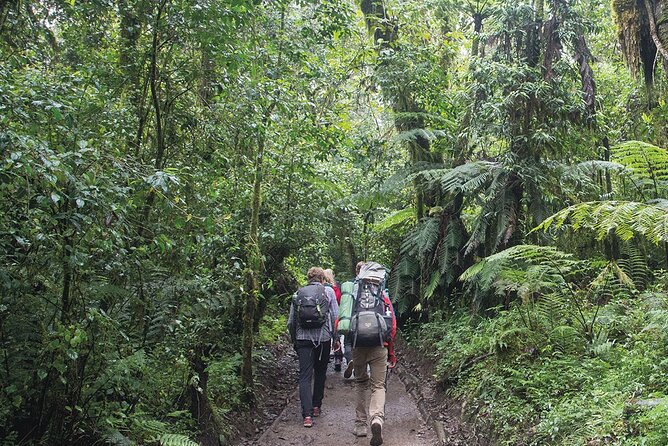
A one-day hike doesn’t leave much margin for stubbornness. If you go too fast early, you’ll pay for it later. The best guides keep you in the workable zone: enough effort to move forward, not so much that you start suffering.
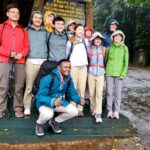
This is where the guide quality shows up clearly in the feedback. Names that repeatedly come up include Johnson, William, Abdi, Ernest, Anthony, John, Ham, Wille, and Jackson. Across those stories, the common theme is supportive guiding—someone setting a pace that matches you and offering encouragement when you feel the climb in your lungs.
For you, that means the day can be less of a fight. You’re not just following a route; you’re being coached on how to hike it. On Kilimanjaro, technique is simple: take smaller steps, keep moving, and don’t gas yourself early.
Also keep in mind the fitness guidance: this trip is described for travelers with moderate physical fitness. That doesn’t mean easy. It means you should be comfortable hiking for hours, coping with uneven ground, and staying calm when rain and mist roll in.
Who This Trip Fits (and Who Should Skip It)
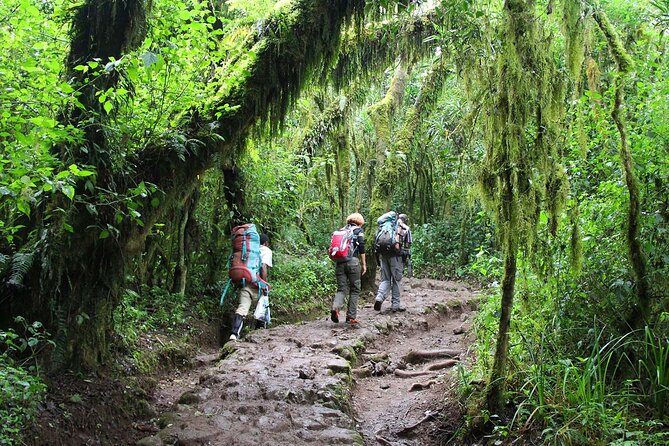
This experience is a great “first contact” with Kilimanjaro. If you’re not ready for a full trekking expedition, this gives you the feel of the mountain: the schedule, the altitude jump, the vegetation changes, the guide support, and the emotional payoff of reaching a high camp and then coming back.
It also makes sense if your holiday is short, or if you’re traveling with children who aren’t ready for a longer hike yet. One day gives you a structured taste without requiring a week of logistics and endurance.
Where it might not fit: if you want a summit story, this is not the route for that goal. It’s also not ideal if you know you’re very altitude-sensitive, because you are still climbing to around 2,700 m within a single day.
Price and Value: Is $265 a Fair Deal?
At $265 per person, this isn’t a budget stroll, but it also isn’t a luxury add-on. The value is in what’s covered and what’s handled for you.
Included:
- Lunch
- Soda/pop
- Bottled water
- Snacks
- All fees and taxes
- Private transportation
- Access/included park-related items (notably listed as admission ticket free)
Not included:
- Visa
- Tips
- International flights
So the real question is: do you want someone else to manage the permits, transport, and meal planning while you focus on hiking? If yes, the price starts looking reasonable. One-day Kilimanjaro experiences can get pricey, but this one spreads the cost across the parts that usually balloon—park access and organized logistics.
There’s also a small demand signal: on average, this is booked about 52 days in advance. That doesn’t mean you must book that early, but it does suggest it’s a popular way to fit Kilimanjaro into a tight itinerary.
What You’ll Notice on the Trail (Beyond the Basics)
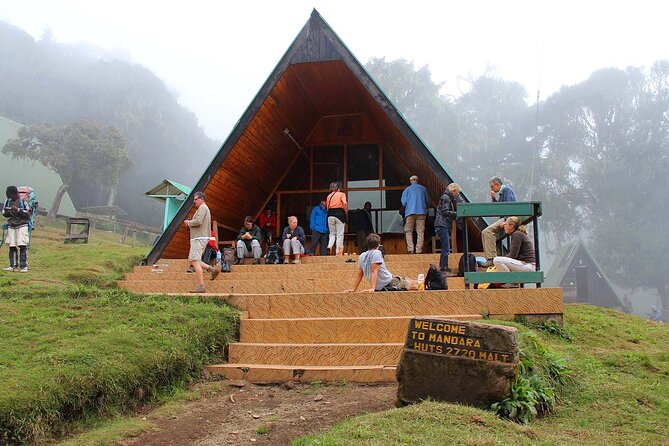
Once you’re hiking, a few details tend to shape the whole experience.
First: the route texture changes as you go up. Rainforest can mean softer ground, while higher sections can feel steeper and more exposed to mist. Even when the trail is marked and managed, the climb asks for steady legs.
Second: the mountain mood is part of the entertainment. Clouds can wrap the trail and turn “panoramic views” into short bursts of visibility. That unpredictability is frustrating if you’re chasing perfect photos, but it’s thrilling if you’re paying attention to the moment.
Third: small wildlife sightings can become the highlight. The rainforest portion is where you’re most likely to spot movement—especially monkeys and birds—so keep your eyes up as well as down.
Packing Smarts for a Rainforest Day on Kilimanjaro
Even with lunch and water handled, you still control your comfort. Pack for wet conditions and changing temperature:
- A raincoat (not just a poncho) so your arms and backpack stay protected.
- Layers you can add/remove as the day shifts from rainforest shade to higher, cooler air.
- Good grip footwear for muddy or slippery patches.
- Sunscreen and a hat, because clouds don’t always block UV.
- A light daypack with essentials you want dry and reachable.
One more tip: keep your pace calm and your expectations realistic. A successful one-day Kilimanjaro trip is rarely about speed. It’s about arriving with your energy still intact.
Should You Book This One-Day Kilimanjaro Taste of Marangu?
If you want Kilimanjaro without committing to a full trekking schedule, this is one of the most sensible ways to start. You get a clear intro to altitude (up to Mandara Hut), a rainforest-to-higher-trail experience, organized food and drinks, and guide support that shows up strongly in feedback. It’s also a smart choice for families or shorter vacations where you need a plan that fits into a normal day.
Skip it if your goal is a summit medal, or if you know altitude quickly knocks you down. Also think twice if weather is a hard deal-breaker for you—this trip does require good weather, and if conditions are poor you’ll be offered a different date or a full refund.
My recommendation: book it if you’re ready for a real hike and you want the mountain experience in a single day. That’s exactly what this trip delivers.
FAQ
Where does the hike start?
The tour starts at Kilimanjaro National Park’s eastern entrance, Marangu Gate, after morning hotel pickup and a quick briefing.
What time do we need to be ready?
The start time is 6:00 am.
How long is the trip?
It’s listed as about 10 hours.
What route is included?
You hike via the Marangu Route up to Mandara Hut and then return toward the entry gate.
What altitude do we reach?
You start at about 1,860 m / 6,046 ft (Marangu Gate) and climb to about 2,700 m / 8,858 ft (Mandara Hut).
What is included in the price?
Included items are lunch, soda/pop, bottled water, snacks, private transportation, and all fees and taxes.
What is not included?
Visa, tips, and international flights are not included.
Is this a private tour?
Yes. It is described as private, meaning only your group participates.
What if the weather is bad?
This experience requires good weather. If it’s canceled due to poor weather, you’ll be offered a different date or a full refund.
What is the cancellation window?
You can cancel for a full refund up to 24 hours before the experience’s start time.