REVIEW · ARUSHA
5 days safari, hiking & culture (Serengeti & kilimanjaro)
Book on Viator →Operated by safari soles tours · Bookable on Viator
A lion isn’t guaranteed, but awe is. This 5-day route packs Tarangire, Ngorongoro Crater, and Serengeti into tight game-drive days, then swaps in culture and a nature break with a Materuni hike and Kikuletwa hot springs. I especially like how the trip is structured around full wildlife sightings, with early starts and long drives that give you real chances at predators. One possible drawback: the days run long (often 9–12 hours), and some nights are spent camping, so it helps to be comfortable with the camping rhythm.
What I also liked is the human side: you’re not just passed from park to park, you get guided spotting and explanations from named guides people credit for finding good positions ahead of crowds. The option to visit a Maasai village adds context beyond photos, and your meals are included and can match dietary needs if you tell them in advance. Consider this: the Maasai village has a separate $20 entrance fee, and there’s no restroom on board, so plan on a bit of flexibility.
In This Review
- Key things I think you’ll care about
- The value question: is $1,950 a fair deal?
- How the trip actually flows: pickup, parks, and long driving days
- Day 1: Tarangire National Park and the first big-animal odds
- Day 2: Ngorongoro viewpoints, Maasai village option, and Serengeti at sunset
- Day 3: Early Seronera drives, animals near camp, and Simba campsite
- Day 4: Descend the crater for black rhino chances and crater-to-camp logistics
- Day 5: Materuni village hike, coffee farms, and Kikuletwa hot springs
- Meals and camping: what’s included and what to expect in real life
- Guides and the spotting game: why named people keep showing up
- Who this safari suits best (and who should adjust expectations)
- Quick take: the best moments to plan for
- Should you book Safari Soles’ 5-day Safari, Hiking & Culture route?
- FAQ
- What time does the safari start?
- Where does pickup happen?
- What’s included in the price?
- Are meals included, and can they handle dietary needs?
- Is the Maasai village visit included?
- What do you do in Kilimanjaro National Park on day 5?
- Is admission included for the parks and crater sights?
- Is there a restroom on board during the drives?
- What is the cancellation policy?
Key things I think you’ll care about
- Big-park pairing: Tarangire + Serengeti + Ngorongoro Crater in 5 days
- Crater advantage for rhinos: the schedule is built around spotting the black rhino
- Sunset game drive time: you get an evening push in Serengeti, not just daylight drives
- Camping setup included: camping gear comes with the price, plus included meals
- Culture add-on is optional: Maasai village visit with a separate entrance fee
The value question: is $1,950 a fair deal?
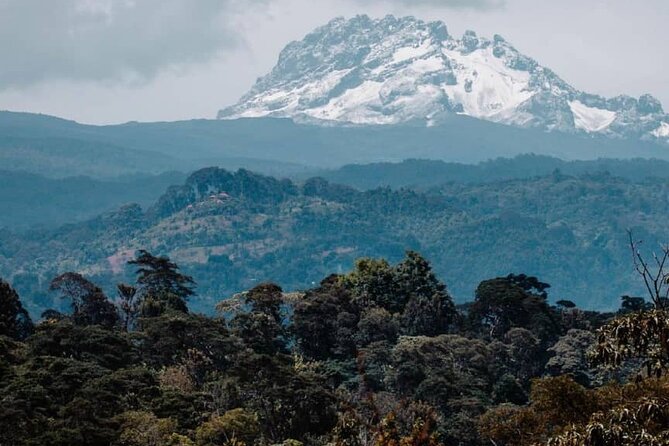
At $1,950 per person, this safari isn’t trying to be the cheapest option. It tries to be the most “on-rails” experience you can book in northern Tanzania: park fees and taxes are handled, camping gear is included, and meals are included across most of the trip. In practice, that matters because you spend less mental energy tracking small costs and more time watching animals.
It also helps that the itinerary is built around three major ecosystems. Tarangire is known for wildlife density and big-animal sighting chances, Ngorongoro Crater is a natural viewing bowl, and Serengeti is where you stretch out into longer wildlife rhythm. If you come with one goal, it’s likely you’ll leave with more than that one goal.
The trade-off is time and effort. You’re doing early mornings, long drives, and game drives that take priority over rushing back for comfort breaks. If that sounds exhausting, this may not be your style. If you like “full days, best odds,” you’ll probably feel like you got your money’s worth.
How the trip actually flows: pickup, parks, and long driving days

Your day starts at 7:30 am, with pickup offered from Arusha or Moshi depending on where you’re staying. This matters because you’re not arriving to the park gate on your own schedule; you’re starting the animal-hunt while the day is still fresh.
The route is paced with multiple long transit stretches. Even with that, the program tries to protect your time by moving you into the parks early enough to do meaningful drives. You’ll also get binoculars included, which is a small detail that really pays off when you’re trying to spot a distant cat or read animal behavior.
Two practical notes. First, the tour data says there’s no restroom on board, so don’t count on easy bathroom stops during drives. Second, the package includes camping equipment, which reduces the packing burden, but you should still bring your own personal basics (like swimwear, a torch/headlamp if you use one, and layers).
Day 1: Tarangire National Park and the first big-animal odds
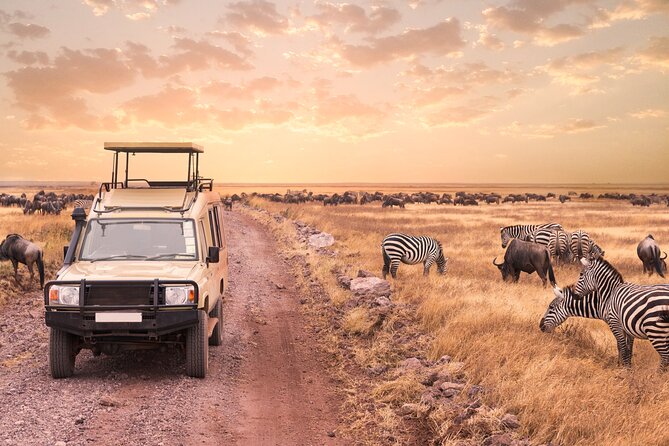
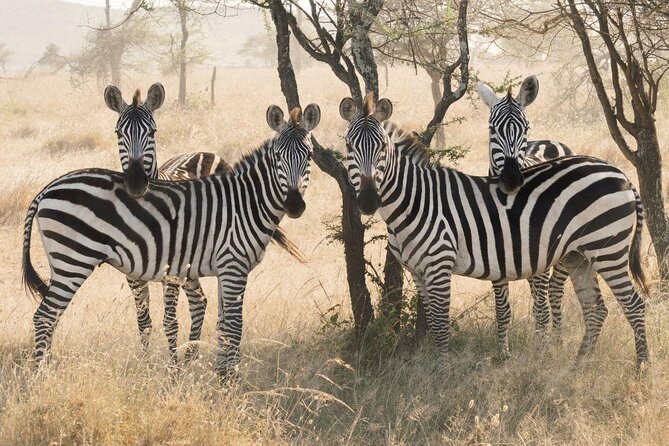
Day 1 starts with a drive from Arusha or Moshi to Tarangire National Park (about a 2-hour transfer). Then you’re straight into a game drive geared toward high-likelihood sightings: lions, cheetahs, and leopards are specifically on the radar, along with elephants, wildebeest, buffaloes, zebras, and gazelles.
Tarangire is a great warm-up park because you can rack up multiple species quickly without needing “perfect conditions.” For many people, this is the day where the whole safari feeling clicks: you stop thinking about lists and start noticing behavior, like how herds react to predators, or how different species use water and shade.
The ending is an evening move to your accommodation. That matters because you need your energy for the next day’s crater and Serengeti timing. If you tend to get tired fast, treat day 1 as your reset day even though it’s full.
Day 2: Ngorongoro viewpoints, Maasai village option, and Serengeti at sunset
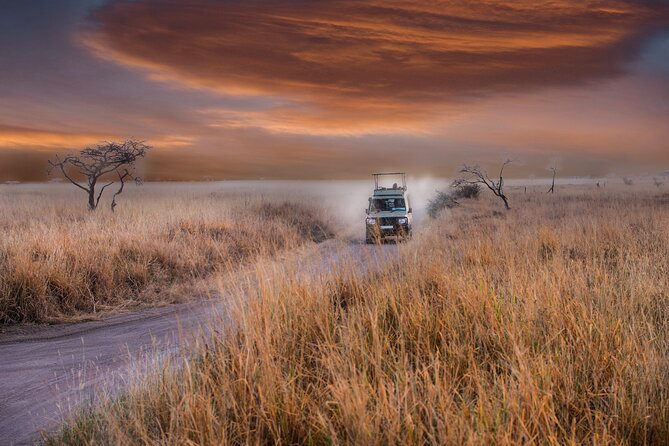
Day 2 is the big emotional hinge of the trip: you go from crater magic to Serengeti glow, with an optional culture stop between.
First comes the Ngorongoro Crater viewpoint for a short stop (about 30 minutes). The point here is the scale. A crater changes how you understand the land because it acts like a huge amphitheater for wildlife, and the views are surreal in a way that makes you sit still and stare for longer than you planned.
Next is the optional Maasai village visit (about 45 minutes). The stated focus is learning about nomadic life and traditions. It also notes a few traditions that are largely in the past, with one exception mentioned around drinking animal blood; you’re also told these practices are reduced today. Go in with respectful curiosity and remember this isn’t a museum stop, it’s a people-and-living-culture interaction.
Then you head into Serengeti National Park, arriving in the afternoon and doing a game drive in Seronera into late evening. The itinerary highlights the sunset experience and the chance of seeing a predator hunt or a kill. Even if you miss a dramatic kill, Serengeti evening light often changes how animals show up, and you may still find activity around the areas you drive through.
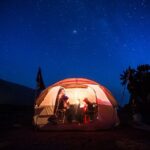
That night, you sleep at Seronera camp site, and the data notes you can often view animals from camp, mostly hyenas. The itinerary also says you get close protection from active rangers, which is important in camp planning and night comfort.
Day 3: Early Seronera drives, animals near camp, and Simba campsite
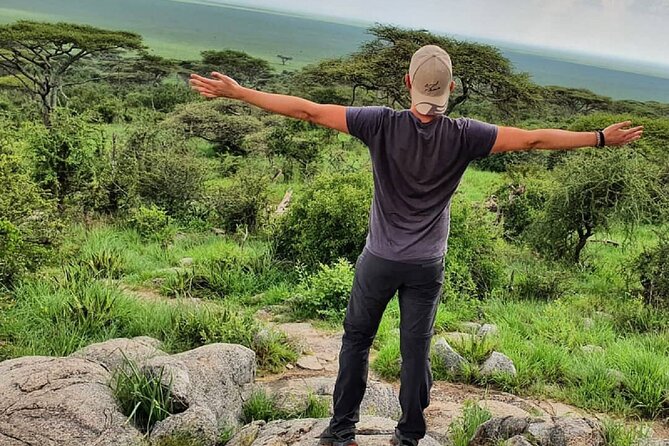
Day 3 starts with early breakfast and then another run of early game drive time. The goal is simple: early movement often means more animal activity and better spotting odds. You keep driving through the morning and early afternoon, then you switch focus toward your next camp base.
After lunch, you do more game driving while you exit Serengeti, and the day ends with a move to Simba campsite. One practical thing here: the information says animals can be spotted on the campsites. That’s a safari thrill, but it also means you should keep camp behavior sensible, follow ranger guidance, and don’t treat the campsite like a hotel lawn.
This day is also where the safari starts to feel like a rhythm rather than a series of random sightings. If you’re paying attention, you’ll start noticing patterns: where animals congregate, which directions they’re moving, and how predators use the same terrain you do, only faster.
Day 4: Descend the crater for black rhino chances and crater-to-camp logistics
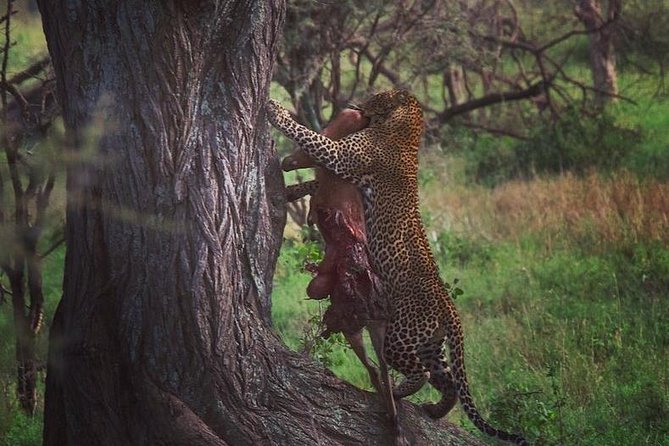
Day 4 is the one day you can’t rush mentally. You’re back at Ngorongoro Crater in the morning and you descend with the aim of spotting the black rhino. The itinerary flags black rhino as the hardest to see, even in a place full of animals, because many species are easier to spot from the crater floor while rhinos can be trickier.
This is also where a good guide makes a difference. In the provided tour data, multiple guide names are highlighted for positioning vehicles well ahead of crowds and helping guests get close enough for decent photos. While you can’t know which guide you’ll get, you can safely infer that the company places attention on how you enter the viewing zones and where you stop.
After lunch, you do a game drive and then you ascend the crater to camp and pack for the trip back toward Arusha town. The “pack and move” part is practical: it helps to keep your kit organized the night before so you’re not digging through bags during a long day.
Day 5: Materuni village hike, coffee farms, and Kikuletwa hot springs
On day 5 you shift gears from wildlife to people and plants, then finish with relaxation.
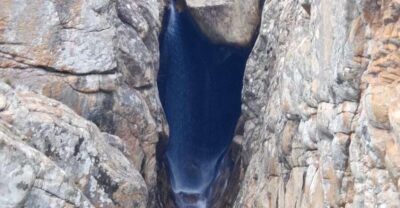
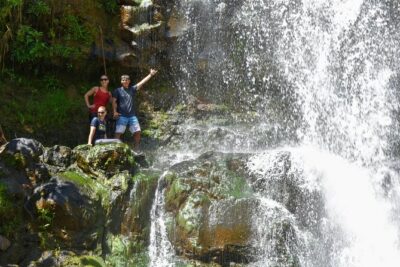
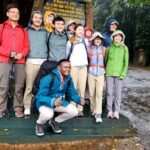
You’re picked up and driven to the Materuni village area in the Kilimanjaro National Park zone. Then you hike to Materuni waterfalls, with a stated hike duration of about 2 hours 40 minutes. This is a nice change of pace after several days of sitting in a safari vehicle, and it’s also a good “stretch your legs” day if you don’t want a true mountaineering schedule.
After the waterfall hike, you visit local coffee farms where you learn how coffee is planted and processed. You also get to make your own cup of coffee, which is one of those small inclusions that turns into a good souvenir because you understand what you’re drinking.
Finally, you head to Kikuletwa hot springs. The itinerary says you’ll swim and relax before heading back to the hotel in the evening. This last-day soak is exactly what your body asks for after long drives and early mornings. Even if you don’t swim much, just being in warm water after a hiking day feels like a reset.
Meals and camping: what’s included and what to expect in real life
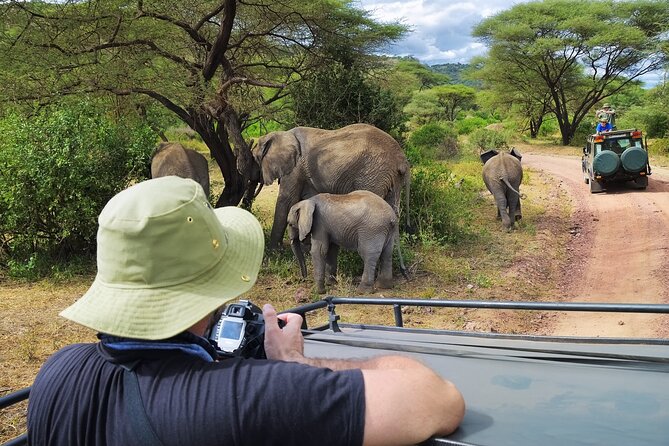
This safari includes all meals throughout the route, and the data says the catering can match dietary requirements if you communicate them in advance. That’s a big deal on long multi-day safaris, because food delays can throw off your energy. It also reduces stress for you, since you’re not hunting for meals between parks.
Camping equipment is included. That means you aren’t carrying the big bulk gear, but you should still think about personal comfort. Bring layers for cooler early mornings, and consider what you’ll need for sitting outside during game drives.
Dinner counts are included for four dinners, lunches for five lunches, and breakfast for four breakfasts based on the provided structure. If you have any dietary restrictions, tell the operator as soon as you book so they can adjust.
One “small but important” logistics note: the tour data says there’s no restroom on board. In real terms, that means your timing depends on safari rhythm and road breaks. Plan ahead, stay flexible, and treat stops like part of the day, not interruptions.
Guides and the spotting game: why named people keep showing up
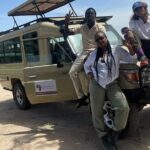
One repeated theme in the tour data is that the guide experience really matters. Specific names that show up include Innocent, Cheddy (also spelled in different ways), Lucas, Omar, Lewis, and Chadi, along with other team members mentioned for organization.
What you should take from that is this: it’s not only about driving, it’s about positioning. The data includes examples of guides getting vehicles to spots ahead of crowds, which helps your chances at seeing animal behavior instead of staring from the back of a line.
If you want better sightings, come ready with questions. Ask about tracks, signs, or why you’re stopping where you are. Guides who can explain how to read the bush make the whole safari feel more meaningful, not just exciting.
Who this safari suits best (and who should adjust expectations)
This trip fits you best if you want a big-park sampler with strong wildlife odds and you’re okay with long, packed days. It’s also a good fit if you like a mix of wildlife and culture, since the Maasai village option and the coffee farm stop are part of the structure.
You might want to look elsewhere if you need a very relaxed schedule. The drive time and game-drive time combine into long days. Also, because you’re camping, you should be comfortable sleeping outdoors (even with equipment provided).
As for the Kilimanjaro part: you’re in the Kilimanjaro National Park region for the Materuni waterfalls hike, plus coffee farms and hot springs. If your dream is a summit-style climb, this isn’t that type of trip based on the hike duration and the day’s pacing. Think of it as a Kilimanjaro-region nature day with local experiences, then recovery in hot springs.
Quick take: the best moments to plan for
If you’re trying to optimize your own expectations, these are the “anchor moments” to watch for.
- Ngorongoro viewpoint: crater scale hits fast, and it sets the tone for the animal viewing inside.
- Serengeti sunset drive: this is where evening energy can turn into a dramatic sighting.
- Black rhino focus: you’re told it’s hardest to spot, so don’t make it the only measure of success, but do take it seriously.
- Kikuletwa hot springs: the trip ends with physical recovery, not just another drive.
- Maasai village option: you get a culture add-on that you can skip if you’d rather stay focused on wildlife.
Should you book Safari Soles’ 5-day Safari, Hiking & Culture route?
I’d book it if you want a single trip that covers Tarangire + Serengeti + Ngorongoro and still gives you a nature hike and a cultural stop. The value looks strongest if you appreciate included park fees, included meals, and included camping gear, because those remove a lot of guesswork.
I’d hesitate only if you’re sensitive to long travel days, aren’t comfortable with camping nights, or need restroom access on the vehicle. The optional Maasai village entrance fee is small, but it’s still extra cost you should expect.
If your priority is animals and the chance to see the full range of Tanzania’s wildlife in a short time, this is a solid, practical choice. If your priority is slow travel and minimal driving, you may find it too packed.
FAQ
What time does the safari start?
The start time is 7:30 am.
Where does pickup happen?
Pickup is offered from hotels in Arusha/Moshi, based on where you’re staying.
What’s included in the price?
The tour data lists all fees and taxes, camping equipment, binoculars, and meals (breakfast, lunch, and dinner across the days shown).
Are meals included, and can they handle dietary needs?
Yes. All meals are included throughout the safari, and the catering can match dietary requirements if communicated in advance.
Is the Maasai village visit included?
It’s optional. The itinerary notes an entrance fee of $20 for the Maasai village, and that fee is not included.
What do you do in Kilimanjaro National Park on day 5?
You hike to the Materuni waterfalls (about 2 hours 40 minutes), then visit local coffee farms to learn processing and make your own coffee. You finish with a relaxing swim at Kikuletwa hot springs.
Is admission included for the parks and crater sights?
Admission details vary by stop. Tarangire is listed as free, Ngorongoro viewpoint is included, Serengeti is free, Maasai village is not included, and the Ngorongoro crater and Kilimanjaro day are listed as included/free per the stop notes.
Is there a restroom on board during the drives?
No. The tour data lists restroom on board as not included.
What is the cancellation policy?
Cancellation is free up to 24 hours in advance for a full refund. The policy also notes that the experience requires good weather and a minimum number of travelers, and you’ll be offered a different date or a full refund if it’s canceled due to those reasons.