REVIEW · CANMORE
Canmore: Lost Towns and Untold Stories Hiking Tour – 3hrs
Book on Viator →Operated by Banff & Canmore Tours · Bookable on Viator
Lost mining towns, up close. This Canmore hiking tour blends Kananaskis Country history with an on-the-ground walk along overgrown wagon roads and the kind of stories you remember long after your boots dry.
What I like most is the small-group feel on the trail (you’ll hike in a group of no more than six) and the way the guide ties the place to real-world details—trees, animal traces, and remnants left behind when the towns emptied out. You’ll also get a steady rhythm of breaks, views, and short steep sections that don’t drag on forever.
One thing to consider: the route isn’t for everyone. It’s not suitable for people with mobility issues, back problems, recent surgeries, serious medical conditions, or pregnancy (and it’s not designed for kids under 8).
In This Review
- Quick highlights you’ll feel on this Canmore hike
- Lost Towns in 3 hours: why this tour feels doable
- Where you start in Canmore (and how that shapes your plan)
- Kananaskis Country: the first stretch of stories and clues
- Overgrown wagon roads and lost mining towns: the main event
- Wildlife on the trail: bears, animal signs, and respectful distance
- Gear, footwear, and the small stuff that changes everything
- Guides make the difference: Jacob, Ben, and the storytelling style
- Price and value at $66.60: what you’re really paying for
- Pace, terrain, and who this hike is best for
- Weather and flexibility: planning your afternoon in the Rockies
- Should you book Canmore: Lost Towns and Untold Stories?
- FAQ
- How long is the Canmore Lost Towns and Untold Stories Hiking Tour?
- Where does the tour start and end?
- What’s included in the price?
- Is bottled water or snacks included?
- Is the tour suitable for kids and for mobility/back issues?
- Are service animals allowed, and how big is the group?
Quick highlights you’ll feel on this Canmore hike
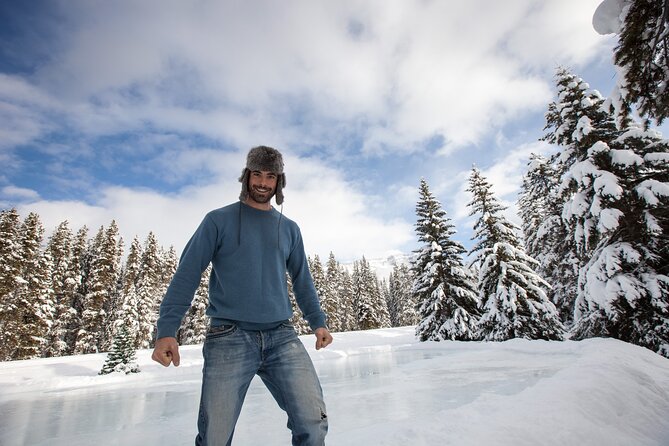
- Small groups on the trail: no more than six hiking together, with a max of 12 travelers overall
- History you can point at: overgrown wagon roads and physical remnants of early mining days
- Wildlife awareness built in: keep an eye out for bears and other local animals
- Park pass fees included: one less cost to plan for
- Helpful gear available: hiking poles on request and ice cleats when required
- Professional certified guide: guides like Jacob and Ben bring the area to life
Lost Towns in 3 hours: why this tour feels doable
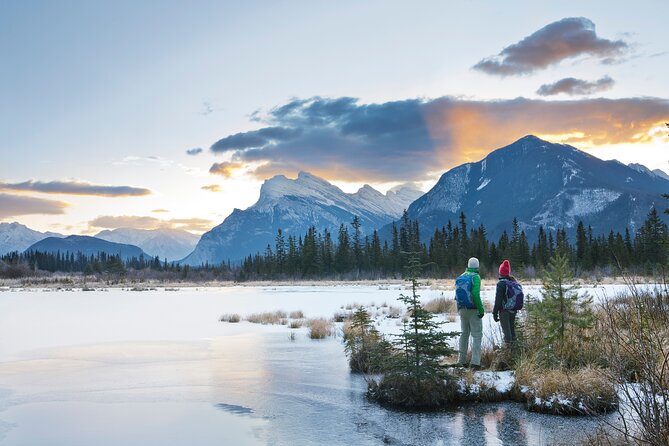
A 3-hour hike in the Canadian Rockies can sound like a lot until you realize the structure is built for real life: walk, stop, look, learn, breathe, repeat. The whole point is a satisfying afternoon without turning into an all-day endurance event.
You’re also not buried in a huge crowd. The tour runs as a small hike group of no more than six, which makes it easier to ask questions, hear the guide clearly, and move at a pace that works for more than one type of traveler.
And because the tour includes park pass fees, you don’t need to mentally add an extra line item just to access the trail area. That matters for value, especially when you’re spending most of your time outdoors anyway.
Where you start in Canmore (and how that shapes your plan)
You meet at the Canmore Recreation Centre, 1900 8 Ave, Canmore, AB T1W 1Y2. The tour ends back at the same meeting point, so you’re not left figuring out a second transportation puzzle.
It’s also listed as near public transportation, which helps if you’re avoiding parking headaches or traveling without a car. Even if you do have a car, that location is convenient for grabbing layers, a quick snack, or a drink before you head out.
One practical tip: since bottled water and snacks are not included, plan your own. I’d rather you show up with a small refillable bottle and a light snack than rely on finding something last minute in town. A hike this length feels good when you’re not stressed about fuel.
Kananaskis Country: the first stretch of stories and clues
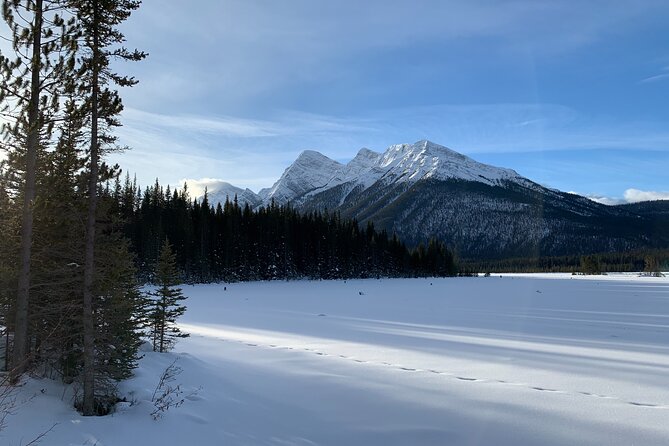
Your first stop is in Kananaskis Country, and this part sets the tone. Instead of just walking from point A to point B, the guide helps you notice what’s around you—especially plant life and the signs of animal activity.
From what you’ll hear along the trail, the guide doesn’t treat history like a textbook. It’s more like: look at this, notice that, then connect it to how people lived and moved through the area in the early 1900s. That approach is what makes the stories stick.
You may also get a sense of the terrain as you move—where the trail feels steeper for a moment, where breaks make sense, and how the route likely followed older travel lines. Guides such as Jacob and Ben are known for making that connection clear in plain language, not complicated jargon.
Overgrown wagon roads and lost mining towns: the main event
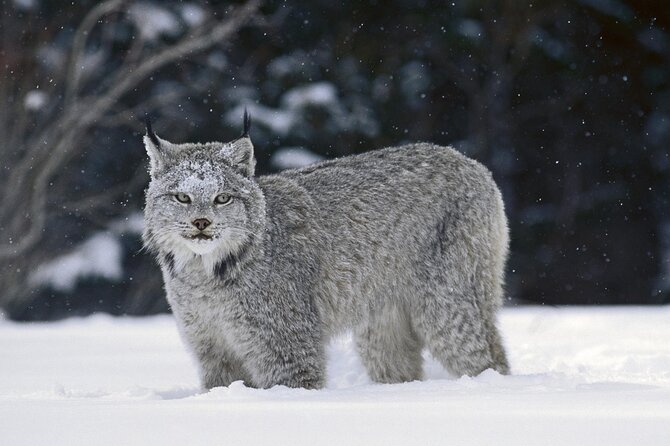
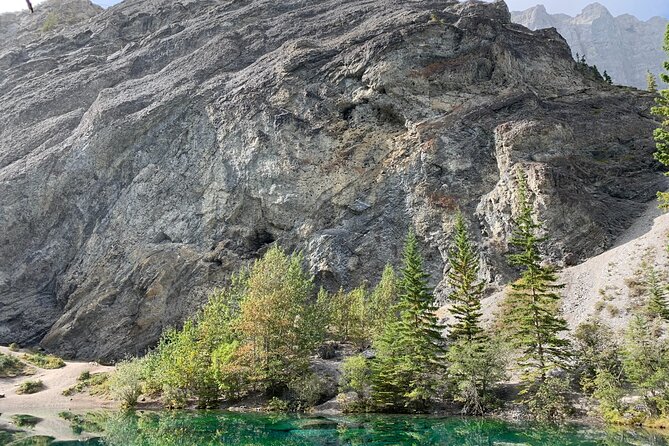
The heart of this hike is the descent along overgrown wagon roads leading toward lost mining towns. The “lost” part isn’t just dramatic marketing—it’s the physical experience of seeing remnants in an environment that has reclaimed them.
You’ll be walking through a stretch where the guide points out traces and discarded pieces tied to when townsfolk left. That turns the hike into more than exercise. You’re actively reading the ground as you go.
Here’s the practical reality: the trail includes steep areas. The good news is that they tend to be short, and the group can pause. One of the best parts of the experience is that the guide keeps the pace human—stopping when people need it and giving you time to catch your breath while you take in the views.
Wildlife on the trail: bears, animal signs, and respectful distance
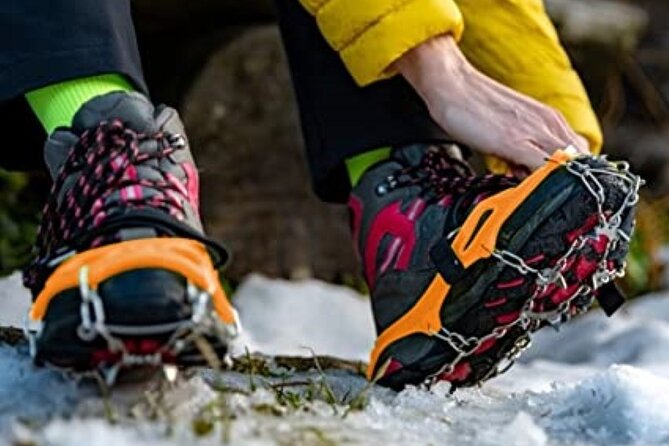
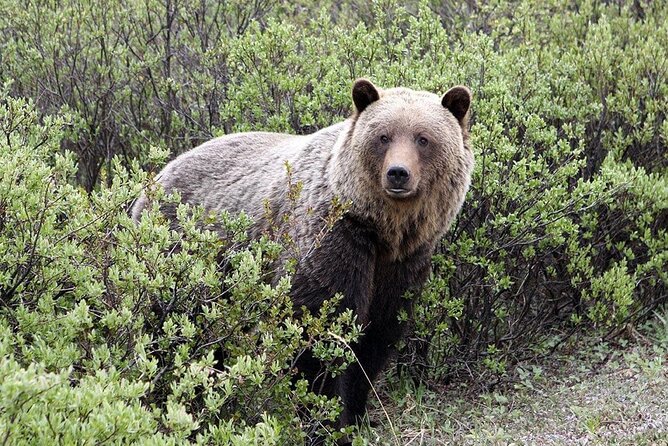
The tour emphasizes watching for bears and local wildlife, and that focus is worth taking seriously. This is not a “big spotlight, no rules” kind of hike. It’s a trail walk where your job is to stay calm, observe, and keep space.
Even if you never see a bear directly, you might notice signs—game animals along the way, and evidence like bear scat. Seeing that kind of trace is a reminder that you’re hiking in real habitat, not a themed park.
The good side of going with a guide is you learn what to do in the moment: stay with the group, keep noise reasonable, and don’t rush toward wildlife. On this type of hike, that attitude protects both you and the animals.
Gear, footwear, and the small stuff that changes everything
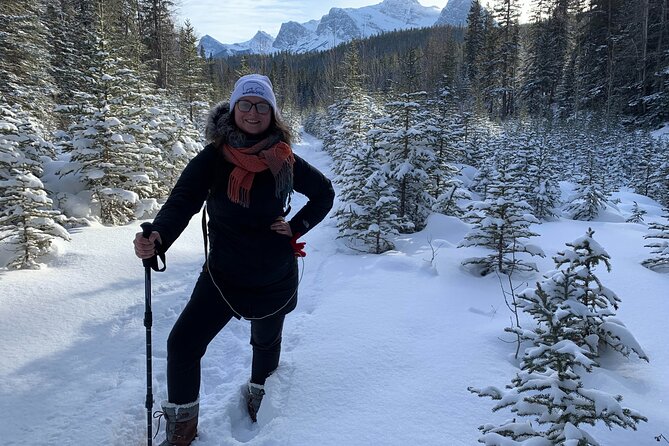
Included gear is part of why this tour is easy to join without over-prepping. You can get hiking poles (upon request), and you’ll get ice cleats if they’re required. That’s a big deal in Alberta when conditions can shift fast.
What’s not included is bottled water and snacks, so bring your own. I also suggest dressing for temperature changes. Mountain weather likes to change its mind, and being too warm on a short climb is as annoying as being underdressed for a cooler stretch.
For footwear, think grip and stability. Since the route includes steep sections, you want shoes that handle uneven ground. If the guide decides ice cleats are needed, you’ll be glad you came prepared rather than improvising.
Guides make the difference: Jacob, Ben, and the storytelling style
This tour is led by a professional certified guide, and the guide quality shows up in how the hike feels. The strongest feedback you’ll hear revolves around friendly, flexible interpretation of the area—history, plants, and animal traces woven into what you can see right now.
Jacob and Ben show up as guide names you might be assigned. Either way, the approach tends to be the same: explain what matters, point out what you’d otherwise miss, and keep stopping long enough for everyone to take it in.
If you love “small discoveries”—like identifying a plant detail or spotting a physical remnant—this is the kind of hike where those moments get time.
Price and value at $66.60: what you’re really paying for
At $66.60 per person for about 3 hours, this sits in a fair middle range for a guided hike in the Canmore area. The value isn’t only the guide. It’s also what’s folded in and what’s not.
What’s included:
- Professional certified guide
- Park pass fees included
- Hiking poles on request
- Ice cleats when required
What’s not included:
- Bottled water
- Snacks
The real bargain aspect is the combination of a small hiking group (no more than six) and the park access handled for you. If you were paying for park entry separately and then booking a guide with larger groups, the math changes quickly. Here, you’re paying for a tight, guided, story-focused hike without extra surprise costs.
Pace, terrain, and who this hike is best for
This is labeled as not suitable for certain travelers: people with mobility issues, back problems, recent surgeries, or serious medical conditions. Pregnancy is also listed as a reason to refrain. And it’s not designed for children under 8.
Even if you’re generally fit, be honest with yourself about steep sections. You’ll get short pauses, and you’re hiking in a small group, but it’s still a hike with climb and descent.
Where this tour shines is for people who want:
- a guided history walk
- a moderate time commitment (about 3 hours)
- a chance to meet others without feeling packed in
- wildlife awareness as part of the experience
Solo travelers often enjoy small-group formats because it’s social in a relaxed way—there’s conversation, but you’re still focused on the hike.
Weather and flexibility: planning your afternoon in the Rockies
This experience requires good weather. That matters because rain, snow, or poor visibility can change conditions on the trail. If it’s canceled due to poor weather, you’ll be offered a different date or a full refund.
So plan for an afternoon that’s movable. If you’re in Canmore with other outdoor plans, keep some flexibility. And when conditions are right, this tour is exactly the kind of outing that turns a half-day into a story you’ll talk about later.
Should you book Canmore: Lost Towns and Untold Stories?
I’d book it if you want a guided hike that mixes Canadian Rockies history with hands-on trail observation—wagon roads, abandoned mining remnants, and the kind of wildlife awareness that keeps you respectful and safe. The small group size is a big plus, and the included park access makes it easier to say yes.
Skip it if you need a flatter walk or if your health situation matches the listed restrictions (mobility, back issues, recent surgery, serious medical conditions, pregnancy, or kids under 8). And if you don’t want to deal with steep moments at all, you might choose a gentler option instead.
For many travelers, this is a sweet spot: short enough for an afternoon, guided enough to feel meaningful, and small enough that you don’t lose the story in the crowd.
FAQ
How long is the Canmore Lost Towns and Untold Stories Hiking Tour?
It’s about 3 hours.
Where does the tour start and end?
It starts at the Canmore Recreation Centre, 1900 8 Ave, Canmore, AB T1W 1Y2, and ends back at the same meeting point.
What’s included in the price?
Included items are a professional certified guide, park pass fees, hiking poles upon request, and ice cleats when required.
Is bottled water or snacks included?
No. Bottled water and snacks are not included, so you’ll want to bring your own.
Is the tour suitable for kids and for mobility/back issues?
The tour is not designed for children under 8. It’s also not suitable for individuals with mobility issues, back problems, recent surgeries, or serious medical conditions.
Are service animals allowed, and how big is the group?
Service animals are welcome. You’ll hike with a group of no more than six, and the tour has a maximum of 12 travelers.