REVIEW · KATHMANDU
Kathmandu: Dhulikhel to NamoBuddha Day Hike with Lunch
Book on GetYourGuide →Operated by Cordial Trek Pvt. Ltd. · Bookable on GetYourGuide
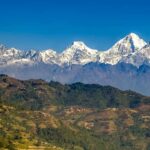
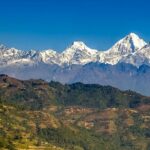
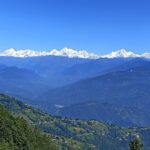
A thousand steps and a tiger story. This Dhulikhel to Namobuddha hike pairs Himalaya views with a Buddhist legend you’ll actually remember. You also get guided stops through farmland and village life before reaching the monastery.
I especially love the way the route is paced for real people. On clear days, the mountain vistas show up again and again, and guides (like Pratip, Nilakantha Acharya, and Raj Tamang) are repeatedly praised for encouraging the climb at a comfortable speed. I also like that lunch is built in—either a Nepali thali set or momo—so you’re not scrambling for food after the ascent.
One thing to plan for: it includes a steep climb described as a thousand steps, and at higher heat it can feel tougher than you expect. If you’re short on stamina, bring your patience and take extra water breaks.
In This Review
- Key takeaways before you go
- Dhulikhel Start: Scenic Drive, a Short Break, and Zipline Options
- Hiking the Thousand Steps to Namobuddha: What the Climb Actually Feels Like
- Kali Temple, Kavre Bhanjyang, and the Village Farming You’ll Remember
- Thrangu Tashi Yangtse Monastery at Namobuddha: The Tiger Legend That Gives Meaning
- Lunch, Timing, and the Guide-Driven Difference
- Day Trip vs Overnight Serenity: Seeing the Monastery in Two Tempos
- Price and Value at Around $4.66: What You’re Getting for Your Money
- Who This Hike Fits Best (and Who Should Skip It)
- Should You Book the Dhulikhel to Namobuddha Day Hike?
Key takeaways before you go
- Dhulikhel start + optional zipline: you may add a 30-minute zipline stop in Dhulikhel.
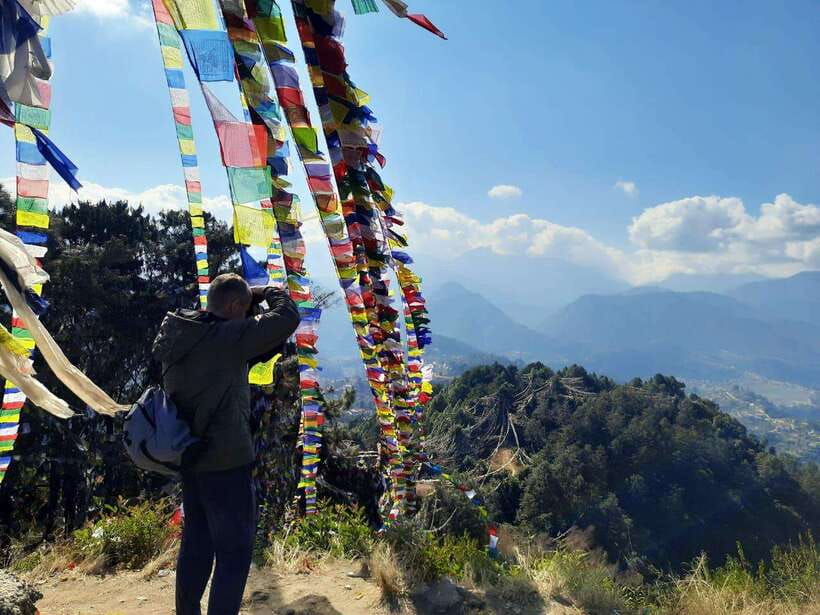
- 3 hours of hiking, not a stroll: expect stops for photos and viewpoints.
- Monastery guided tour: you’ll get context at Thrangu Tashi Yangtse Monastery at Namobuddha.
- Legend that explains the place: the prince Mahasattva story (Ngingdui Tshenpo) gives meaning to the visit.
- Day trip or overnight: overnight options let you see the monastery at different times of day.
- Strong driver marks: several guides get shout-outs, and the ride is noted as smooth even on difficult roads.
Dhulikhel Start: Scenic Drive, a Short Break, and Zipline Options
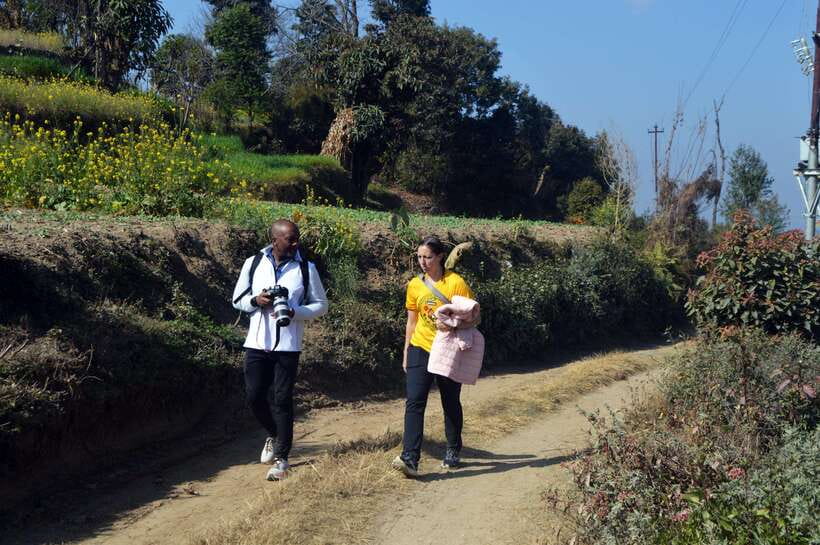
Most people begin this trip from Thamel in Kathmandu, then get a scenic ride out toward Dhulikhel. The transfer is part of the appeal. You’re moving from city traffic to hill views, and by the time you arrive, the day already feels lighter.
In Dhulikhel, the schedule starts with a quick visit—just enough time to settle in and orient yourself. If you select the optional add-on, you can also fit in the Dhulikhel zipline (about 30 minutes). That means you can balance the later hike with something fun and adrenaline-friendly. The fact that the zipline is an add-on is also useful: you can skip it if you want to save energy for the climb.
Practical note: even though this is billed as a hike, the day is still a mix of drive time and short stops. So I like it for people who want “out of the valley” energy without committing to a multi-day trek.
A few more Kathmandu tours and experiences worth a look
Hiking the Thousand Steps to Namobuddha: What the Climb Actually Feels Like
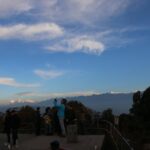
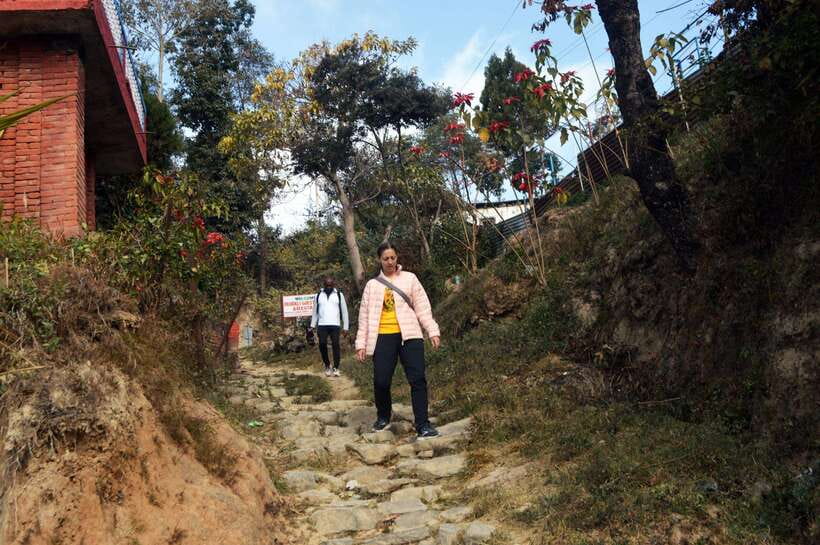
From Dhulikhel, the hike to Namobuddha is the core of the day. Plan on roughly 3 hours of hiking, with extra time built in for viewpoints and photos. One helpful detail from recent experiences: the hike is often described as relatively manageable, but it can feel harder in hot weather.
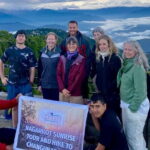
The trail is known for a steep ascent—described as a thousand steps—so your strategy matters more than your fitness level. What helps most is having a guide who encourages you to go at your pace. In multiple accounts, guides like Pratip Tamang and Prakash are praised for keeping the climb comfortable and for stopping when people need a breather.
What you’ll want to bring:
- Comfortable shoes you can trust on uneven steps
- Comfortable clothes for heat and sun
- A camera, because the views keep pulling you upward
- Cash, in case you want snacks or small purchases along the way
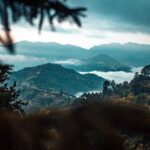
Also, you’ll be walking through village-country rather than a single scenic ledge. That’s good news. The scenery changes often, and the effort doesn’t feel like it’s being “suffered” the whole time.
Kali Temple, Kavre Bhanjyang, and the Village Farming You’ll Remember
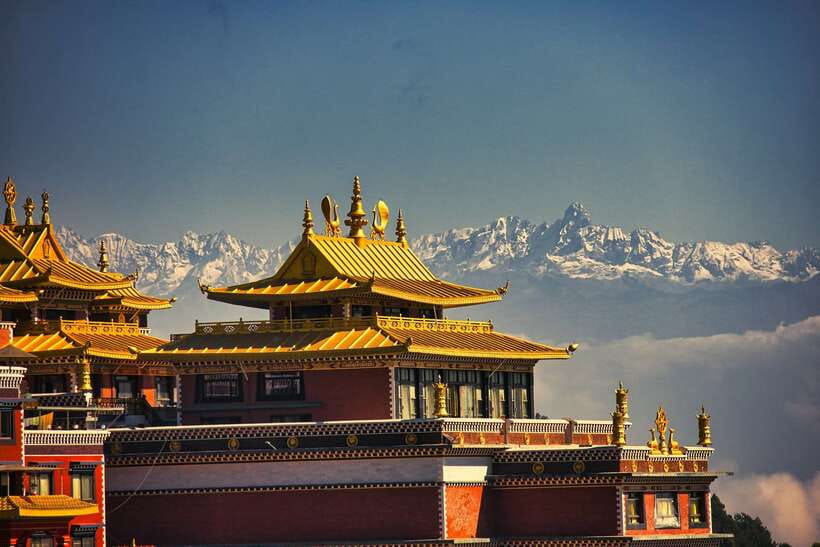
This route isn’t only about the end point. You pass real-world landmarks—like a sacred Kali Temple—and you hike through areas referred to as Kavre Bhanjyang.
The most rewarding part for me is that the hike is also a cultural walk. You’re not just moving through wilderness; you’re passing working farmland and living neighborhoods. The experience is described as a chance to re-discover local culture, farming, and Newari lifestyle along the way.
Why that matters: it changes how you experience the climb. Instead of thinking only about elevation gain, you start noticing how people live near the trail—how fields are managed, how daily routines fit into the landscape, and how the community relates to the religious sites along the path. Even if you’re just passing through for a few hours, it gives the day a sense of purpose.
And if you care about explanations, guides tend to add layer upon layer. Several guide names pop up in strong feedback—Rupak is mentioned for taking people through small roads and villages, while Raj Tamang is praised for mixing mountain context with practical insight and conversation. That’s the difference between seeing Nepal and understanding what you’re seeing.
Thrangu Tashi Yangtse Monastery at Namobuddha: The Tiger Legend That Gives Meaning
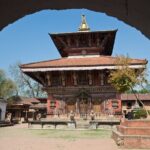
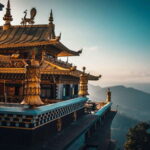
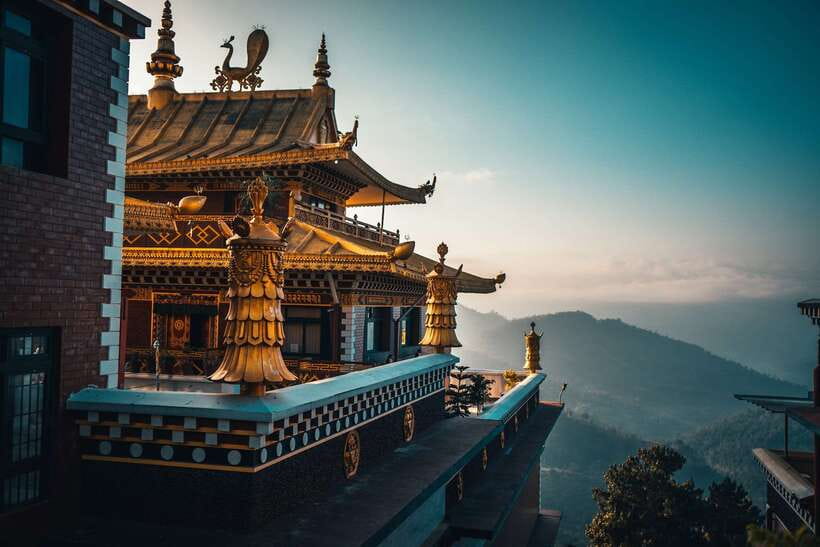
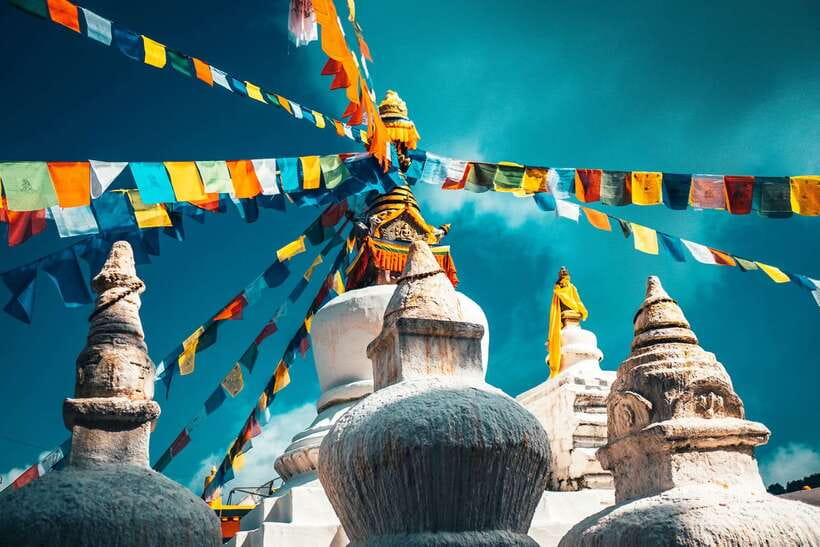
When you reach Namobuddha, the tour shifts from hiking focus to spiritual focus. The guided visit is about 1 hour, and it centers on Thrangu Tashi Yangtse Monastery, a Tibetan Buddhist monastery perched on a hill.
Here’s the key story they’ll share, and it’s not a vague legend. It’s the reason Namobuddha matters:
- Around 6,000 years ago, Prince Mahasattva (also referred to as Ngingdui Tshenpo) was said to be observing a jungle scene from this spot.
- He encountered a starving tigress with her five cubs.
- Instead of walking away, he offered his own life—cutting his body so she could drink his warm blood.
- The mother tigress regained strength, and the cubs survived.
That compassion story is treated as central to why the monastery exists and why people visit. Even if you’re not a Buddhism deep-dive person, it makes your visit feel intentional. You’re not just checking off a religious stop—you’re arriving with a narrative.
One extra practical detail that comes up in experiences: inside photos may not be allowed, so don’t count on shooting everything once you’re inside. I’d still bring your camera for the exterior viewpoints and surrounding areas.
Lunch, Timing, and the Guide-Driven Difference
Lunch is included, which is a big deal on hikes where food is usually the missing puzzle piece. You’ll get either:
- a Nepali thali set, or
- momo.
What I like about the lunch setup is that it removes decision fatigue. After a staircase climb, you don’t want to spend mental energy negotiating where to eat. You want calories and a calm moment to catch your breath.
Timing-wise, this works because the day has a clear rhythm:
- short stop in Dhulikhel
- optional zipline
- about 3 hours hiking toward the monastery
- about 1 hour guided tour at Namobuddha
Recent experiences also highlight that pickup and drop happen smoothly. Many accounts praise a driver’s calm handling of difficult streets and changing weather. There’s one mention of road works and another note about questionable roads; in both cases, the transport is described as safe and well managed.
If you do the day trip, you’ll return to Kathmandu, dropping you back around the late afternoon. The schedule is tight enough to feel efficient, but it’s not rushed in the hike segment if your guide keeps a good pace.
You can also read our reviews of more hiking tours in Kathmandu
Day Trip vs Overnight Serenity: Seeing the Monastery in Two Tempos
You can do this as a day trip or extend it into an overnight stay. The day trip is the efficient option: you’ll drive back to your hotel in Kathmandu in the late afternoon.
The overnight option is for people who don’t mind slowing down. It means staying near Namobuddha at a guesthouse or resort area, and in the provided structure, there’s also an option for an overnight stay at the monastery’s guest house. For the overnight route, the experience includes full board meals.
Why this is worth considering: monasteries feel different depending on the time of day, and an overnight helps you experience more than just the arrival moment. You’re not only seeing the site; you’re also giving it time to settle into your day.
Also, after a climb of stairs, sleep is the real reward. If you want to avoid that post-hike fatigue spiral back in Kathmandu, overnight is an easy fix.
Price and Value at Around $4.66: What You’re Getting for Your Money
At about $4.66 per person, this is priced in a way that feels unusually light compared with what a half-day transport + guided hike + lunch typically costs in many places.
So what are you really paying for?
- Hotel pickup and drop
- an experienced guide
- air-conditioned vehicle and bottled water
- lunch (thali set or momo)
- guided monastery tour
- and the 3-hour hike component
On top of that, extras are available if you want them:
- ziplining if you select the add-on
- Bhaktapur tour if you select that add-on
- overnight monastery-area stay if you pick the extended option, with full board meals
My take on value: the value comes from combining several hard-to-organize pieces—transport, timing, food, and interpretation—into one flow. You don’t have to manage logistics between Kathmandu, Dhulikhel, and Namobuddha. That’s the difference between a trip that feels smooth and a trip that turns into a puzzle.
Who This Hike Fits Best (and Who Should Skip It)
This is a great match if you want:
- serious scenery without a multi-day trek
- a guided cultural and spiritual stop at the end
- a hike that’s often doable for many fitness levels, but still meaningful
It’s also a strong option if you like talking with guides. Names that show up in high praise include Pratip, Nilakantha Acharya, Terence Tamang, Raj Tamang, Harikamal, and Rupak—and what these experiences share is attention to pace, patience with questions, and a knack for connecting what you see with what it means.
Not suitable for:
- children under 6
- wheelchair users
- people over 95
If you’re right in the middle of the “I can hike, but I might struggle with stairs” range, do not underestimate the thousand-step description. Bring good shoes and plan to take breaks.
Should You Book the Dhulikhel to Namobuddha Day Hike?
I’d book this if you want one day (or two) that mixes real Nepal—villages, farmland, and a working spiritual site—with the payoff of big mountain views. The included lunch and the guided monastery tour make it feel complete, not like a half-finished outing.
Skip it only if the staircase climb is a deal-breaker for you, or if you need step-free access. Otherwise, this hike is one of those Nepal experiences that rewards you quickly: you start with a scenic ride, you climb through local life, and you end with a monastery visit that has a clear story behind it.