REVIEW · KATHMANDU
Ghorepani Poonhill Hiking Nepal
Book on Viator →Operated by Mission Summit Treks And Expedition · Bookable on Viator
Sunrise hits different when the mountains are awake. This Ghorepani Poonhill trek is built around the famous Poon Hill dawn and dusk views, plus big panorama time over the Annapurna region. I also like how the trek is framed as short and manageable, so you get real village life without needing a month off. You’ll pass through Gurung and Magar culture areas and see changing vegetation as you gain elevation.
One practical thing to weigh: bottled water and coffee/tea are not included, so you’ll want to plan a small daily budget. If you like frequent warm drinks, that cost adds up fast.
Guiding matters on this kind of trip, and the experience is backed by Mission Summit Treks And Expedition guides named in multiple accounts, including Damu, Kamal, Prem, Ambar, and porter Naresh. That human touch shows up as a big theme: people describe guides as hands-on, friendly, and focused on getting you through the week smoothly and safely.
In This Review
- Key highlights worth your attention
- Ghorepani Poonhill in 5 days: the real appeal
- Price and logistics: what you’re really paying for
- What’s included on the trek (and what you need to budget)
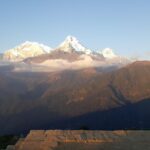
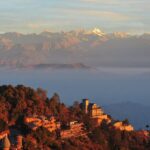
- The mountain payoff: panoramic views you can plan for
- Culture on the move: Gurung and Magar village life
- Your guides and support team: why it affects the whole week
- How the days likely feel on a 5-day Poonhill trek
- Where this trek fits best (and who should adjust expectations)
- Practical prep: what to bring for a short Himalayan week
- Should you book this Ghorepani Poonhill trek?
- FAQ
- How long is the Ghorepani Poonhill hiking experience?
- Where does the tour start and where does it end?
- What’s included in the tour price?
- What is not included?
- Is this tour only for my group?
- What is the cancellation policy?
Key highlights worth your attention
- Poon Hill sunrise and sunset views that are the core reason people book the trek
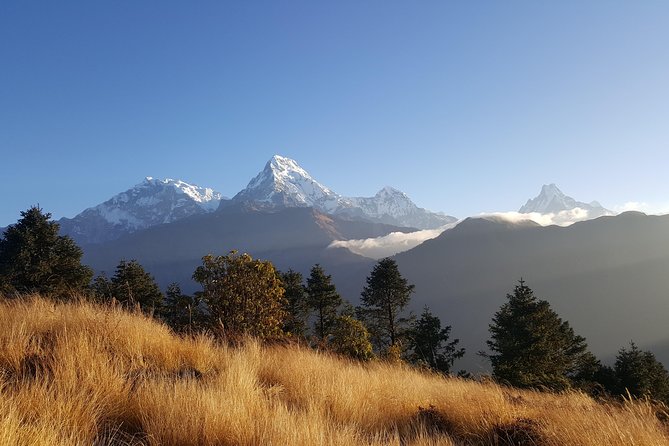
- Panoramic Himalayan sightlines that can include Dhaulagiri, Annapurna, Himchuli, Machhpuche, Nilgiri, and more
- Gurung and Magar cultural stops paired with Nepal village rhythms
- Short and easy trek concept for people who want the mountains but don’t want the long haul
- Guide support that feels personal, including named guides like Damu, Kamal, Prem, and Ambar
Ghorepani Poonhill in 5 days: the real appeal
If you’re aiming for your first Nepal trekking experience, Ghorepani Poonhill is a smart target. The pitch is simple: you get the classic Himalayan views, plus culture, without days that feel like a slow-motion punishment.
This trip is also aimed at hikers who need short and easy time in the mountains or who don’t want to spend weeks chasing altitude. That matters because the whole experience is about balancing payoff with effort. You’re not “just walking”; you’re walking for specific moments—especially the dawn and dusk viewing from Poon Hill.
The best part of this trek is that it’s not only about scenery. You also get a taste of Nepal’s ethnic village life. The overview calls out Gurung and Magar culture, and that’s what gives the trek its flavor: local hospitality, local routines, and the sense that you’re moving through communities rather than a theme park.
You can also read our reviews of more hiking tours in Kathmandu
Price and logistics: what you’re really paying for
At $600 per person for about 5 days, this is not a “budget only” option. But it can still be good value because a lot of the expensive-to-organize items are bundled.
Here’s what’s included:
- meals (breakfast, lunch, dinner)
- private transportation
- permits
- guide
- accommodation (for the trek days)
That combination is the difference between a trip that feels planned and a trip that turns into constant problem-solving. If you’ve ever tried to self-arrange a trek in Nepal, you know the friction points: permits, coordinating lodging, matching schedules, and handling the small expenses that stack up. This one is set up to reduce that hassle.
Private tour also means you’re not sharing your hiking pace or your questions with strangers in the same group. The experience is described as private, so it’s only your group participating. That’s especially helpful if you’re solo or if your group has a specific rhythm.
One more detail that affects logistics: pickup is offered, and the tour is tied to a meeting point at Tribhuvan International Airport in Kathmandu. Ending back at the same meeting point keeps the last day from turning into a scramble.
What’s included on the trek (and what you need to budget)
The included meals are a big part of the comfort here. You’re not guessing where you’ll find food or whether you’ll have to pay extra for every meal break. Breakfast, lunch, and dinner are covered, which also makes it easier to keep your energy steady for early viewing sessions.
Accommodation is included as well, and the overview explicitly says best accommodation available. You shouldn’t expect luxury on a hillside hike, but including lodging in the plan usually means fewer surprises and less time spent hunting for a room when you’re tired.
Permits are included, too. For people new to Nepal trekking, that’s a relief. Permits can be one of those tasks that feel easy until you’re already in country and time is moving.
Not included items matter just as much:
- bottled water
- alcoholic beverages
- coffee and/or tea
- accommodation in Kathmandu and Pokhara
- tips for the guide
- all expenses during city
So yes, you’ll still spend money—just not on the basics of trek-day food and lodging. If you’re a tea person, factor that into your budget from day one.
The mountain payoff: panoramic views you can plan for
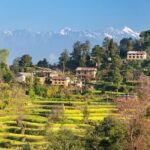
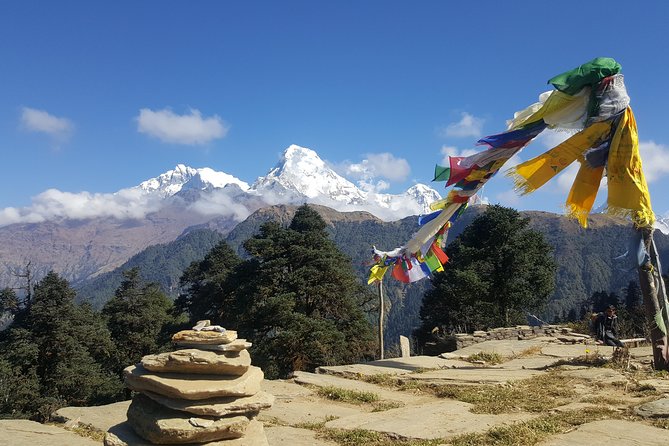
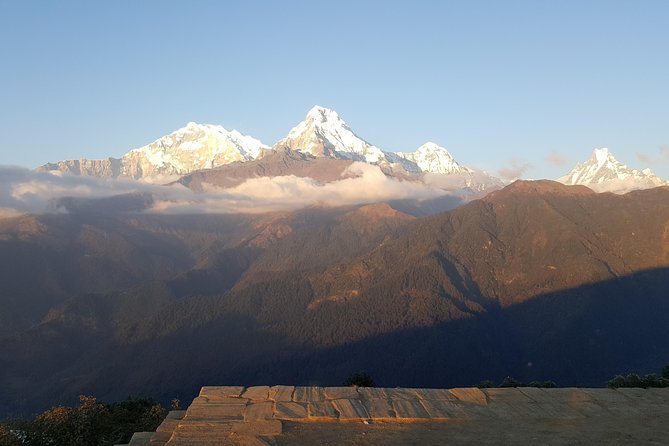
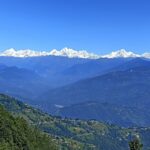
This trek is built around view points, and the overview lists some of the biggest names you can hope to spot on clear days: Dhaulagiri, Annapurna, Himchuli, Machhpuche, Nilgiri, and more. That’s a strong lineup for a trek that’s marketed as short.
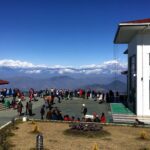
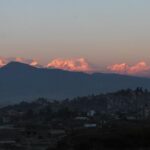
The key experience is sunrise and sunset from Poon Hill. Dawn tends to be the main event because the light changes fast and clouds can come and go. Dusk has its own magic, but it’s also a little more sensitive to weather timing. Either way, your reward is a sweeping mountain panorama that feels like the region is laid out in layers.
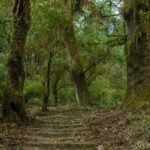
There’s also an emotional payoff that comes from the variety. The route is described as offering different vegetation types, and one review specifically calls out rhododendron forests in full bloom. That’s the kind of detail that makes the trek more than a single viewpoint postcard.
And temperatures can be comfortable in the right season. One account notes cool and pleasant weather while hiking through rhododendron areas. Even if your season differs, that’s a helpful reminder that this trek isn’t only about freezing mornings and hardship.
Culture on the move: Gurung and Magar village life
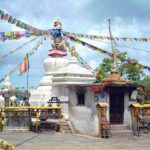
The overview doesn’t treat culture as an extra. It’s part of the trek’s design, with Gurung and Magar culture highlighted as a core component. That’s exactly what you want on a short trek. Culture gives context to what you’re seeing, and it makes the days feel human-scale instead of only height-based.
One theme in the accounts is hospitality. People describe being treated very well and even like family. Guides named in those accounts—Damu, Kamal, Prem, and others—show up as the reason that hospitality feels real instead of scripted.
When guides are attentive, you notice it in small ways:
- checking whether you need anything more
- keeping the pace comfortable
- answering questions about daily life and local culture
For an itinerary that includes early-morning viewing, that kind of support matters. You’re not just surviving the trek—you’re understanding it while you hike.
Your guides and support team: why it affects the whole week
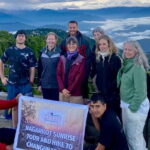
This experience is guided, and the accounts you provided emphasize how much that matters. Multiple people call out guides as experienced, helpful, professional, knowledgeable, and friendly. Even better, the names aren’t generic. You’ll see Damu, Kamal, Prem, and Ambar mentioned directly, and porter Naresh comes up as part of the support team.
The practical value here is simple: trekking is more enjoyable when someone is managing the details you don’t want to think about.
In several accounts, guides are described as very hands-on:
- attentive during the whole week
- guiding people through the mountains with care
- assisting with conditions, including moments when weather or plans forced changes
One account also notes that when heavy snowfall affected an intended route on a different trek plan, Damu chose an appropriate alternate route and prioritized safety. That kind of problem-solving mindset is a big comfort if you’re nervous about changing weather.
So if you care about the “how” as much as the “where,” this is a trekking format where a good guide has a real impact on your stress level.
How the days likely feel on a 5-day Poonhill trek
You don’t need a complex schedule to enjoy Ghorepani Poonhill. The plan is usually about linking a few key phases: Kathmandu start, several walking days through villages and changing vegetation, and at least one major dawn (and often sunset) viewing from Poon Hill.
Here’s the day-by-day feel you can expect based on what’s explicitly included and what’s highlighted:
Day 1: Arrive and get moving from Kathmandu
Your day centers on the meeting point at Tribhuvan International Airport area in Kathmandu and getting started with pickup and private transportation. Since meals and guide support are included, you’re not starting the trek half-organized.
Middle trek days: walk through culture and vegetation
This is where the trek becomes more than a viewpoint chase. The overview highlights varying vegetation, and the rhododendron bloom mention tells you what that can look like when conditions line up. These days are also where you feel the Gurung and Magar cultural presence.
Poon Hill viewing day(s): the sunrise moment
One of the trek’s strongest selling points is the sunrise and sunset view. That means early start hours and a focus on reaching Poon Hill with time to settle your eyes and camera.
Final day: return to Kathmandu
The tour ends back at the meeting point, so you’re not stuck figuring out how to get home after the last hike day.
Keep in mind: the duration is listed as approximately 5 days, so your exact pacing can vary. One review referenced a 5-days hiking setup starting from Ulleri, which suggests routes and entry points can shift depending on the plan.
Where this trek fits best (and who should adjust expectations)
This trek fits best if you want:
- a classic Himalaya viewpoint experience in a short timeframe
- a guided trek where meals, permits, and lodging are handled
- a cultural walking experience through Gurung and Magar areas
- sunrise and sunset time at Poon Hill
It’s also a strong option for solo hikers because the tour is private and guided, and accounts highlight care and support for first-time treks.
It may be less ideal if you’re hunting for technical trail challenges or multi-week remoteness. This is marketed as short and easy, and the appeal is access and timing. If you want rugged days far from comfort, you’d likely look at a longer trek format instead.
Also, be honest about weather expectations. The mountains don’t always cooperate. While your data doesn’t promise clear skies, guides are described as adaptive, which is exactly what you want if clouds roll in.
Practical prep: what to bring for a short Himalayan week
The listing doesn’t give a packing list, but you can still prepare smartly based on the fact you’ll do dawn and dusk viewing and walk through village terrain.
Plan around these realities:
- Layers matter for sunrise time. Cold mornings are common enough that you should come ready.
- Bring a small daily water plan since bottled water isn’t included.
- Bring cash for extra drinks like tea/coffee if you depend on them.
- Wear footwear that’s comfortable for repeated uphill walking and uneven paths.
Finally, match your expectations to the included support. With guide and accommodation built into the plan, you can spend energy on enjoying the experience instead of managing logistics.
Should you book this Ghorepani Poonhill trek?
I think this is a strong choice if you want the Annapurna-region classics—Poon Hill sunrise/sunset panoramas, Gurung and Magar cultural contact, and a short walking week—without turning your trip into a logistics project.
Book it if you:
- value guide-led support (especially with names like Damu, Kamal, Prem, Ambar mentioned)
- want included meals and trek accommodation
- like the idea of changing vegetation and rhododendron season scenery when it’s in bloom
Consider alternatives if you:
- don’t want to pay extra for bottled water and coffee/tea
- need Kathmandu and Pokhara lodging included (it’s not stated as included)
- want a longer, higher-intensity expedition
If your goal is a well-organized, rewarding taste of the Himalayas in about five days, this one checks a lot of boxes.
FAQ
How long is the Ghorepani Poonhill hiking experience?
The duration is listed as 5 days (approximately).
Where does the tour start and where does it end?
It starts at Tribhuvan International Airport area on Ring Rd, Kathmandu, Nepal, and ends back at the same meeting point.
What’s included in the tour price?
Included items are breakfast, lunch, dinner, private transportation, permits, a guide, and accommodation (along with meals during the trek days).
What is not included?
Not included: bottled water, alcoholic beverages, coffee and/or tea, accommodation in Kathmandu and Pokhara, expenses during city time, and tips for the guide.
Is this tour only for my group?
Yes. It’s listed as a private tour/activity, and only your group will participate.
What is the cancellation policy?
You can cancel for a full refund up to 24 hours before the experience’s start time. If you cancel less than 24 hours before, you won’t get a refund. The experience also requires a minimum number of travelers. If it’s canceled due to not meeting that minimum, you’ll be offered a different date/experience or a full refund.