REVIEW · KATHMANDU
Nepal Discovery Tour: Heritage Sites & Scenic Hill Easy Hike
Book on Viator →Operated by Prime Himalayas · Bookable on Viator
A great Nepal mix of temples and trail time. You get guided UNESCO sightseeing in Kathmandu, then a 2.5-day easy trek through Shivapuri National Park into lodge nights and hilltop viewpoints. One reason I like it: the walking days are approachable, with village scenery and forest paths instead of technical climbing.
I also love that the Kathmandu half is handled in a clean, time-efficient way, so you see Swoyambhunath (Monkey Temple), Pashupatinath Temple, and Boudhanath Stupa with an English-speaking guide. The one drawback to keep in mind is that key things are not included: heritage entrance fees and your Kathmandu meals/drinks, plus you’ll need your own hotel in Kathmandu.
In This Review
- Quick Hits: What Makes This Tour Feel Worth It
- Kathmandu First: Getting Your Bearings at UNESCO Sites
- Day 2 to Day 5 in Motion: How the Easy Trek Actually Works
- Sundarijal to Chisapani: Shivapuri Forest Trails, Village Real Life
- Nagarkot Sunset and Morning Light: When Timing Makes the Trek
- Changunarayan Temple: A Calm Finish After the Hills
- Prime Himalayas Service: Why the Tour Feels Smooth
- Price and Value: What $375 Really Buys You
- What to Bring for an Easy Hill Trek (Without Overpacking)
- Who This Tour Fits Best (and Who Might Want Something Else)
- Should You Book This Nepal Discovery Tour?
- FAQ
- What time does the tour start and where do I meet?
- Is pickup offered?
- How long is the tour and when does it end?
- How many people are in the group?
- What kind of hiking is included?
- Where do I sleep during the trekking portion?
- What meals are included?
- Are entrance fees included?
- Do I need to arrange a Nepal entry visa and hotel in Kathmandu?
- Cancellation and Weather Notes
Quick Hits: What Makes This Tour Feel Worth It
- UNESCO temples with a guide: Swoyambhunath, Pashupatinath, and Boudhanath, all in one guided stretch
- A real hiking rhythm without heavy commitment: about 2.5 days on moderate-to-easy trails
- Shivapuri National Park footpaths: forest walking plus village breaks on the way to Chisapani
- Nagarkot timing matters: sunset on Day 4, sunrise on Day 5 if skies cooperate
- Small group size (max 10): easier logistics, less crowd stress, and more conversation
- Hands-on service style: Prime Himalayas leadership has a track record for quality checks and quick problem-solving (including last-minute adjustments)
Kathmandu First: Getting Your Bearings at UNESCO Sites
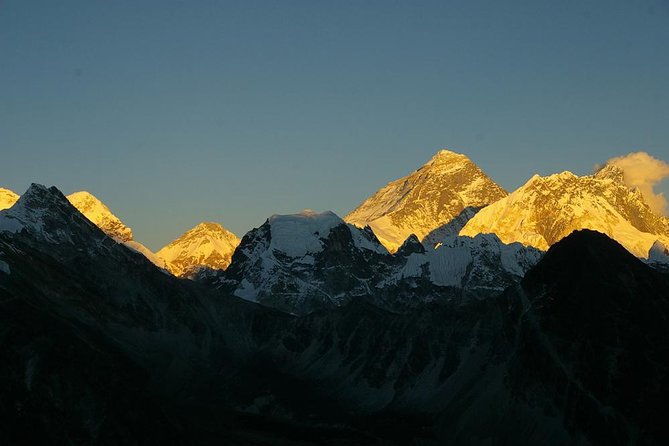
Day 1 is mostly a soft landing. You arrive in Kathmandu when it works for you, and the team meets you at your hotel for a briefing and any support you need. Then you can reset from travel, eat something familiar-ish, and sleep like a human.
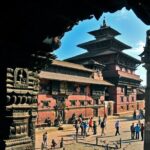
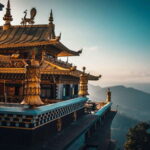
Day 2 is the big Kathmandu hits, guided for about six hours. You start with Swoyambhunath (Monkey Temple), perched on a hill above the city. Expect a lot of steps and energy, but it’s a classic orientation point for understanding how Kathmandu works—temples up top, daily life underneath.
Next is Pashupatinath Temple, one of Nepal’s most important Hindu pilgrimage sites on the Bagmati River area. It’s not the kind of place where you treat it like a photo stop. Go slowly, dress respectfully, and remember you’re stepping into living religious practice.
Then you wrap up at Boudhanath Stupa, famous for its huge dome and prayer wheels. I like this sequence because it shifts your perspective: hilltop overview, riverfront ritual, then the calm gravity of a stupa complex. You’ll come away with a sense of Nepal’s spiritual layering, all within a single day.
Practical note: heritage entrance fees and Kathmandu meals are not included, so plan for cash and add a little daily spending buffer.
You can also read our reviews of more hiking tours in Kathmandu
Day 2 to Day 5 in Motion: How the Easy Trek Actually Works
This isn’t a long-haul trek. It’s designed for people who want nature time and local villages without needing months of trail training.
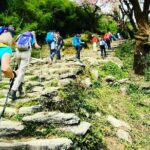
You drive out of Kathmandu toward Sundarijal, then start walking through Shivapuri National Park. The first trek day is to Chisapani, and the feel is straightforward: forest trails, some uphill stretches, and moments where the path opens to village views. Lodges handle the overnight, and you’re included for trekking meals (breakfast, lunch, dinner during trekking).
On Day 3, the best part for me is the shift from city noise to trail rhythm. You’ll likely see locals moving through the same hills they’ve always lived on—schools, small shops, and household life near the path. Even on a “simple” trek, that human-scale scenery is what makes the day memorable.
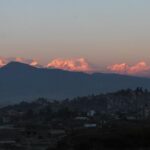
Day 4 is the move to Nagarkot. This is where the trekking shifts from forest walking to hilltop expectations. Nagarkot is known for views and sunset vibes, so the day ends at a hotel on the hill.
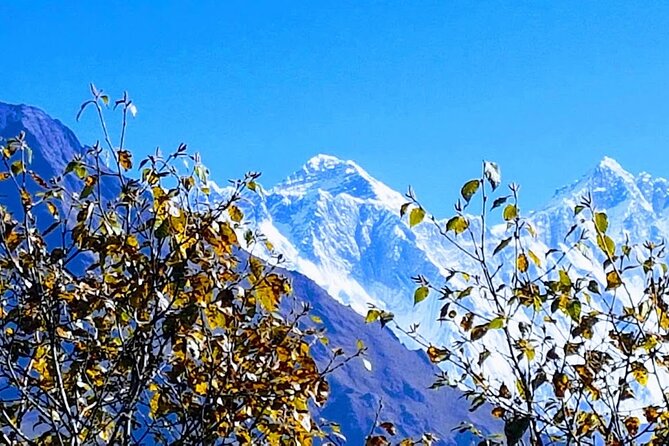
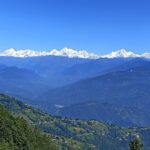
Here’s the key consideration: mountain views depend on weather. If the air is hazy, you might still enjoy the walk and the cool hill air, but you won’t get the full postcard skyline.
Day 5 is a double dose: sunrise first, then a hike to Changunarayan Temple, and then you return to Kathmandu. Sunrise is the payoff moment. If clouds roll in, you’ll still be doing a worthwhile morning walk, but treat that view like a bonus rather than a guarantee.
Sundarijal to Chisapani: Shivapuri Forest Trails, Village Real Life
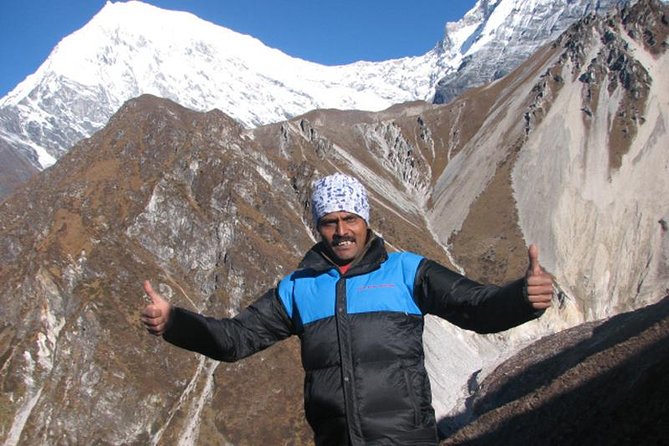
Shivapuri National Park is one of those places where the trail does the work for you. You don’t need fancy gear or a strict hiking schedule. The included Shivapuri National Park permit is also helpful—less paperwork clutter, fewer surprises.
In practical terms, Day 3 is about comfort and steady steps. Forest walking tends to be forgiving on the body compared with hot open-country routes, and village scenery breaks up the mind-fog of constant uphill.
Also, lodge nights matter. Having two nights of lodge accommodation means you’re not sleeping in anything sketchy or rushing to set up camp. It’s one of the reasons this trek works well for first-time walkers in Nepal.
Pack strategy tip for this section: bring a small day bag. You’ll want a spot for your camera, a light layer, sun protection, and snacks. If you’re carrying too much, the forest climb will feel longer than it needs to.
Nagarkot Sunset and Morning Light: When Timing Makes the Trek
Nagarkot is where you cash in on effort. Day 4 is the scenic hilltop evening, and Day 5 is sunrise, so you’re essentially paying attention to the sky twice.
I love this because it creates a natural structure. You’re not only walking—you’re building two moments around the hike. That’s how you turn a short trek into something you remember.
Still, be realistic about the view. The itinerary assumes you’ll get clear enough conditions to enjoy sunrise. If the weather turns, don’t panic. You’ll still have the morning ritual of a hilltop start and the chance to explore the trail-to-temple connection on Day 5.
One more detail that helps: return transportation back to Kathmandu is included after the Changunarayan hike. That reduces the stress of coordinating the final legs and keeps the last day feeling organized.
Changunarayan Temple: A Calm Finish After the Hills
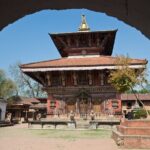
Day 5 ends with a hike to Changunarayan Temple. This is the part that slows you down. Temples like this are built for visitors to move at a human pace—look, pause, notice details, and respect the sacred space.
After the early sunrise and the walking, you’ll probably feel ready for the clean reset of being back in Kathmandu. That return drop also matters because it lets you plan your evening meal and rest without thinking about transport.
If you’re trying to get a balanced Nepal trip—culture plus nature—this finish hits the right note: not only scenery, but also meaning.
Prime Himalayas Service: Why the Tour Feels Smooth
Here’s what I pay attention to when I’m choosing an operator in Nepal: will they help if things change? In the case of Prime Himalayas, the service style is described as hands-on, with quality checks and flexibility for last-minute changes. That matters most for short trips, where you have less time to recover from delays.
The tour includes an expert English-speaking guide, and that’s not a small thing. On heritage days, a guide helps you interpret what you’re seeing instead of just walking from one landmark to the next. On trekking days, good guidance also keeps your pacing sensible and your days feeling manageable.
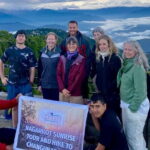
Group size helps too. With a maximum of 10 travelers, you tend to avoid the feel of a slow-moving caravan. You can ask questions without waiting in line behind everyone else.
One practical downside: this tour is active, so you’ll need a basic level of mobility. It’s labeled as easy, but there are still stairs and uneven paths. If you have knee issues or balance problems, it’s worth thinking carefully.
Price and Value: What $375 Really Buys You
At $375 per person for about five days, you’re paying for several big-ticket items bundled together:
- Private transportation for the Kathmandu-to-hike transfers
- Trekking meals (breakfast, lunch, dinner during the hiking days)
- Lodge accommodation for two trekking nights
- An English-speaking guide
- The Shivapuri permit (listed as included)
- Government taxes and VAT
That bundle can be good value if you’d otherwise have to piece together transfers, guides, and lodging separately.
What’s not included is where you should budget extra:
- Heritage site entrance fees (Kathmandu)
- Lunch/dinner in Kathmandu
- Bottled water and drinks during the whole trip
- Gratuities
- Nepal entry visa fee
- Your Kathmandu hotel
My practical advice: before you book, decide what kind of traveler you are. If you prefer convenience, meals, and a guide doing the planning, this price makes sense. If you want to handle everything independently and you already know your trekking logistics, you might find cheaper ways—but you’ll trade that smoothness for more effort.
What to Bring for an Easy Hill Trek (Without Overpacking)
The tour doesn’t include bottled water or drinks, so build your plan around buying water as needed. I’d also bring a small reusable bottle if you like having control over your intake.
For clothing, think layers. Kathmandu mornings and hill evenings can feel cool, and you’ll be sweating on the walk. A light rain layer is smart too because Nepal weather can change quickly.
Footwear matters on this kind of hike. You’ll be on trails and likely some stone or rooty sections. Comfortable walking shoes will beat fancy sandals every time.
Also consider a light daypack. You’ll carry what you need on trekking days, while lodge stays handle the overnight stuff.
Who This Tour Fits Best (and Who Might Want Something Else)
This is a strong fit if you want:
- World Heritage culture without rushing
- A short trekking experience focused on villages and nature
- A trip length that doesn’t swallow your whole vacation
- A group size that stays human-sized
It may not be ideal if you’re looking for high-altitude drama, long multi-day routes, or serious technical hiking. This is built for “get out there, have fun, and come back smiling” more than for extreme fitness challenges.
If you’re traveling as a couple, friends, or solo, the pacing works. The small group format also makes it easier to meet people without constant crowd friction.
Should You Book This Nepal Discovery Tour?
I’d book this tour if you want a well-structured Nepal sampler: Kathmandu’s biggest sacred landmarks plus a gentle trek that still feels like you left the city. The value is strongest when you want the guide, transport, lodge nights, and trekking meals handled for you.
Don’t book it if you hate early mornings, dislike stairs, or you’re trying to travel with a shoestring budget that depends on minimizing entrance fees and extra Kathmandu spending.
If you want a practical rule: if you’re comfortable walking for a few hours at a time and you can handle basic hills, this will likely feel like an excellent use of five days in Nepal.
FAQ
What time does the tour start and where do I meet?
The tour starts at 9:15 am and the meeting point is Thamel Marg, Kathmandu 44600, Nepal.
Is pickup offered?
Yes, pickup is offered.
How long is the tour and when does it end?
It’s about 5 days. It ends back at the meeting point.
How many people are in the group?
The maximum group size is 10 travelers.
What kind of hiking is included?
The trip includes about 2.5 days of moderate hiking, described as an easy trek.
Where do I sleep during the trekking portion?
You get 2 nights of lodge accommodation during the trekking days.
What meals are included?
During the trekking portion, breakfast, lunch, and dinner are included. Lunch and dinner in Kathmandu are not included.
Are entrance fees included?
Heritage site entrance fees are not included. A Shivapuri National Park permit is listed as included.
Do I need to arrange a Nepal entry visa and hotel in Kathmandu?
Yes. The Nepal entry visa fee and international flight are not included, and accommodation at Kathmandu is not included.
Cancellation and Weather Notes
If poor weather cancels the experience, you’ll be offered a different date or a full refund. Free cancellation is available up to 24 hours before the start time, for a full refund if you cancel early enough.