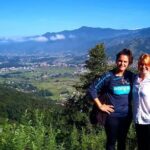
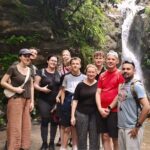
A short trek outside Kathmandu can still feel like a whole journey. This one winds along the valley rim through rural farm villages and forested paths, then lands you in famous viewpoint towns like Nagarkot with sweeping mountain views.
What I really like is that the hiking is paired with actual local scenery, not just scenic lookouts. You also get major payoff points—on a clear day you’re looking toward a lineup of giants like Dorje Lakpa, Langtang, Ganesh Himal, Gaurisankar, and part of the Everest range from the Chisapani area.
One consideration: you’ll be walking for multiple hours per day, and day-to-day comfort depends on your willingness to handle steep-ish uphill segments and downhill legs. If you want an easy stroll the whole way, this route may feel like work.
In This Review
- Key Highlights You’ll Care About
- Why This 3-Day Kathmandu Rim Hike Feels Like More Than a Weekend
- Price and What $381 Really Covers
- Day 1: Sundarijal to Chisapani, Including a Big First Climb
- Chisapani View Time: Peaks, Panoramas, and the Forest-View Switch
- Day 2: Chisapani to Nagarkot and the Nagarkot View Tower Stop
- Day 3: Nagarkot Down to Changunarayan Temple and Back to Kathmandu
- Pace, Fitness, and How Much This Will Feel Like a Hike
- Guides, Group Style, and Multilingual Support
- Meals, Lodging, and the Comfort Factor on Trek Days
- Getting There and Around: Pickup, Transport, and Meeting Point
- What to Pack (So You Don’t Regret It on Day One)
- Who This Hike Fits Best (and Who Might Want a Different Option)
- Should You Book the Kathmandu Valley Rim Hike?
- FAQ
- What is the starting time for the Kathmandu Valley Rim Hike?
- Where do we meet for this trek?
- How long is the hike?
- What does the trek include for meals and lodging?
- What is included in the transportation?
- What’s not included in the price?
- Is this a private tour and is cancellation free?
Key Highlights You’ll Care About
- Forest-to-viewpoint trekking north of Kathmandu, with jungle walks and frequent mountain sightlines
- Chisapani panoramas featuring Dorje Lakpa plus Langtang, Ganesh Himal, Gaurisankar, and part of the Everest range
- Nagarkot View Tower built for the photo moment and the classic sunrise viewing vibe
- Cultural stop at Changunarayan Temple as a satisfying finish to the hiking days
- Meals and lodging included on the trek for easier planning during a short timeframe
- A praised guide experience, including strong feedback for guide Riman’s kindness and care
Why This 3-Day Kathmandu Rim Hike Feels Like More Than a Weekend
The Kathmandu Valley Rim Hike is built for people who want fresh air, mountain views, and village life without a long expedition. You start near Sundarijal, then work your way toward the viewpoint belt—Chisapani first, then Nagarkot—before finishing with a cultural temple stop and returning to Kathmandu by car.
The big advantage is pacing. You don’t spend the whole time commuting back and forth through Kathmandu traffic. Instead, you spend most of your time outdoors, walking between towns and scenic nodes that actually matter: Chisapani, Nagarkot, and the Changunarayan Temple area.
And the scenery isn’t one-note. The trail is described as moving through jungle-like sections with different vegetation, plus forest shade when the views open up. That mix is what keeps a short hike from feeling repetitive.
You can also read our reviews of more hiking tours in Kathmandu
Price and What $381 Really Covers
At $381 for about 3 days, the value is strong if you like simplicity. This price is set up to cover a lot of the moving parts that normally add costs: two nights of accommodation during the trek, all trekking meals (breakfast, lunch, dinner), and a guide.
It also includes private transport (the exact vehicle type depends on group size) and pick up and drop to the airport. For many visitors, that transport coverage is what turns “just a hike” into a smooth, low-stress experience.
What’s not included is also clear: your Kathmandu hotel/food before and after the trek, soft and hard drinks, Nepal visa, international flights, personal expenses, and tips for the guide and driver. If you’re the type who wants snacks and drinks on demand, budget for that separately.
Day 1: Sundarijal to Chisapani, Including a Big First Climb
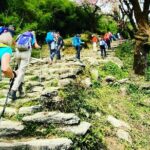
Your first walking day runs from Sundarijal to Chisapani. The route is described as leading you through jungle sections with different vegetation and flora and fauna you can spot along the way. That matters because it turns the hike into something you watch, not just something you survive.
There’s also a clear sense of effort built into the plan. When you hike to Chisapani, it’s described as reaching about 1,000 meters. Even if you pace yourself, that kind of uphill gain makes day one feel like the workhorse of the trek.
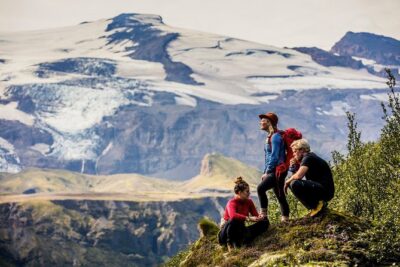
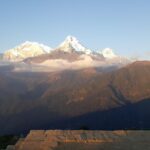
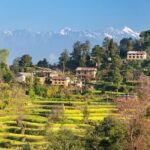
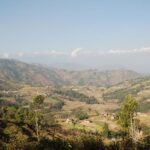
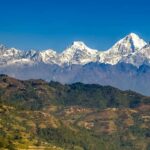
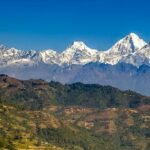
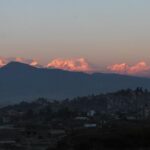
Chisapani is the reward. When you reach the hill area, you’re set up to look out over a major mountain lineup. This is where the viewing becomes the headline: Dorje Lakpa, Langtang, Ganesh Himal, Gaurisankar, and part of the Everest range, assuming the skies cooperate.
Practical note: in the hills, weather can shift fast. Plan on layers and don’t count on a perfect horizon every moment.
Chisapani View Time: Peaks, Panoramas, and the Forest-View Switch
Chisapani is doing double duty for you here. First, it’s a town base for the next leg. Second, it’s a viewpoint platform where the tour highlights those famous peaks.
The way this route is described suggests a “switch” in the landscape: you walk through shaded, foresty sections and then hit openings where the views spread out. That rhythm is a huge morale booster on a short trek because you get frequent reasons to pause.
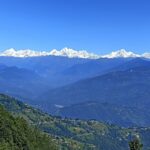
When the panorama is working, you’re not looking at one mountain. You’re looking at a lineup—Langtang and the broader Himalaya belt showing up along with peaks mentioned in the tour description. It’s the kind of viewpoint that makes you understand why the valley rim matters.
If you’re picky about photos, give yourself time at the viewpoint spots rather than rushing past them. The difference between rushed and calm is often the difference between a decent shot and a memory.
Day 2: Chisapani to Nagarkot and the Nagarkot View Tower Stop
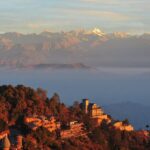
Day two is where the classic Nepal viewpoint towns show up. You trek toward Nagarkot, which is known for big skyline moments and sunrise viewing in the broader valley rim area. The tour also includes a specific viewpoint stop at the Nagarkot View Tower.
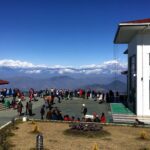
That tower stop isn’t just a sightseeing checkbox. It helps you orient your eyes to what you’re seeing. On a rim trek, it’s easy to feel like the mountains are “over there somewhere.” A known viewpoint structure gives you a clearer frame, so your photos and your memories line up with what you actually looked at.
Another reason day two is worth doing: you’re not only hiking; you’re also building the story of the trip. Chisapani sets the scene with the first major panorama. Then Nagarkot shifts the focus toward the famous viewing vibe—especially if you’re catching sunrise in the Nagarkot and Dhulikhel corridor that the tour highlights.
Note: the plan includes sunrise-style viewing mentions, but the exact sunrise timing isn’t spelled out here. If you’re serious about early light, treat it as an early-start day and keep your morning flexible.
Day 3: Nagarkot Down to Changunarayan Temple and Back to Kathmandu
Your final day goes from Nagarkot down toward Changunarayan Temple, then you return to Kathmandu by car. Finishing with a temple stop is a smart way to close out a hike: your legs get a break from climbing, and your brain gets a cultural anchor.
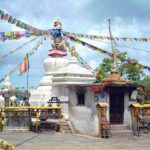
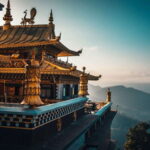
Changunarayan Temple is the kind of stop that breaks up the “all mountain all the time” feeling. After days of moving through forest and viewpoint zones, a heritage site gives you a different sense of place—one that ties the rim trek to Kathmandu Valley life beyond the hills.
Once the walking portion is done, you’re not stuck figuring out transport. The day includes a drive back to Kathmandu, which helps you transition from trek mode to city mode without extra hassle.
If you like your travel rhythm tight—hike, view, then a meaningful stop—day three hits that.
Pace, Fitness, and How Much This Will Feel Like a Hike
The tour is described as suitable for any fitness level as long as you can walk multi hours a day, and the additional notes call for moderate physical fitness. Translation: you don’t need to be a trail athlete, but you do need stamina and comfort with walking for hours and handling uphill/downhill legs.
The best way to think about it is that this is a short trek with real terrain. You’re not doing a flat city stroll. Day one includes significant ascent to the Chisapani area. Day two and day three also include trekking segments that keep your heart rate working at intervals.
You’ll enjoy this most if you:
- like steady walking and don’t need constant entertainment
- feel okay with changing conditions (wind, sun, cloud)
- want to see villages and forest, not just sit and look
If your goal is minimal exertion or you’re dealing with mobility limits, you might find the walking time tougher than expected.
Guides, Group Style, and Multilingual Support
This is a private tour/activity, meaning only your group participates. That’s a big deal if you want flexibility with pace, questions, and comfort breaks.
You also get guide support. The tour description includes a tour guide depending on language needs, including languages such as English, Chinese, Spanish, and German, plus a trekking guide for the walking days.
One detail worth noting: one set of strong feedback calls out guide Riman by name and highlights his kindness. Even if you end up with a different guide, it’s a good sign that the company is putting care into the people leading the route.
For you, the practical payoff is simple: you’re not guessing where to go, how to read the trail, or what you’re looking at from the viewpoints.
Meals, Lodging, and the Comfort Factor on Trek Days
On trek days, all meals are included: breakfast, lunch, and dinner. This is one of those “quietly important” inclusions. It reduces decision fatigue, especially when you’re tired from walking.
You also get two night accommodations during the trek. The details of the lodging type aren’t specified here, so I’d plan on simple, functional lodging that matches trekking logistics rather than a luxury hotel vibe. What matters most is that you’re sleeping on the route so you can keep your days hiking and your evenings recovering.
In Kathmandu itself—before or after the trek—your Kathmandu hotel and food are not included. So if you’re arriving early, plan for a city day with your own meals and lodging costs.
Getting There and Around: Pickup, Transport, and Meeting Point
The meeting point is View Nepal Treks & Expedition at 24 Thamel Marg in Kathmandu, with a start time of 7:15 am. Being based in Thamel also usually helps with access to other services and easy orientation.
Transport is handled by the operator using a private car/jeep/mini bus/tour bus depending on how many people are in your group. You’re also told that pick up and drop to the airport is included.
If you’re arriving by flight, that airport transfer can save you money and headaches. It also means you can focus on the trek start rather than trying to solve transportation last minute.
What to Pack (So You Don’t Regret It on Day One)
The tour data doesn’t list a packing checklist, so I’ll stick to practical essentials for a forest-and-view trek:
- Layering clothes for cooler early mornings and warmer midday walking
- Comfortable hiking shoes with grip for uphill and downhill sections
- A light rain layer in case weather shifts
- Reusable water bottle (you’ll want hydration during multi-hour walking)
- Small daypack for snacks, layers, and a camera
- Sunscreen and a hat since viewpoint time can mean strong sun
If you get cold easily, bring an extra warm layer. Viewpoint towns can feel chillier than you expect once clouds pass.
Who This Hike Fits Best (and Who Might Want a Different Option)
This trek is a good match if you want:
- mountain views north of Kathmandu without a long travel commitment
- a route through rural villages and forested paths
- a plan that includes meals, trekking nights, and guidance
- a cultural finish with Changunarayan Temple
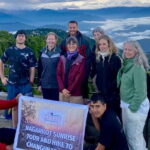
It’s also ideal for solo visitors who want a guided experience with a private group setup. The feedback includes a solo female visitor who was impressed by the overall combination of beauty and culture and specifically praised guide Riman.
If you dislike uphill effort, or if you only want short walks with constant comfort stops, look at other, gentler options.
Should You Book the Kathmandu Valley Rim Hike?
Yes, if you want a short trek that still delivers real variety: jungle-like walking, a major climb to Chisapani, Nagarkot viewpoint time, and a temple finish. The included meals and trekking accommodations make it easier to budget and easier to manage day to day.
I’d say no (or at least consider alternatives) if you want a mostly flat walk, or if multi-hour hiking days would stress you out more than you’re comfortable with.
If you’re aiming for an authentic valley rim experience with mountains and local scenery—and you’re okay putting in some walking—this one earns a spot on your Nepal short-list.
FAQ
What is the starting time for the Kathmandu Valley Rim Hike?
The tour starts at 7:15 am.
Where do we meet for this trek?
You meet at View Nepal Treks & Expedition, 24 Thamel Marg, Kathmandu 44600, Nepal.
How long is the hike?
It’s listed as 3 days (approximately).
What does the trek include for meals and lodging?
The price includes 2 nights of accommodation during the trek and all meals (breakfast, lunch, and dinner) while you are trekking.
What is included in the transportation?
It includes private car/jeep/mini bus/tour bus transportation depending on group size, plus pick up and drop to the airport.
What’s not included in the price?
It does not include Kathmandu hotel and food, soft and hard drinks, Nepal visa, international flights, personal expenses, and tips for the guide and driver.
Is this a private tour and is cancellation free?
Yes, it’s a private tour/activity for your group only, and it offers free cancellation up to 24 hours before the start time for a full refund.