REVIEW · KATHMANDU
8 Days Holiday Yoga, Meditation, Tour & Hiking Retreat in Kathmandu, Nepal
Book on Viator →Operated by The Trek Nepal · Bookable on Viator
Yoga and temples in Kathmandu, with a hike twist. This 8-day retreat blends morning yoga and evening meditation with guided visits to major Kathmandu Valley sights, plus one day that gets your legs working.
What I love most is how the schedule keeps you moving between body practice and cultural grounding, without feeling like you’re rushing.
The second big win is the practical one: you get vegetarian meals and 7 nights of accommodation handled for you, so your days stay simple. Add pickup, and the whole thing runs like a plan, not like you’re improvising every meal and bus ride.
One consideration: the outdoor parts depend on good weather. If skies are rough, your hike-and-view days may feel different, and that’s just part of doing an active retreat in Nepal.
In This Review
- Quick highlights
- How the retreat schedule really works in Kathmandu
- Day 1: a gentle landing with breathing and meditation
- Kathmandu Valley heritage days: Pashupatinath and Boudhanath
- Swayambhunath and Buddhanilkhantha: views plus a different kind of quiet
- The full-day yoga curriculum: asana, breathing, meditation, philosophy
- Bhaktapur and Patan: heritage touring with time to rest
- Nagarkot hiking: where the retreat turns physical
- Chandragiri cable car: a view day that still feels like a retreat
- Food, lodging, and that small-group feel: the value check
- Practical planning tips for your Kathmandu yoga retreat
- Should you book this Kathmandu yoga and hiking retreat?
- FAQ
- What’s the duration of the retreat?
- Where does the retreat take place?
- What’s included in the price?
- Are pickup services available?
- Do I need to pay for airfare separately?
- What kind of group size is this?
- What about meals and drinks during the retreat?
- Is the hiking portion strenuous?
- What’s the cancellation policy?
- When does this retreat operate?
Quick highlights
- Twice-a-day practice rhythm: morning yoga plus evening breathing and meditation on most days
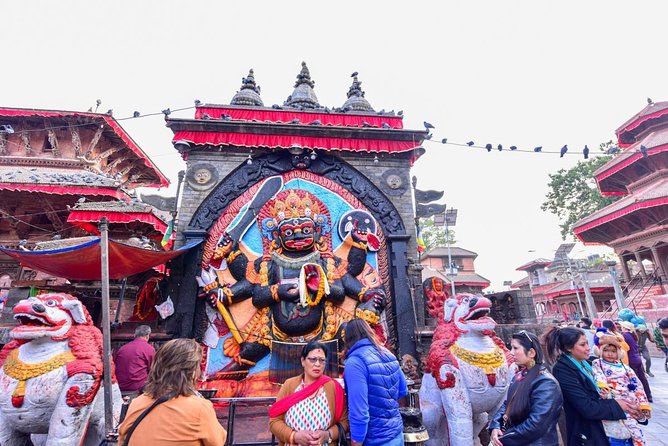
- Big Kathmandu sights, guided: Pashupatinath, Boudhanath, Swayambhunath, Buddhanilkhantha, plus more UNESCO areas
- One true hiking day: Nagarkot hiking gives the retreat a physical reset
- A full-day yoga deepening: multiple sessions covering asana, breathing, meditation, and philosophy
- All meals included: breakfast, lunch, dinner throughout the retreat days (vegetarian)
How the retreat schedule really works in Kathmandu
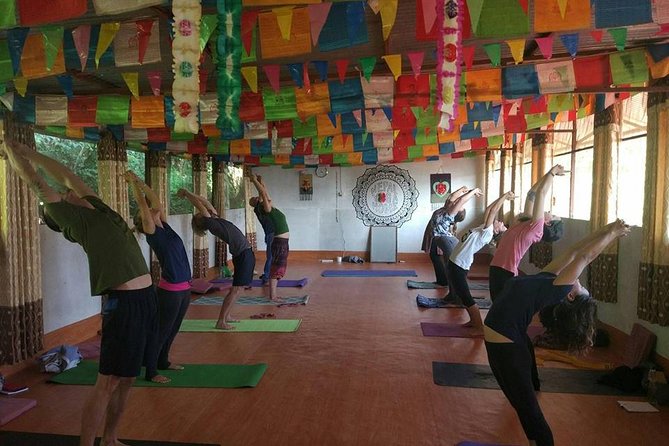
This is the kind of yoga and meditation retreat where you can feel the rhythm from the first day. You’re not doing one class and then wandering. Instead, mornings are for yoga, evenings for breathing and meditation, and the middle of the day is for sightseeing or rest. The payoff is mental: you stop waiting for the next thing and start settling into the routine.
You’ll also notice the retreat’s pacing is built for real life. There’s usually time to rest after sightseeing, so you’re not constantly scanning for the next temple and pretending you’re fine when your feet are not. Morning yoga starts early (around 7:30), then the retreat shifts toward breakfast and recovery time, and later you get a second meditation slot in the early evening.
For many people, the best part is that it’s structured but not stiff. If you’ve ever tried to do a self-guided yoga trip in a new country, you know how quickly it turns into logistics. Here, the guide organizes the daily classes and the day outings, so you can focus on showing up and participating.
You can also read our reviews of more hiking tours in Kathmandu
Day 1: a gentle landing with breathing and meditation
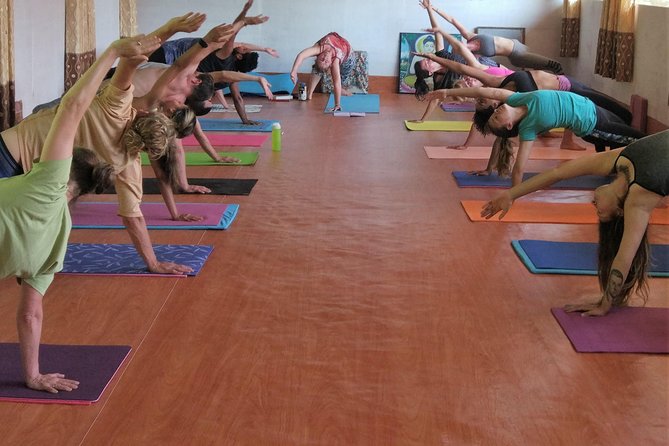
On arrival day, the retreat doesn’t try to “win” against jet lag. Check-in is around midday (12:00), and the first practice is in the early evening, roughly 17:00–18:00. That breathing and meditation session is a smart choice because it lets you arrive, eat dinner, and then settle your nervous system before you try to be a hero.
Dinner comes in the evening (around 19:00), followed by bedtime. That’s it for Day 1—no big sightseeing push—so you can get your bearings fast and not spend your first Kathmandu evening negotiating where to buy water or what time a temple closes.
If you’re coming in from overseas, you’ll appreciate how the program gives you space to decompress. Kathmandu altitude and air can feel different, even if you’re not doing a high-altitude trek. This day is a buffer, not a test.
Kathmandu Valley heritage days: Pashupatinath and Boudhanath
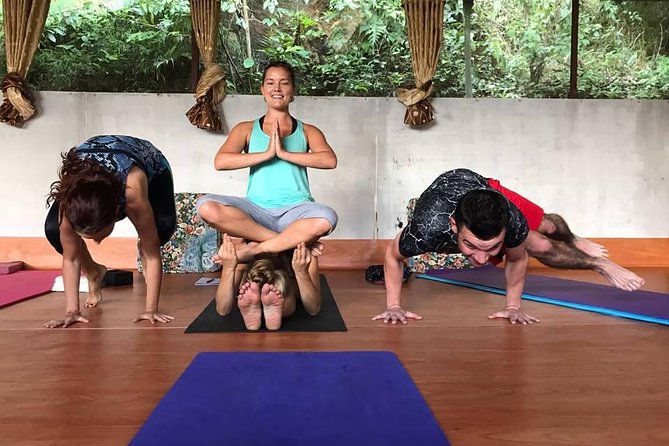
After a full night’s sleep, the mornings start with yoga (around 07:30–08:30), then breakfast (about 08:30–09:15). The rest of the morning is intentionally light—there’s a downtime window before sightseeing begins. That matters because Kathmandu walking can be steady and uneven, and you’ll want your energy.
Your first major sightseeing stretch runs roughly 10:00 to 15:00 and focuses on two big spiritual sites: Pashupatinath and Boudhanath. Pashupatinath is known for its strong Hindu tradition, and Boudhanath is famous for Buddhist devotion. Going to both in one day gives you contrast: different rituals, different architecture, similar intensity of faith and daily practice.
Practical tip: bring your “temple respect” mindset. Dress modestly, keep your voice down near sacred areas, and plan for slow, photo-stopping walking. You’ll get rest after sightseeing (around 15:00–16:30), then another breathing and meditation session in the late afternoon or early evening (17:00–18:00). That rhythm helps you process what you saw instead of just collecting photos.
Swayambhunath and Buddhanilkhantha: views plus a different kind of quiet
The next day follows a similar backbone: morning yoga, breakfast, then sightseeing time with a guided plan. You’ll visit Swayambhunath and Buddhanilkhantha from about 10:00 to 15:00, with rest built in afterward.
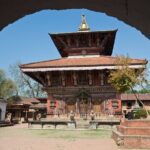
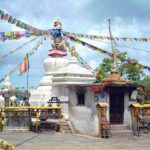
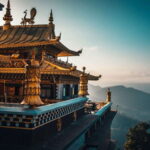
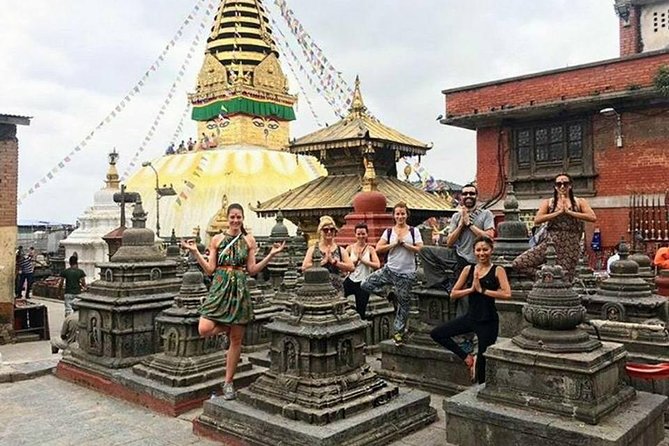
Swayambhunath (often called the Monkey Temple) is especially good for people who like to watch how places feel in motion. You’ll likely notice how the site changes with light and crowd flow. The guide’s presence is key here—not because you need a lecture, but because it helps you walk the right routes and understand what you’re seeing as you move.
Buddhanilkhantha adds a different mood. It’s associated with Buddhist tradition and gives you a chance to experience calm after busier areas. By the time you return to rest and then do evening meditation again, the day feels like it did something to your state of mind, not just your camera roll.
If you’re hoping for a retreat that balances active sightseeing with inner practice, this is one of the days where that balance shows.
The full-day yoga curriculum: asana, breathing, meditation, philosophy
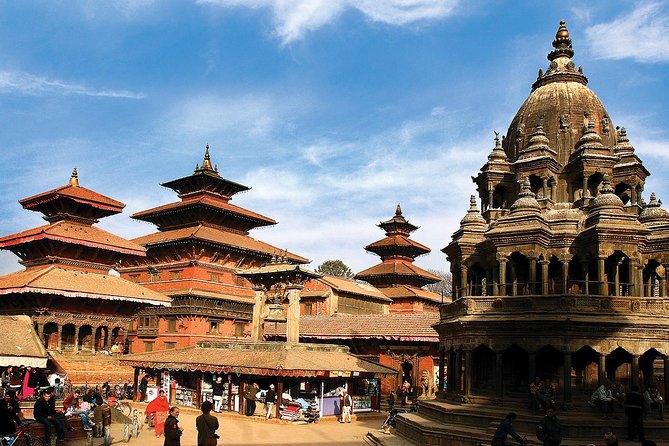
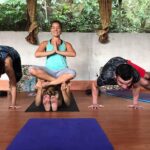
One day breaks the usual pattern with a longer yoga focus. Instead of sightseeing taking over the day, you’ll do a full-day yoga class made up of four parts. The dimensions listed include asana (postures), breathing, meditation, and the philosophical side of yoga.
This is a great day for anyone who wants more than stretching. Yoga can be physical, but most people leave their practice understanding the mechanics and not much else. The way this program spells it out—body, breath, mind, and ideas—gives you a fuller toolkit.
The best practical benefit: it helps you integrate your experience. After two days of temple visits and daily meditation, a philosophy component can make the trip feel less like a sightseeing vacation with yoga tacked on. It starts tying the trip together into something coherent.
If you’re sensitive to long seated periods, take it slow. Ask questions during breaks if you have them. The “full-day” format is the point, but good teachers will still guide you toward what’s comfortable and safe.
Bhaktapur and Patan: heritage touring with time to rest
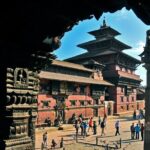
Another sightseeing day pairs cultural exploration with recovery time. After morning yoga and breakfast, you have a rest period, then sightseeing from about 10:00 to 15:00. The stops include Bhaktapur and Patan.
Both areas are known for their historic urban character and craft traditions, and the benefit of having them in the same retreat is efficiency. You’ll spend the middle of the day walking and looking, then you get a built-in recovery window (15:00–16:30). That rest time is more important than it sounds. Many people underestimate how tiring Kathmandu can be when you add daily movement and early mornings.
After rest, you’re back for breathing and meditation (17:00–18:00), then dinner and bed. This is the “retreat math” that makes the trip work: you’re not asked to be on all day with no off switch.
If you’re the type who enjoys architecture, crafts, and atmospheric streets, this is one of the most satisfying days.
Nagarkot hiking: where the retreat turns physical
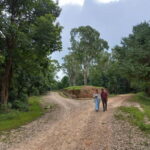
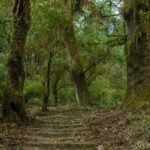
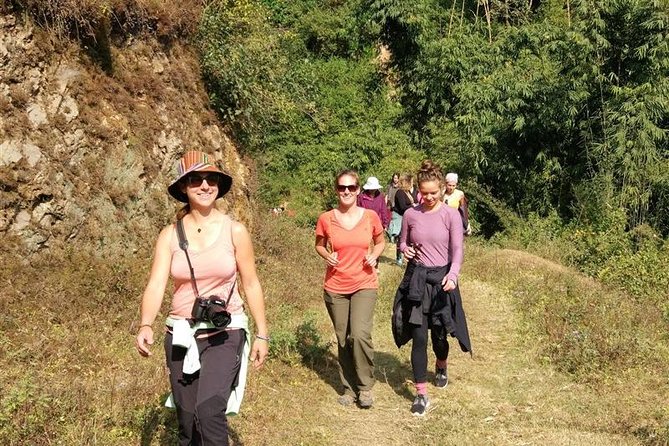
The program’s hiking day lands around Day 6 and runs roughly 10:00 to 15:00. It’s not framed as a rugged mountain expedition, but it does give you a real movement break from temple sightseeing.
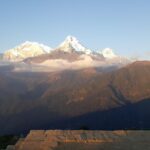
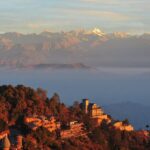
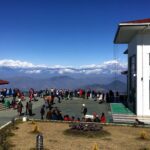
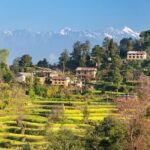
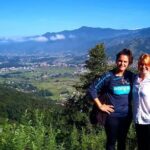
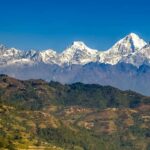
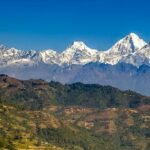
Nagarkot is a classic choice in the Kathmandu region for hill views. Even if the weather isn’t perfect, hiking there typically delivers fresh air, changing perspectives, and a sense of being out of the city rhythm for a few hours. And since you’ve already been doing morning yoga and evening meditation, your body tends to feel better prepared for walking.
You’ll have breakfast and morning yoga first, then rest, then hiking. That structure keeps the experience from turning into you being dropped into a physical challenge when you’re still tired. After the hike, the afternoon rest returns, so you can digest the day instead of immediately packing for the next one.
If you’re worried about stamina, this is worth asking about before booking: what pace your group follows, and whether the route has options. The good news is the retreat is small-group (maximum 20), which often makes it easier for the guide to manage pace.
Chandragiri cable car: a view day that still feels like a retreat
Another highlight day centers on a Chandragiri cable car tour from about 10:00 to 15:00. This is a smart contrast to hiking. You get big viewpoints without the same amount of uphill work, and it still counts as “movement time” in the context of a retreat.
After the cable car outing, there’s rest again (15:00–16:30), then breathing and meditation (17:00–18:00), then dinner. That pattern matters because it keeps the outing from feeling like a separate day trip you just bolt onto the yoga.
Even if you’re not chasing views like a hawk, cable car days can be nice for your nervous system. Less physical strain, more sensory shift. It’s also a good day to bring a layer—temperature can shift quickly around viewpoints, and you’ll want to stay comfortable for photos and slow walks.
By now, you’ve done several heritage sites and at least one hiking day. This outing rounds out the retreat with a different kind of experience: scenic, paced, and still integrated into the daily practice rhythm.
Food, lodging, and that small-group feel: the value check
Let’s talk value, because $1,066.67 per person can feel like a lot until you break down what’s actually included. You’re paying for eight days of organization, not just classes.
Here’s what the package covers: 7 nights accommodation, vegetarian breakfast, lunch, and dinner during the retreat days, plus water and three cups of tea. You also get yoga classes and guided sightseeing across multiple Kathmandu Valley sites, along with the hiking and the Chandragiri cable car tour. Pickup is offered, which matters more than people think in Kathmandu.
When you add it up, you’re buying convenience plus continuity. You don’t have to plan each meal, guess transit, or negotiate guides at every stop. You’re also paying for the structure that makes the retreat work: morning practice, sightseeing or hiking in the middle, rest time, and evening meditation.
Is it perfect for everyone? If you want total freedom, this isn’t that. But if you want your body to move, your mind to slow down, and your schedule to be handled, the price starts to make sense.
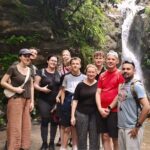
One more detail I like: the retreat is capped at a maximum of 20 travelers. It’s not “tiny tiny,” but it’s small enough that you generally get to know the flow, and the guide has less chaos to manage.
Practical planning tips for your Kathmandu yoga retreat
A few real-world things you can do before you go to make the trip smoother.
First, pack comfortable shoes for mixed walking. You’ll do heritage site days and a hike day, and the surfaces can vary. Bring layers for temple days too; you may be indoors and outdoors back and forth.
Second, think about modest dress for sacred sites. You’ll be visiting places like Pashupatinath and Swayambhunath, where your clothing choices matter. A scarf or light wrap is an easy win for covering shoulders or for extra warmth.
Third, protect your energy. The retreat has morning sessions at 07:30–08:30 most days, then sightseeing, then rest, then evening meditation. If you show up tired, you’ll still have a good trip, but you’ll enjoy it more if you sleep well your first two nights.
Finally, bring a small notebook or notes app. The philosophical yoga portion and the way you alternate sightseeing with meditation can create real mental “aha” moments. Writing down even one or two ideas helps you remember the point of the retreat after the trip ends.
Should you book this Kathmandu yoga and hiking retreat?
If you want a vacation that actually supports your practice, not just a sightseeing tour with yoga classes, I’d say this retreat is a strong match. The best argument for booking is the balance: daily yoga, daily meditation breathing time, guided UNESCO sights, plus one hiking day and a cable car viewpoint. You get structure, meals, lodging, and organized transportation support.
Skip it if you’re expecting total autonomy or if weather uncertainty would stress you out. Outdoor activity is part of the plan, and the retreat requires good conditions.
If you’re coming to Kathmandu and you want the city to feel meaningful—spiritually, physically, and mentally—this is a practical way to do it without getting lost in logistics.
FAQ
What’s the duration of the retreat?
It runs for about 8 days, with 7 nights of accommodation included.
Where does the retreat take place?
The experience is in Kathmandu, Nepal, starting and ending back at the meeting point in Kathmandu (44600).
What’s included in the price?
The package includes 7 nights accommodation, vegetarian meals (breakfast, lunch, and dinner during the retreat days), yoga classes, water, and 3 cups of tea, plus guided sightseeing around Kathmandu Valley including the hiking outing and Chandragiri cable car.
Are pickup services available?
Yes, pickup is offered.
Do I need to pay for airfare separately?
Yes. Airfare is not included.
What kind of group size is this?
It has a maximum of 20 travelers.
What about meals and drinks during the retreat?
You’ll have vegetarian meals provided (breakfast, lunch, and dinner). Water is included, and you also receive 3 cups of tea.
Is the hiking portion strenuous?
The retreat includes a day of hiking (Nagarkot hiking). The information says most travelers can participate, but good weather is required, and it’s still an active day.
What’s the cancellation policy?
You can cancel up to 6 days in advance for a full refund. Two different refund tiers apply depending on how close you cancel. If the retreat is canceled due to poor weather, you’ll be offered a different date or a full refund.
When does this retreat operate?
It’s available Monday through Saturday during the stated booking window, with opening hours listed as 7:15 AM to 7:15 PM.