REVIEW · KATHMANDU
Hiking & city tour in Kathmandu with community Volunteering
Book on Viator →Operated by Sabbatical Explore Nepal (Social Tourism Nepal) · Bookable on Viator
Your itinerary is more than sightseeing.
You get a temple circuit in Kathmandu Valley plus gentle hill hikes and community volunteering arranged end to end, with meals and places to stay handled for you. I especially like the balance of big-name spiritual sites (Monkey Temple, Pashupatinath, Buddha Stupa) with smaller village moments that help you see daily life beyond the main roads.
I also like that the program keeps you moving at a human pace: guided walks, local markets, and long-enough time for viewpoints like Nagarkot. One thing to consider: you’ll cover a lot of sites across 8 days, so if you’re hoping for a slow, ultra-deep stay in the village, this format gives you a meaningful taste rather than weeks living there.
In This Review
- Key highlights to look for
- A private Kathmandu Valley mix: temples, hills, and real community time
- Day 1 temple circuit: Swayambhunath, Durbar Squares, and Kathmandu Valley history in motion
- Day 2: Pashupatinath and Buddha Stupa, then a move into Nagarkot hills via Sundarijal
- Day 3: Nagarkot panoramic trail and Kartike Deurali for village-level perspective
- Day 4: The Nagarkot view tower area and slow time to enjoy the hills
- Day 5 monastery and village day: Nala Gumba and Dhagpo Sheydrub Ling Monastery
- Day 6: Community school volunteering in Nala Nepal, plus Kali Temple views
- Day 7: Dhulikhel Zipline and the Namobuddha monastery hike toward Panauti
- Day 8: Doleshwor Mahadeva, Nagadesh Buddha Vihar, and Pilot Baba Ashram
- Meals, homestay life, and how you actually learn Nepali culture
- Price and value: what $1,069.97 buys you in Nepal
- Practical considerations so your feet and brain feel good
- Should you book this Kathmandu volunteering and Nagarkot hiking trip?
- FAQ
- Where does the tour start and end?
- How long is the experience?
- What’s the price per person?
- Is pickup included?
- Is the tour private?
- What meals are included?
- What activities involve volunteering?
- Which hiking experiences are included?
- Are entrance fees included?
- What’s not included in the price?
Key highlights to look for
- Community school volunteering in Nala Nepal with a social program for local children and a farewell moment
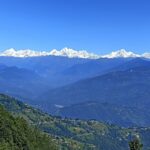
- Nagarkot views on a gentle panoramic hike, plus time at the view tower area
- City tours across Kathmandu, Patan, and Bhaktapur Durbar Squares, with markets woven in
- Monastery and village-time day around Nala Gumba and Dhagpo Sheydrub Ling Monastery
- Dhulikhel Zipline plus a hike to Namobuddha and onward toward Panauti
- Homestay-style Nepal life, including Nepali meals and multiple accommodation types (homestay/guesthouse/hotel)
A private Kathmandu Valley mix: temples, hills, and real community time
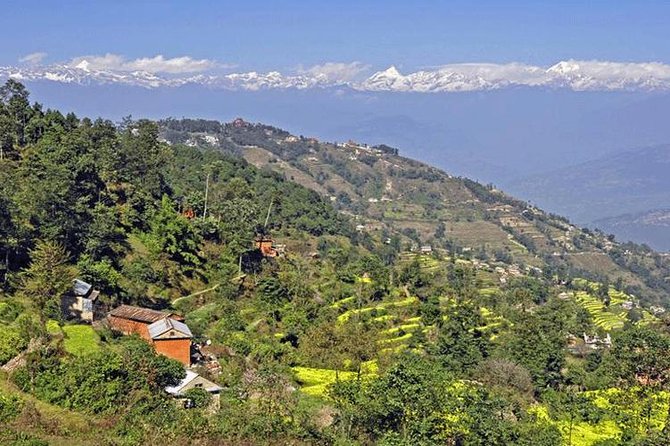
This is the kind of trip that doesn’t treat Nepal like a checklist. You start in Kathmandu with guided visits to major heritage sites and local markets, then you shift into the hills around the valley where the views are easier on the body and the culture feels closer to everyday routines. It’s also private, so your group sets the tone instead of being swallowed by a huge tour bus crowd.
A big part of the value is how the basics are handled: pickup is offered from Thamel, transportation is an air-conditioned vehicle, and your meals (breakfast 7, lunch 7, dinner 6) are included. You’re not left stitching days together by yourself.
One practical catch: because it’s a tight 8-day loop, expect some long days with lots of stops. I found that helps if you’re the type who enjoys switching gears—temple awe, market wandering, then a trail path—rather than needing one fixed “rest day” to recover.
You can also read our reviews of more tours and experiences in Kathmandu.
Day 1 temple circuit: Swayambhunath, Durbar Squares, and Kathmandu Valley history in motion
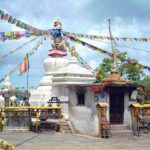
Day 1 is about momentum and orientation. You begin at Swayambhunath Temple, also known as the Monkey Temple, and you’re given about an hour there with the admission ticket included. It’s a classic start because the site makes you think about Nepal’s mix of faith, symbolism, and sheer daily movement—monkeys, visitors, and constant activity all around the stupa hill.
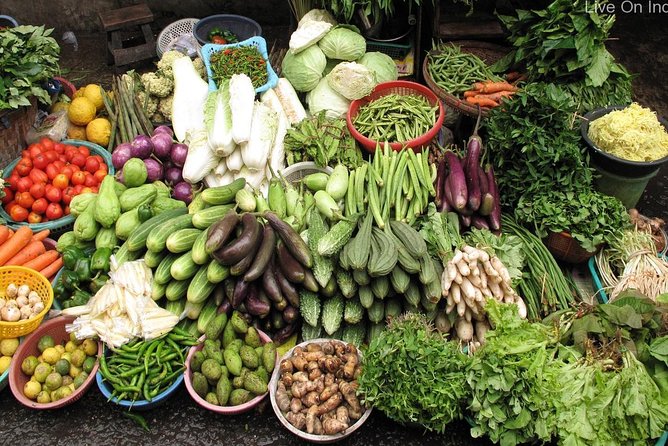
After that, you thread into the city’s everyday rhythm through markets like Kalimati Store, Indrachowk, and Asan. Those are quick stops (often 15 to 30 minutes), but they matter because they help you see how the city feeds itself. You’re not just looking up at pagodas; you’re getting a small taste of how people buy, cook, and live.
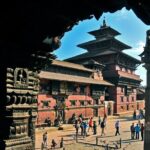
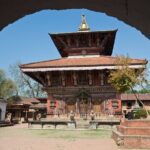
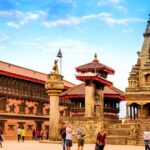
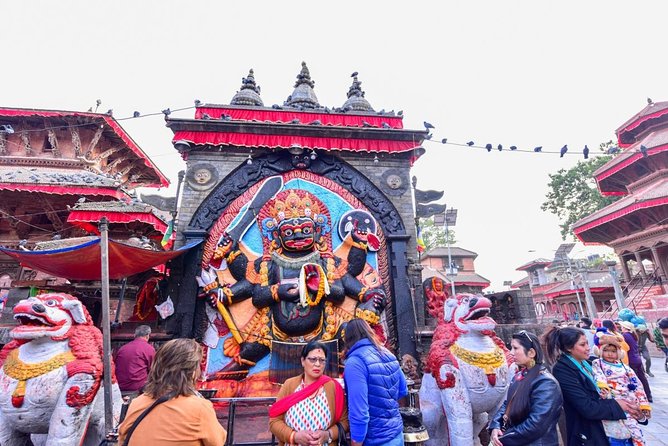
Then the day turns monument-heavy with Kathmandu Durbar Square, followed by two more Durbar Square stops: Patan Durbar Square and Bhaktapur Durbar Square. Each is about an hour, and the admission tickets are listed as included for these major sites. This sequence is efficient, but it can also feel like sensory overload if you dislike crowding. My advice: wear shoes that work for stairs and uneven ground, and take breaks when you can rather than trying to see every corner in one go.
Day 2: Pashupatinath and Buddha Stupa, then a move into Nagarkot hills via Sundarijal
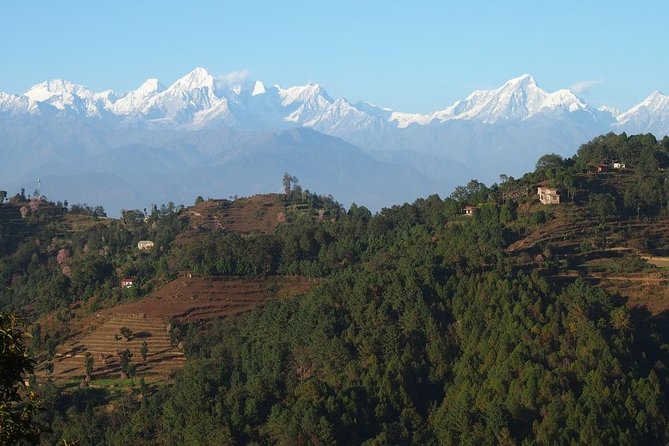
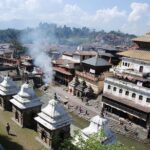
Day 2 keeps the spiritual weight early. You visit Pashupatinath Temple (about an hour), and the admission is noted as not included. After that, you go to the Buddha Stupa (about an hour) where the admission ticket is listed as included.
If you’re wondering why this pairing works, it’s because it shows how Nepal’s religious world isn’t one-note. Pashupatinath is deeply tied to Hindu life and ritual, while the stupa area leans more Buddhist in feel and design.
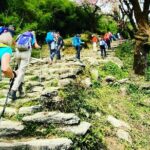
The shift happens next: you hike from Sundarijal Water Falls toward Chisapani and onward to Nagarkot, with around 3 hours of hiking time and admission included for the day’s listed activity. This is one of the most important transition pieces of the whole trip. Kathmandu starts to peel away, air changes, and your travel becomes walking instead of riding.
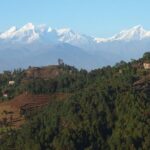
Tip for this day: if the weather is hazy, don’t assume views are coming later “somehow.” Nagarkot is famous for Himalayan sightlines, but visibility is not guaranteed—so treat every clearing as a bonus.
Day 3: Nagarkot panoramic trail and Kartike Deurali for village-level perspective
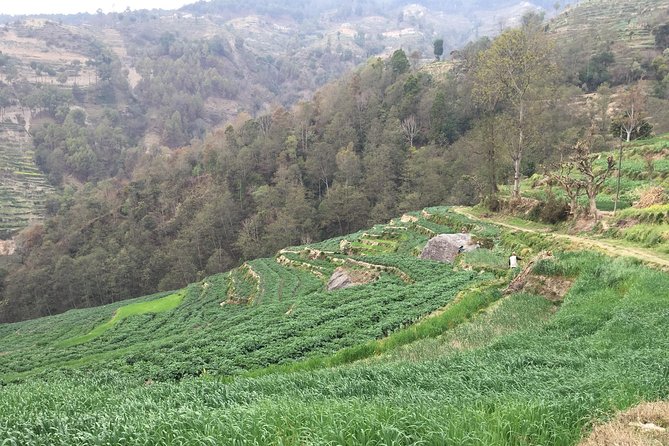
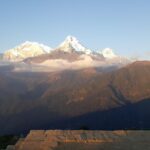
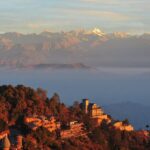
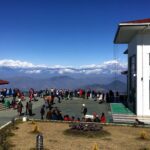
Day 3 is where Nagarkot stops being just a place you pass and becomes the heart of the experience. You go on the Nagarkot Panoramic Hiking Trail (about 2 hours) focused on Himalayan views, with the admission ticket listed as included.
This is also the day you get Kartike Deurali (about 2 hours). The timing and length suggest a hike-and-stroll day that still leaves room to talk with your guide and notice how people live in the hills. This matters more than people expect. On trips like this, I’ve learned that the best “photo moments” often come after a conversation—when you understand what a place is used for.
If you’re sensitive to altitude or you’re not a confident hiker, you’ll still likely be fine because the program is described as suitable for most travelers. Still, bring layers and stay honest with your pace.
Day 4: The Nagarkot view tower area and slow time to enjoy the hills
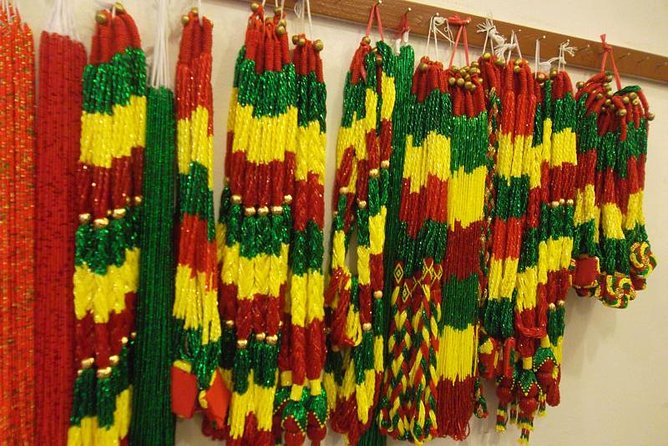
Day 4 extends your Nagarkot experience with a visit to the Nagarkot View Tower (about 4 hours), and the admission is listed as free. This is a longer block than most stops, and I like that. You’re not forced to sprint from one point to another—you can linger for changing light, watch people moving around the viewpoint area, and take your time.
It’s easy to underestimate how much a “view day” can refresh you. After days of Durbar Square stairs and temple crowds, a steadier hill schedule can feel like your body catches up with your eyes.
If you hate waiting around for perfect conditions, just know that viewpoint hours can include quiet time. The upside is that you’ll likely notice details you’d miss if you were rushing.
You can also read our reviews of more hiking tours in Kathmandu
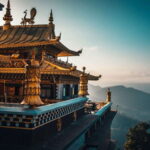
Day 5 monastery and village day: Nala Gumba and Dhagpo Sheydrub Ling Monastery
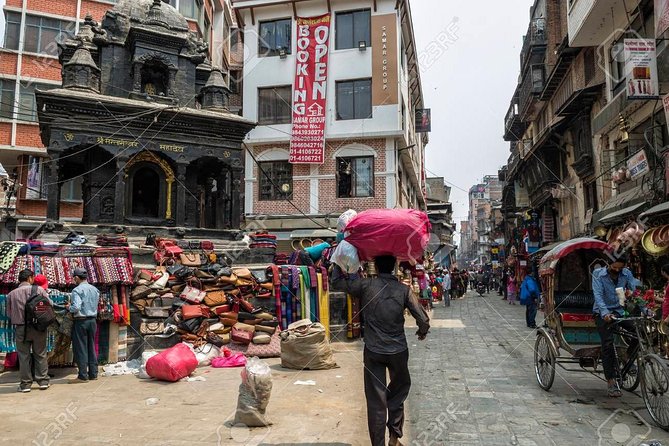
Day 5 is your slower cultural day with a religious setting and more village atmosphere. You spend time around Nala Gumba and Dhagpo Sheydrub Ling Monastery for most of the day (about 4 hours listed), with admission marked as free.
This kind of stop is valuable because you’re not only seeing temples from outside or from a distance. Monastery time tends to be less performative and more about routine—how people gather, how space is used, and how spirituality shows up in the daily rhythm of a community.
One thing I’d plan for: you’ll likely want to keep your pace calm here. Walking in cities can be fast and directional. In monastery settings, you often move slower and pay more attention to where people are standing, praying, or resting.
Day 6: Community school volunteering in Nala Nepal, plus Kali Temple views
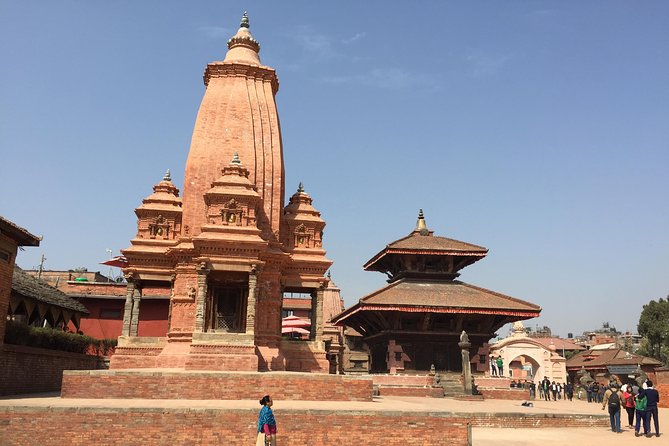
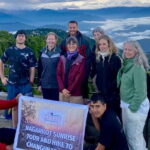
Day 6 is the day most people come for. You visit Nala Nepal, the community school stop (about 3 hours), where there’s a social tourism special program for school children. Then you have a farewell moment tied to the community experience.
The volunteering part is the moral center of the trip. In the feedback I saw, people repeatedly pointed to school time as the most meaningful section—because it turns you from observer into participant. And yes, it can feel emotional. If you’re the type who gets a little uncomfortable with “help” that’s more symbolic than practical, this program’s structure (a dedicated school program, not just a quick photo stop) is the reason it lands well.
After that, there’s Kali Temple (about 1 hour) with admission listed as included. It’s a nice contrast day: human connection with children, then a spiritual stop with wide views over the valley.
For you, the best mindset is simple: show up respectful, follow guidance, and remember the community is the host. Even when your tasks are small, your attitude is the main contribution.
Day 7: Dhulikhel Zipline and the Namobuddha monastery hike toward Panauti
Day 7 brings action and spirituality in the same day. First up is Dhulikhel Zipline – Worldwide Adventures (about 1 hour) with admission listed as included. If you like variety, this is a fun break from walking-heavy days. It’s also a good way to burn energy after temple and monastery time.
Then you hike from Dhulikhel to Namobuddha, and you spend time at Namobuddha Monastery (about 3 hours listed). The day includes rest at the monastery and spiritual time with monks, then you reach Panauti. There’s also a route reference to Khadpu and a mention of views toward Balthali, plus time along the way near the Punya-Mata River area.
This day works well because it balances two different kinds of learning. The zipline gives you movement and adrenaline. The monastery and monk spiritual time shift you into listening mode. If you’re worried you’ll feel tired from all the walking, this is where the earlier “gentle hike” design helps—your body isn’t thrown into a full on endurance push.
Quick suggestion: bring something light you can wear under a jacket (temples and monasteries can mean shifting temperatures, especially as the day goes on).
Day 8: Doleshwor Mahadeva, Nagadesh Buddha Vihar, and Pilot Baba Ashram
Your final day continues the theme of spiritual places with local texture. You visit Doleshwor Mahadeva Temple (about 1 hour, free admission), then Nagadesh Buddha Vihar (about 1 hour, free admission). Nagadesh also connects to ethnic communities and a local market element, which makes it feel less like a “tour stop” and more like a neighborhood moment.
The day ends at Pilot Baba Ashram (about 1 hour, admission listed as included) for a hilltop view moment. Pilot Baba is one of those places people remember because the setting feels dramatic even if you don’t know every detail. You finish back at the meeting point in Thamel.
I like the wrap-up because it doesn’t leave you in Kathmandu traffic with only Durbar Square memories. Instead you carry a mix: city temples, hillside hikes, monastery calm, and a community school experience that sticks.
Meals, homestay life, and how you actually learn Nepali culture
One of the most practical things about this trip is that it doesn’t separate culture from daily comfort. The program includes Nepali style meals and combines homestay, local guesthouse, and hotel accommodation as part of the overall experience.
That matters because you learn culture through small things: what’s served, how people pace a meal, and how you’re received when you’re not just a visitor with a guidebook. It’s also why the community volunteering piece feels connected rather than bolted on. Even if you’re tired, you’ll still get a sense of how life is organized.
From what I gathered, guides and hosts play a major role here. Names like Shiva come up in positive feedback, and one traveler also noted an airport pickup arranged by Bunu. When you have that kind of continuity, you waste less energy figuring out what’s next and more energy paying attention to what you’re actually seeing.
Price and value: what $1,069.97 buys you in Nepal
At $1,069.97 per person for about 8 days, you’re paying for a bundled “do it for me” structure: pickup from Thamel, air-conditioned vehicle, and meals included across most days. The tour also lists all fees and taxes included, even though the stop list specifically notes at least one admission not included (Pashupatinath).
So what does that mean for you? You’re mostly paying for logistics plus local access: transport, guided movement through major sites, arranged community school time, and the transport-heavy days built around hills and viewpoints.
What you should budget extra for, based on what’s explicitly listed: personal bills, travel insurance, and tips to guide and driver. If you’re the type who hates paying surprises, this trip is pretty predictable. The only “watch this” item is that one temple admission isn’t included.
If value is your goal, I’d compare it to doing Kathmandu temples plus Nagarkot hikes plus volunteering on your own. You’d likely end up paying similar totals once you add transport, guides, entry fees, and a safe community connection.
Practical considerations so your feet and brain feel good
A trip like this is part hiking, part city walking, part community time. That means you’ll want to dress like you expect both uneven stairs and changing weather. Comfortable shoes matter more than fancy gear.
Also, plan your energy. Temple days can be concentrated. Hill days can be calmer, but visibility and daylight can change your day. If skies aren’t clear, keep your expectations flexible and focus on the walking and conversations rather than only on photos.
Finally, for the volunteering portion: go in with a respectful attitude, keep it simple, and let your hosts guide your role. Even when your tasks feel small, the intention and consistency are what make it meaningful.
Should you book this Kathmandu volunteering and Nagarkot hiking trip?
I’d book this if you want Nepal that goes beyond photos—temples plus community school time plus Nagarkot views in one organized package. It’s especially a good fit if you like structured days but still want space for genuine human contact.
Skip it if you need lots of free time to wander independently, or if you’re craving a long, slow village stay with very little movement. This trip is meaningful, but it’s still a fast 8-day loop.
If you want a guided, well-rounded experience where your money goes toward both access and community connection, this one makes sense.
FAQ
Where does the tour start and end?
It starts in Thamel, Kathmandu, and ends back at the same meeting point.
How long is the experience?
It runs for about 8 days.
What’s the price per person?
The price listed is $1,069.97 per person.
Is pickup included?
Yes, pickup is offered.
Is the tour private?
Yes. Only your group participates.
What meals are included?
Breakfast is included 7 times, lunch is included 7 times, and dinner is included 6 times.
What activities involve volunteering?
You visit the community school in Nala Nepal for a social tourism special program for school children, with a farewell moment.
Which hiking experiences are included?
You hike from Sundarijal Water Falls toward Chisapani and Nagarkot, you do the Nagarkot panoramic hiking trail, and you also hike toward Namobuddha and onward toward Panauti.
Are entrance fees included?
Many site tickets are listed as included or free, but Pashupatinath Temple admission is specifically noted as not included.
What’s not included in the price?
Personal bills, travel insurance, and tips to the guide and driver are not included.