REVIEW · KATHMANDU
Everest Base Camp Trek – Hiking to Mt Everest
Book on Viator →Operated by Adventure Vision Treks and Travels · Bookable on Viator
Lukla kicks off Everest for real. This private Everest Base Camp trek runs about 15 days and takes you from Kathmandu to Lukla by flight, then step-by-step up to base camp at 5,363m. You’ll get guided hikes, tea house overnights, and a return by the same Lukla route, with a whole team focused on keeping you on track.
I really like the human side here. The trip is built around Sherpa culture—villages, monasteries, and the kind of mountain hospitality that makes the altitude feel more manageable, not just harsh. In the feedback I’m drawing from, people keep pointing to owner Jiban’s coordination and guides such as Tony and Tika for steady support and good communication.
The main thing to think about is the reality of altitude and mountain flights. You’re aiming at high passes and spending multiple nights above 4,000m, and Lukla weather can affect schedules—so you should be ready for changes in the plan.
In This Review
- Key things that make this Everest Base Camp trek click
- Price and what you’re paying for (and what you’re not)
- Kathmandu arrival and prep: where you actually start
- The Lukla flight: the start that sets your pace
- Days 3 to 5: Phakding to Namche Bazaar and your first altitude lesson
- Tengboche: monastery views and the feel of the Khumbu
- Dingboche acclimatization: where your body starts negotiating
- Lobuche to Gorak Shep: the route turns serious
- Kalapatthar and Pheriche: a second high point without the chaos
- Back down: Pheriche to Namche to Lukla
- Day 14: early flight back to Kathmandu and a last look around
- Who this trek suits best (and who should think twice)
- My take: is $1,500 good value here?
- Should you book this Everest Base Camp Trek with Adventure Vision?
- FAQ
- What’s the highest point on this Everest Base Camp itinerary?
- Where does the trek start and end?
- How do you travel between Kathmandu and Lukla?
- What kind of lodging do you get during the trek?
- Are meals included?
- Does the price include a guide and porter?
- What’s not included in the tour price?
Key things that make this Everest Base Camp trek click
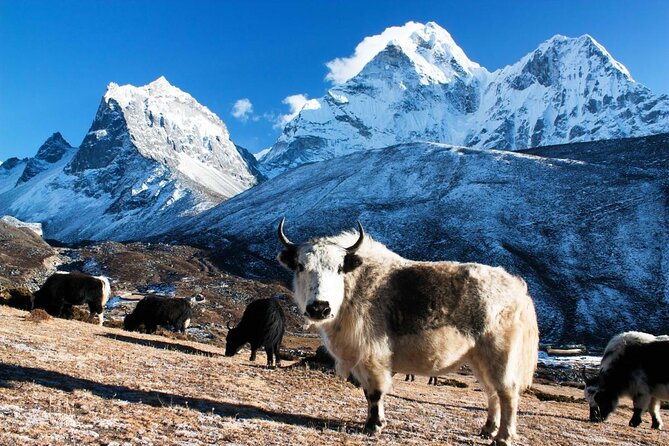
- Private group experience with guide and porter support throughout your trekking days
- Acclimatization days in Namche Bazaar and Dingboche to help your body adjust before the higher sections
- Real mountain nights in tea houses, including breakfast, lunch, and dinner during the trek days
- Guided navigation through the classic route via Tengboche, Gorak Shep, and up to Kalapatthar
- Strong coordination from Jiban’s team, including handling last-minute booking or timing problems professionally
- Flights included both ways (Kathmandu to Lukla and back), so logistics don’t eat your energy
Price and what you’re paying for (and what you’re not)
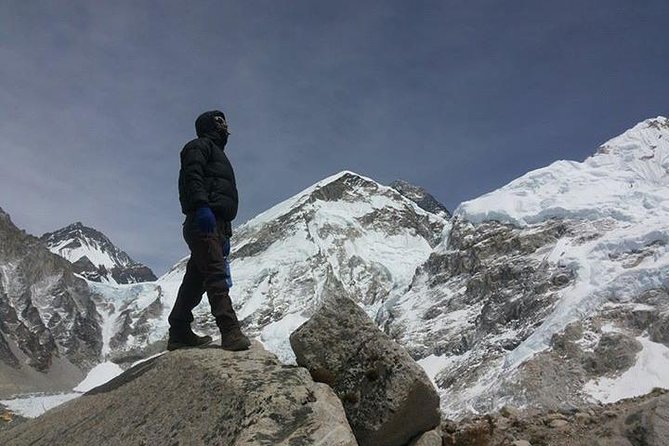
At $1,500 per person, this is priced like a guided, structured Everest Base Camp trek—not a cheap DIY adventure. What makes it feel more reasonable is what’s bundled in: airport pickup and drop, 3 nights in Kathmandu with breakfast, 11 nights in tea houses with breakfast during the trek, and meals (breakfast plus lunch and dinner on trekking days). You also get the Kathmandu-to-Lukla flights both ways, plus a guide and porter.
You’re also buying time and stress reduction. The trip includes preparatory sessions before and after arrival, a comprehensive medical kit, certificates, and government/local taxes. For Everest, those details matter because the plan is more fragile than people expect: weather, timing, and altitude all play a role.
What’s not included is also clear. You’ll still need to budget for your visa (and international airfare), insurance, drinks, tips, and personal expenses. If you’re the type who wants the cheapest possible nights and no logistics support, this won’t be the right fit.
You can also read our reviews of more hiking tours in Kathmandu
Kathmandu arrival and prep: where you actually start
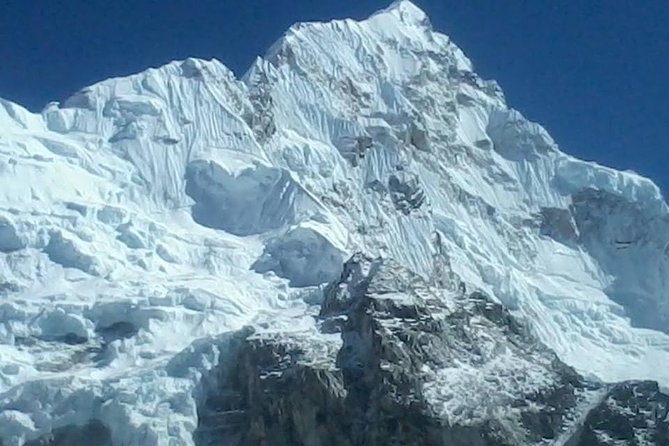
Day 1 is simple: you arrive in Kathmandu, and the team handles airport pickup and drop. Day 2 is for two things that make the trekking days go smoother: exploring the Kathmandu Valley and using that time to prepare.
That prep time is not just a formality. It’s when you can get your head straight about what comes next: the Lukla flight, the steep daily hiking rhythm, and the fact that you’ll be sleeping at altitude long before you reach the highest points. If you’ve never done a high-altitude hike before, this is the part of the trip that helps you avoid panicking later.
The Lukla flight: the start that sets your pace
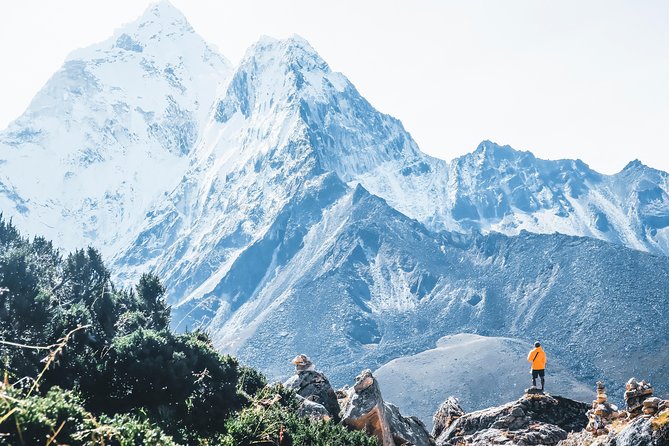
On Day 3, you fly from Kathmandu to Lukla (2,840m) and then trek to Phakding (2,640m). Even though that opening day is not the highest, it’s a gut-check. You go from city air and traffic energy to mountain trail mode quickly.
Lukla matters because it changes the entire experience. Flights can be weather-sensitive, and the route depends on timing. In the feedback I’m using for context, people appreciated that the operator and guides handled delays with Plan B and managed last-minute changes without drama. That matters more than people think, because on an Everest schedule, one missed connection can snowball.
Days 3 to 5: Phakding to Namche Bazaar and your first altitude lesson
After Phakding, the trail climbs to Namche Bazaar (3,440m) on Day 4. It’s one of the best transitions on this trek: you feel like you’re moving toward the big goal, but you’re still close enough to the lower trail comforts to find your rhythm.
Day 5 is an acclimatization day in Namche Bazaar. This is where you learn a key Everest rule: going higher too fast is what makes a trek miserable. The route gives you a chance to adjust and recover before pushing further.
Namche Bazaar is also where the trek becomes more than hiking. It’s a hub for Sherpa life and mountain commerce, and you’ll spend time moving through a place that feels built for people who live with the mountains every day.
Tengboche: monastery views and the feel of the Khumbu
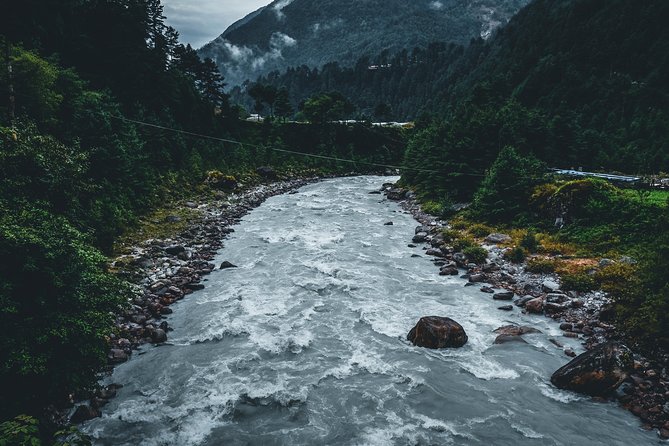
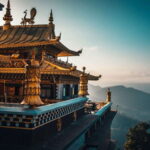
Day 6 takes you from Namche to Tengboche (3,867m). This is often a favorite day because Tengboche is known for its monasteries and the spiritual side of the region. Even if you’re not a temple person, the atmosphere tends to slow you down in a good way.
You’re still climbing, but the day is paced within the trek’s overall logic. You’ll have been living at increasing altitude for a few days already, so the walk feels like an extension of your acclimatization rather than a sudden attack.
If you’re into culture as much as views, this stop gives you both: mountain prominence plus a glimpse into the traditions that shape life here.
Dingboche acclimatization: where your body starts negotiating
On Day 7, you trek to Dingboche (4,350m), a big jump in altitude from the previous camp. Then Day 8 is another acclimatization day—this one is essential because you’re now entering the higher zone where “normal” feels harder.
This is the part of the trek where you learn how your body handles thin air. Some people feel tired; others feel breathless. The important thing is that the trek plan builds in rest rather than forcing you to sprint upward. That design is the difference between reaching base camp feeling proud versus arriving wrecked.
Lobuche to Gorak Shep: the route turns serious
Day 9 goes from Dingboche to Lobuche (4,931m). Day 10 is the big push: Lobuche to Everest Base Camp through Gorak Shep, topping out at 5,170m around Gorak Shep, then continuing to Everest Base Camp at 5,363m.
This day is all about managing effort. The air is thinner, and every step costs more. I like that the route doesn’t pretend this part is easy; it builds your body’s readiness through the earlier acclimatization stops, so you arrive able to enjoy the moment instead of only surviving it.
And when you finally reach base camp, it’s not just the altitude you’re absorbing. It’s the big-scale feeling: massive glaciers, high ridgelines, and a starkness that makes everything seem more real than photos.
Kalapatthar and Pheriche: a second high point without the chaos
On Day 11, you go from Everest Base Camp to Kalapatther (5,545m), then down to Pheriche (4,210m). Kalapatthar is the highest point on this itinerary, and it’s a different kind of payoff. You’re not just checking a box—you’re getting that sharper, more commanding “over the mountains” view from high ground.
Then you drop to Pheriche, which is smart. You gain height, take in the moment, and then let your body reset at a lower altitude. For many people, that balance is what keeps the later days from turning into a slog.
Back down: Pheriche to Namche to Lukla
Day 12 brings you from Pheriche back to Namche Bazaar. Day 13 continues down to Lukla. This section is a relief in terms of altitude stress, but it’s still real walking. Your legs will feel it, especially after the high days around base camp.
The value of returning this way is that you’re not just retreating randomly—you’re retracing the route with a plan that keeps the altitude change gradual.
Porter and guide support matter most here too. A tired trekker can still keep moving when there’s a team that helps pace you and handle the practical pieces.
Day 14: early flight back to Kathmandu and a last look around
Day 14 is an early scenic flight back to Kathmandu, followed by an exploration day in the Kathmandu Valley. This is a nice rhythm shift: you trade thin-air exertion for city-level normal.
If your head is still spinning from the trek, that’s normal. A day to walk, eat well, and see Kathmandu again helps you come down gently instead of ending the trip feeling oddly flat.
Who this trek suits best (and who should think twice)
This experience is listed as suitable for travelers with moderate physical fitness. That means you don’t need to be a mountain athlete, but you do need to be ready for steady daily hiking and long time on your feet at altitude.
It’s also described as a private tour/activity, so it’s a good match if you value having your own group rather than mixing into random schedules. That said, the trek itself still follows the realities of the Khumbu: tea houses, shared trail time, and altitude constraints.
If you know you struggle at higher elevations, or you’re not comfortable with flight timing around Lukla, you’ll want to think carefully and plan training days beforehand. (Your goal isn’t just reaching base camp—it’s reaching it and still feeling human.)
My take: is $1,500 good value here?
For Everest Base Camp, this price lands in the “you’re buying support” category. The reason it feels like a fair deal is the mix of inclusions: flights, a guide and porter, Kathmandu lodging and trekking tea house stays, and full trek meals. You’re also covered for preparation time and a medical kit.
Where the value gets tested is how well you match the trek demands. If you’re physically ready for altitude and you accept that Lukla timing can change, this looks like a strong way to do Everest without turning your trip into logistics homework.
Should you book this Everest Base Camp Trek with Adventure Vision?
I’d book it if you want the classic Everest Base Camp route with structured acclimatization, guided navigation, and a team that’s known for handling changes calmly. From the names showing up in the operator’s sphere—Jiban coordinating, with guides like Tony, Tika, and Durga Kadel—this company clearly focuses on care and organization, not just moving people down the trail.
I’d hesitate if you’re looking for the cheapest possible version of Everest, or if altitude is a big unknown for you. This trek is built for people who can hike day after day, then handle a couple of high points like Kalapatthar (5,545m).
FAQ
What’s the highest point on this Everest Base Camp itinerary?
The trek reaches Kalapatther at 5,545m on Day 11. Everest Base Camp itself is listed at 5,363m.
Where does the trek start and end?
It starts in Kathmandu, flies to Lukla, then treks to Everest Base Camp and returns to Lukla. After that, you fly back to Kathmandu and finish your trip.
How do you travel between Kathmandu and Lukla?
You take a flight from Kathmandu to Lukla, and then another flight from Lukla back to Kathmandu.
What kind of lodging do you get during the trek?
You stay in family-run tea houses for 11 nights during the trek, and 3 nights in Kathmandu with breakfast before the hiking starts.
Are meals included?
Yes. During the trek, the package includes breakfast, lunch, and dinner. Kathmandu includes breakfast as well.
Does the price include a guide and porter?
Yes. The trek includes a guide and porter for the duration of the trek.
What’s not included in the tour price?
Not included are visa cost, international airfare, drinks and beverage cost, insurance, and personal expenses, tips, and shopping.