REVIEW · STOCKHOLM
Stockholm: Winter Snowshoe Full-Day Hike
Book on GetYourGuide →Operated by The Green Trails · Bookable on GetYourGuide
Frozen lakes beat cabin fever every time. This winter snowshoe day trip from Stockholm is built for real cold-weather hiking: snowy forests minutes from the city, guided to keep you steady on ice, with a campfire lunch that actually warms you up. The possible downside is simple—if there isn’t enough snow, you’ll shift from snowshoes to ice grips, so the experience becomes more of a winter hike than a deep-powder tramp.
I like how the day mixes hands-on walking skills with Swedish nature talk, not just scenic stops. You’re out long enough to feel like you left the pavement behind, and you’ll hear it in the guides’ voices—people have called out guides like Tigo, Eric, and George for being friendly, inclusive, and ready with answers in English or Swedish.
Logistics are also pretty friendly. You’ll meet near major transit, get picked up, then ride out by minivan to the best snow-covered area for the season. Just plan to bring proper cold-weather gear and warm socks, because this tour is about being outside, not staying cozy in a vehicle.
In This Review
- Key Highlights You’ll Care About
- Why This Stockholm Winter Hike Feels So Close to Real Nature
- 7 Hours Outdoors: How the Day Typically Unfolds
- Pickup and minivan transfer to the best winter terrain
- Safety instructions and the walking lesson
- Hike through forest and across frozen lakes
- Campfire lunch: warm food, a break from effort
- Return transfer and drop-off
- The Snowshoe Plan (and the Ice-Grip Reality Check)
- Where You Meet: Skanstull, Mariatorget, or Stockholm Södra
- Campfire Lunch: Why It’s More Than Just Included Food
- Small Group Energy: Up to 8 People Makes a Difference
- Price and Value: What $176 Really Buys in Winter Stockholm
- What to Pack: Stay Warm, Stay Dry, Stay Comfortable
- Who Should Book This Hike (and Who Might Not Love It)
- Should You Book This Stockholm Snowshoe Hike?
- FAQ
- How long is the snowshoe hike?
- What does the tour cost?
- What’s included in the price?
- What should I bring if I want to be comfortable?
- What happens if there isn’t enough snow for snowshoes?
- Where do I meet for the tour?
- How big is the group?
Key Highlights You’ll Care About
- Snowshoe experience with an ice-grip backup when snow levels are low
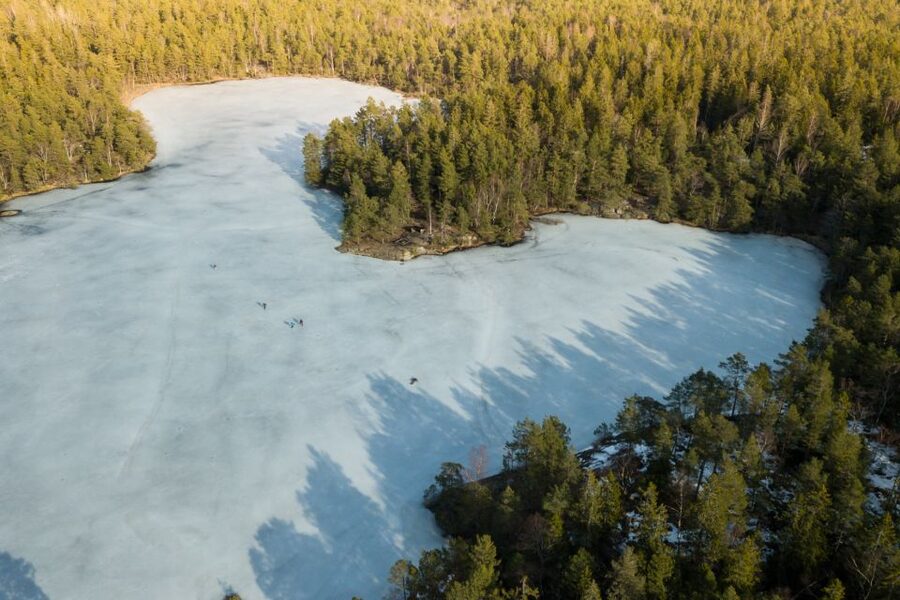
- Frozen-lake walking plus guidance on how not to slip
- Campfire lunch that breaks the day into warm and active halves
- Small groups (up to 8) for easier questions and attention
- English and Swedish guides, with a comfort-first vibe
- Dry bags and safety equipment included so you don’t scramble at the last minute
Why This Stockholm Winter Hike Feels So Close to Real Nature
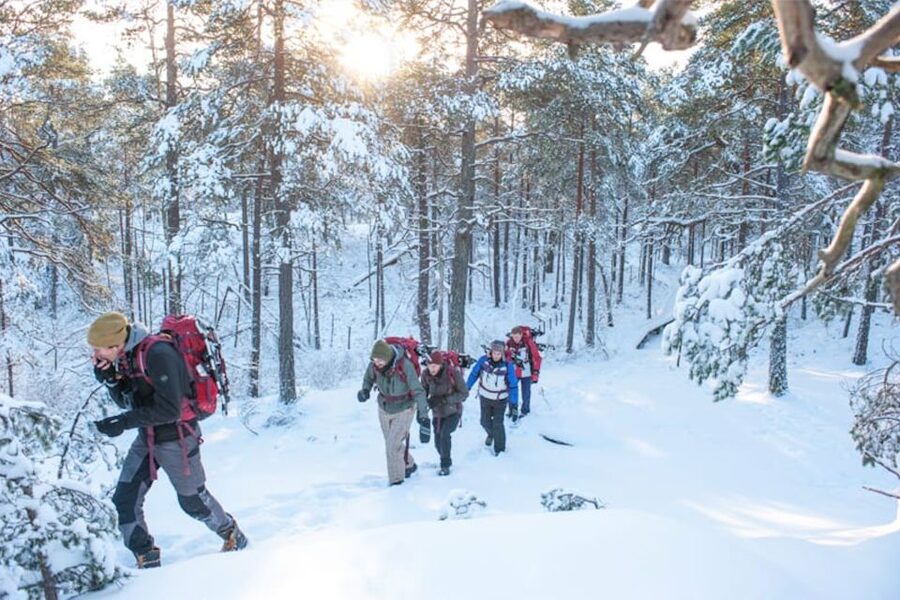
Stockholm in winter can feel both dramatic and exhausting—cold air, gray skies, and long waits for daylight. This hike solves that by getting you out fast, then keeping you moving for hours. You’re not traveling hours into the countryside for the experience; the tour is designed around snow-covered terrain that’s reachable from the city.
What I love about this setup is the mix of “wow” and “how.” You get deer tracks in the snow, frozen lakes, and snow-laced trees. But you also learn the practical stuff: how to walk on snow and ice as a group, without turning it into a slippery comedy routine.
And yes, it’s pretty. But the best part is how the scenery comes with context. Expect your guide to explain parts of the Swedish ecosystem and how wildlife fits into winter conditions. That turns the walk from a simple photo stop into something you can actually understand while you’re cold and moving.
You can also read our reviews of more hiking tours in Stockholm
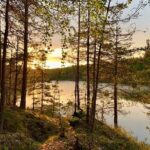
7 Hours Outdoors: How the Day Typically Unfolds
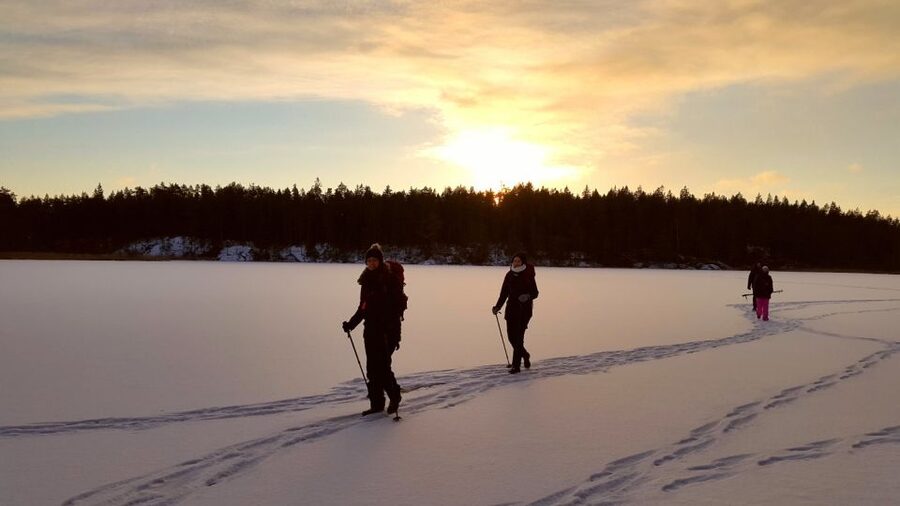
Even though the outing is described as an 8-hour adventure-style experience, the duration is listed as 7 hours—so treat it as a full-day slot and check the start time options when you book. Here’s what the flow looks like, in plain terms.
Pickup and minivan transfer to the best winter terrain
You start with pickup in central Stockholm. Then you ride by minivan to a landscape that matches the conditions for the time of year. This matters because winter snow isn’t guaranteed everywhere or every day. A good operator targets where conditions are most hikeable.
Safety instructions and the walking lesson
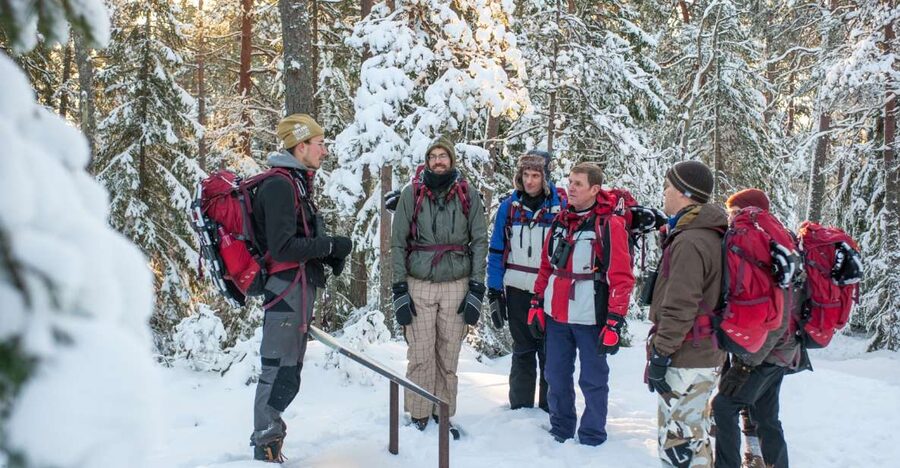
At the trail start, your guide covers safety instructions for walking on snow and ice. This isn’t just legal talk. You’re learning how to move your weight, keep footing, and walk as a group on a winter surface that behaves differently than pavement. Your guide also has high-quality safety equipment for the hike.
Hike through forest and across frozen lakes
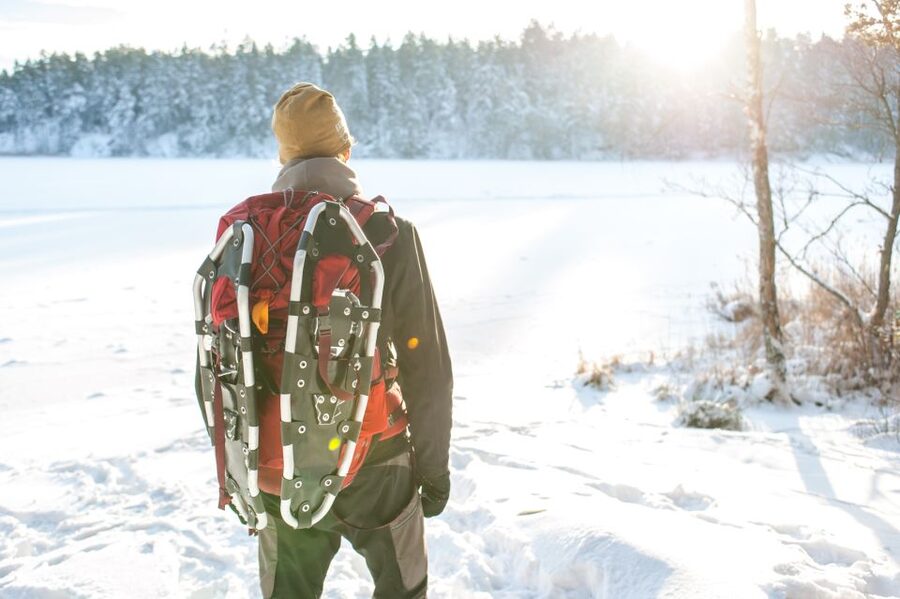
Then you move into the main experience: a snow-filled forest walk and sections that take you over frozen lakes. You’ll be out long enough that you notice changing textures—snow depth, compacted tracks, and the way ice looks from different angles.
Expect your guide to keep connecting what you see to the local environment—Swedish wildlife and ecosystem basics—so you’re not just scanning for pictures. People have specifically praised guides like Tigo, Eric, and George for being friendly and ready to answer questions.
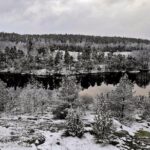
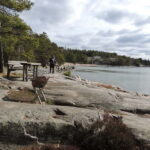
Campfire lunch: warm food, a break from effort
When you get hungry, you stop at the campfire for lunch. The included meal is described as organically produced restaurant food, and it’s served as a warming pause rather than a rushed snack.
This is also when the group energy changes. After hours of cold air and steady walking, a fire-centered break feels like a reset button. One of the most praised parts of the day is the lunch-by-fire setup, where you’re not stuck sitting with a paper cup of coffee—you get time to warm up and slow down.
Return transfer and drop-off
After lunch, you continue for more scenery, then transfer back to the meeting point and end the tour services.
The Snowshoe Plan (and the Ice-Grip Reality Check)
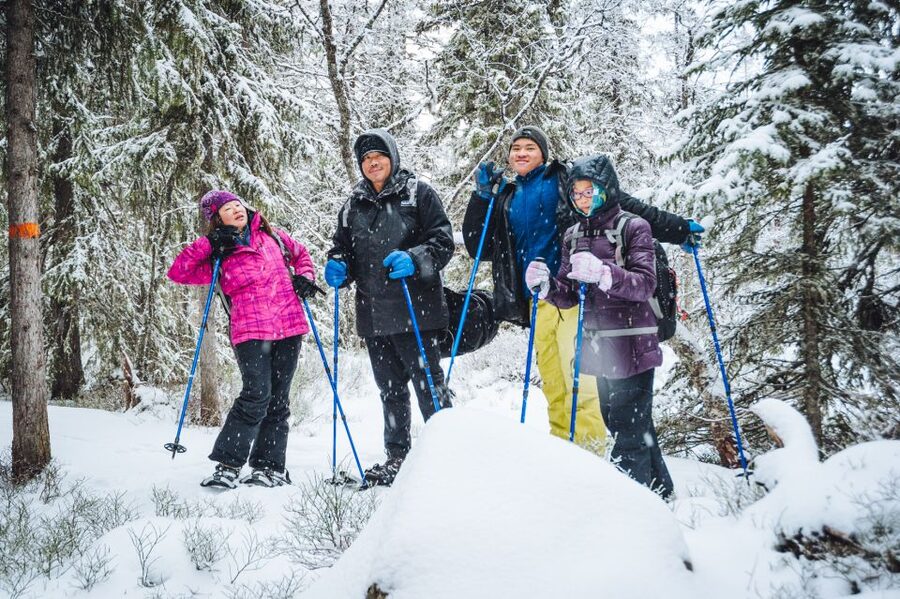
The big headline is snowshoe hiking. But the tour is smart about one winter problem: snow depth. The rules are clear—if the snow level isn’t sufficient, you’ll use ice grips under your shoes instead of snowshoes.
So what does that mean for your expectations?
- If snow is deep enough, you’ll get the proper snowshoe experience—more flotation, a different feel underfoot, and the classic quiet-winter vibe.
- If snow is thin, you’ll still hike through snowy and wintery terrain, just with traction instead of snow flotation. Reviews have even pointed out that when snow wasn’t what they hoped for, the hike still worked and stayed beautiful—just more like a winter trek than a full snowshoe stomp.
Either way, you should expect a winter walking challenge. The guide’s safety instructions matter, and your own shoe grip matters too. This is not a “stroll and snap selfies” outing.
Where You Meet: Skanstull, Mariatorget, or Stockholm Södra
The meeting point is convenient for transit users. It’s about a 10-minute walk from both Skanstull metro station (green line) and Mariatorget metro station (red line). It’s also an 8-minute walk from Stockholm Södra station on the Pendeltåg (suburb train).
You end back at the same meeting point. The takeaway: plan your day so you can get to one of those areas without stress. You don’t want to arrive underdressed or already running late in winter conditions.
If you’re staying near other parts of central Stockholm, do the math on your walk-to-transit time. The tour includes pickup and drop-off, but your personal timing still matters, especially in snow and low visibility.
Campfire Lunch: Why It’s More Than Just Included Food
A lot of winter tours include a snack. This one leans hard into the campfire break, and that’s a big reason the day gets strong marks.
You’ll stop for lunch by the fire and warm up. The meal is included, and it’s described as organically produced restaurant food. Even if you’re not a “camp food” person, the format works because it changes the rhythm of the day.
This is also where the tour becomes social. Small groups tend to talk more during the break than on the move. And because guides like Tigo and Eric are praised for being friendly and responsive, lunch becomes an easy time to ask questions about what you’re seeing—winter wildlife, Swedish nature, or how locals handle the season.
In one account, the group even got involved with the fire itself, learning some of the process. You should view it as part of the experience, not a show. The goal is warmth and comfort so you can enjoy the hike’s second half.
Small Group Energy: Up to 8 People Makes a Difference
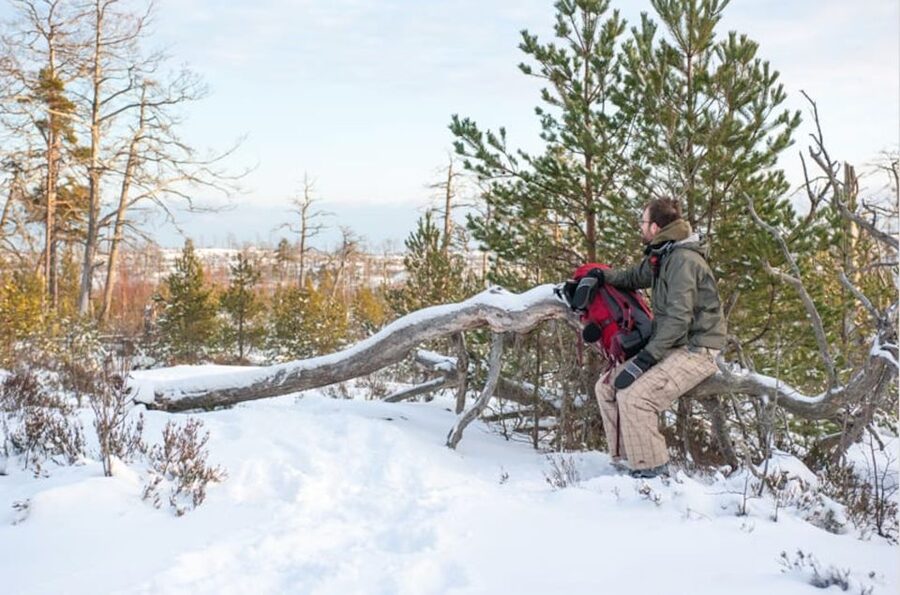
This tour is capped at 8 participants, and that changes everything about a winter hike.
With a small group:
- You get more direct attention when the terrain gets tricky.
- You can ask questions without feeling like you’re interrupting a lecture.
- The guide can adjust pacing if someone needs a breather or a slower footing practice.
Reviews also highlight that guides have a strong “everyone feels included” approach, including support across different English levels. If you’re the type who asks questions while walking, this is the kind of tour where your curiosity won’t get shushed.
And the guide quality shows up in the details: safety instruction, Swedish ecosystem explanations, and an easy friendliness. Tigo comes up repeatedly as especially engaging. Eric is also singled out for motivation and atmosphere. George is noted for inclusive group energy.
Price and Value: What $176 Really Buys in Winter Stockholm
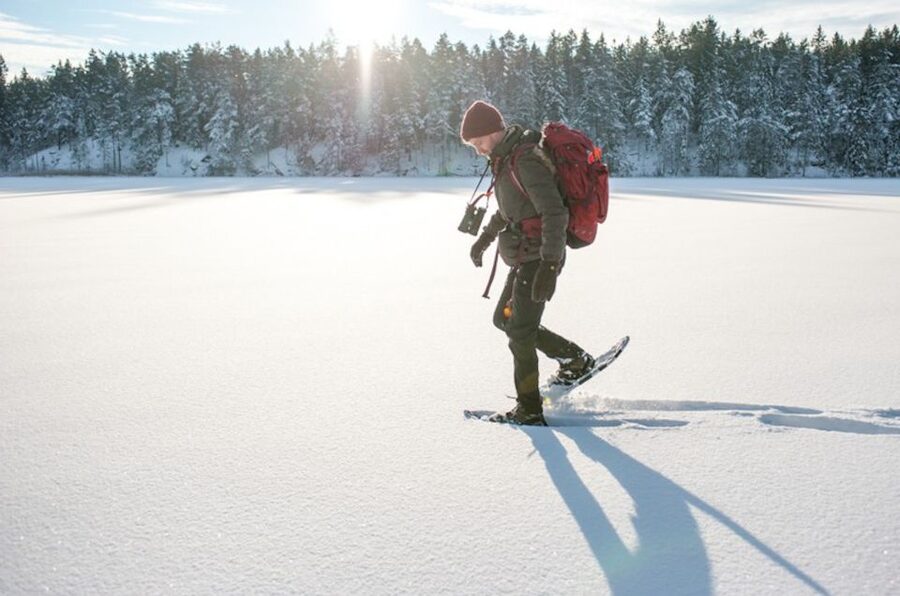
At $176 per person, this isn’t the cheapest thing you can book in Stockholm. So let’s talk value, not just cost.
You’re paying for four practical things that matter a lot in winter:
- Pickup and drop-off from central Stockholm, which saves time and reduces the risk of arriving flustered.
- High-quality safety equipment and dry bags, which helps you show up without buying extra gear.
- A guided winter walking skill lesson, including instruction on how to walk on snow and ice and what to do as conditions change.
- A campfire lunch included in the day, so you’re not trying to find somewhere open and warm in the middle of your trip.
Also, snowshoe/ice conditions aren’t controllable. The operator’s flexibility—switching to ice grips if needed—reduces the odds you’ll pay for something that gets canceled or turns into a disappointing “stand there and wait” outing.
So the price makes sense if you want more than scenery. You want a guided winter experience that’s designed for safety and comfort, not just for pictures.
What to Pack: Stay Warm, Stay Dry, Stay Comfortable
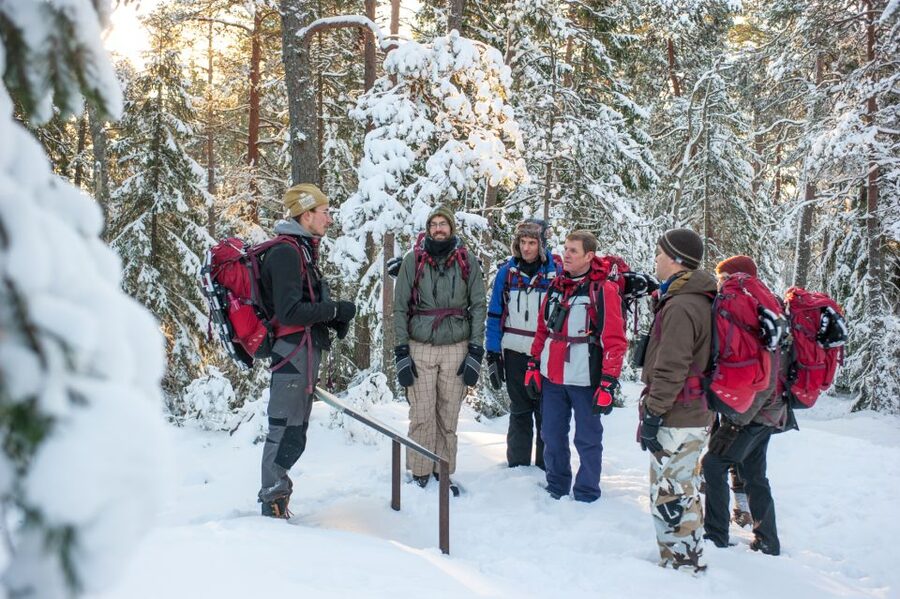
This tour is outside for hours. Clothing isn’t optional here.
You’ll want:
- A warm sweater plus a shell layer / waterproof jacket
- Hat, gloves, and scarf
- Ski pants or thermal leggings and trousers
- An extra pair of socks (wet socks happen)
- Warm socks and layers that you can adjust as you warm up from walking
Hiking boots are not included, so plan on wearing footwear that works in winter and has grip. The tour includes dry bags for your personal items, which helps—but it doesn’t replace good layering and dry socks.
One more detail that matters: if conditions mean you’re using ice grips, your shoes need to fit properly and grip safely with the added traction. That’s why choosing winter-appropriate boots helps your whole day.
Who Should Book This Hike (and Who Might Not Love It)
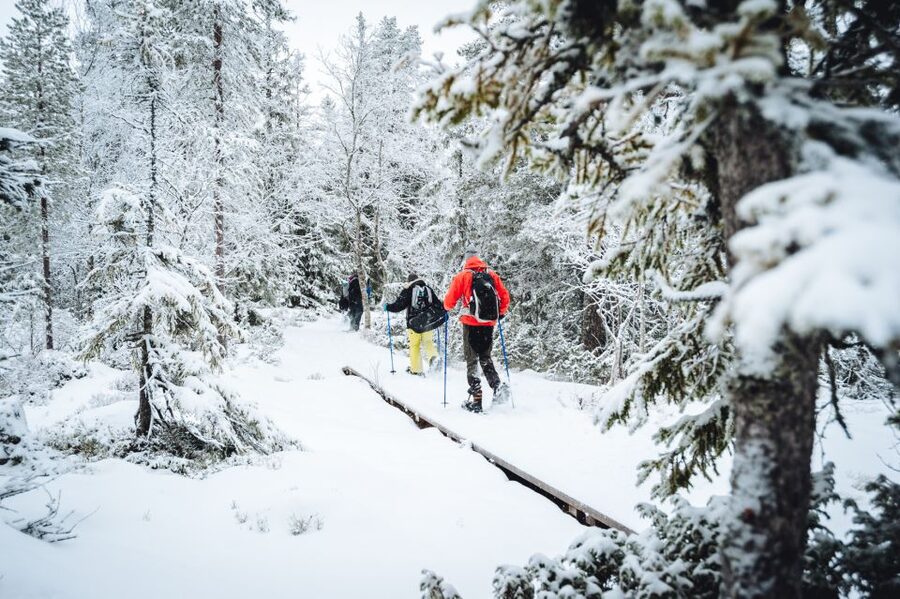
This is a great fit if you:
- Want winter scenery close to the city, without DIY planning
- Enjoy learning while you move, especially about Swedish nature and ecosystems
- Prefer a small group where you can ask questions
- Are comfortable dressing for cold and walking steadily for hours
It may be less ideal if you:
- Hate walking outdoors in winter weather
- Expect snowshoes no matter what the conditions are
- Don’t have proper cold-weather gear (especially gloves, hat, and extra socks)
Also, the day has worked well for a family outing where a 9-year-old had a blast. That doesn’t mean every child will thrive on a winter hike, but it suggests the pacing and group support can be family-friendly when kids are ready for cold and steady walking.
Should You Book This Stockholm Snowshoe Hike?
If your goal is a winter day that’s active, scenic, and guided, I’d say yes. The biggest wins are the small-group size, the practical safety instruction for snow and ice, and the campfire lunch that turns cold effort into a warm break. The tour also handles the real Stockholm winter issue—changing snow levels—by using ice grips when needed, so the day usually still delivers.
Book it if you’re willing to dress for cold and you want more than a quick photo walk. If you’re hoping for an easy, fully guaranteed deep-snow snowshoe fantasy, keep your expectations flexible.
If that sounds like your kind of winter travel, this is a strong choice for seeing frozen lakes and winter forests with an actual plan behind it.
FAQ
How long is the snowshoe hike?
The duration is listed as 7 hours (and the experience is described as an 8-hour adventure-style outing), so you’ll want to check the available start times.
What does the tour cost?
The price is $176 per person.
What’s included in the price?
Included are pickup and drop-off, a guided hiking tour, organically produced restaurant food for lunch, high-quality safety equipment, and dry bags for your personal items.
What should I bring if I want to be comfortable?
Bring appropriate winter clothing: a warm sweater and a shell/waterproof jacket, hat, gloves, scarf, ski pants or thermal leggings and trousers, and an extra pair of socks. Hiking boots are not included.
What happens if there isn’t enough snow for snowshoes?
If the snow level isn’t sufficient, the tour uses ice grips under your shoes instead of snowshoes.
Where do I meet for the tour?
The meeting point is a 10-minute walk from Skanstull metro station (green line) and Mariatorget metro station (red line), and an 8-minute walk from Stockholm Södra station on the Pendeltåg.
How big is the group?
It’s limited to a small group of up to 8 participants.