REVIEW · MOUNT ETNA
Etna Volcano: South Side Guided Summit Hike
Book on GetYourGuide →Operated by Ashàra Etna & Stromboli Guides · Bookable on GetYourGuide
Etna’s summit feels like another planet.
From Piazzale Rifugio Sapienza, you ride up by cable car to 2,500 meters and then walk among the summit craters with certified mountain and volcano guidance. I especially love the rim-walking photo stops, because you’re close enough to understand the scale of the Northeast Crater and the Southeast Crater’s recent activity. One thing to keep in mind: the summit area can be closed or shortened on active-volcano days, so your exact high point may change.
This trip is built for people who like real terrain, not a paved viewpoint. You’ll cross lava flows, pass a lava channel, and feel the altitude while the guide explains how Etna works in plain, human terms. My main caution is practical: the cable car ticket is not included and is listed as 52 EUR per person, payable on the spot (cash only), so it’s smart to plan for that early.
In This Review
- Key things I’d plan around before you go
- From Rifugio Sapienza to 2,500 m: how the day starts
- Stop-by-stop: the route that makes Etna feel real
- Cable car rise and first viewpoint
- Central Crater area: why the rim walk is the star
- Mount Etna: break time plus guided interpretation
- Valle del Bove: the lunar-like descent feeling
- Crossing a lava channel and heading back down
- Guides on Etna: what makes this hike feel safe and special
- Terrain and weather: what to pack so the hike feels doable
- Price and value: what $67.97 really buys on Etna
- Who this hike is best for (and who should skip it)
- Should you book Etna South Guided Summit Hike?
- FAQ
- FAQ
- Where do I meet for the Etna South summit hike?
- How long is the tour?
- What’s included in the tour price of $67.97?
- Do I need to pay extra for the cable car?
- What languages are the guides available in?
- What should I bring to hike on Etna?
- Is this hike suitable for everyone?
Key things I’d plan around before you go
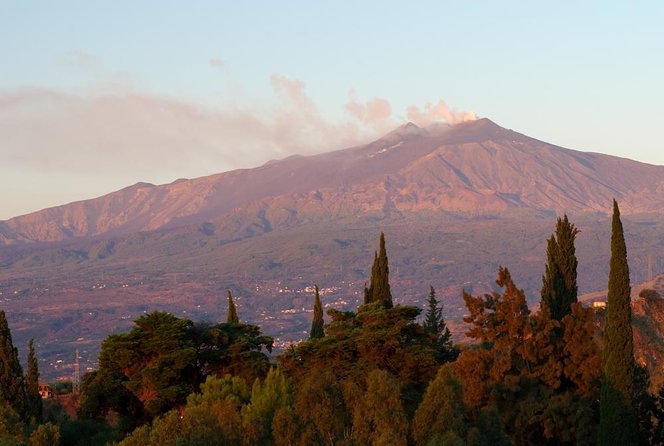
- Cable car altitude jump: you start the hike fast after going up to 2,500 m by gondola.
- Crater access isn’t guaranteed: on higher activity days, you may hike to the maximum allowed altitude instead of the full crater rim.
- Medium-High difficulty means traction matters: uneven, sandy sections plus altitude wind can make it feel harder than the distance suggests.
- Guides drive the safety decisions: expect real changes to route if conditions require it.
- You’ll be dressed for cold: even in warmer months, summit temperatures and wind can surprise you.
- Bring cash for the gondola: ticketing is on-site and cash-only is noted.
From Rifugio Sapienza to 2,500 m: how the day starts
Your day begins at the Ashàra meeting point at Rifugio Sapienza (Etna South), near the Terrazza dell’Etna restaurant. It’s an efficient setup: you meet your guide, get your gear, then move as a group toward the cable car area without a lot of wandering.
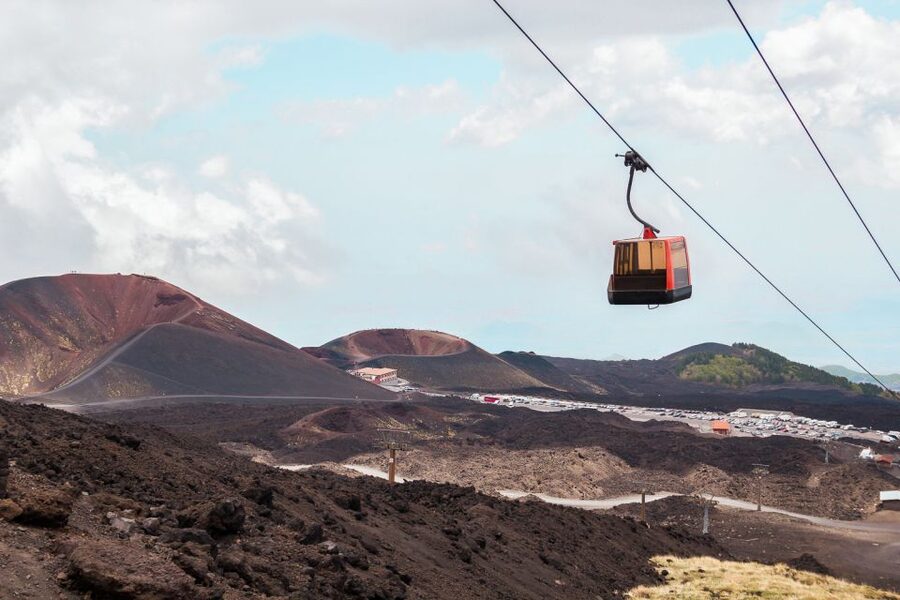
The gondola ride itself is part of the thrill. You’ll go up about 25 minutes to roughly 2,500 meters, which is where the air feels thinner and the terrain changes fast. That altitude jump matters because it shifts the hike from a “nice walk” into an honest effort, especially if the wind is pushing up the slope.
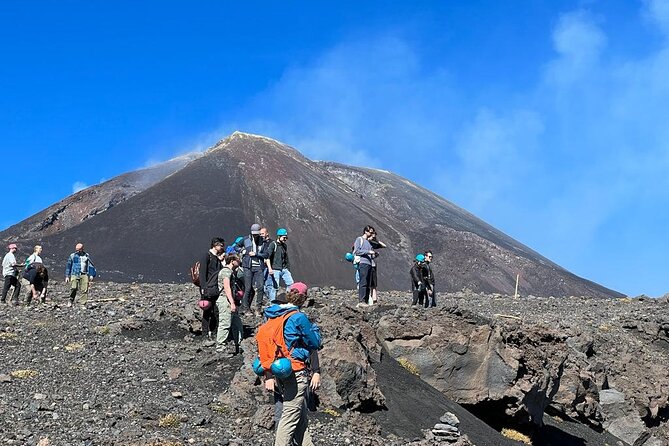
Once you’re out of the station, you start hiking through volcanic ground that looks and feels improvised by nature. Expect sandy and uneven patches, plus occasional stretches where footing requires attention. This is the kind of hike where trekking poles can feel like cheating—in a good way.
You can also read our reviews of more guided tours in Mount Etna
Stop-by-stop: the route that makes Etna feel real
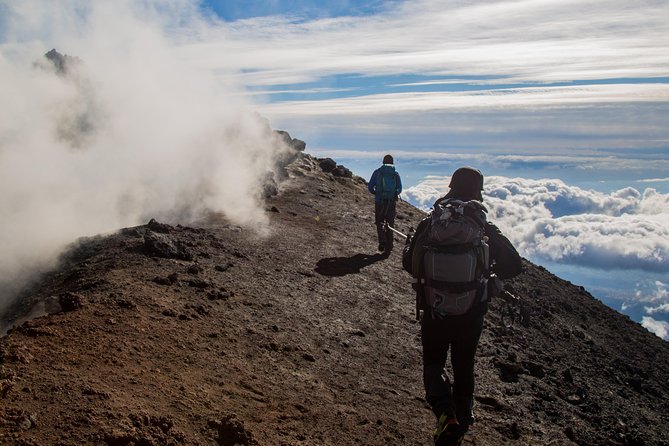
The walk is paced as a guided circuit rather than a straight climb to a single view. Each section has a different job: get you acclimated to the crater zone, put you near the key summit features, then bring you through the most “Etna-ish” ground you can safely reach.
Cable car rise and first viewpoint
After the gondola, there’s a short transition to a viewpoint segment. This is a good moment to get your breath under control before the longer crater walk begins. If you’re sensitive to altitude, start off slower than you think you need to and let the group rhythm work for you.
Central Crater area: why the rim walk is the star
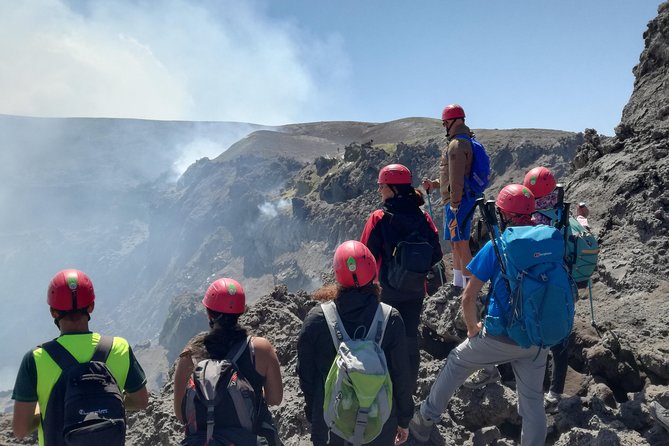
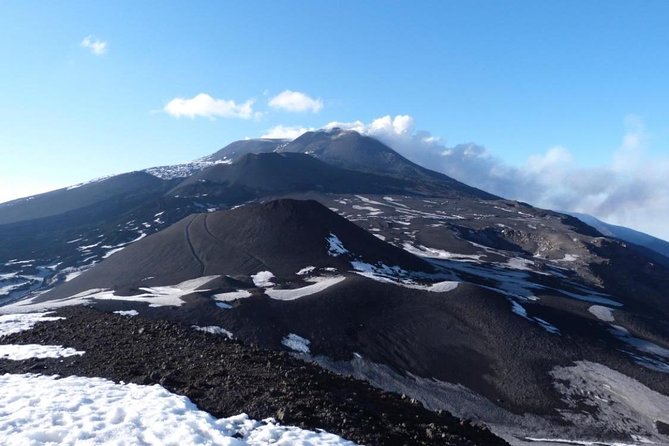
The heart of the experience is the time spent in the summit crater zone, including the Cratere Centrale dell’Etna area. This is where you’ll get sweeping views down and across the summit system, with focus on the Northeast Crater and the Southeast Crater.
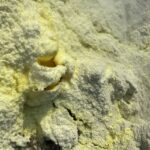
What makes this portion worth it is not just the view—it’s the context. Your guide is there to connect what you see with how Etna behaves: gas emissions, volcanic bombs, and the way sulfur and other elements can color the ground. On a clear day, you can really read the volcano instead of just looking at it.
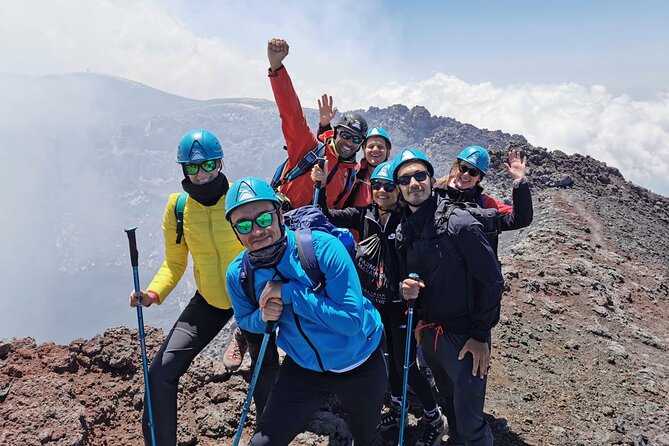
Photo stops are built in, because at summit rim level you’ll want to capture the scale. I like that the pace isn’t only about distance; it’s also about letting you stop, look, and understand what you’re seeing before moving on.
Mount Etna: break time plus guided interpretation
Then you hit the Mount Etna segment with a break and a guided tour. This is when you can regroup, drink water, and enjoy the crater setting without rushing. The guide’s explanations become especially helpful here, because the terrain starts to make more sense once you know what each feature represents.
On active days, you might not reach every intended summit point. That can sound like a letdown, but the better guides handle it by shifting to other safe vantage areas and still delivering the geology story. I’d rather have a slightly shorter summit rim experience than force a risky route.
You can also read our reviews of more hiking tours in Mount Etna
Valle del Bove: the lunar-like descent feeling
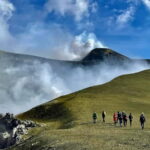
Later, you head toward Valle del Bove for about an hour of hiking. This is where Etna starts looking less like a single mountain and more like a whole system of broken ground and channels. If you like that otherworldly, moon-surface vibe, this is the section that tends to land for people.
You’ll also move through lava-flow country. The sensation is physical: loose volcanic sand underfoot, rocks that shift under careful steps, and long, open horizons that make distance feel bigger than it is.
Crossing a lava channel and heading back down
During the descent, you visit Barbagallo craters and cross a lava flow channel. That channel crossing is one of those moments where the hike becomes more than sightseeing. You’re walking through evidence of eruptions, not just beside a scenic overlook.
After the hiking loop, you ride the cable car back down. The return feels like a cooldown, but it’s also when you’ll appreciate what you earned earlier—because the higher you go, the more the whole mountain reads as a living landscape of rock, gas, and time.
Guides on Etna: what makes this hike feel safe and special
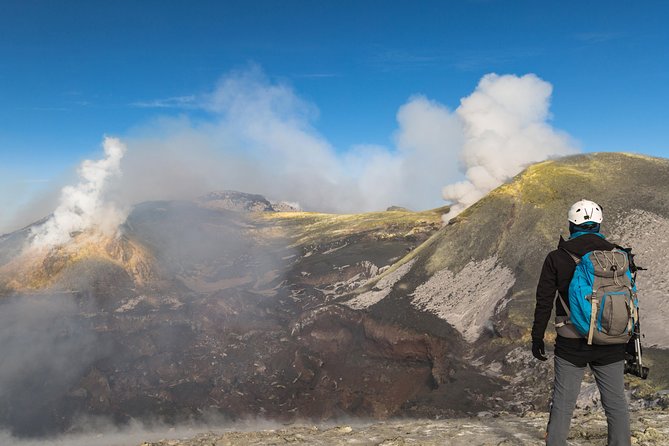
This is the kind of activity where the guide really matters. Etna is active, and your route can change if the summit craters are forbidden due to volcanic activity. When the plan adjusts, a good guide keeps it meaningful—views first, safety always.
I’ve seen this handled well by guides like Antonio and Giovanni in the way they explain what’s happening and keep an eye on the group. Names that come up often include Massimo, Marco, Nello, and Max, plus Mary in organization. Each of them seems to bring the same core style: clear safety boundaries, steady pacing, and explanations you can actually repeat later.
The best part is how they talk about the volcano. Instead of vague statements, you get specific links between what you see—crater rim, emissions, bomb-like rocks, colored ground—and what Etna has done. It turns the hike into an outdoor lesson you don’t have to study for.
Safety also comes through in small decisions: slowing the group for uneven steps, managing breaks, and rerouting when necessary. People talk about feeling safe even when Etna was active on the day of the hike. That’s exactly what you want from a certified volcano guide.
One extra plus: some guides have offered bonus viewing after the official hike ends—like a lava tunnel sample—if timing allows and the day’s conditions make it possible. Don’t count on it, but it’s a nice example of why a strong guide adds value.
Terrain and weather: what to pack so the hike feels doable
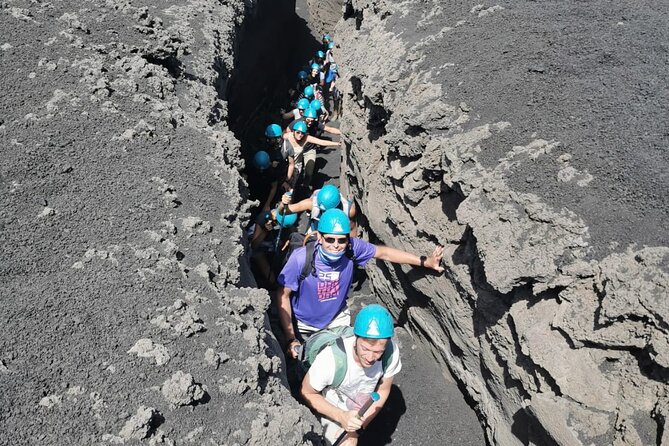
This hike is aimed at moderately trained hikers comfortable on sandy or uneven terrain, with a medium-high difficulty level. If that’s you, great. If you’re new to altitude hiking or you don’t hike much, plan to slow down and give yourself a margin.
Weather is a major variable. Even outside winter, you can face cold wind high up. Some hikers reported snow during an end-of-May trek, so you should pack like conditions could turn quickly. That means layers.
You’re expected to bring:
- sunglasses and sunscreen
- sun hat
- jacket and long pants
- socks and a t-shirt (plus an extra layer in your daypack is a smart idea)
- a daypack (around 10–20L)
- food and drinks, plus snacks
- water and a packed lunch
They provide hiking boots, a rock helmet, and walking sticks. That gear helps a lot with footing and head safety, especially on rocky, uneven crater terrain.
One small but important clothing note: shorts are not allowed, and sleeveless shirts aren’t allowed either. It’s a day for long pants and a proper top—partly for comfort, partly for sun and debris.
If you run cold easily, this is where extra layers help. Some people also mention that extra warmth gear like jackets was available if needed, but don’t assume that’s a guaranteed fix for everyone. Bring what you need to stay comfortable.
Price and value: what $67.97 really buys on Etna
The listed price is $67.97 per person for the guided hike experience (about 6 hours). That figure covers the hiking tour, the volcano or alpine multilingual guide, and safety gear like boots, helmet, and walking sticks, plus accident insurance.
The big extra cost is the cable car ticket: 52 EUR per person, payable on the spot and noted as cash only. That means your real total is usually closer to about $67.97 + 52 EUR, depending on the day’s exact requirements and any added safety-related costs.
Is it worth it? For me, the value comes from three things:
- You’re paying for certified guidance in an active environment, not just access.
- You’re getting geology and crater interpretation built into the hike, not tacked on at the end.
- You’re getting actual gear and safety equipment, which saves time and hassle.
There’s also a practical reality: groups sometimes spend time getting outfitted and everyone synced for the gondola ride. On one day, a group of about 25 people made the morning feel slower during equipment time. You still get out and hike well, but if you’re the type who hates delays, arrive with patience.
Also keep in mind that while the standard fee is fixed, one review mentions an extra safety-related surcharge of 60 EUR per person being communicated two days beforehand. I can’t promise it will happen on your date, but it’s a reminder to keep a small cash buffer and be ready for day-of adaptation.
Who this hike is best for (and who should skip it)
This tour fits best if you want a guided, high-altitude volcanic experience with real terrain and photo chances near active summit features. You’ll enjoy it if you like science explanations, sturdy walking days, and being outdoors even when the plan changes for safety.
You might want to rethink it if:
- you have vertigo (summit views and crater edges can be intense)
- you have respiratory issues or heart problems
- you have high blood pressure
- you have back problems
- you’re pregnant
- you’re bringing a wheelchair (not suitable)
- you’re traveling with children under 9 (not suitable)
If you’re unsure about altitude tolerance, you’ll want to be cautious. The hike can feel breath-altering at elevation, especially on sandy uphill sections and in wind. Start slow, take breaks when offered, and use the walking sticks.
Should you book Etna South Guided Summit Hike?
If you want the most “Etna” version of the day—crater rim views, lava channel walking, and a guide who explains the volcano while keeping the group safe—then yes, I’d book it. This isn’t a passive tour. It’s an active way to understand one of Europe’s most famous working volcanoes.
Book it especially if you’re the type who likes to learn by looking closely. The guide-led crater stops make the scenery easier to understand, and when summit access is restricted, a good guide keeps your day meaningful rather than just shorter.
Hold off if you know you struggle with altitude hiking, uneven sandy terrain, or you have any of the health or mobility issues listed as not suitable. For your comfort and safety, those boundaries exist for a reason.
FAQ
FAQ
Where do I meet for the Etna South summit hike?
You meet at Ashàra Volcanological Guides in Sicily, located at Rifugio Sapienza (Etna South) close to the Terrazza dell’Etna restaurant.
How long is the tour?
The duration is listed as 6 hours, and starting times vary based on availability.
What’s included in the tour price of $67.97?
Included are the hiking tour, a volcano or alpine multilingual guide, hiking boots, accident insurance, a rock helmet, and walking sticks.
Do I need to pay extra for the cable car?
Yes. Cable car tickets are not included. The price is listed as 52 EUR per person and is payable on the spot, cash only.
What languages are the guides available in?
The live guide is available in French, English, and Italian.
What should I bring to hike on Etna?
Bring sunglasses, a sun hat, sunscreen, a jacket, long pants, socks, a daypack (10–20L), food and drinks, snacks, water, and a packed lunch.
Is this hike suitable for everyone?
It is aimed at moderately trained hikers comfortable on sandy or uneven terrain (medium-high difficulty). It is not suitable for children under 9, pregnant women, people with back problems, wheelchair users, people with vertigo, people with respiratory issues, or people with heart problems/high blood pressure.