REVIEW · ST KITTS
St.Kitts Volcano Hike To Mt. Liamuiga (Highest Peak On Island)
Book on Viator →Operated by Welcome To Saint Kitts · Bookable on Viator
Few hikes feel this Caribbean and volcanic. This one climbs Mt. Liamuiga, the island’s highest dormant peak, through real rainforest and ends at crater-rim panoramas you can actually see for miles. I love that it is not a tame walk—your body works, but the payoff is worth it.
The second thing I like: the trip runs with small groups (up to 15), and you get hands-on help from guides like Jay, plus supporting guides such as Gucci, Fully, and Jey. One consideration: expect a hard, technical trail with steep roots, slippery rocks, and mud—this is a climb, not an easy nature stroll.
If you’re doing this from a cruise, the pacing matters. The goal is to get you back on time, so be ready for a fit schedule (and for that, being punctual at the start helps a lot).
In This Review
- Key things you should know before you go
- Mt. Liamuiga: the big volcanic climb at St Kitts’ highest point
- What the trail feels like: roots, rocks, mud, and hands-on climbing
- Your guide can make or break the day (Jay, Gucci, Fully, Jey, Raheem)
- The itinerary: one stop, and it’s the main event
- Timing and transportation: cruise-day pressure is real
- What you should pack (so you don’t regret it halfway up)
- How hard is it, really? Matching the climb to your fitness
- Price and value: why $69 can feel fair here
- Rain, mud, and the reality check at the summit
- Should you book this Mt. Liamuiga hike?
- FAQ
- How long is the Mt. Liamuiga hike?
- What is the price per person?
- Is pickup offered?
- How big is the group?
- Is there a mobile ticket?
- Is admission included for the main hike stop?
- What happens if weather is poor?
- What is the cancellation window?
Key things you should know before you go
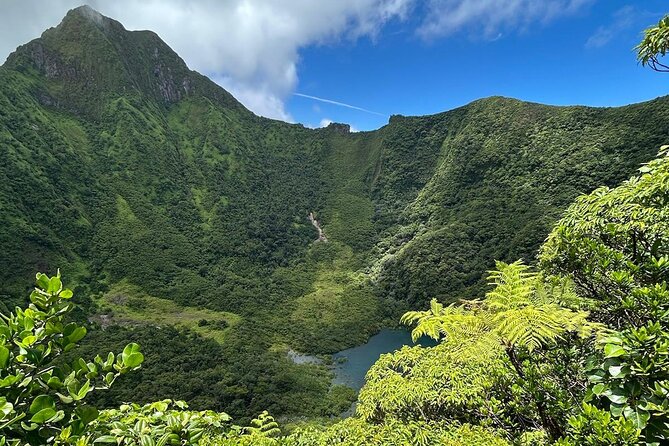
- Mt. Liamuiga is St. Kitts’ highest point at over 3,700 feet, with crater views on top
- Technical trail sections often mean steep root steps, mossy rocks, and scramble moves
- Small group size (max 15) tends to make it easier for guides to manage pace and safety
- Guides matter on steep terrain, with Jay and other named guides supporting the group up and back
- You return fast enough for port timing, so plan for a brisk day and limited time at viewpoints
- Bring traction and protection: proper hiking shoes are repeatedly advised, and gloves can help
Mt. Liamuiga: the big volcanic climb at St Kitts’ highest point
Hiking Mt. Liamuiga is one of those St. Kitts experiences that feels instantly true. The mountain is a dormant volcano rising more than 3,700 feet, and the climb takes you through rainforest and changing ecosystems as the air gets a little cooler and the views start to open up.
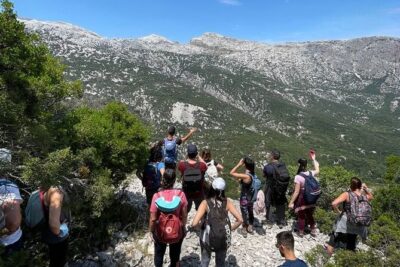
At the top, the reward is the crater rim. From there, you can peer into the ancient caldera and look out across the entire island, with neighboring islands showing on the horizon when conditions are clear. This is the kind of payoff that makes the trip feel purposeful: you earned those views with your legs.
The hiking itself is also part of the value. The path runs through habitat with endemic plants and tropical birds, so the scenery is not just for pictures—it’s for noticing. You’ll likely spend more time watching your footing than posing, which is a good sign on a real hike.
You can also read our reviews of more hiking tours in St Kitts

What the trail feels like: roots, rocks, mud, and hands-on climbing
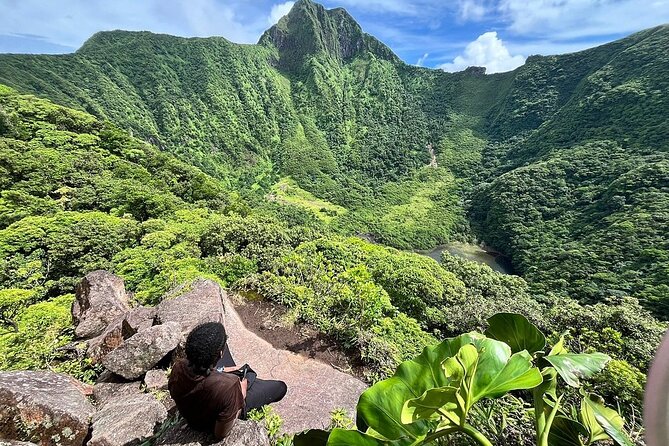
Let’s be blunt: this trail is tough. People call it a rigorous climb at a steady pace, and several descriptions point to steep sections where you must watch every step. Expect root “steps,” mossy rocks, and areas where the terrain gets slick, especially after rain.
Some hikers describe the hike as having stages, with stage 2 often labeled the hardest and longest. Others mention a climb on narrow rocky terrain where you may need to move on all fours for stability. If you prefer trails that stay nice and flat, you’ll want to sit this one out.
A few numbers people shared can help you judge the effort. Expect a workout in the roughly 4.5 to 5 mile round-trip range, and an elevation gain around 2,000 to 2,200 feet. Even if your fitness is solid, the technical footing can slow you down and make your legs burn.
Mud and slippery roots are a recurring theme. One day can be fine; the next day can feel like traction is a suggestion. If you’ve ever done a hike where your knees complain on the way down, plan for that here—people report the next-day soreness and scraped-up legs.
Practical takeaway: wear shoes built for grip, not casual sneakers. And if you’re the type to take gloves off once you start sweating, maybe rethink that. Gloves get mentioned as helpful because you’ll be using your hands during steeper segments and doing some rock and root navigation.
Your guide can make or break the day (Jay, Gucci, Fully, Jey, Raheem)
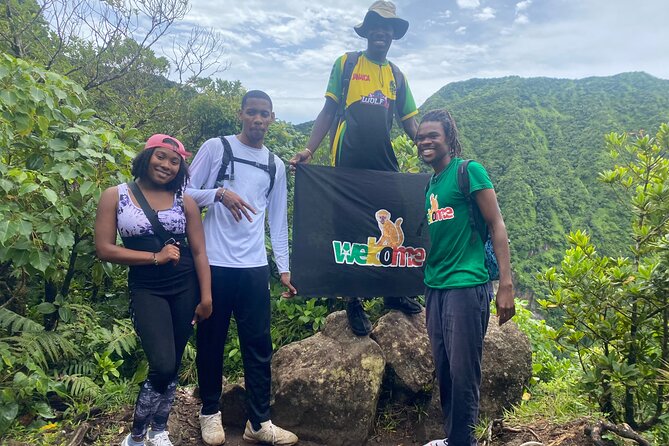
On a technical mountain like this, a guide is not just a nice extra. Guides keep you moving safely, check that nobody falls behind too far, and help set a pace that lets you finish without rushing in a panic.
In the accounts shared, Jay shows up repeatedly as the kind of guide you want on steep, slippery terrain: friendly, attentive, encouraging, and patient. Other named guides appear too—Gucci, Fully, Jey, and Raheem. Different guides, same idea: they watch the group, guide the route through tough patches, and keep breaks organized so you can catch your breath without losing momentum.
One detail I really like is that guides are described as making sure everyone returns in time for port schedules. That means they’re thinking ahead: where you can slow safely, where you need to keep moving, and how long you can linger at viewpoints.
If you’re nervous about heights or worry about falling on roots and rocks, the guide presence matters even more. Several descriptions highlight that the crew helps slower members and provides supportive coaching through the scramble-like parts.
My advice: don’t hide your limits. Tell the guide early if you’re slower, if you have knee issues, or if a section looks too sketchy. The best outcomes happen when the guide can adjust the pace before you get stuck.
The itinerary: one stop, and it’s the main event
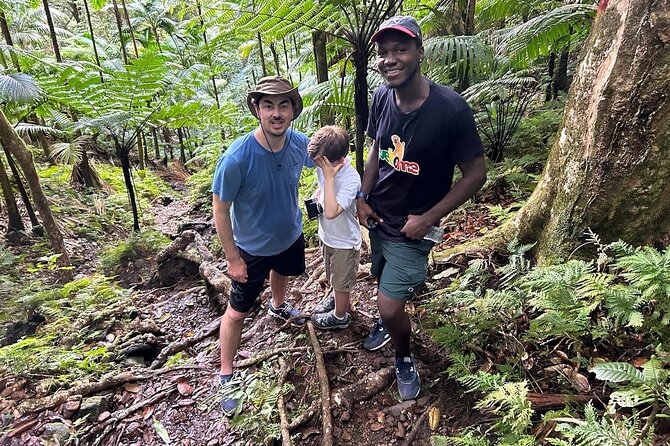
This outing is simple in structure: you climb to Mount Liamuiga and that’s the heart of the day. Admission at the main stop is listed as free, which is a nice bonus when you’re trying to keep the total cost under control.
You start the hike and build up through rainforest and changing ecosystems. As you ascend, the trail becomes more rugged, and the atmosphere shifts from humid jungle to summit air where wind and visibility can change your view quickly.
Once you reach the top, you get time at the crater-rim viewpoints. People describe a break time at the top for resting and taking in the scenery. The view is the main event, but the scheduling is real—you’re not there all day, so you want to use your time well once you arrive.
What can be a drawback is how quickly the day can feel structured once you’re near port time. Some people report feeling rushed due to timing changes, while others say they had enough breaks to make it comfortable. Your best bet is to show up ready and commit to the hike plan—when you do, the timing usually works.
Timing and transportation: cruise-day pressure is real
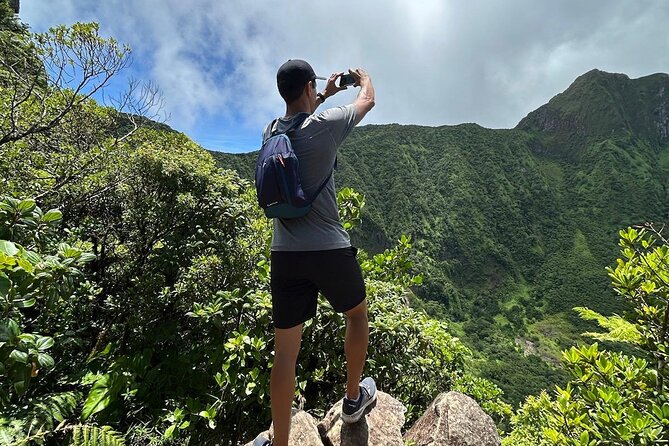
This tour runs with an approximate 4 to 5 hour duration. That fits a big range of port schedules, but it also means there’s little slack if weather or pacing slows the group.
Pickup is offered, and a mobile ticket is used. Some people mention the meeting point being right at the port, and directions being easy to follow. That’s a big win on cruise days because you don’t want to spend your energy hunting a van with minutes to spare.
There are also a couple cautions you should know. One set of experiences mentioned a changed meeting time and feeling rushed. Another described a small vehicle where seats felt cramped. You can’t assume every pickup will match those complaints, but you should plan for variability: arrive early enough to adjust, and be ready for a straightforward ride.
If you’re sailing on a cruise ship, the smartest move is simple: treat the port like an airport. Be early, keep your phone charged, and follow whatever contact method your tour uses that day. People highlighted communication through WhatsApp with a contact named Danny, which is the kind of detail that can save your day if anything shifts.
What you should pack (so you don’t regret it halfway up)
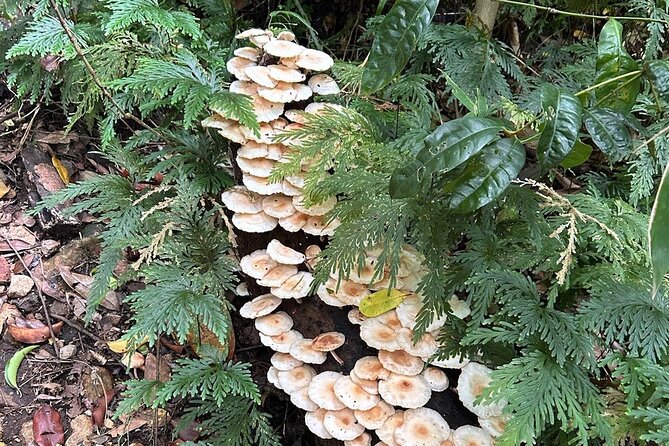
I can’t stress this enough: footwear is the make-or-break item here. Multiple hikers explicitly warn against sneakers or sandals and insist on proper hiking shoes. The trail’s roots, rocks, and mud reward grip and punish flimsy soles.
Beyond shoes, think in terms of balance and comfort:
- Bring plenty of water, since the pace is rigorous
- Use a small backpack so your hands are free on steep sections
- Consider gloves, especially if the terrain forces hand contact with rocks and roots
- Expect to get dirty and possibly scraped, because the route can be muddy
Also plan for the reality of the descent. The hardest part for many people is not the climb—it’s how tough it feels on the way down when roots and rocks are still slick. If you’re sensitive to knee pain, take slower steps and use the guide cues for safe footing.
Weather matters here too. The experience requires good weather, and if it’s canceled due to poor conditions, you should be offered another date or a full refund. In practice, that means the organizer is watching the mountain conditions, not just the calendar.
How hard is it, really? Matching the climb to your fitness
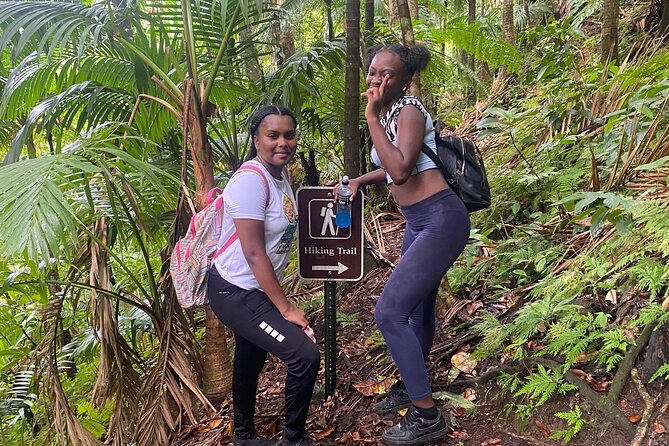
This is a hike that most people can participate in, but it still has a fitness requirement in disguise. The phrase most repeated in experiences is tough, technical, and steep. People who are in good shape still say they struggled with the terrain.
So here’s the real question: can you handle steep, slippery footing where you may need to use your hands? If yes, you’ll likely enjoy it a lot because the structure of the climb makes the effort feel earned. If you only want an easy stroll, you’ll probably feel miserable.
Flexible legs help too. Some descriptions mention that the climb involves big steps and sections that require careful placement of feet and sometimes a bit of flexibility to get through safely.
If you’re doing this as an active day from a cruise, you need to plan your expectations. The tour appears designed to get you back on time, which can mean a brisk pace. That doesn’t mean it’s unsafe; it just means you should choose this when you’re ready to work.
Price and value: why $69 can feel fair here
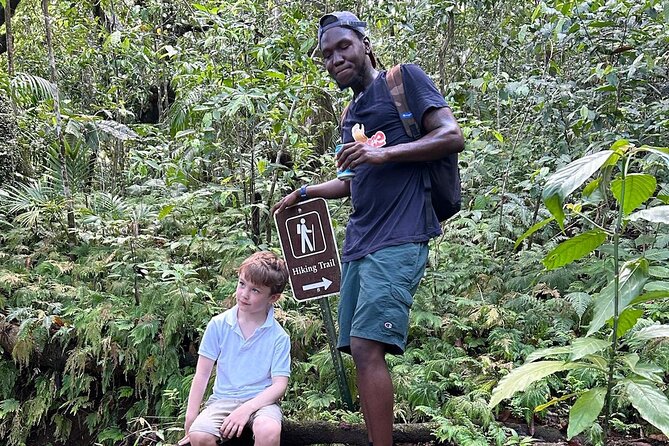
At $69 per person, this hike can be good value if you want a guided climb that actually gets you to the crater rim. You’re paying for more than movement up a hill. You’re paying for route guidance, pacing management, and a crew that helps the group handle technical terrain and timing.
Two value points stand out:
- Admission at the main stop is free, so you’re not paying extra just to get access to the mountain area.
- Group size is limited to 15, and that matters on steep trails where too many people can slow everyone down.
The tradeoff is that you pay for this experience with energy. If you show up underprepared—wrong shoes, not enough water, or expecting a casual walk—you’ll feel the price in your body by mile two.
If you’re choosing between a cheaper, less demanding excursion and this one, consider what you want to remember from St. Kitts. For many hikers, the memory is not a beach view. It’s the moment you reach the crater rim and see the island spread out beneath you after the hard parts.
Rain, mud, and the reality check at the summit
Weather can change how the hike feels. Some people describe getting rained on but still making it up and back, and they call it strenuous and technical when conditions are wet. If it rains, mud tends to intensify, and roots become more slick.
The summit time can also feel tight depending on how fast your group moves and how closely the day needs to fit port schedules. One experience notes that the top area for a group can feel small, so you may not get long lingering time to spread out.
Still, when visibility is good, the crater rim views are the reason you signed up. Even if you’re tired, the view pulls you out of your fatigue for a moment. That’s the honest payoff.
Should you book this Mt. Liamuiga hike?
Book it if you want a true Caribbean volcano hike with crater views, you’re comfortable on uneven ground, and you don’t mind a rigorous pace. I think it’s especially worth it for active cruise days when you want the island’s big-ticket scenery without wasting the day on gentle stops.
Consider skipping or switching to an easier option if you expect an easy walk, if your knees hate steep descents, or if you’re uncomfortable moving on rocky, root-heavy terrain. This isn’t a stroll through a park. It’s a climb where you use judgment and sometimes use your hands.
If you do book, do yourself a favor: show up early, wear the right shoes, pack water and a small bag, and listen to your guide on the steep parts. The folks who finish with the best memories usually do one thing well: they treat the hike as the main event.
FAQ
How long is the Mt. Liamuiga hike?
It’s listed as about 4 to 5 hours.
What is the price per person?
The price is $69.00 per person.
Is pickup offered?
Pickup is offered.
How big is the group?
The maximum group size is 15 travelers.
Is there a mobile ticket?
Yes, a mobile ticket is used.
Is admission included for the main hike stop?
For Mount Liamuiga, admission ticket is listed as free.
What happens if weather is poor?
The experience requires good weather. If canceled due to poor weather, you’ll be offered a different date or a full refund.
What is the cancellation window?
Free cancellation is available up to 24 hours in advance for a full refund.