REVIEW · MOUNT ETNA
Mount Etna: Guided Volcano Summit Hiking Tour with Cable Car
Book on GetYourGuide →Operated by Sicilying S.R.L. · Bookable on GetYourGuide
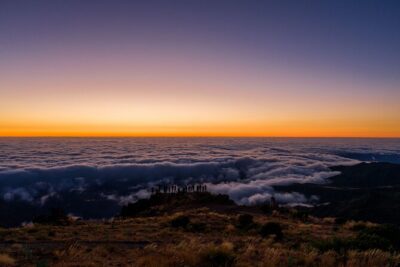
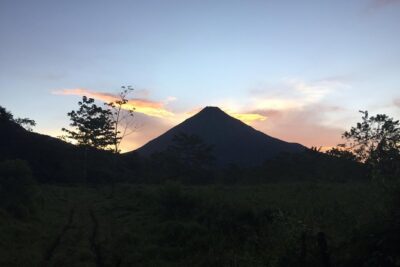
The sky feels enormous on Etna. This guided summit hike takes you up by cable car to the upper slopes, then over moon-like volcanic ground to the craters, with the highest point allowed based on monitoring. I especially like the mix of big views and smart pacing, and I love that you get a real volcanic guide (not just a walk leader) with helmet and equipment sorted. One watch-out: the trek is physically demanding and can involve cold, wind, or messy volcanic surfaces, and it’s not for everyone.
Meet at the base area near Rifugio Sapienza, then spend your morning climbing through the aftermath of the 2002/2003 eruptions. You’ll also get a star stop at Valle del Bove’s Belvedere, one of Etna’s best panoramic points, before returning to the cable car at around 2,500m. If weather or volcanic conditions tighten the rules that day, the route or even the hike may change for safety.
In This Review
- Key highlights at a glance
- Etna in Real Life: What This Guided Summit Hike Actually Delivers
- Price and value: why $124.61 makes sense here
- Meeting at Rifugio Sapienza: Start Here and Save Time
- Cable Car Up to 2,504m: Your Fast Track to Real Altitude
- The Main Trek: 2002/2003 Eruption Ground, Lava Channels, and Photo Breaks
- What the itinerary’s stop rhythm feels like
- Summit Area and the Highest Permitted Point: How Safety Changes the Day
- Terrain reality check
- Valle del Bove: The Best Belvedere and the 9,000-Year View
- Returning to Rifugio Sapienza: The Descent You’ll Actually Be Ready For
- Guides and Drivers: The Team Effect That Makes the Day Work
- What to Bring (So You Don’t Regret Your Choices at 2,500m)
- Who This Tour Suits Best
- Should You Book This Mount Etna Summit Hike?
- FAQ
- How long is the Mount Etna guided summit hike with cable car?
- Where do we meet the guide?
- Does the tour include the cable car tickets?
- What hiking gear and safety gear do you provide?
- Is pickup from Catania included?
- Who should not book this tour?
Key highlights at a glance
- Cable car lift to about 2,504m to start the hike at altitude fast
- Summit craters access up to the highest permitted point based on volcanic activity monitoring
- 2002/2003 eruption terrain with photo stops through lunar-like ash and lava channels
- Valle del Bove Belvedere for wide views across southeastern Sicily
- Helmet mandatory plus guided pacing, breaks, and safety-focused hiking
- Guides such as Jaccopo or Giuseppe are repeatedly praised for humor and clear explanations
Etna in Real Life: What This Guided Summit Hike Actually Delivers
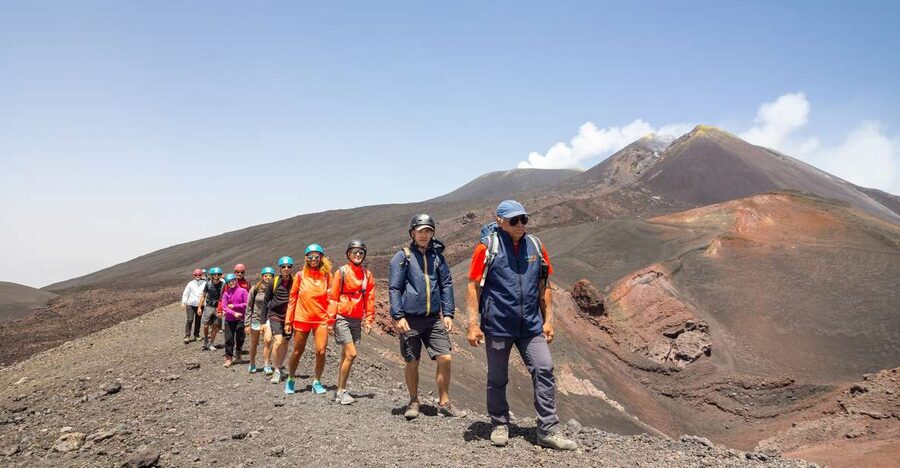
Mount Etna isn’t a museum volcano. It’s active, loud in its own way, and constantly changing the rules of what’s safe. That’s why this tour is built around a guided summit hike with a cable car start: you get altitude and access, without trying to wing it on rough, shifting terrain.
What makes this experience work well for most people is the structure. You’re not wandering from viewpoint to viewpoint; you’re walking a route chosen for conditions, with stops built into the rhythm. The goal is simple: reach the craters area, see what’s happening up close from the safest allowed spot, then head to Valle del Bove for the payoff views.
You can also read our reviews of more guided tours in Mount Etna
Price and value: why $124.61 makes sense here
At $124.61 per person, it’s not the cheapest activity around Catania. But the value is in what’s included: a return cable car ticket, a volcanic guide, helmet mandatory, hiking equipment (based on availability), and insurance. You also get small-group support, plus optional hotel pickup if you select it.
If you’re the type who hates wasting time negotiating buses, tickets, or questionable gear at the last minute, this format pays off. You show up, they organize the rest, and you spend the morning hiking with a guide who can explain what you’re seeing while you’re seeing it.
Meeting at Rifugio Sapienza: Start Here and Save Time
The meeting point is at Bar Monte Gebel on the right side of Rifugio Sapienza. The day ends back at the same place, which helps if you’re trying to keep your schedule clean after the hike.
Depending on what option you choose, pickup may be available from accommodations in Catania. If you don’t choose pickup, you’ll still connect with the group at the mountain-side meeting point area. Either way, aim to arrive early enough to stay relaxed—altitude days get busy, and you’ll want a calm start before the cable car line and equipment check.
One practical note: a lot of the day runs on timing—cable car departure, guide briefing, and the hike’s pace. If you’re cutting it close, that’s how your day turns stressful.
Cable Car Up to 2,504m: Your Fast Track to Real Altitude
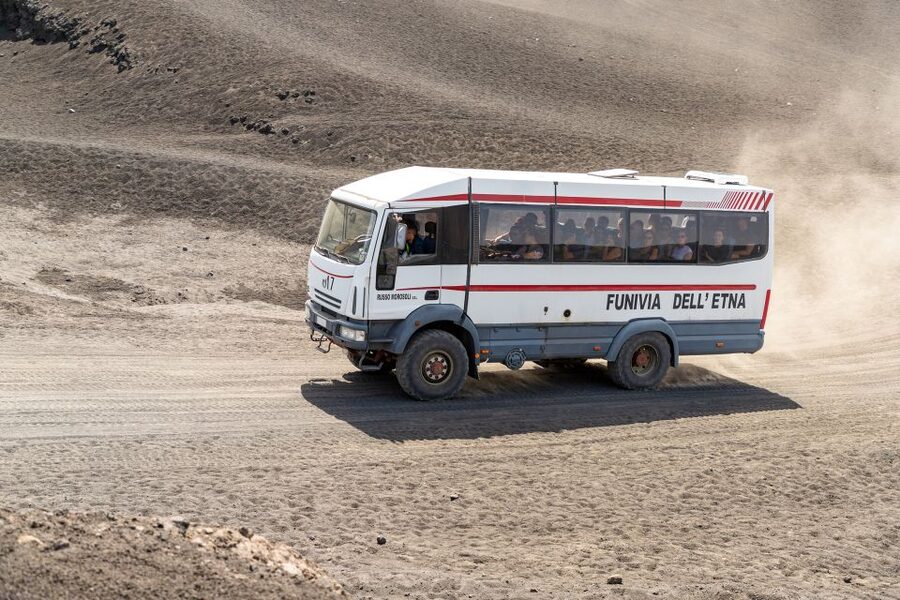
You take the cable car up to about 2,504 meters before you start hiking. This matters more than it sounds. At Etna’s elevation, you feel the air shift and your legs notice it quickly, so getting there efficiently keeps the hike focused on what you came for: the crater area and the panoramic descent.
From the cabin, you also get that “wait, we’re actually high up now” perspective. Even if you don’t normally care about views from transport, Etna’s setting makes it hard not to look out.
The tour includes a return cable car ticket, so you’re not planning your descent separately. When you’re tired and dusty, that simplicity is a win.
The Main Trek: 2002/2003 Eruption Ground, Lava Channels, and Photo Breaks
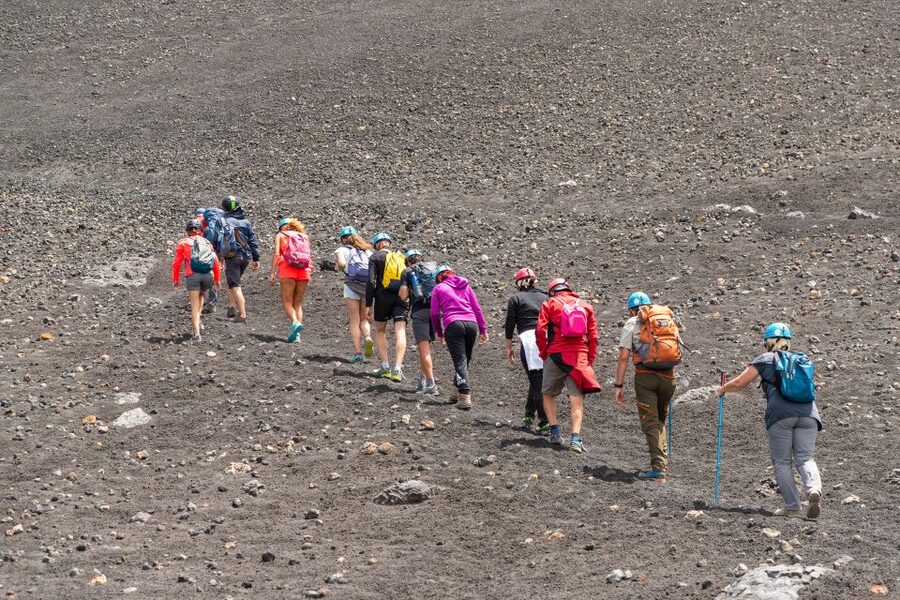
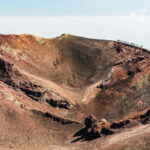
Once you start, you’ll hike toward the northwest, moving through areas affected by the major 2002/2003 eruption. The ground has that distinctive Etna look: pale ash, rough textures, and stretches that feel almost otherworldly—like you’re walking across a real volcanic lesson.
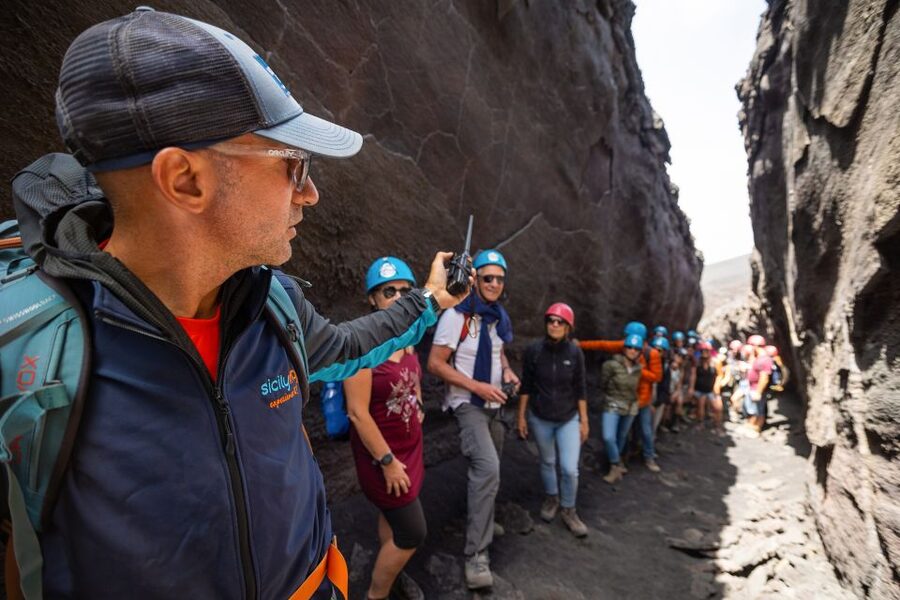
This is where the guide makes a difference. You won’t just get “keep going.” You get long breaks for photos and rest, plus explanations of what you’re seeing while your body catches up. Guides have a knack for keeping the pace human, even when the terrain gets uneven.
Expect your route to include lava-flow channels and volcanic sand. The footing can vary: loose surfaces, uneven sections, and stretches where trekking poles (if you’re provided) can help a lot. If you’re arriving from sea level, keep your effort steady rather than rushing. Slow feels faster when you’re up near craters.
You can also read our reviews of more hiking tours in Mount Etna
What the itinerary’s stop rhythm feels like
You’ll have built-in points for photos and short visits along the way. One standout photo stop is around the Barbagallo Crater area, followed later by a Valle del Bove viewpoint stop that becomes your visual reward.
This pacing matters. Etna days are not “power through and hope.” It’s more “walk, pause, look, learn, repeat.”
Summit Area and the Highest Permitted Point: How Safety Changes the Day
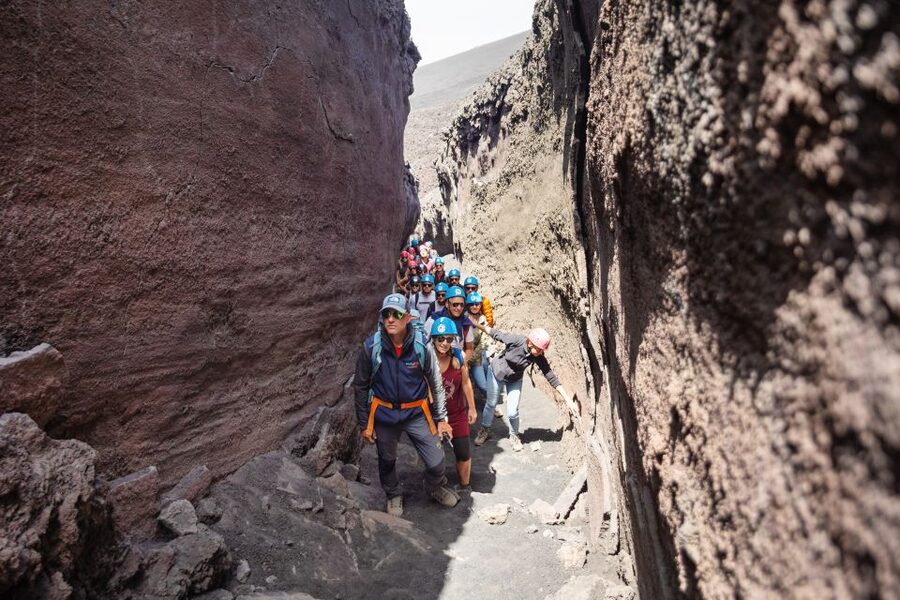
The big moment is reaching the summit craters area. You’re taken to the highest point permitted based on volcanic activity monitoring. That phrase is the key to how this tour works: you’re guided to access what’s safe that day, not forced to march to a fixed spot no matter what.
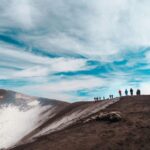
When conditions allow, you can take a few pictures near the active craters. If weather is favorable, visibility can be excellent—enough to look across the eastern coastline from Calabria to Taormina, and even toward Syracuse. On clearer days, that’s when the whole volcano feels bigger than a mountain and more like a viewpoint system for Sicily.
And if conditions tighten? Your guide will adjust for safety. The tour may be subject to changes due to volcanic risk or weather, and sometimes routes are altered for seismic reasons.
Terrain reality check
This is still a hike, not a stroll. Even with guidance and breaks, you’ll be walking on uneven volcanic ground at altitude. You should treat it like a real half-day hike and dress for that, not like sightseeing in a city.
Also: the tour is prohibited for asthmatics and people with heart problems, and it’s not suitable for those with respiratory issues. It’s also not designed for children under 6 or for pregnant women.
Valle del Bove: The Best Belvedere and the 9,000-Year View
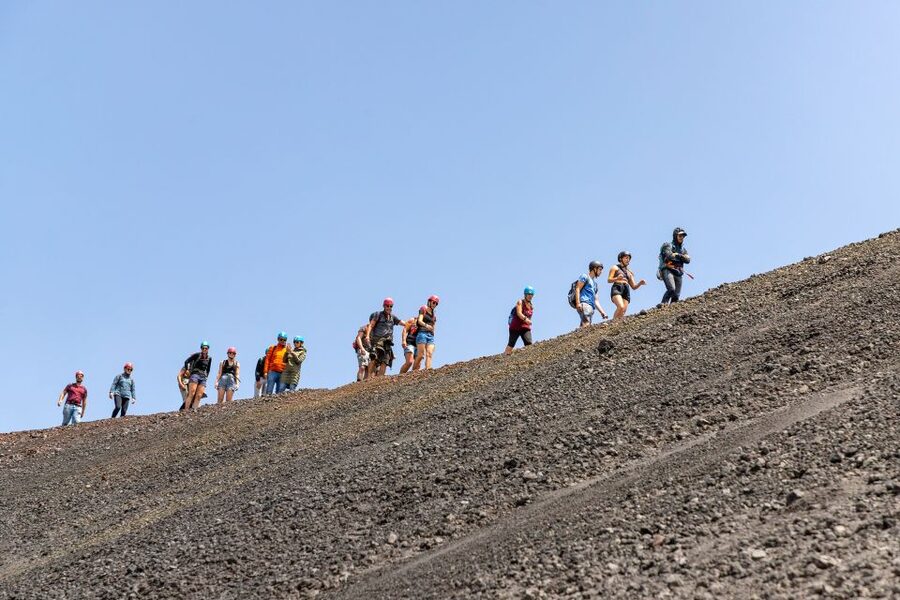
After the summit area, you’ll move across crater ground from the 2002/2003 eruption and then descend on volcanic sand toward the Belvedere of Valle del Bove. This panoramic depression is described as dating back roughly 9,000 years, which gives the place weight beyond just a pretty viewpoint.
Valle del Bove is where many people finally feel the full scale of Etna’s drama. From the belvedere, you’re high enough to see far, and the crater-world around you helps you understand how the mountain reshaped itself over time.
It’s also a good place to slow down. You’ll have that stop feel: photos, looking around, and a chance to breathe before heading back toward the cable car.
Returning to Rifugio Sapienza: The Descent You’ll Actually Be Ready For
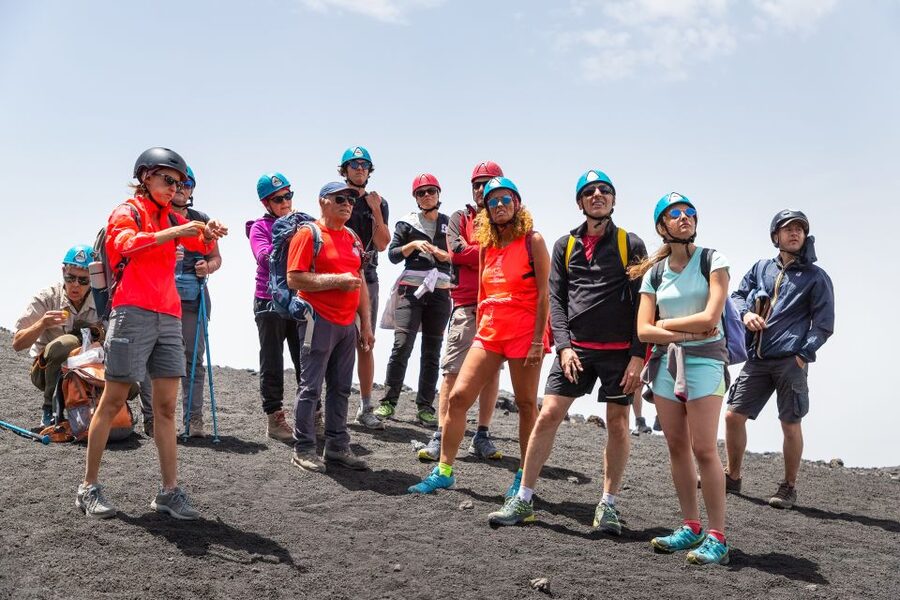
The tour brings you back to around 2,500m and then you take the cable car down to Rifugio Sapienza. That return matters because it prevents you from turning the day into a full-on endurance mission. You already did the hard part: getting close to the craters safely.
A smart strategy for your last stretch: keep sipping water during breaks and don’t spend the whole descent thinking about your next meal. Save your energy for the “one more look” moments, because Etna rewards attention even when you’re tired.
Guides and Drivers: The Team Effect That Makes the Day Work
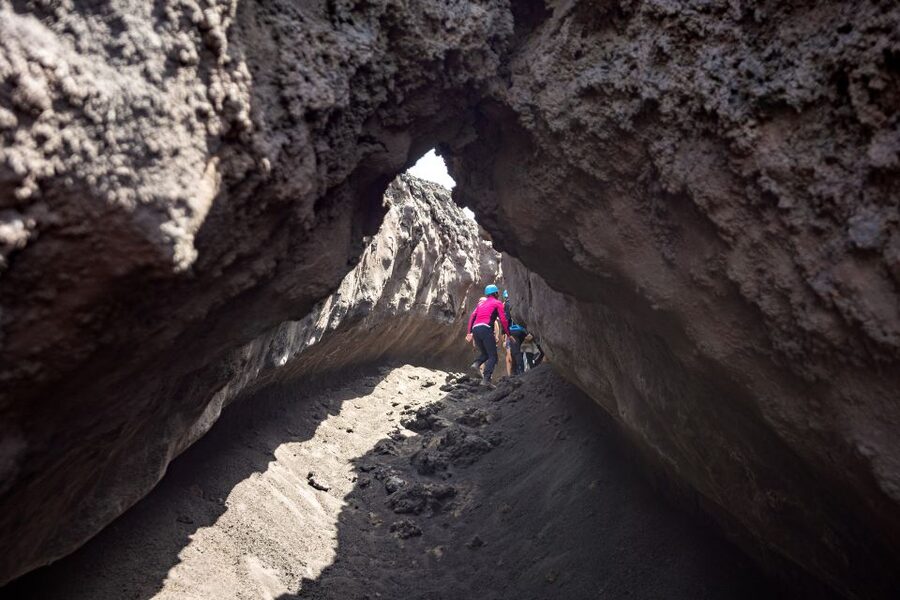
This is not just a walk with a headset. The tour is run by a volcanic guide, and the tone you get from the guide affects how the hike feels.
Guides like Jaccopo, Giuseppe, Edoardo, and Leonardo are repeatedly praised for mixing clear explanations with humor and for pacing groups with frequent stops. People often highlight that you feel safe and looked after, even when conditions turn cold or windy.
Equipment support also plays a role. If you need it, the tour provides hiking gear based on availability—some guests mention getting things like boots and trekking poles on-site. That can be a lifesaver if you packed “decent shoes” instead of real hiking footwear.
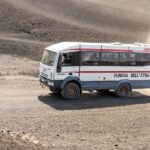
If you have hotel pickup, drivers (such as Pepe or Bruna in the experience notes) can add value by telling you about the villages around Etna and giving practical tips—useful when you’re deciding where to eat afterward.
What to Bring (So You Don’t Regret Your Choices at 2,500m)
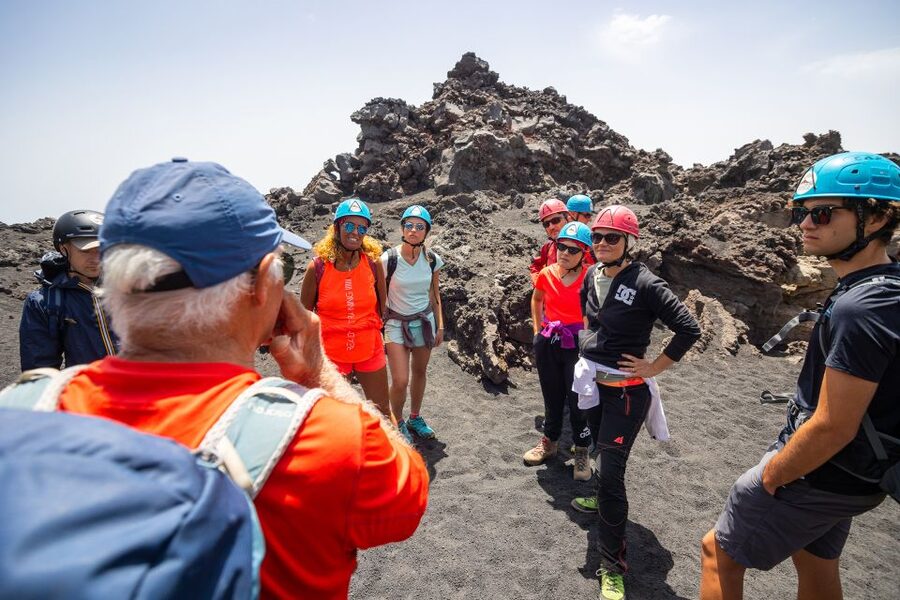
Stick to the basics the tour calls for: comfortable sports shoes and weather-appropriate clothing. At altitude, conditions can change fast, and you might run into wind, cold, hail, or icy patches depending on the season and day. The guide will manage safety, but your gear is still your first line of defense.
Also plan for mandatory helmet use. You won’t need to buy one, but you should expect a real safety brief and follow instructions.
Who This Tour Suits Best
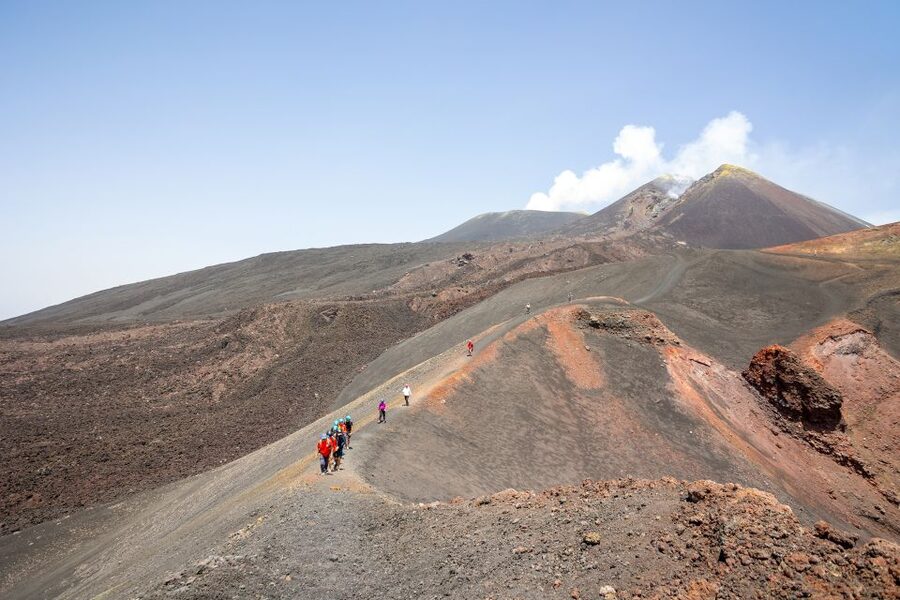
This works best if you want more than a photo at the base of a volcano. You want the crater area, you want to feel the terrain under your feet, and you want a guide who can explain the “why” behind what you’re seeing.
You’ll likely enjoy it if you:
- can handle a challenging half-day hike at elevation
- like structured walking with breaks built in
- want a volcanic guide and safety-first rules
- appreciate small-group pacing instead of a crowd
You should skip it if you’re dealing with asthma, heart problems, respiratory issues, pregnancy, or if your group includes a child under 6.
Should You Book This Mount Etna Summit Hike?
I’d book it if your priority is a proper guided summit-and-craters experience rather than a casual Etna day. The cable car adds comfort and efficiency, and the included guide support turns a tough trek into a meaningful one—especially when conditions require flexibility.
Skip it if you’re worried about fitness demands or if you fall into the health restrictions. And if you’re a planner who hates uncertainty: remember the itinerary can change due to volcanic activity, weather, or seismic conditions. On an active volcano, safety decisions come first.
If you match the fitness profile and you’re okay with day-of adjustments, this is one of the most direct ways to experience Etna’s summit zones without guesswork.
FAQ
How long is the Mount Etna guided summit hike with cable car?
The total duration is about 5 to 6 hours. Starting times vary, so you’ll want to check availability for the day you plan to go.
Where do we meet the guide?
You meet at Bar Monte Gebel on the right side of Rifugio Sapienza. The tour ends back at the same meeting point.
Does the tour include the cable car tickets?
Yes. The tour includes a return cable car ticket, taking you up to around 2,504 meters and back down afterward.
What hiking gear and safety gear do you provide?
A helmet is mandatory, and hiking equipment is provided based on availability. You should still bring comfortable shoes and weather-appropriate clothing.
Is pickup from Catania included?
Hotel pickup and drop-off are included only if you select that option. If not, you’ll meet at the mountain meeting point near Rifugio Sapienza.
Who should not book this tour?
The tour is prohibited for asthmatics and people with heart problems. It also isn’t suitable for people with respiratory issues, pregnant women, or children under 6.