REVIEW · MOUNT ETNA
Piano Provenzana: Mount Etna Hiking Trip to 3,300 Meters
Book on GetYourGuide →Operated by Guide Vulcanologiche Etna Nord · Bookable on GetYourGuide
Etna at 3,300 m isn’t a casual stroll. This Piano Provenzana trip pairs a rough 4×4 ride on Etna’s north side with a guided climb to 3,300 m.
I like the small group setup (up to 10), because it makes a big-altitude hike feel manageable. I also love that you get real context from a volcanological guide as you move through craters and lava terrain.
One thing to budget for: the 4×4 transfer costs extra (paid in cash on the day).
In This Review
- Key Highlights You’ll Feel Fast
- Why This Etna Route From Piano Provenzana Works
- The Meeting Point Detail That Saves Stress
- 4×4 SUV Ride: Getting to the Higher Worlds First
- Stop at Cratere Centrale dell’Etna: The Main Event
- Piano delle Concazze: A Solid Chunk of Walking Time
- The 3,300 m Trek: What You’re Actually Doing Up There
- Breaks, Pace, and Why Water Matters
- Descent Back to Piano Provenzana (and What to Watch For)
- Gear and Inclusions: What You Can Travel Light With
- Price and Logistics: Where the Real Total Comes From
- Who This Etna Hike Suits (and Who Should Skip It)
- Weather Changes: When the Summit Doesn’t Happen
- Should You Book This Piano Provenzana Etna Hike?
- FAQ
- What is the highest altitude reached on this hike?
- How long is the Mount Etna trip?
- Where do I meet the guide?
- Is the 4×4 (Jeep/SUV) included in the price?
- What’s included for the hike?
- What should I bring?
- Is this tour suitable for people with vertigo or fear of heights?
Key Highlights You’ll Feel Fast
- A guided summit-level experience with a climb all the way up to 3,300 m
- Small group pacing (max 10 people), useful when the air gets thin
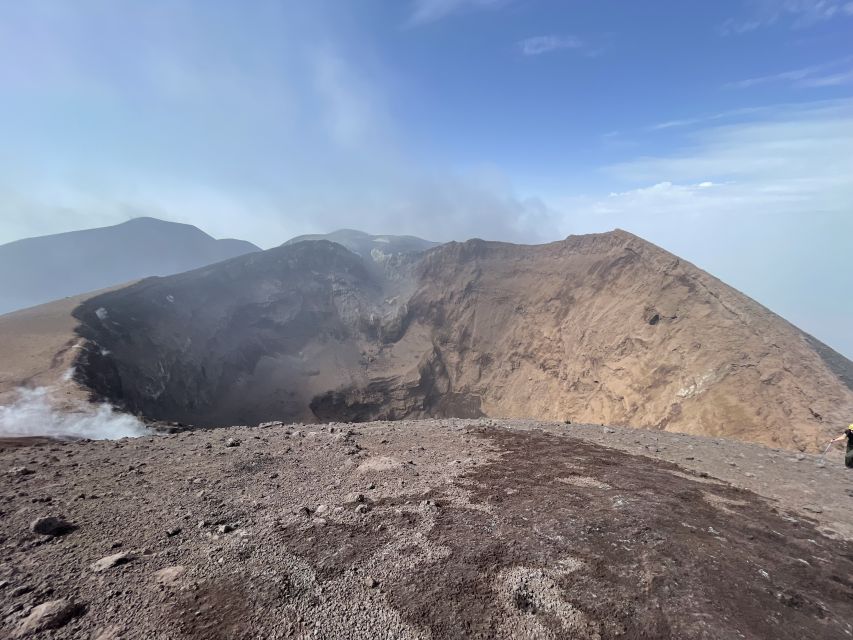
- Crater-edge hiking through volcanic bombs, scoria, and crater channels
- Focused volcanology stops, including a long visit at the Central Crater
- Less-crowded routing on Etna’s north side, away from the busiest viewpoints
- Gear included (poles, helmet, windbreaker, extra socks) so you hike smarter
Why This Etna Route From Piano Provenzana Works
Most Etna hikes feel like “point A to point B.” This one feels more like a guided walk through an active, changing system. You start from Piano Provenzana and head toward Etna’s north side, where the terrain and crater edges give you that other-world feeling fast.
What I appreciate is how the day is paced in two modes: vehicle to get you high, then walking when it matters. That design helps you spend your energy on the crater scenery, not the long slog of getting altitude in the first place.
You can also read our reviews of more hiking tours in Mount Etna
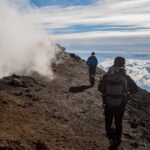
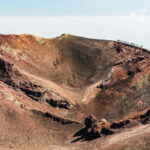
The Meeting Point Detail That Saves Stress
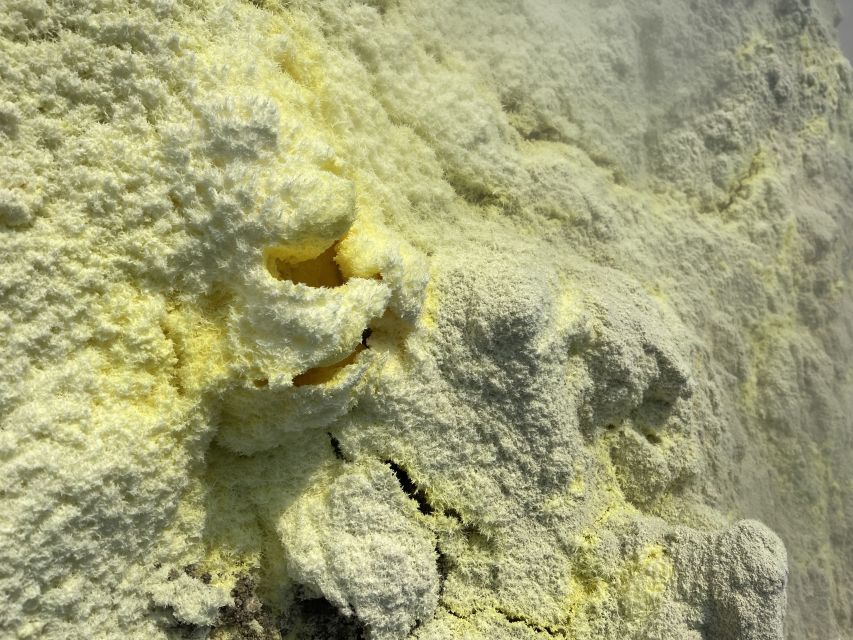
Meet your guide at Chiosco Bar Mareneve (near the winter chairlift). It’s in the second house of the four buildings in that parking area—important, because there’s another bar with a similar name down at Chiosco Bar Etna Nord in a lower lot.
If you arrive early, you’ll have time to park and orient yourself. The tour ends back at the same meeting point, so you don’t need a complicated end-of-day plan.
4×4 SUV Ride: Getting to the Higher Worlds First
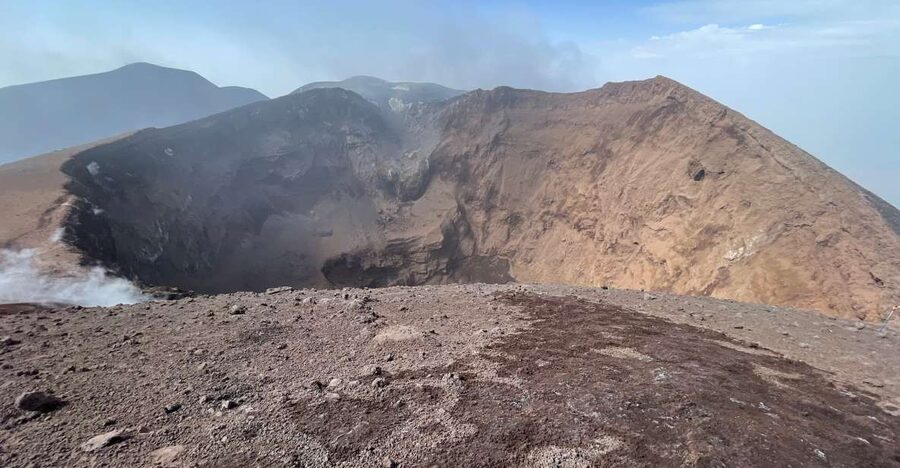
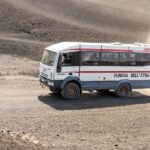
After meeting up, you’ll drive for about 30 minutes by Jeep/SUV. The goal is to cover rough volcanic ground and move you from around 1,800 m up to roughly 2,925–2,965 m depending on conditions.
This ride is part of the fun, but also part of the altitude equation. You’ll feel that shift quickly once you step out, so it helps to be ready with warm layers and a windbreaker—Etna weather can turn without asking.
Practical note: the 4×4 portion is not included in the base tour price. You’ll pay €70 in cash on the day for that vehicle transport.
Stop at Cratere Centrale dell’Etna: The Main Event
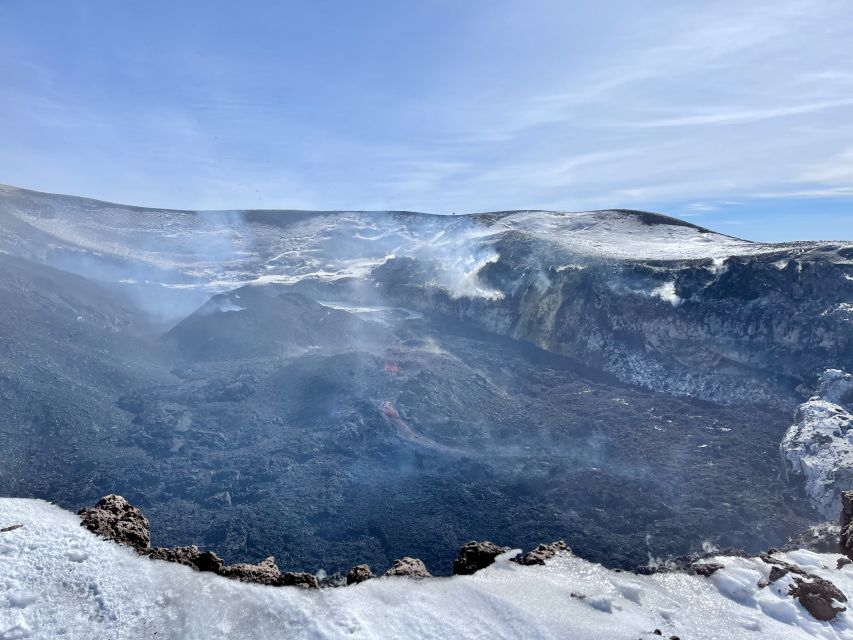
The heart of the trip is your time at Cratere Centrale dell’Etna. You’ll get a guided visit and photo stops, plus about 2 hours at this high point area.
This is where the trip earns its “volcanology” promise. You’re not just looking at a crater—you’re walking through a landscape shaped by eruptions, lava flows, and older volcanic structures. The guide leads the way and explains what you’re seeing so the terrain becomes legible, not random.
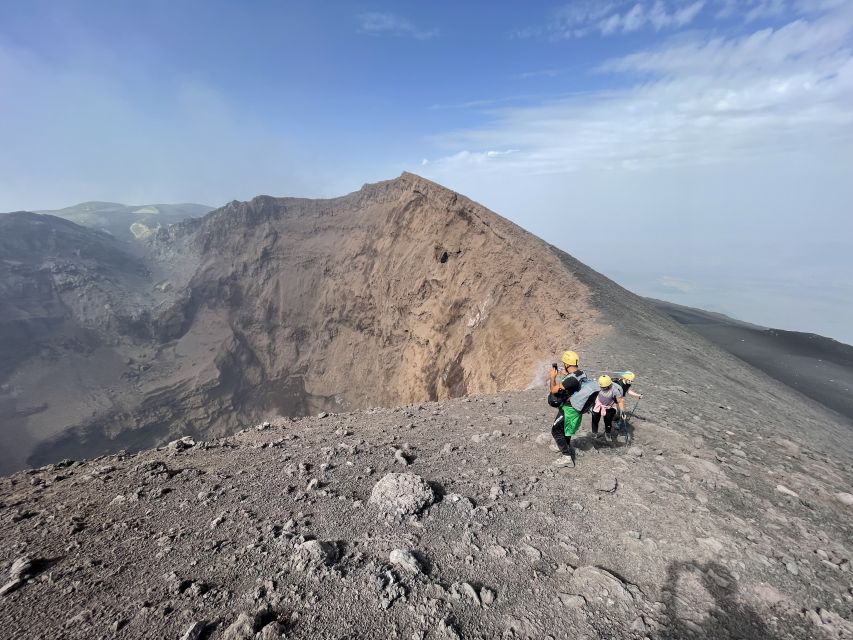
And yes, the air gets thin. The hike involves walking along crater edges, and the operator flags dizziness risk. If you know heights make you lightheaded, take that seriously before you go.
Piano delle Concazze: A Solid Chunk of Walking Time
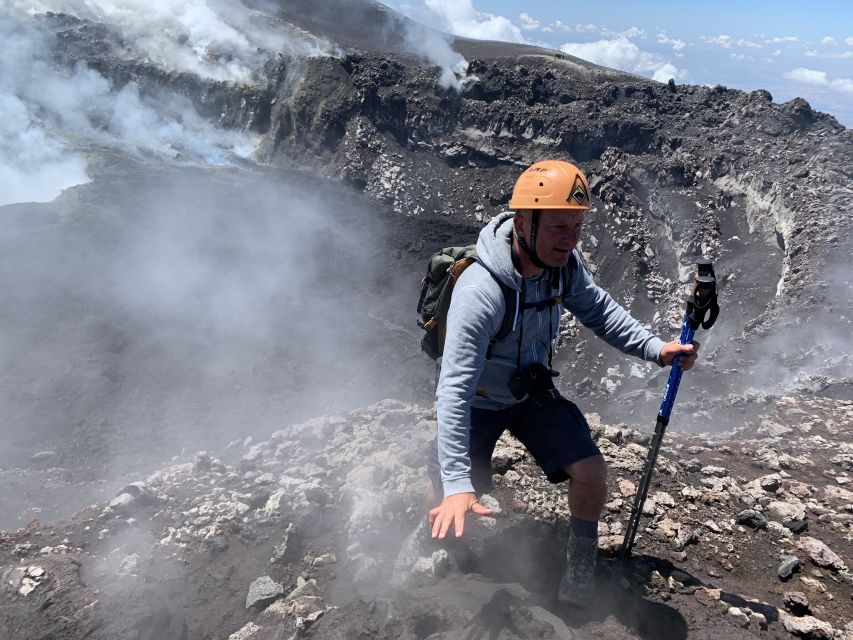
After the crater stop, you move toward Piano delle Concazze. There’s a short additional vehicle segment, then you’ll spend about 80 minutes here with a mix of guided tour, time to pause, and walking.
This stop is a great reminder that Etna isn’t just one dramatic crater view. You’ll see the volcanic “ingredients” up close—scoria and volcanic bombs—while you walk through paths shaped by past activity. The terrain can look rough, but that’s also what makes it feel authentic.
If you like photos, use this time wisely. Your vantage points depend on weather, and the panorama can be spectacular when visibility is good—especially with the “roof of Sicily” viewpoints the route aims for.
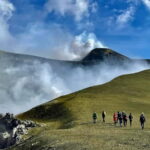
The 3,300 m Trek: What You’re Actually Doing Up There
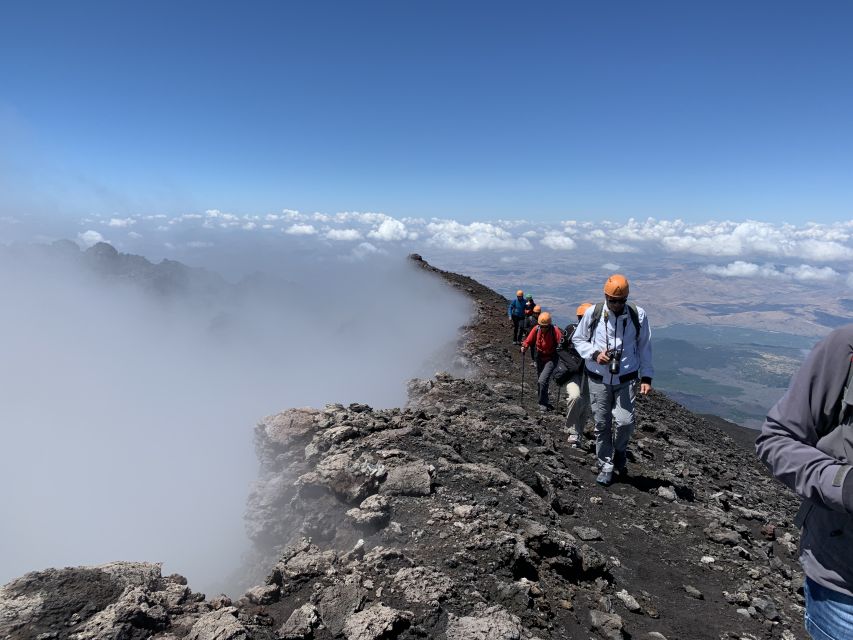
Once the vehicle portion tops out, you start the ascent on foot. The day’s design includes about 470 m of positive climbing on foot (the exact numbers depend on route conditions), and your work is done on a path that’s active, high-altitude, and uneven.
You’ll walk near the Central Crater and through areas with volcanic scoria and bombs. The route description also points to sections with small channels made of soft, friable material. That means foot placement matters more than speed.
Also, plan for a slow mental pace. At altitude, it’s not only your legs that work—breathing and balance do too. The operator specifically notes that dizziness can happen on crater-edge walking, so if you feel it coming, stop and tell the guide right away.
Breaks, Pace, and Why Water Matters
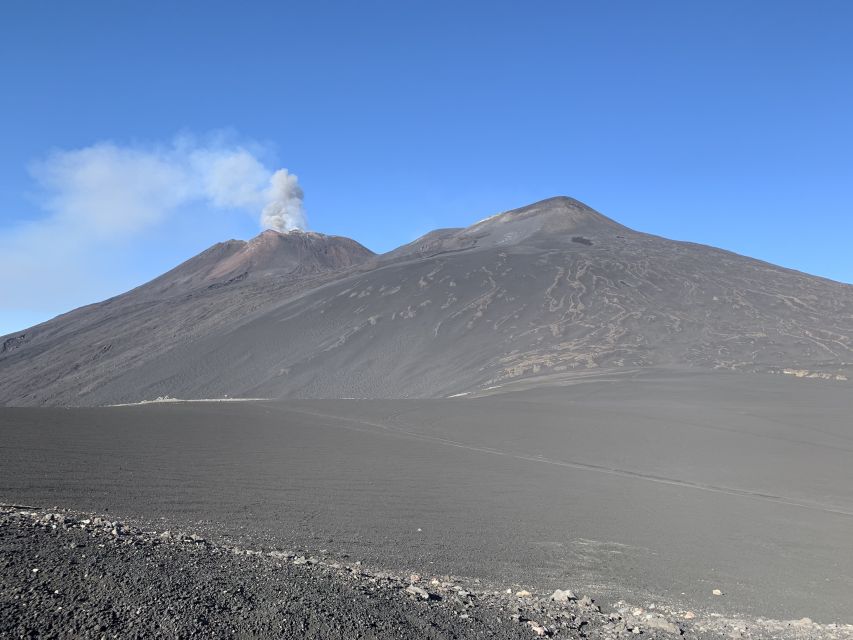
The itinerary is organized, but your body still calls the shots up high. One of the details I really appreciate is the inclusion of structured pacing with drink breaks (there’s mention of a drink break after about every 45 minutes).
That’s not just a comfort thing. It helps keep you steady when you’re hiking in thinner air and wind. Bring water and snacks, and stick to the rhythm of the day instead of trying to power through.
If you come from a place with no real altitude changes, don’t assume you’ll feel fine. The guide’s job is not only to point out volcano features—it’s to keep the group safe while you climb.
Descent Back to Piano Provenzana (and What to Watch For)
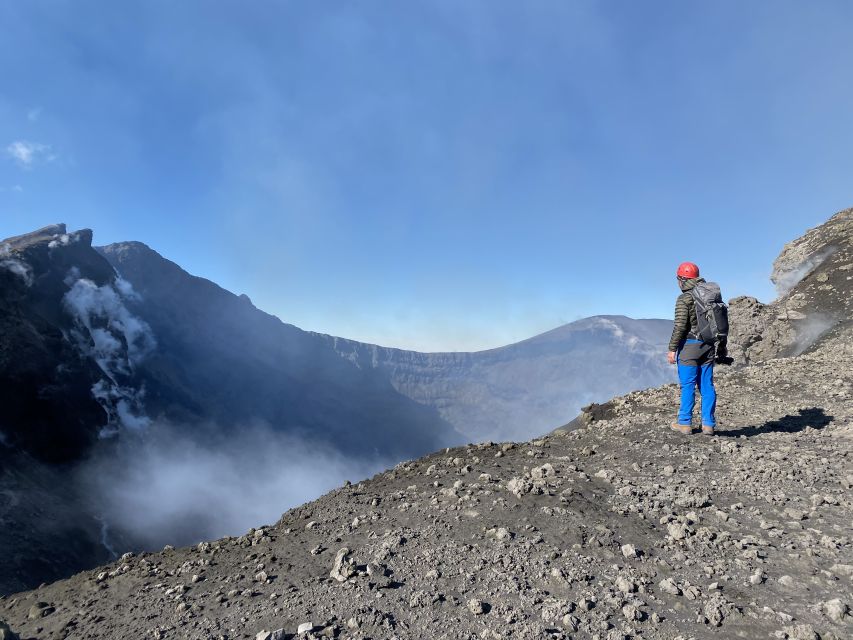
For the descent, you head back along the same main path. After reaching the highest crater area, you’ll return through sections at lower altitude, including walking inside small scoria channels down to around 2,825 m, before finishing with the vehicle ride down.
Then you’ll spend about 25 minutes on the Jeep/SUV back toward Piano Provenzana. This is a good moment to regroup, warm up, and check how your body handled the climb.
If your feet are sensitive, keep an eye on footwear comfort. The day provides trekking poles and helmets, and you also get extra socks and an extra backpack, but you still need solid hiking shoes.
Gear and Inclusions: What You Can Travel Light With
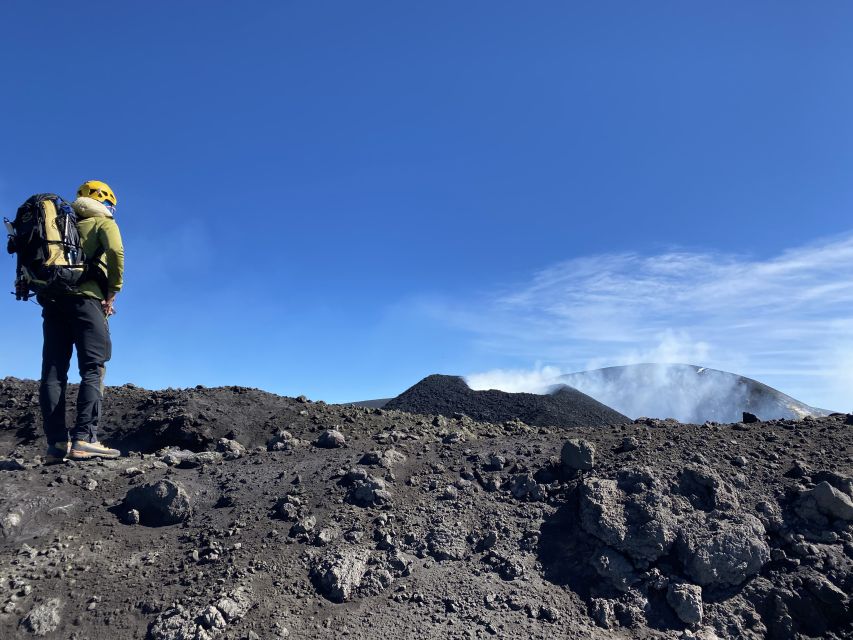
This tour includes a lot of the “hike essentials” that usually cost time and money to source. You get trekking poles, protective helmets, a windbreaker, extra socks, and an extra backpack, along with trekking shoes.
You’ll still want to show up ready. The list of what to bring is practical: warm clothing, windbreaker, hat, sunglasses, sunscreen, water, and a packed lunch or food and drinks. Spring and autumn have an extra note: gloves and hats might not be included, so bring your own if those seasons are your timing.
It’s also not a casual-wear hike. High-heeled shoes and shorts aren’t allowed. If you show up in the wrong clothes, you’ll lose time—so plan ahead.
Price and Logistics: Where the Real Total Comes From
The advertised price is $73.64 per person, and the day includes a volcanological guide plus hiking support items like poles, helmets, and a windbreaker. In other words, you’re paying for guided expertise and for tools that help you hike safely.
But the full cost is more than that headline number. The 4×4 transport is extra (€70 paid in cash on the day), and there’s also a €3 parking ticket for the day. Add those up and you’ll get the true “what you’ll actually pay” figure.
Is it good value? For me, the value depends on two things: your desire for a guided volcano explanation and your comfort with a guided, high-altitude trek. If you want Etna context from someone who knows the eruption story and you like the crater-walk feeling, the structure justifies the cost.
If you’re mainly looking for views with minimal effort, you may decide the extra transfer cost isn’t worth it.
Who This Etna Hike Suits (and Who Should Skip It)
This is for moderately trained hikers. The operator is clear that the route develops at high altitude and includes ascending while walking along crater edges. The day can also trigger dizziness for some people, so consider your body honestly.
This is not suitable for people with vertigo, people afraid of heights, and anyone with certain medical conditions listed by the operator (including heart problems, respiratory issues, epilepsy, or high blood pressure). It’s also not suitable for people with mobility impairments, back problems, or pregnant women.
If you’re someone who hikes regularly, feels comfortable breathing harder with altitude, and enjoys guided science with dramatic terrain, you’ll likely find this trip hits the sweet spot.
Weather Changes: When the Summit Doesn’t Happen
Etna has its own plans. If weather conditions are poor, the operator contacts you about cancellation or modifications. There’s also a realistic scenario where the trip shifts so you still hike at a slightly lower altitude (around 2,900 m) while keeping the experience incredible and guided.
That matters because the day is built around safety and visibility. If you’re flexible and you care more about the volcanic walk than the exact number on the summit sign, you’ll handle these changes well.
Should You Book This Piano Provenzana Etna Hike?
Book it if you want a guided, science-based crater experience with a route on Etna’s north side that feels less like a crowd circuit. I’d especially recommend it if you enjoy detailed guidance, don’t mind high-altitude hiking, and can follow crater-edge walking instructions without getting woozy.
Skip it if you know you’re prone to dizziness at heights, you’re not comfortable walking uneven volcanic ground, or you want a low-effort outing. Also take the extra transfer cost seriously in your planning so there are no surprises.
If you’re ready for the real Etna—active crater views, lava terrain underfoot, and a volcanological guide steering the day—this is one of the more focused ways to do it.
FAQ
What is the highest altitude reached on this hike?
The trek aims to reach the Central Crater at 3,300 meters.
How long is the Mount Etna trip?
The duration is about 5 hours. Starting times depend on availability.
Where do I meet the guide?
Meet at CHIOSCO BAR MARENEVE di Ferraro Giuseppa near the chairlift. Do not use the Chiosco Bar Etna Nord meeting point in the lower parking lot.
Is the 4×4 (Jeep/SUV) included in the price?
No. 4×4 transportation is not included and you pay €70 in cash on the day.
What’s included for the hike?
You get a volcanological guide, trekking poles, protective helmets, trekking shoes, a windbreaker, plus extra socks and an extra backpack.
What should I bring?
Bring warm clothing, a windbreaker, hat, sunglasses, sunscreen, water, and food/drinks or packed lunch, plus rain gear and proper hiking shoes.
Is this tour suitable for people with vertigo or fear of heights?
No. It’s listed as not suitable for people afraid of heights and for people with vertigo, and it also isn’t suitable for several other medical or mobility conditions.