REVIEW · MOUNT ETNA
Mount Etna: Summit Trekking Tour
Book on GetYourGuide →Operated by Luca Cosma · Bookable on GetYourGuide
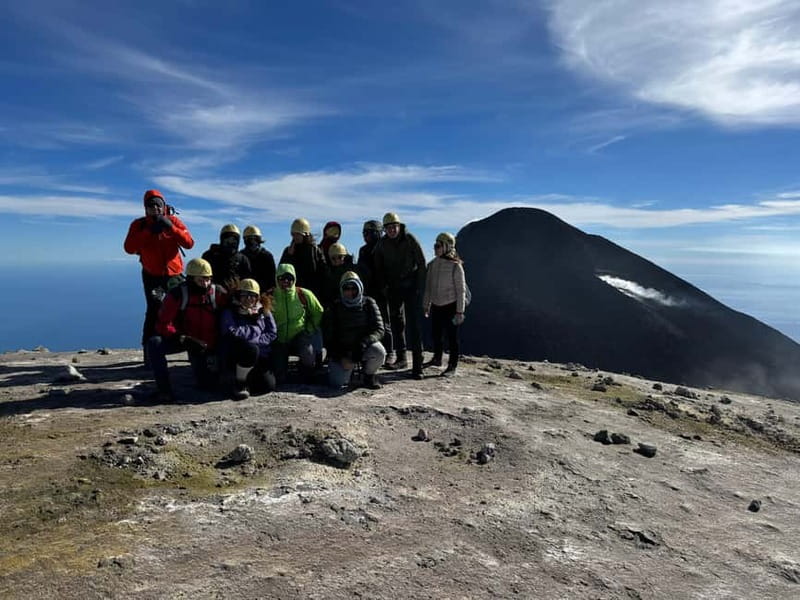
Etna summit hikes don’t get much realer than this. You ride up on the north side in a 4×4 and then hike toward the summit craters at 3,340 meters, with views over Sicily, the Aeolian Islands, and the coast. I love how close you get to the volcanic ground, and I love the way the guides keep the group focused on safety and pacing. One thing to keep in mind: the exact trekking route and where you spend time can change with volcanic activity and weather.
My favorite part is the combo of hands-on geology time and practical preparation. You’ll start with a safety briefing, get equipment checked (boots, jacket, helmet), and then you’re guided across rough volcanic terrain where every turn has a reason. Guides such as Luca Cosma and Arturo are known for being communicative, using humor, and adapting to the pace of the group—so even if conditions are windy or cold, you’re not left guessing.
In This Review
- Key things to know before you go
- Why the north side of Etna feels different
- Getting to altitude: meeting at Sole-neve Souvenirs and the first briefing
- 4×4 off-road on the north side: the fun part with real purpose
- The summit approach: hiking from about 2,900 m toward 3,340 m
- Cratere Centrale dell’Etna: guided time near active ground
- The midday break and Valle del Bove views from Pizzi Deneri
- Off-road return: finishing back at Piano Provenzana and Sole-neve Souvenirs
- Price and value: the real math behind the $62.63
- Who should book this Etna summit trek (and who shouldn’t)
- What to bring and how to dress for Etna’s mood swings
- Should you book the Mount Etna Summit Trek?
- FAQ
- Where is the meeting point?
- How long is the tour?
- What languages are the guides?
- What’s included in the price?
- Is the 4×4 ride included?
- What should I bring?
- Is this tour suitable for everyone?
- Does the itinerary change?
- Is food provided?
Key things to know before you go
- North-side access: fewer crowds and a route that stays on the wilder side of Etna
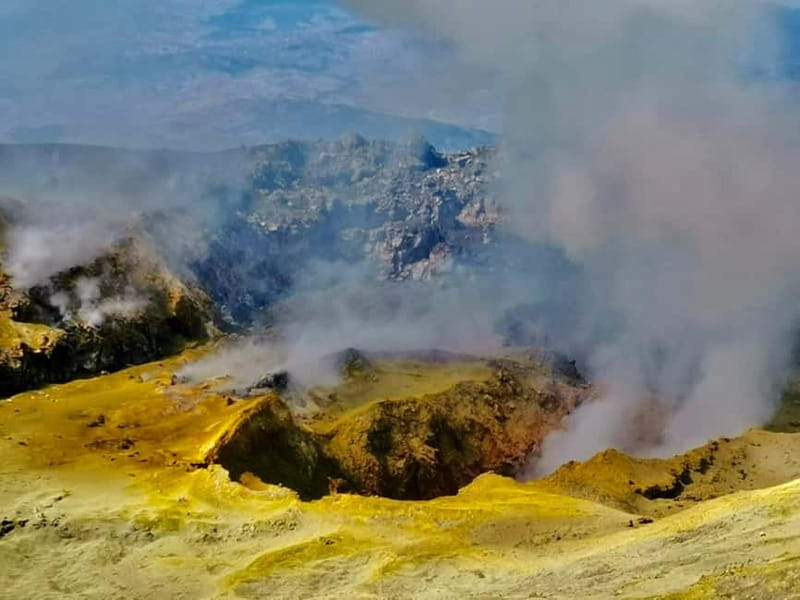
- Close summit crater time: guided walking around Cratere Centrale and the summit area
- Views from altitude: Sicily, the Aeolian Islands, and Italy’s coastline from about 3,400 m
- Off-road lava terrain: 4×4 rides through areas affected by recent eruptions
- Gear is handled: boots, jacket, and helmet are included so you travel lighter
- Flexibility is built in: the trek can be modified depending on volcanic activity and meteo
Why the north side of Etna feels different
Mount Etna is the kind of volcano people talk about for years, then forget to describe properly. This trek does a better job. Instead of sticking to easy, high-traffic approaches, you head for Etna’s north side and spend time in the volcanic zones that feel remote and lived-in by the mountain itself.
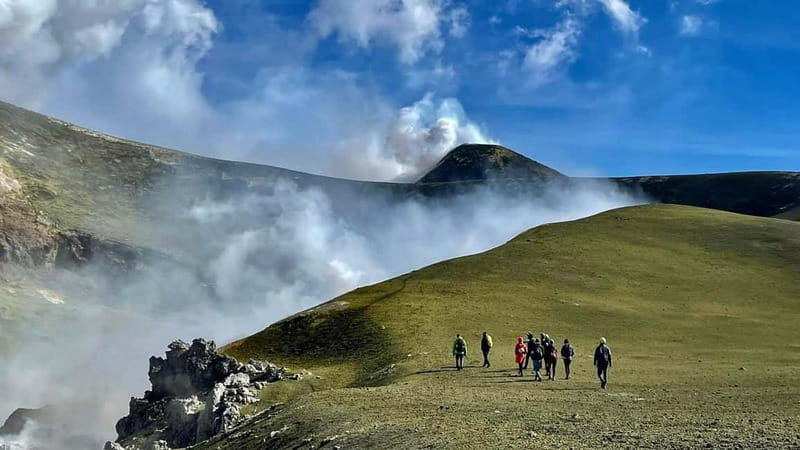
You start the day around Piano Provenzana on the north side, and the altitude climb is part of the experience. Once you reach the higher starting point near 2,900 m, the air gets sharper, the ground gets stranger, and the views start arriving in layers: first the raw volcanic texture, then the scale of Etna, and finally Sicily and the sea.
If you’re the type of traveler who likes your sightseeing with context—why the ground looks like this, how an active volcano behaves—this tour is built for that. The guides bring the science down to what you can see in front of you: crater areas, lava surfaces, and the logic of how routes change when conditions demand it.
You can also read our reviews of more hiking tours in Mount Etna
Getting to altitude: meeting at Sole-neve Souvenirs and the first briefing
The tour starts at Sole-neve Souvenirs, right at the shop entrance. It’s handy because you’ll have parking at the meeting point, and the day begins in a place designed for logistics rather than chaos.
From there, expect a short rhythm that matters on a volcano day:
1) you meet up and get organized
2) you do a safety briefing
3) you check equipment
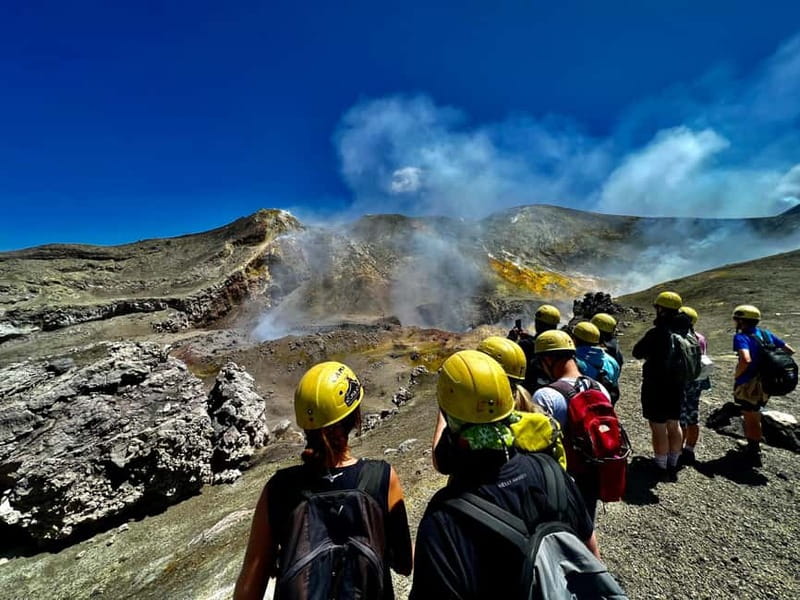
That matters more than you might think. Etna can go from calm to windy fast, and the summit area is not a place for guesswork. You’re going to hike on volcanic surfaces, handle cold or sun depending on the weather, and wear proper gear. The tour includes helmet and provides hiking boots and a jacket, so you’re not relying on your own gear being right for volcanic terrain.
You’ll also be with a small group: limited to 10 participants. That small size makes it easier for the guide to watch everyone’s pace and comfort, especially once you start climbing on rough ground.
4×4 off-road on the north side: the fun part with real purpose
Before your hiking begins, you get an off-road ride experience. The schedule calls out a 4×4 segment of about 20 minutes early in the day, and another off-road stretch later as you return.
This is not just transportation; it’s part of the route story. The ride takes you through zones that show where eruption impacts have been visible—areas destroyed from recent volcanic activity—so you’re not only learning about Etna from a distance. You’re seeing it as a living landscape of scars and new surfaces.
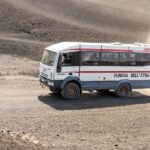
Practical note: the tour is described as including 4×4 elements, but there’s also a listed Unimog 4×4 round trip ticket not included in the price (50 EUR per person, paid in cash on the spot). Before you go, decide whether you want to budget for that cash payment so you don’t end the day scrambling.
The summit approach: hiking from about 2,900 m toward 3,340 m
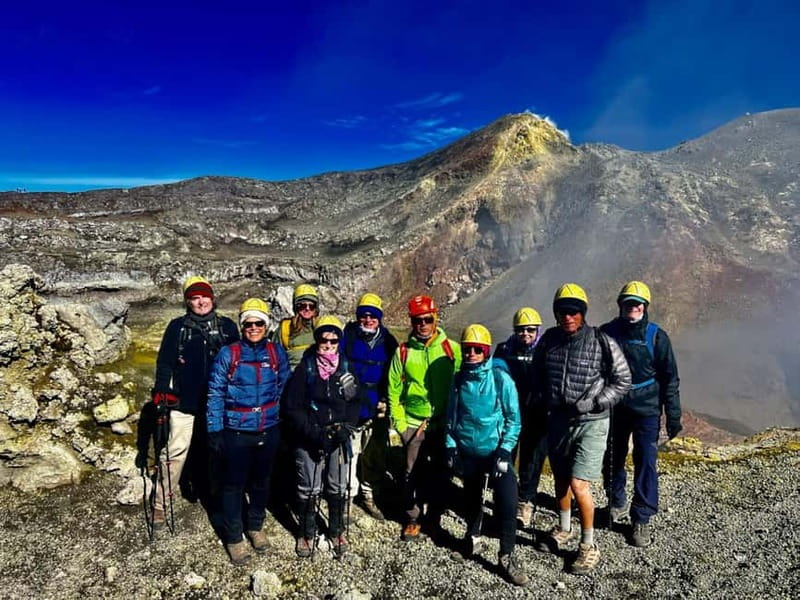
Trekking starts after you reach roughly 2,900 meters. From there, you’re looking at about 100 minutes of hiking in the main ascent segment. The big “wow” of Etna starts with the terrain under your feet: lava fields and volcanic surfaces can be loose, uneven, and surprisingly demanding.
What I like about this portion is that it feels active rather than just scenic. You’re not walking on a manicured path. You’re moving through terrain that changes how you place your steps, and that forces you to pay attention. It’s also where you start to understand the volcano’s scale. At this altitude, the horizon stretches, and the mountains and sea line up in a way that makes Etna feel bigger than a single peak.
Altitude and weather are real variables here. One of the most repeated themes from guide-led days is that conditions can be windy and cold, even when the lower slopes feel fine. The good news: the guides adjust. You’ll keep moving at a pace that works for the group, and you’ll get support for the tricky sections instead of being left to battle the mountain solo.
Cratere Centrale dell’Etna: guided time near active ground
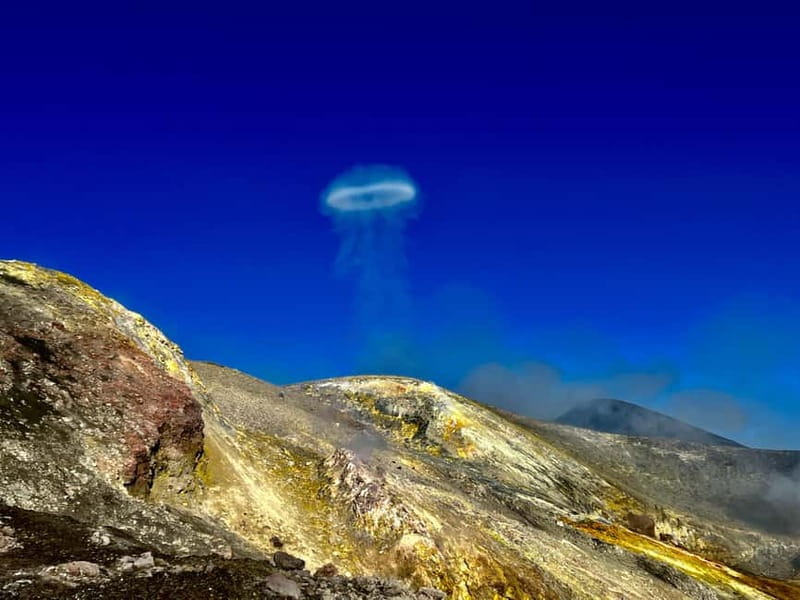
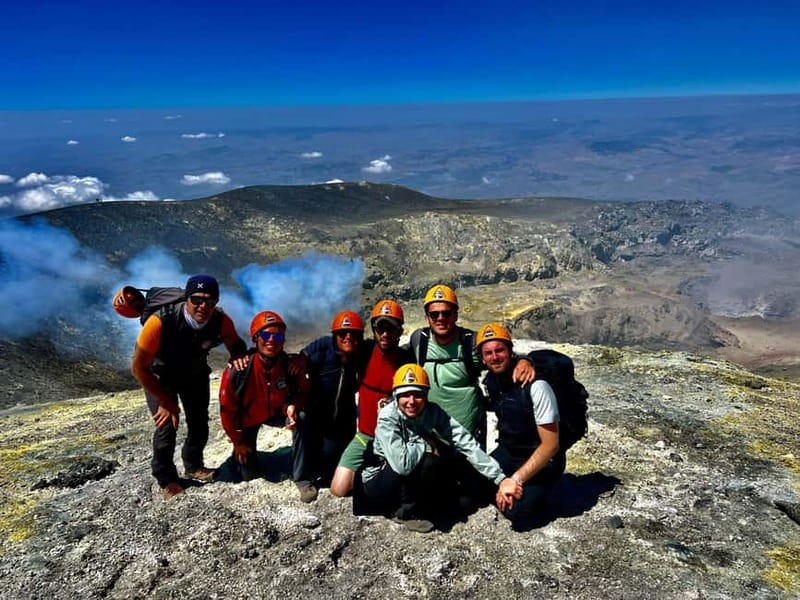
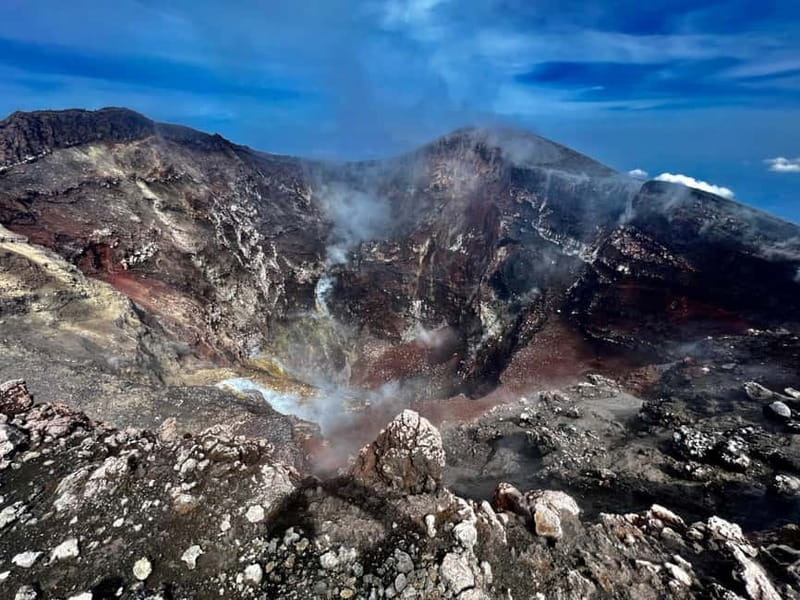
The heart of the day is your visit to Cratere Centrale dell’Etna, with about an hour of guided exploration. This is where the summit craters stop being a concept and become a physical place you’re walking near.
Expect:
- guided time focused on what you’re seeing
- walking/hiking on the route segments leading through the crater area
- scenic views from the summit region
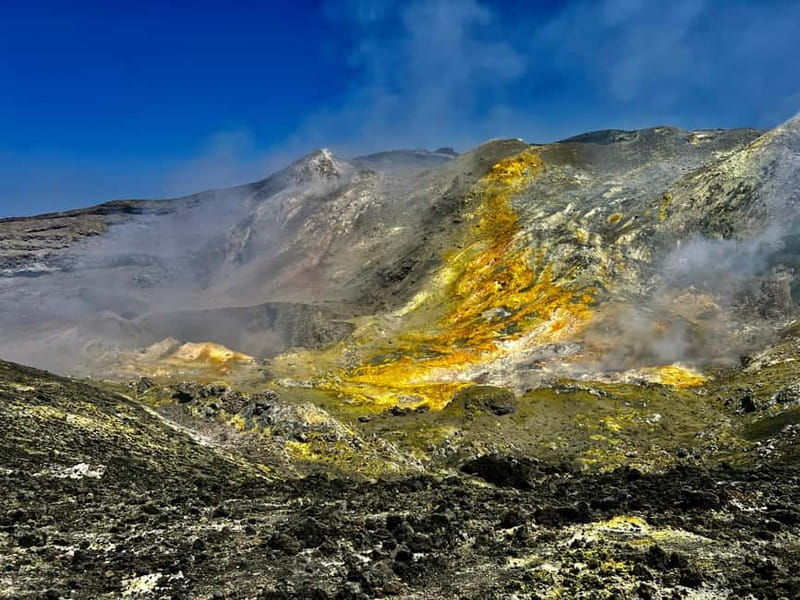
In plain terms: this is where your photos start to look unreal—not because of filters, but because active volcanic features have a character that flat descriptions never capture. You’ll also learn how eruptions reshape the ground and how route access can depend on current conditions.
Some sessions include moments that stand out even more, like walking on freshly cooled lava if recent eruption timing lines up with what’s accessible on the day. That’s not something you can demand, but it’s the kind of “this is actually happening” connection Etna fans live for.
The midday break and Valle del Bove views from Pizzi Deneri
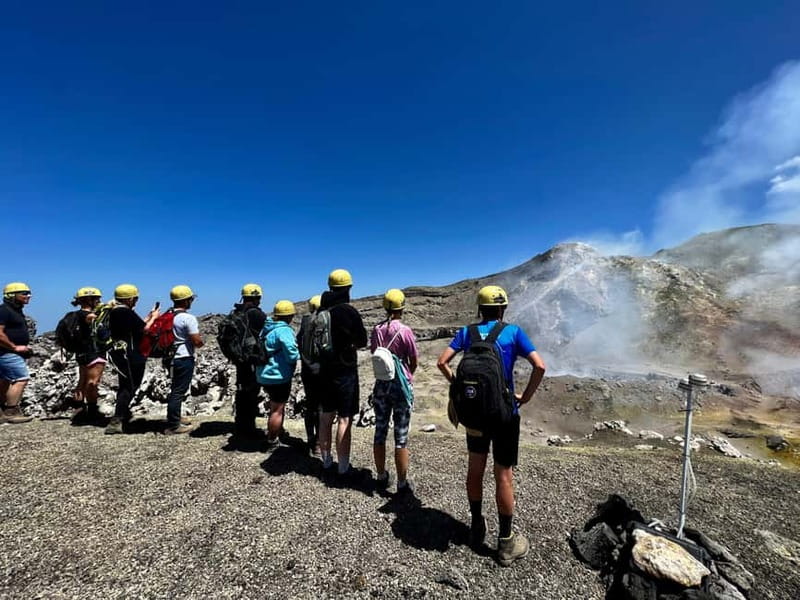
After the crater segment, you get a break time with a picnic component (about 1.5 hours). Bring food and drinks, because the tour doesn’t include meals. Having that pause matters. When you hike around active volcanic ground, you want a planned moment to reset—hydrate, warm up, and let everyone regain balance and energy.
Then comes the descent story, which is where Etna turns scenic in a new way. The route leaves the summit area and heads toward Pizzi Deneri, where you can enjoy a majestic view of Valle del Bove. The itinerary includes about 30 minutes of hiking in the Valle del Bove direction.
What makes this part valuable is the “big picture” effect. Up near the craters, you’re close enough to see textures and details. In the descent and valley-view areas, your brain finally gets the scale: how eruptions open the ground, how valleys hold the shape of past activity, and how the coast and islands appear when weather clears.
Descent also includes sand gullies in the overall route description. That’s not just scenery; it’s a terrain shift that can feel slippery or slow. The guides’ job here is helping you place your steps and manage energy for the last off-road return.
Off-road return: finishing back at Piano Provenzana and Sole-neve Souvenirs
You’ll end with another 4×4 adventure segment (about 20 minutes) and then arrive back at the starting area in Piano Provenzana, returning to the meeting point at Sole-neve Souvenirs.
The main goal of the return ride is comfort after hiking on volcanic ground. It also gives you a final look at the contrast between what the mountain looks like from a distance and what it looks like when you’ve been walking across it.
So yes, it’s a physical day, but it’s also designed so you’re not spending extra hours transferring between places. No hotel pickup is mentioned, so plan to meet at the shop with enough time to park and settle in before the briefing.
Price and value: the real math behind the $62.63
At $62.63 per person, this tour can be a strong value on Sicily. Here’s why: you’re not just paying for a guide and entry to a viewpoint. You’re paying for a structured summit trek that includes equipment and safety gear.
Included items:
- Etna summit tour
- hiking boots
- jacket
- volcanological or alpine guide
- insurance
- helmet
That equipment matters because trekking on active volcanic terrain demands specific footwear and layering. If you’re traveling light, not having to buy or rent boots and outerwear on the island saves you money and hassle.
The one likely extra cost to budget for is the Unimog 4×4 ticket (50 EUR per person, cash on the spot) listed as not included. Even if the overall tour description centers the 4×4 experience, that separate fee is real on the day. If you budget for it up front, the day becomes much easier to judge as a fair deal.
Who should book this Etna summit trek (and who shouldn’t)
This experience is ideal if you want:
- an active hike to summit crater areas
- guided explanation of Etna’s volcanic behavior and visible features
- a small-group format where your comfort gets attention
- views that reach across Sicily and out toward the Aeolian Islands
You should probably skip it if:
- you’re pregnant
- you have heart problems
- you have respiratory issues
- you have low fitness or you know hiking at altitude isn’t for you
Also take the restrictions seriously: alcohol and drugs are not allowed.
On the plus side, the guides are set up to handle different paces. Multiple people have emphasized that the guide checks on everyone’s well-being and adjusts to the group’s physical condition—so you’re not just handed a route and told good luck.
What to bring and how to dress for Etna’s mood swings
This is a hike where weather matters, even if the day starts sunny. Bring:
- sunglasses
- sun hat
- hiking shoes
- jacket and weather-appropriate clothing
- daypack
- food and drinks
- cash (in case you need to pay the Unimog 4×4 ticket on site)
A smart tip: treat the jacket as mandatory, not optional. Even with a provided jacket, plan for cold wind at higher elevations, and keep layers realistic. If you tend to run cold, add extra warmth on top of what you wear under the jacket.
And pack your sun protection seriously. High altitude sun can sneak up, especially when you’re busy looking at craters and lava textures.
Should you book the Mount Etna Summit Trek?
If you want your Sicily trip to include something you can’t get from a bus window, book this. The combination of small group size, summit crater access, and real volcanic terrain makes it feel like a privilege—not a checklist.
I’d especially recommend it if:
- you care about safety briefings and a guided plan
- you like understanding what you’re seeing on an active volcano
- you want big views over Sicily and the Aeolian Islands from the crater zone
I would hesitate only if you’re uncomfortable with altitude, have respiratory or heart concerns, or you need a totally predictable route. Because Etna is active, the trek can be modified depending on volcanic activity and meteo conditions. The best attitude is flexible.
If you can handle a challenging hike and you’re okay paying the on-the-spot Unimog fee if required, this is one of the most memorable ways to experience Mount Etna up close.
FAQ
Where is the meeting point?
You meet at the Sole-neve Souvenirs shop, right by the entrance. There is parking at the meeting point.
How long is the tour?
The duration is listed as 4.5 hours. One guide-led note also mentions planning for closer to 6 hours total, with about 4.5 hours of hiking.
What languages are the guides?
The live tour guide is available in English, Italian, and French.
What’s included in the price?
Included items are the Etna summit tour, hiking boots, jacket, a volcanological or alpine guide, insurance, and a helmet.
Is the 4×4 ride included?
The tour includes off-road 4×4 segments, but there is also a listed Unimog 4×4 round trip ticket (50 EUR per person) that is not included and is paid in cash on the spot.
What should I bring?
Bring sunglasses, a sun hat, hiking shoes, a jacket, weather-appropriate clothing, a daypack, cash, and food and drinks.
Is this tour suitable for everyone?
It is not suitable for pregnant women, people with heart problems, people with low level of fitness, or people with respiratory issues.
Does the itinerary change?
Yes. Trekking can be modified depending on volcanic activity and meteo conditions, and the stay on the summit area depends on those factors.
Is food provided?
No. Food and drinks are not included, so you’ll need to bring them for the break and picnic time.