REVIEW · ANTIGUA GUATEMALA
From Antigua: Adventure, 2-Day Hiking to Acatenango Volcano
Book on GetYourGuide →Operated by Volcano Expeditions · Bookable on GetYourGuide
Acatenango is one of those Guatemala adventures that feels bigger than it looks on a map. You start in Antigua, work your way up past La Soledad, and spend the night close enough to see El Fuego rumble and glow in the dark. I especially like how many groups are brought along by guides such as Luis or Roberto, who keep people moving and calm when the climb gets steep.
What I also love is the way the experience is paced for a shared group: you get a real hike day, a real overnight in a high camp, and then an early push for sunrise over the clouds. There’s even a built-in option for you if you don’t want the second-day summit climb, since you can wait at camp and still enjoy the morning. One thing to plan for: the trail is seriously steep and cold at the top, and the tour isn’t set up for low fitness, mobility limits, or heart issues.
In This Review
- Key Things That Make This Acatenango Hike Worth Your Time
- Acatenango From Antigua: What This Really Feels Like
- Getting Fitted and Sorted in Antigua Before You Hike
- Day One: La Soledad to Base Camp and the First Big Reward
- Day Two: Sunrise on Acatenango and the Cold-Up-Top Reality
- The Fire Volcano Add-On: What It Costs and When It’s a Yes
- What’s Included (and Why That Matters for Value)
- Sleeping High Up: Dome Accommodation and Shared Space Expectations
- Fitness, Altitude, and Safety: The Part You Should Not Rush
- Price and Value: $54 Sounds Low for a Reason
- Who This Acatenango Hike Fits Best
- Should You Book This Acatenango Volcano Adventure?
- FAQ
- FAQ
- How long is the Acatenango volcano hike experience?
- Is pickup from Antigua included?
- What’s included in the price besides the hike?
- Do I need to pay a volcano entrance fee?
- Is water included?
- Can I add the Fire Volcano activity?
- Is the sunrise climb mandatory?
- What language are the guides speaking?
- What should I avoid bringing?
Key Things That Make This Acatenango Hike Worth Your Time
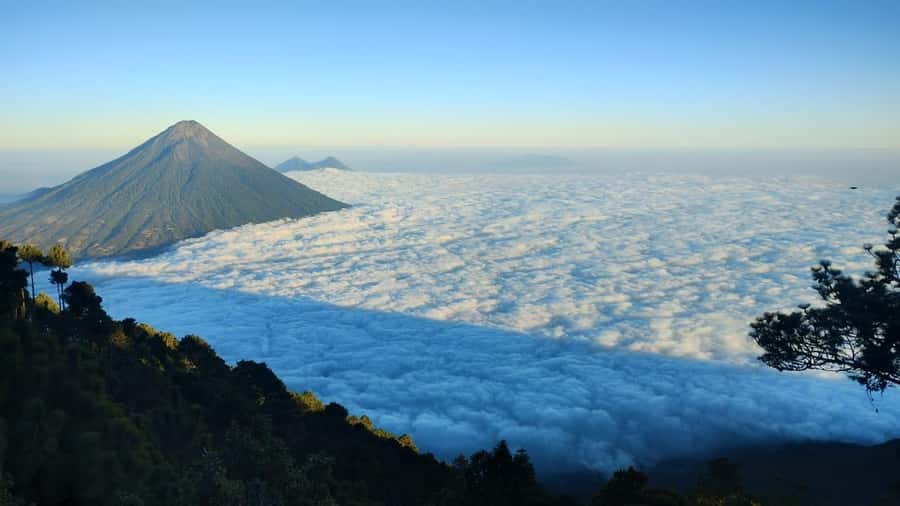
- El Fuego visibility from camp: you’re not just hiking for a postcard view.
- Sleeping high up: dome accommodation plus sleeping bag and mat, right in the action.
- Two big mornings: a long day one ascent, then a sunrise hike option on day two.
- Gear support is included: jacket, gloves, hat, and hot chocolate help you handle the cold.
- Shared-group pacing: you hike alongside others at a steady pace, with breaks built in.
- Small extra costs for big upgrades: volcano entrance fee and the Fire Volcano add-on are separate.
Acatenango From Antigua: What This Really Feels Like
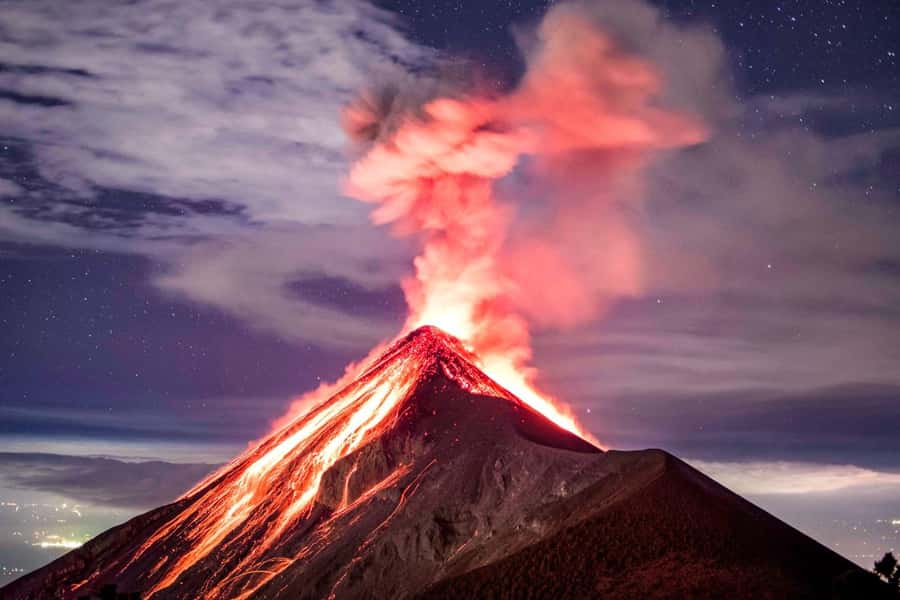
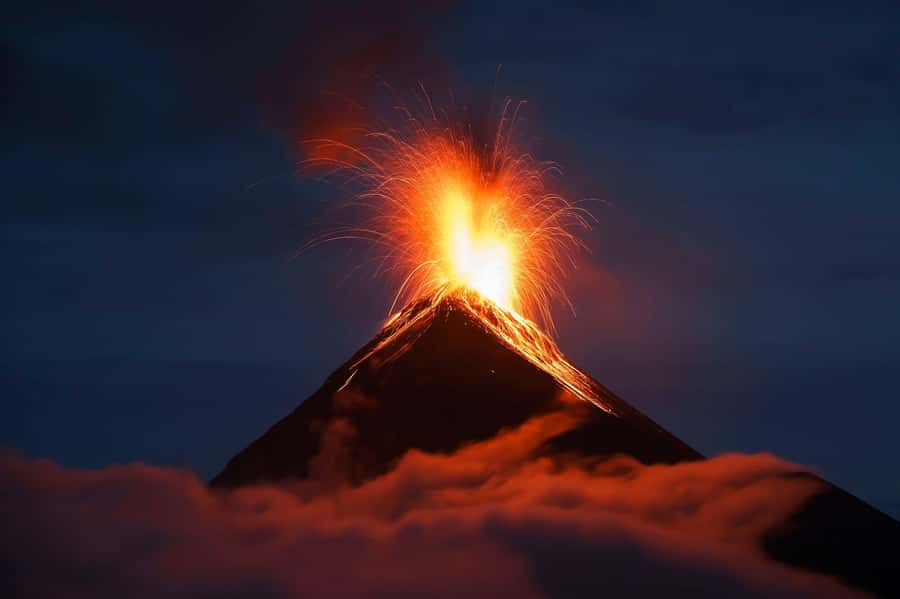
This is a true high-altitude hike, not a casual trek. Expect steep gravel and volcanic dirt, with the kind of altitude where your breathing works harder than you want it to. The payoff is that you’re rewarded twice: first with El Fuego activity from the high camp area, and then with a sunrise that turns the valley and cloud tops into layers.
I like that the tour is structured enough that you can prepare without guessing. You know you’ll leave Antigua, you’ll climb for several hours on day one to base camp, and you’ll be up early day two for either the Acatenango summit climb or a calmer morning at camp.
The trade-off is that your comfort comes second to function. This isn’t a luxury lodge story, and top-camp conditions are basic by nature.
You can also read our reviews of more hiking tours in Antigua Guatemala
Getting Fitted and Sorted in Antigua Before You Hike
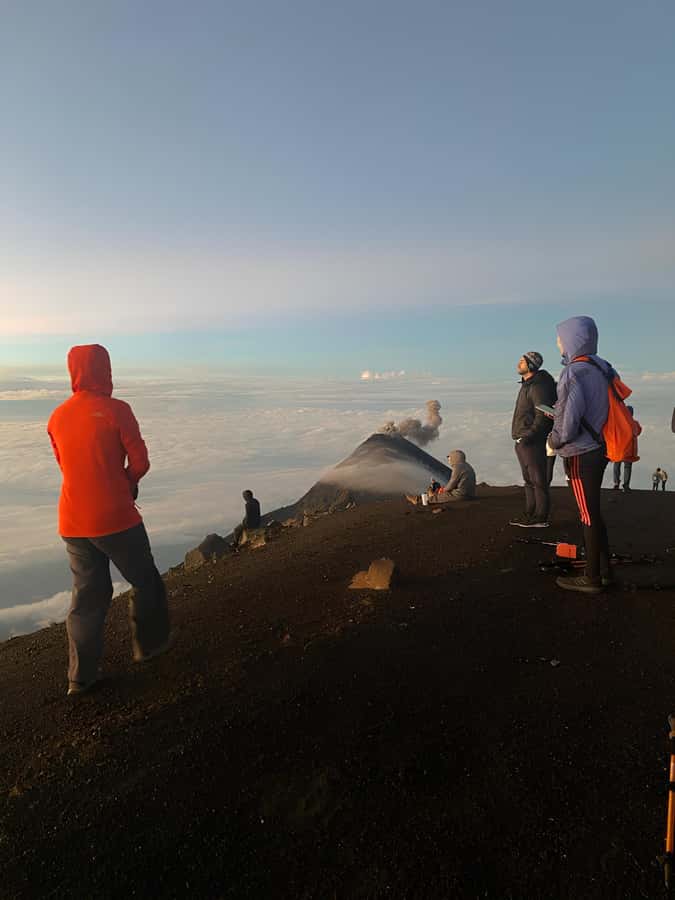
Your day starts with a pickup from your hotel in Antigua. Around 8:45 AM, you stop at the activity provider’s station to grab pre-packed food and the cold-weather basics: jackets, gloves, and hats. If you need them, you can rent items like backpacks and flashlights there too, which can save you from hunting gear in Antigua last-minute.
This station stop matters more than it sounds. It prevents the classic mistake of showing up underdressed and then trying to buy layers on the spot. A provided jacket that is not impermeable is still useful, but you’ll want warm layers underneath because the top gets very cold and windy.
Also pay attention to what’s included and what’s not. You’ll get a luggage storage option, but you still need to bring water and personal hiking items, and that’s where people run out if they plan too lightly.
Day One: La Soledad to Base Camp and the First Big Reward
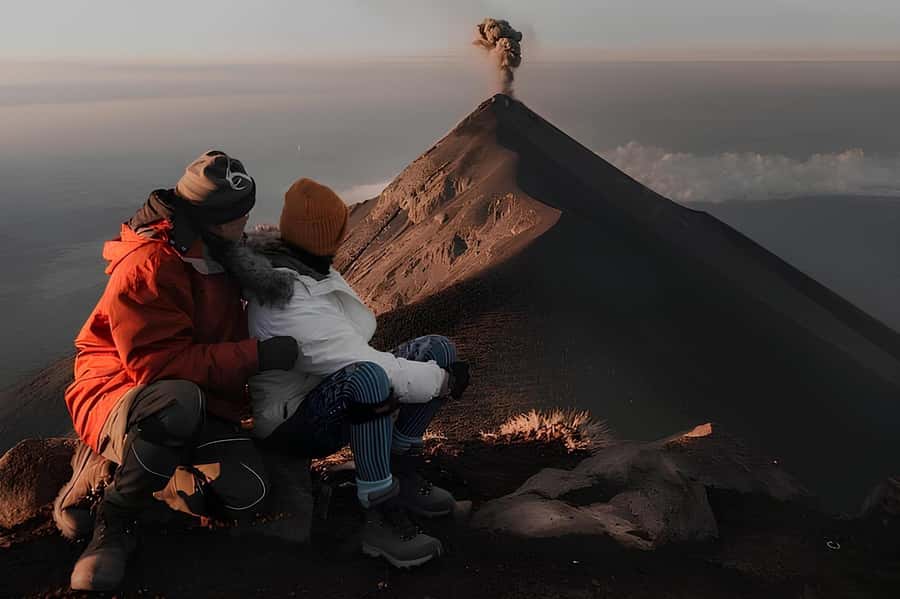
You’ll head to the village of La Soledad, then meet your guides after a briefing. The hike up to base camp takes about 4.5 to 6 hours, depending on the group’s pace. It’s steep enough that intermediate hiking skills and sure-footed legs really help.
When you reach base camp in the late afternoon, you check in and settle into dome accommodation. You’ll get a moment to take in the views of surrounding peaks, but the real hook is what you can see beyond the dark outline: El Fuego’s eruptions. Even if you’re tired, it’s hard not to look up after you’ve hauled yourself uphill for hours.
Dinner and downtime come next, and that’s important because day two starts early. The food is included (lunch on day one, dinner day one), but it’s not built to be a feast. Bring extra snacks so you can top up when the climb drains you.
Practical note: bathroom breaks happen during day one (three breaks), and you’ll be responsible for toilet paper.
Day Two: Sunrise on Acatenango and the Cold-Up-Top Reality
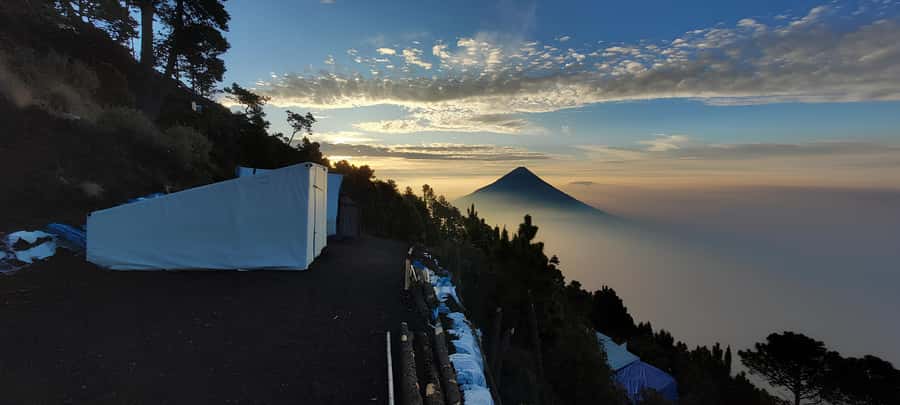
Day two is the moment most people came for. You’ll rise early for the sunrise hike up Acatenango in time for the morning light. If you choose not to summit, you can wait at camp while others climb.
Here’s the part to respect: sunrise isn’t just a little steep, it’s a real climb. You’ll likely feel it in your lungs and legs, especially if the altitude hits you hard. And weather can change fast near the top, so wind and cold are part of the deal, not an exception.
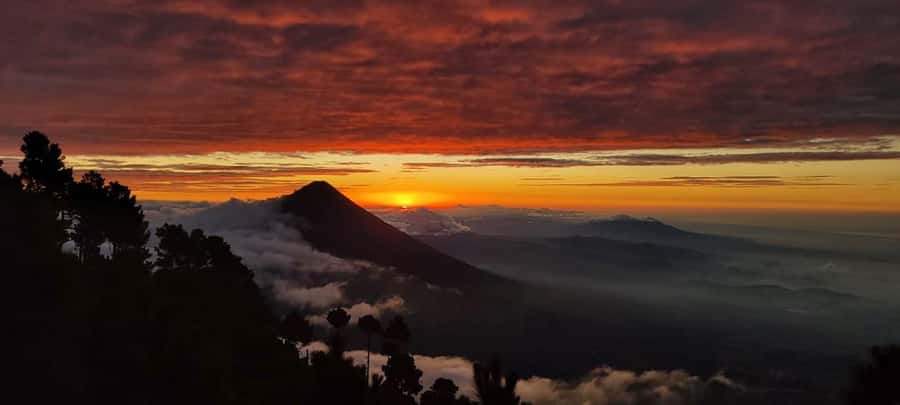
What makes this day special is the payoff. You’re watching sunrise over clouds from a high vantage point, and that view is why this hike has such a loyal following. It’s also why people say pictures don’t fully capture it: the scale and timing feel bigger in real life.
After the summit option and sunrise viewing, you head back to base camp for breakfast and then start the descent for your return to Antigua.
The Fire Volcano Add-On: What It Costs and When It’s a Yes
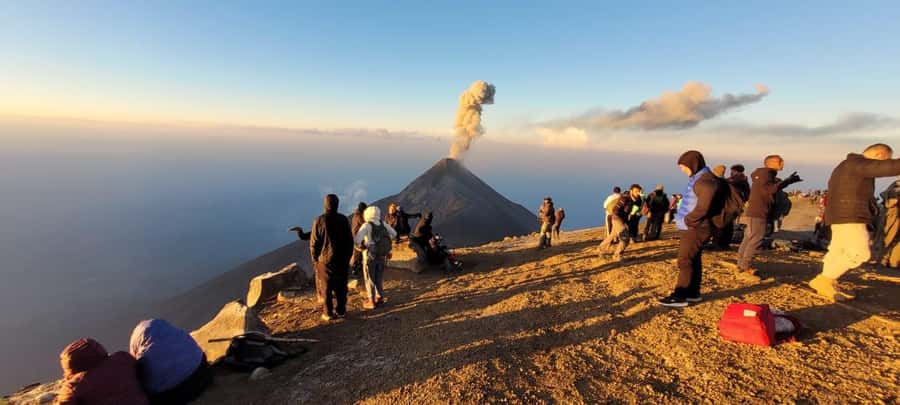
You can add an extra Fire Volcano tour for Q200, and it’s not included in the base price. If you do it, you’re pushing the adventure further, usually with the sense that you’ll get closer to the eruptions and the night activity.
This add-on is also where gear becomes non-negotiable. You’ll want a flashlight or headlamp, and the tour data recommends bringing one, with rentals available before you start. If you’re climbing at night, you need good visibility on uneven ground.
One more thing: this add-on isn’t for everyone because it adds strain. People who skip it often still get spectacular views from base camp, so you’re not choosing between good and bad. You’re choosing how intense you want the experience to feel.
What’s Included (and Why That Matters for Value)
At $54 per person for two days, the price is built around keeping you functional, not comfortable in a resort sense. You get round-trip transportation from your hotel, a guide, meals (lunch and dinner on day one, breakfast on day two), hot chocolate, and sleeping gear like a sleeping bag and mat.
You also get a basic winter set-up: gloves, a cold hat, and a jacket (not waterproof). That’s a big deal for value because cold gear can be expensive if you buy in Antigua at the last minute. On top of that, you have luggage storage, which helps if you don’t want to carry extra weight during the hike.
You’ll also have dietary options available, including vegetarian, vegan, and gluten-free menus. In a hike environment, that’s genuinely useful.
The biggest “not included” surprises are simple but important: volcano entrance fee (100 quetzales) and water. Water isn’t included, and you’re told to bring 3 liters for the hike. Some hikers plan for closer to 4 liters, which makes sense if you run hot or sweat more than average.
Sleeping High Up: Dome Accommodation and Shared Space Expectations
The camp setup is basic. You’ll sleep in dome accommodation, and you’ll use a sleeping bag and mat provided by the operator. Reviews point out that cabins and tents can feel crowded and shared, with different group sizes depending on the hike date.
This is one of those “plan your mindset” moments. You’re up there for the volcano, not for spotless bedding and quiet comfort. If you hate close quarters, you may want to pack earplugs or accept that you’ll be sharing space with strangers for one night.
Sanitation can be uneven too, and at least a few people reported concerns about sleeping bag cleanliness. That doesn’t mean every night is like that, but it’s a reminder to bring your own small hygiene items and be realistic about high-camp logistics.
A pillow is recommended, and I’d treat that as essential. Your rest will affect how you feel during the sunrise climb.
Fitness, Altitude, and Safety: The Part You Should Not Rush
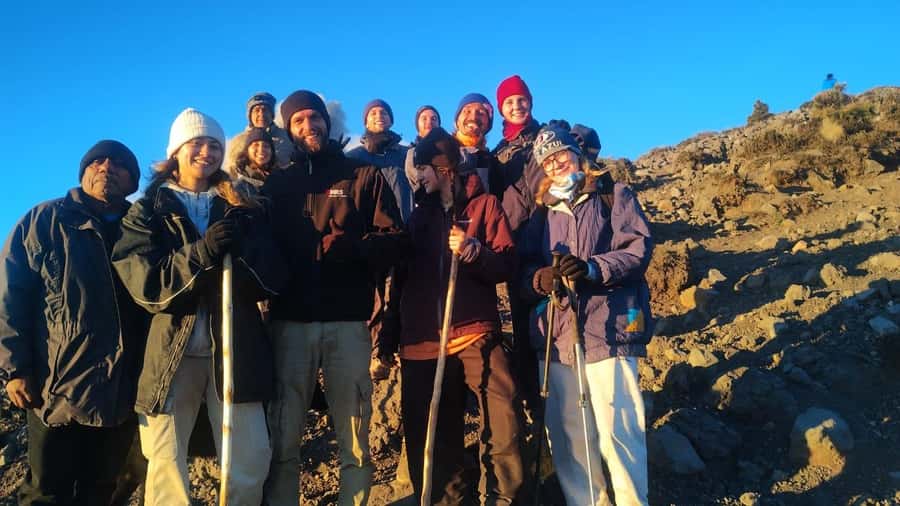
The trail requires a good level of fitness and intermediate hiking skills because it’s steep. The tour is not suitable for children under 11, pregnant women, people with mobility impairments, people with heart problems, people over 65, or those with low fitness.
Even if you consider yourself “okay fit,” the altitude can hit you fast. One common pattern is that the breathing becomes intense and your throat can feel rough while climbing. If you have asthma or other breathing concerns, the tour provider’s restrictions are there for a reason, and you should take them seriously.
Shoes matter a lot. The hike involves loose gravel and volcanic soil, so traction helps prevent slips. Some hikers skip trekking poles and do fine with the right shoes, while others strongly recommend poles for stability on steep sections.
Also pack like you mean it:
- Warm clothing, because the cold at camp can be brutal
- Sunglasses, because altitude glare is real
- Flashlight for the night timing and any early-dark sections
- A backpack in the 45 to 55 liter range (or a smaller one if you’re traveling light and organized)
- Snacks, because meals provided can feel basic during a hard climb
- Sunscreen, plus socks and spare socks
Price and Value: $54 Sounds Low for a Reason
The base price is $54 per person for two days, and it’s relatively strong value when you look at what’s included. You’re getting transportation, a guide, sleeping gear, and most meals, plus jacket/gloves/hat support.
But budget for the add-ons and essentials:
- Volcano entrance fee: 100 quetzales (about $13)
- Fire Volcano extra tour: Q200
- Water: you bring your own (plan 3 liters; some carry more)
If you want the biggest night activity view, your cost rises. If you skip the Fire Volcano add-on, the base price plus the entrance fee can feel like a fair trade for a once-in-a-lifetime landscape experience.
Who This Acatenango Hike Fits Best
You’ll love this most if you want a serious hike with a real overnight and you can handle cold, altitude, and a steep climb. It’s a great choice for active travelers who like guided structure and don’t want to DIY logistics.
You might be happier skipping this if you:
- Prefer flat, easy walking
- Don’t handle cold or windy conditions well
- Have mobility or heart concerns
- Are traveling with young kids (it’s not suitable under age 11)
If you’re unsure about doing the sunrise summit, that’s not a problem. Waiting at camp still gives you the core “morning above the clouds” moment.
Should You Book This Acatenango Volcano Adventure?
If you’re physically ready for a steep hike and you’re okay with basic sleeping conditions, I’d say yes. This is one of those Guatemala trips where the views and the fire-volcano drama justify the effort, especially because the tour includes key essentials like sleeping gear and cold-weather basics.
Book it if you want guided safety, clear timing, and the chance to see El Fuego activity from a high camp. Pass or choose a gentler option if you’re low on fitness, sensitive to cold and altitude, or you know you won’t enjoy shared, crowded sleeping arrangements.
FAQ
FAQ
How long is the Acatenango volcano hike experience?
It runs for 2 days.
Is pickup from Antigua included?
Yes. Round-trip transportation from your hotel is included.
What’s included in the price besides the hike?
You get dome accommodation with a sleeping bag and mat, a guide, lunch and dinner on day one, breakfast on day two, hot chocolate, gloves, a cold hat, a jacket (not impermeable), and luggage storage.
Do I need to pay a volcano entrance fee?
Yes. The entrance fee is 100 quetzales (about $13) and is not included.
Is water included?
No. You need to bring water. The guidance is to bring 3 liters for the hike.
Can I add the Fire Volcano activity?
Yes. There’s an extra Fire Volcano tour option for Q200, and it’s not included in the base price.
Is the sunrise climb mandatory?
No. The sunrise hike up Acatenango is optional. If you don’t want to climb, you can wait at the camp.
What language are the guides speaking?
The live tour guide is Spanish.
What should I avoid bringing?
Pets are not allowed, and drinks are not allowed in the vehicle.