REVIEW · REYKJAVIK
Reykjavík: Volcano Eruption Site and Reykjanes Hiking Tour
Book on GetYourGuide →Operated by BusTravel Iceland · Bookable on GetYourGuide
Volcanoes wake up, and you can walk there. This Reykjanes Peninsula day trip is interesting because you’ll chase fresh lava stories and still make time for the coast and tectonic-plate photo ops, including the Bridge Between Continents. I love how the day mixes a real hike with low-effort, high-payoff stops you can enjoy even if the weather turns.
What I also like is how the tour builds from cold ocean air to pure geothermal weirdness. At Gunnuhver Hot Springs, you get the kind of steam-and-mud scene that makes you feel small in the best way, and the walk to the eruption viewing areas is the centerpiece, usually about 2 hours each way. The main drawback: the volcano hike is moderate to hard, and you’ll feel it more if wind and ice show up or if your route has to shift for safety.
To make the day work, think like a practical hiker. Bring rain gear and plan for packed lunch, because the schedule is built around long drives, photo stops, and a steady walking block. If you come prepared, this is the kind of day that turns Iceland’s geology from trivia into a full-body experience.
In This Review
- Key highlights you’ll remember
- Volcanoes, steam, and plates: the Reykjanes day trip vibe
- From Reykjavík pickup to Reykjanes roads: why the bus part helps
- Lake Kleifarvatn and Seltún: quick stops that set the tone
- Geldingadalur Valley and the eruption hike: where the day’s heart is
- Gunnuhver Hot Springs: steam vents and bubbling mud
- Reykjanes Lighthouse and Atlantic cliffs: fresh air, hard angles
- The Bridge Between Continents: a 15-meter walk you can feel
- Price and what this $126 ticket buys you in real terms
- Who should book this volcano and Reykjanes hiking tour
- Before you go: what to pack and how to avoid a miserable hike
- Should you book this Reykjavík volcano and Reykjanes hiking tour?
- FAQ
- How long is the Reykjanes volcano eruption site and hiking tour?
- Where is the pickup in Reykjavík?
- Is there a hike to the eruption sites?
- Which main stops are included besides the volcano hike?
- What should I bring?
- Is the tour suitable for children or for people with mobility impairments?
- Do I need to pay for food during the tour?
Key highlights you’ll remember
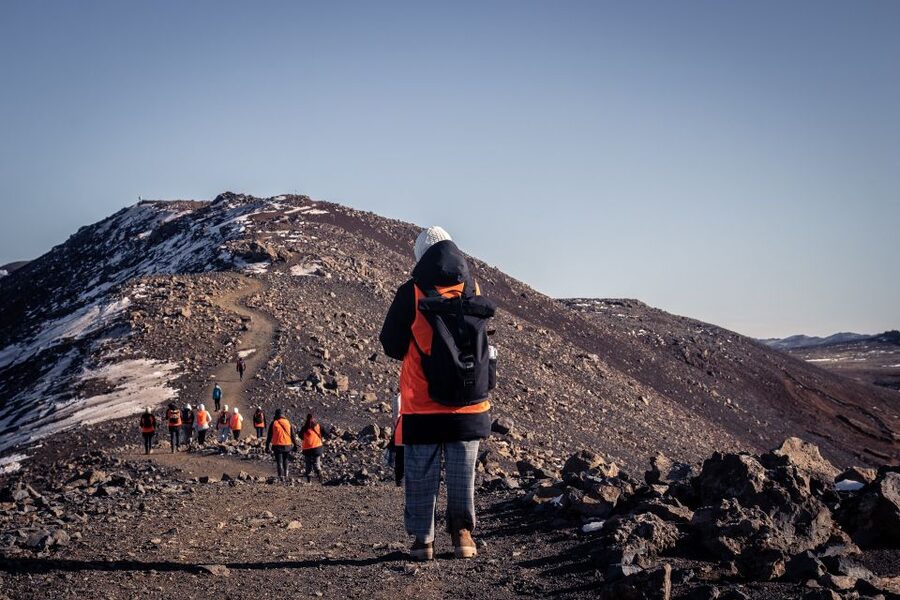
- Eruption-site hiking with a safety-first route so your group reaches the safest viewing point based on conditions
- Lake Kleifarvatn’s black sand with an easy viewpoint stop and a volcanic-coast feel
- Gunnuhver Hot Springs steam and mud where the ground looks alive
- Reykjanes Lighthouse and sea stacks hitting that Atlantic cliff-and-birdlife mood
- A 15-meter bridge over the rift so you can literally walk from the Eurasian plate toward North America
Volcanoes, steam, and plates: the Reykjanes day trip vibe
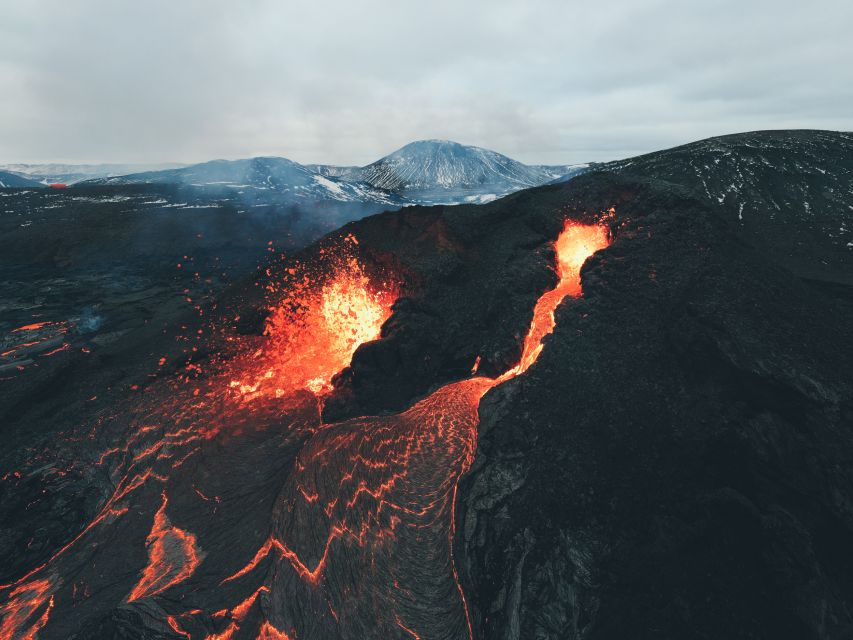
This tour is built around a simple idea: don’t just read about Iceland’s geology—put your boots on it. You start in Reykjavík, then head out along the Reykjanes Peninsula, where the ground has been remade again and again by volcanic activity. The day’s rhythm matters here. You get enough stops that you’re not only hiking, but the hike is real enough to feel like you earned the views.
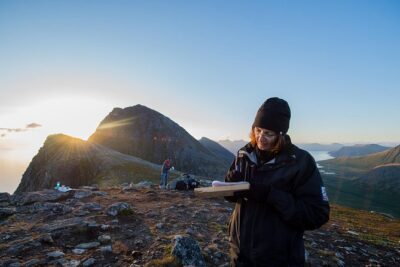
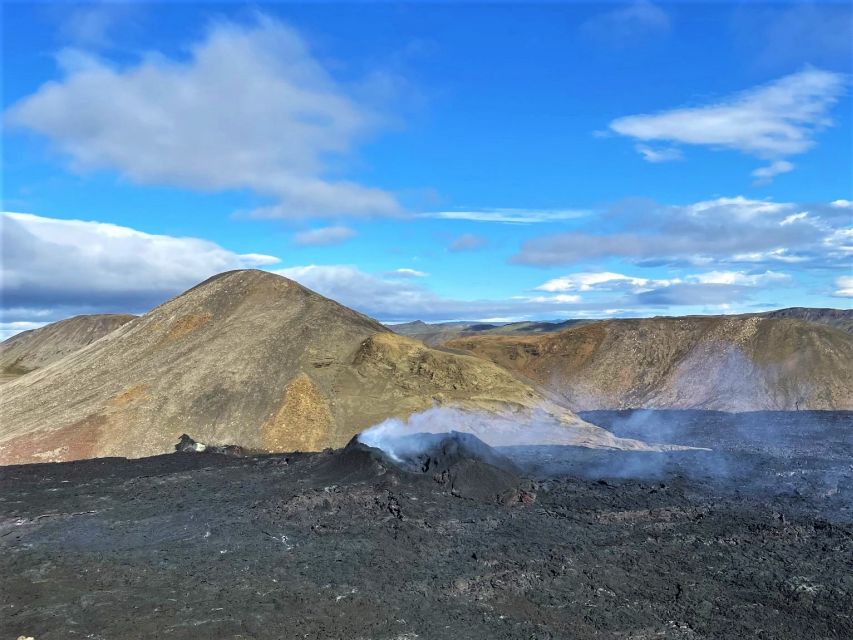
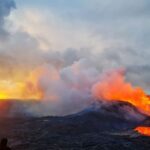
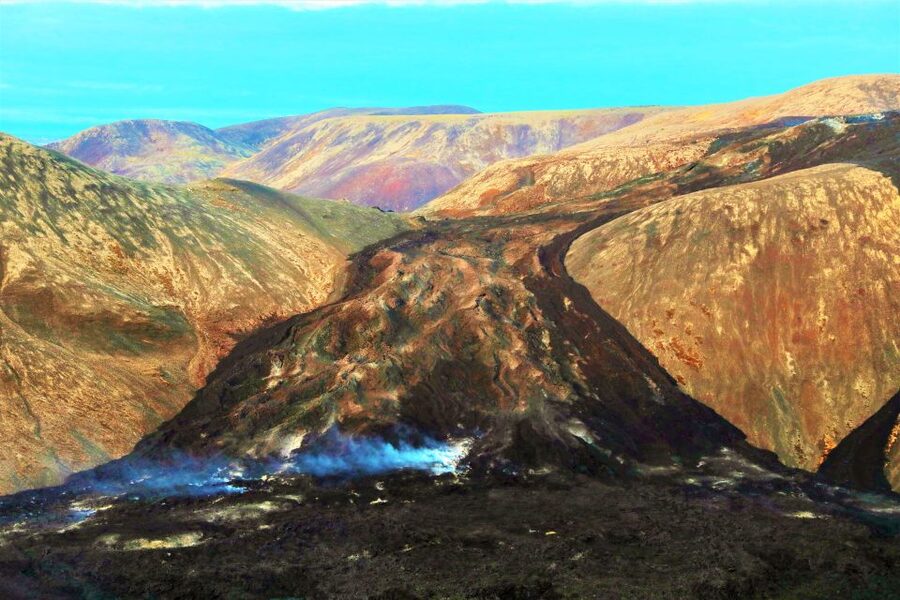
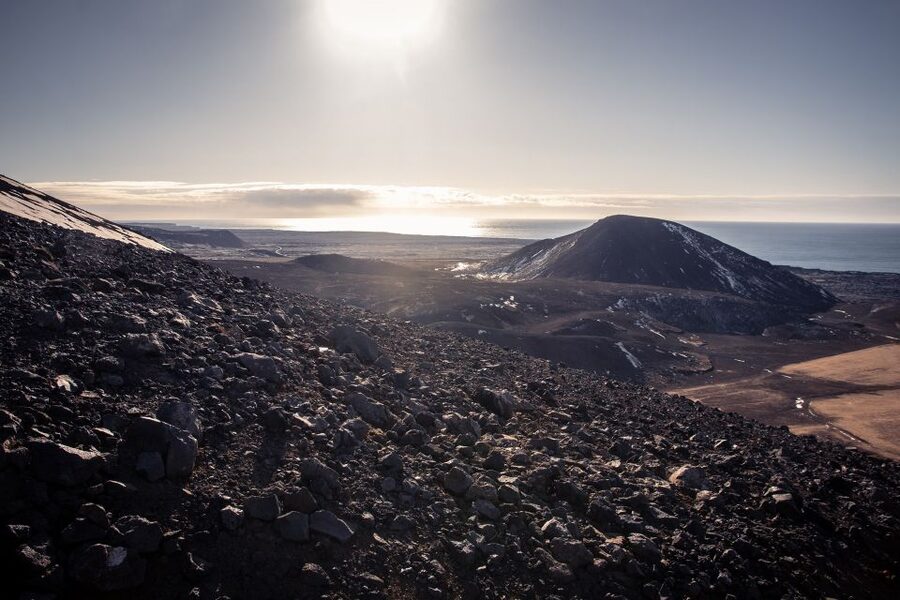
I like that the tour doesn’t pretend the hardest part is sightseeing from a bus window. The core experience is the hike toward the recent eruption areas near Meradalir and Fagradalsfjall, heading north toward Litli-Hrútur. As of August 9, the lava flow at Litli-Hrútur has stopped at least for now, but the area is still smoldering. That’s a big detail for your expectations: you’re not guaranteed active lava in every moment, but you are going to see a landscape shaped by the activity—and that can still be jaw-dropping.
Also, you’re not stuck doing one thing all day. The itinerary layers in geothermal heat, ocean wind, and a tectonic-plate photo moment that feels almost too neat to be real: a 15-meter footbridge between continents.
You can also read our reviews of more hiking tours in Reykjavik
From Reykjavík pickup to Reykjanes roads: why the bus part helps
A day like this can fall apart if you’re driving yourself in the wrong conditions. Here, you hand the driving to a professional team, and you get a guide on board plus onboard WiFi. That’s not just convenience. It means you can focus on the experience instead of worrying about navigation on remote roads.
You’ll start with pickup from Reykjavík bus stop #12, and you may also be able to arrange hotel pickup or pickup from the cruise port depending on your option. One practical point: parts of central Reykjavík aren’t accessible by bus due to city regulations, so you may be redirected to special bus stops. Plan for a short walk to the pickup point so you don’t get stressed on arrival day.
The drive time is meaningful—about 40 minutes at the start—because it gives the day room to breathe. You’re not rushed out the door and straight into a hike before your body understands what’s happening. By the time you reach your first stops, you’re in the right mindset: walk, look, listen, repeat.
Lake Kleifarvatn and Seltún: quick stops that set the tone
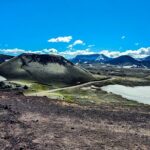
The first major photo stop is Lake Kleifarvatn, where you’ll check out the black beach area. The highlight here is the contrast: dark volcanic sand, nearby mountains, and that sense of geothermal activity in the background. The tour also frames this stop as a place with underwater hot springs and viewpoints, so you’re not just snapping photos—you’re seeing how this coastline and lake sit in a volcanic system.
It’s short—around 10 minutes—so treat it like a grab-and-go moment. If the weather is clear, you’ll want to take extra seconds on your angles and not just rely on one camera burst. If the wind is up, prioritize footing and quickly get your photos before you start the next segment.
Next, you’ll usually stop at the Seltún Geothermal Area (around 15 minutes). Even with a short walk, this stop is valuable because it puts geothermal “action” in front of you early. Mud, steam, sulfurous smells, and the sense that the ground is constantly doing something—these are easier to appreciate once you’ve already seen the volcanic textures at Kleifarvatn.
Geldingadalur Valley and the eruption hike: where the day’s heart is
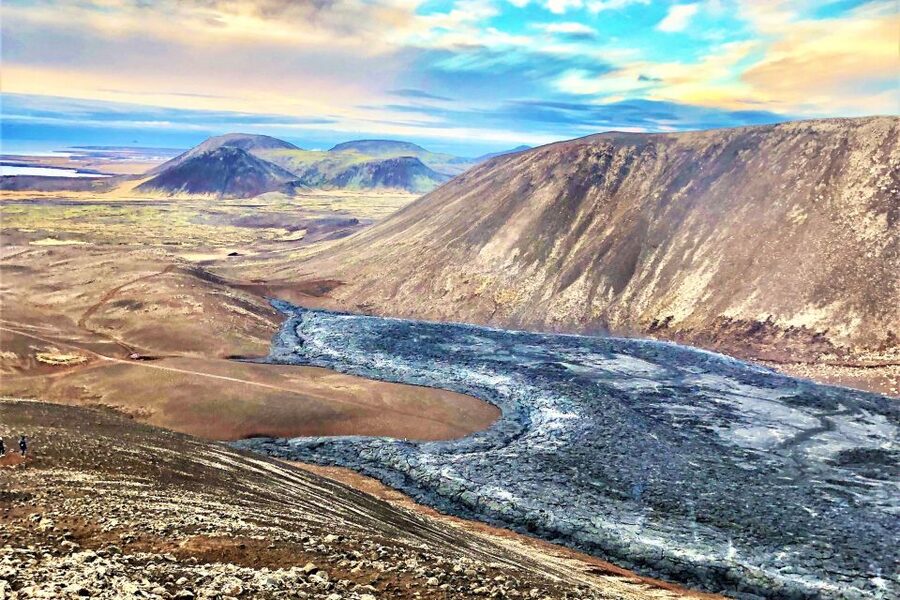
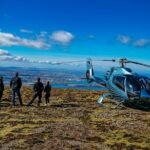
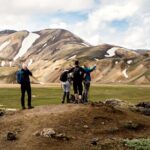
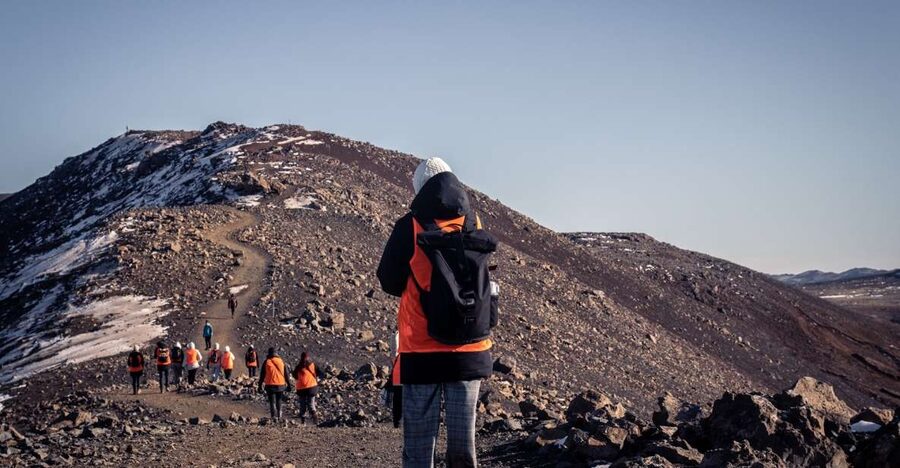
This is the reason most people book. You’ll spend the largest block of time in Geldingadalur Valley (about 3.5 hours total in the tour flow), including a hike toward the recent eruption areas near Meradalir and Fagradalsfjall.
Here’s what to know so you’re not surprised:
- The hike to the volcanic area is about 2 hours each way.
- The difficulty is described as moderate to hard, doable for people with reasonable fitness.
- The exact route can vary depending on conditions.
- The guide’s job is to take you to the safest viewing point.
That “route varies” detail is important. Iceland can change fast—wind, ice, slippery volcanic rock, and low visibility can all force a shift. The good news is that you aren’t left guessing. You’ll keep moving as a group, and you’ll get the safer alternative when needed. One review even notes cases where plans changed for safety and the group still got excellent lava-field walking. That’s exactly the kind of flexibility you want on a volcano day.
Timing matters too. You’ll likely have a moment to eat your packed lunch at the right point before or during the walking stretch. Don’t underestimate the effect of cold wind on appetite. If you’re hungry, eat when offered, not when you think you’ll feel like it later.
What you’ll be looking for on the hike is the physical evidence: solidified lava, the shapes it makes in the ground, and any signs of ongoing smoldering near the eruption area. Even if you don’t catch dramatic activity at every second, the “you are standing on it” feeling tends to land hard.
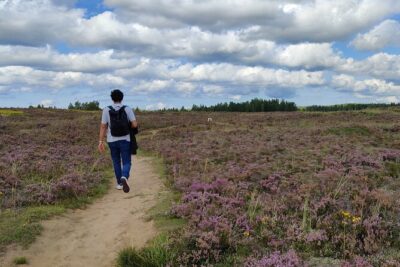
And yes—this is a real hike. If you want an easy strolling day, you’ll be disappointed. If you want the kind of memory that sticks because it’s physical, you’ll love it.
Gunnuhver Hot Springs: steam vents and bubbling mud
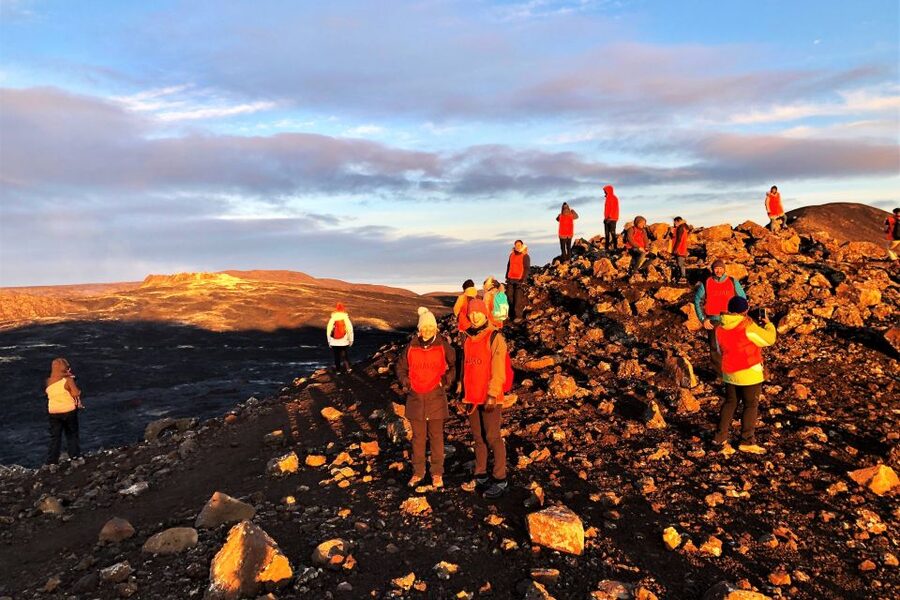
After the hike, you get a gentler-feeling break at Gunnuhver Hot Springs. Expect a stop of about 10 minutes, mainly photo and sightseeing.
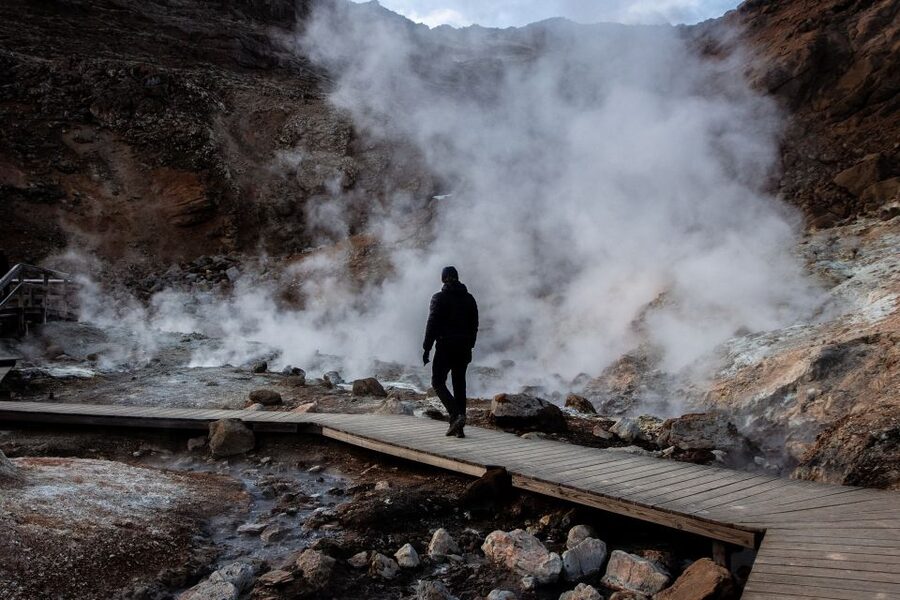
This stop works because it’s the geothermal showpiece with personality. The tour highlights bubbling mud pots and hissing steam vents. That combination is what makes Gunnuhver different from the calmer geothermal corners you might see on quick viewpoints. The ground looks restless, and the steam changes what you can see depending on the wind.
I also like that this stop is positioned after the hiking effort. It’s the “release valve” of the day. You’re not climbing anything; you’re mostly observing. Take a few minutes to slow down here. Let your eyes adjust to the movement of steam and the texture of the ground.
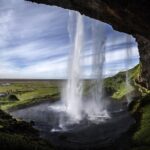
Reykjanes Lighthouse and Atlantic cliffs: fresh air, hard angles
Then comes the ocean break: Reykjanes Lighthouse, described as the oldest lighthouse in Iceland. The stop is about 20 minutes, including sightseeing and photos.
This is one of those moments where the day balances out. After steam, you get Atlantic air and wide sea views. The tour also mentions sea stacks and cliffs shaped by the Atlantic, especially around the Valhnúkamöl Boulder Ridge area. In plain terms: it’s a dramatic coast that gives your brain somewhere to rest after volcano intensity.
A quick practical note: coastal weather can be fast. If it’s windy, hold your camera tight, don’t overreach for a perfect angle, and keep an eye on where you’re walking. The lighthouse stop is short, so make sure your photos come before you start wandering.
The Bridge Between Continents: a 15-meter walk you can feel
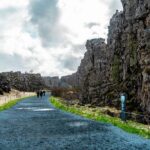
The grand finale is one of the most fun photo stops of the day: the Bridge Between Continents. You’ll have about 20 minutes, including a walk.
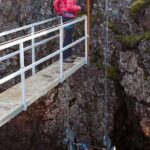
This bridge crosses a rift between the Eurasian and North American tectonic plates. The tour notes the footbridge is 15 meters long, so it’s not a long hike, but it is a cool, literal way to connect Iceland’s geology with your body.
I love this stop because it’s not only sightseeing. It turns a scientific concept into a simple, human action: step, look, and take the picture. It also gives you a satisfying sense of closure. You started with volcano rock and geothermal energy, then ended by walking across a boundary where the planet is changing in real time.
Price and what this $126 ticket buys you in real terms
At $126 per person for a 9-hour tour, you’re paying for more than a list of stops. You’re buying three big things: transportation from Reykjavík, guided navigation to safety-first viewing areas, and the ability to pack the Reykjanes highlights into one day.
Could you DIY this? Sure, but your “cost” would shift into driving time, planning, and the risk of being caught in conditions where safe access changes. On a day built around recent eruption terrain and weather shifts, a guided approach can be worth the price.
Also, the tour includes items that reduce hassle: a guide, onboard WiFi, pickup and drop-off, and a headlamp if required. Food isn’t included, so you’ll want your packed lunch ready, but the rest of the day is set up so you’re not scrambling mid-trip.
If you’re the type of traveler who wants maximum Iceland per day without sacrificing actual walking time, this ticket is usually strong value.
Who should book this volcano and Reykjanes hiking tour
This tour fits best if you:
- Want a real hike to recent volcanic areas, not just easy walking
- Enjoy geothermal weirdness like steam vents and mud pots
- Like geology stories connected to the places you’re standing in
- Can handle moderate to hard walking and shifting routes depending on conditions
It may not be for you if:
- You want an easy stroll (the hike is about 2 hours each way)
- You have mobility concerns, since it’s noted as not suitable for people with mobility impairments
- You’re traveling with kids under 12 years, since it’s not suitable for them
If you’re traveling solo, couples, or a small group of friends, you’ll likely appreciate the guided pace. Recent guide names that show up in the experience include Roman, Ottar, Elias, Alain, HBO, Omar, Emily, and Olaf—and the recurring theme is that guides try to keep things safe while making geology understandable and the day fun.
Before you go: what to pack and how to avoid a miserable hike
The tour data is very clear on the essentials. Bring:
- Comfortable shoes and/or hiking shoes
- Water
- Rain gear
- Packed lunch
Dress for weather that can change quickly. Jeans are explicitly not recommended, because the hike conditions can get challenging. Also, if a headlamp is required, the tour includes one.
My best advice is simple: treat this as a day where footing matters. On volcanic ground and in slick conditions, the wrong footwear can ruin the experience fast. You don’t need to overpack. You just need the right basics so your body can focus on the views.
Should you book this Reykjavík volcano and Reykjanes hiking tour?
If you want Iceland at full volume—volcano ground underfoot, steam vents that look unreal, and a tectonic-plate bridge you can walk across—this is a great match. The strongest reason to book is the hike to the eruption viewing area with a guide who manages safety and route changes. The strongest reason to hesitate is the hike difficulty. If moderate-hard walking is not in your comfort zone, you’ll feel the strain.
My rule of thumb: if you’d rather spend your day moving than waiting for perfect weather, book it. If you want something gentle, pick an easier geothermal or coastal day instead.
FAQ
How long is the Reykjanes volcano eruption site and hiking tour?
The tour duration is listed as 9 hours.
Where is the pickup in Reykjavík?
Pickup is from bus stop #12 in Reykjavík. Pickup may also be available from selected hotels and official bus stops, and from the cruise port depending on the option you choose.
Is there a hike to the eruption sites?
Yes. The hike to the volcanic area is around 2 hours each way, and it’s described as moderate to hard difficulty.
Which main stops are included besides the volcano hike?
You’ll have stops/photo time at Lake Kleifarvatn, the Seltún Geothermal Area, Gunnuhver Hot Springs, Reykjanes Lighthouse, and the Bridge Between Continents.
What should I bring?
Bring comfortable shoes or hiking shoes, water, rain gear, and a packed lunch.
Is the tour suitable for children or for people with mobility impairments?
No. It’s not suitable for children under 12 and not suitable for people with mobility impairments.
Do I need to pay for food during the tour?
Food and drinks are not included, so plan on your own packed lunch and any drinks you bring.