REVIEW · PICO
Mount Pico Night Climb – Reach the Summit for a Magical Sunrise
Book on Viator →Operated by Tripix Azores · Bookable on Viator
Sunrise on Pico starts before your alarm. This is one of Portugal’s most serious hikes: you climb the island’s top challenge up to Pico’s volcanic summit (2,351 meters) with certified guides and gear that helps you move safely in the dark. I especially like that you get individual headlight + hiking poles, so you can focus on footing instead of fumbling equipment. One drawback: it’s not a casual walk, and the night route asks for solid stamina and coordination, with the descent often feeling harder than you expect.
This climb is scheduled to start at 2:00 a.m. from the Mountain House near Candelária (Madalena area), so you’re already moving while the rest of the island sleeps. Guides like Matteo and Bruno are repeatedly praised for keeping people calm, pushing when you’re fading, and warning you about tricky sections. If you’re coming from a sedentary routine or you’re seeing “advanced” terrain for the first time, I’d think hard before committing.
In This Review
- Key things you should know before you climb Pico at night
- Pico at 2:00 a.m.: why the night start changes everything
- What you’re really buying with this tour: guides, safety, and a summit payoff
- Mount Pico basics: Portugal’s highest mountain and a real challenge at 2,351m
- The route in plain terms: from Montanha do Pico to summit sunrise
- Stop focus: Montanha do Pico
- Sunrise payoff
- The descent is the test
- Meet your guides: why Matteo and Bruno keep showing up in the stories
- Difficulty and who should go (and who should think twice)
- What’s included: the value comes from the basics done right
- Timing, group size, and what to expect across the day
- Weather rules: why your summit plan depends on conditions
- What you must bring (and the rules you can’t ignore)
- Should you book the Pico night climb?
- FAQ
- FAQ
- What time does the Mount Pico night climb start?
- How long is the experience?
- Where do I meet for the climb?
- Is transportation included?
- What’s included in the price?
- What should I bring or wear?
- What level of fitness do I need?
- Is the tour limited to a small group?
- Can the climb be changed to daytime if I want?
- What happens if the weather is bad?
Key things you should know before you climb Pico at night
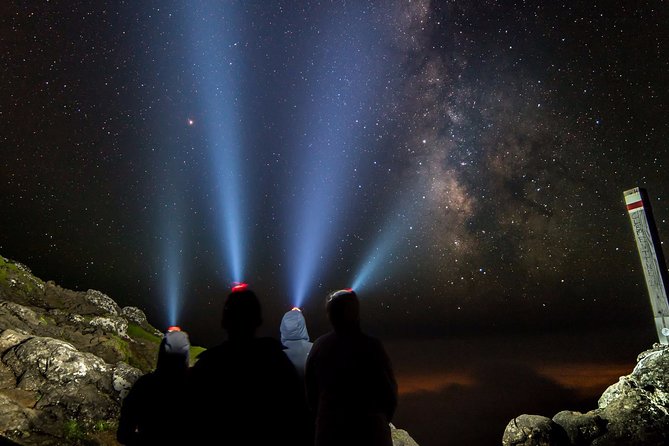
- Small group size (max 8): more attention and more control on uneven, dark trails
- Headlight + poles included: you’re better set up for traction and safe pacing
- Guides matter a lot: Matteo and Bruno get highlighted for patience, encouragement, and safety checks
- You’re aiming for sunrise from the summit: the payoff is the view after hours of steady climbing
- Descent can be the toughest part: steep, irregular ground means good legs and good balance help a lot
Pico at 2:00 a.m.: why the night start changes everything
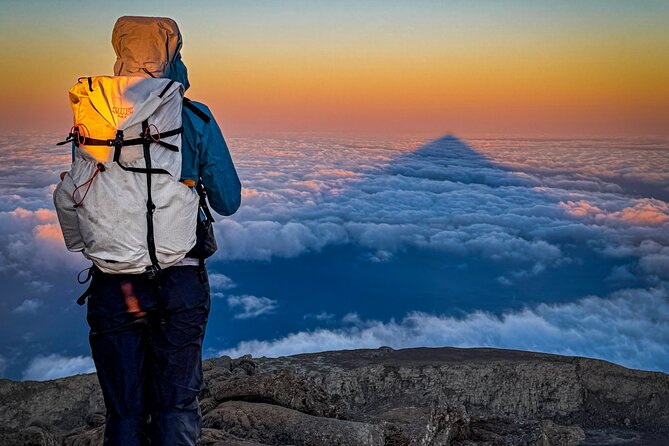
Night climbing sounds extreme until you do the math on why it’s so popular. Starting at 2 a.m. means you’re moving during colder, darker hours when trails can be less crowded and the summit experience is geared toward sunrise.
That early start also changes the way you pace. You’re not just hiking for distance. You’re hiking for rhythm: slow steps, frequent check-ins, and enough breaks to keep your breathing steady. The mountain is demanding, and good pacing helps you finish instead of just “surviving.”
One practical point: the tour requires proper mountain boots and suitable equipment. If you show up underprepared, you can be excluded from the climb without a refund, by the decision of the Mountain House. Bring the right footwear and treat the gear rules like part of the sport.
What you’re really buying with this tour: guides, safety, and a summit payoff
At $145.12 per person for about 10 hours, this isn’t cheap in the casual sense. The value comes from what’s included and what you avoid by paying for it:
You get a professional, certified Mount Pico Guide plus an individual headlight, hiking poles, and the access fee to the Mount Pico Natural Reserve. On top of that, there’s Allianz® Personal Accident Insurance and a climbing certificate of achievement. Those pieces matter because Pico isn’t about a “view from a viewpoint.” It’s technical hiking that rewards preparation and punishes sloppy footwear.
Also, the group caps at 8 travelers, which is a real comfort on a difficult route. Fewer people means fewer slowdowns and more time for the guide to help with balance, footing, and pacing.
Mount Pico basics: Portugal’s highest mountain and a real challenge at 2,351m
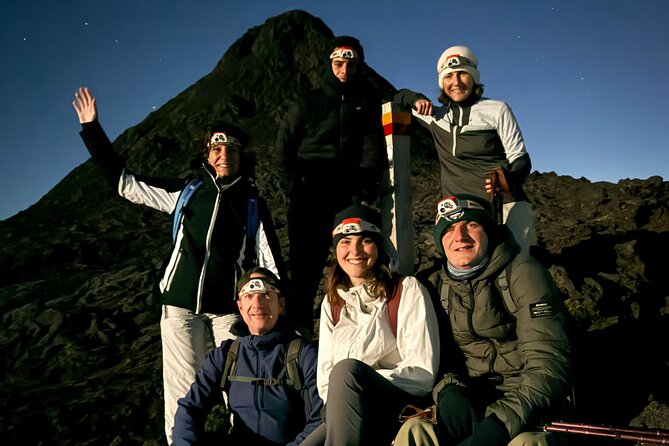
Mount Pico is the highest mountain in Portugal at 2,351 meters. It’s also described as the third highest volcano in the northern Atlantic region, which explains why the hike feels like more than a local hill.
This is a challenging mountaineering activity. The difficulty is listed as medium/high for the nighttime option, and it can increase if you go for an overnight version. That “medium/high” label is not marketing fluff. It signals that you’ll need good physical conditioning, coordination, and basic technical confidence on rough ground.
The tour also notes technical requirements and encourages solid preparation. If you’re active, you’ll likely find it intense but manageable. If you’re sedentary, plan for the climb to feel harder—not only physically, but mentally as well.
The route in plain terms: from Montanha do Pico to summit sunrise
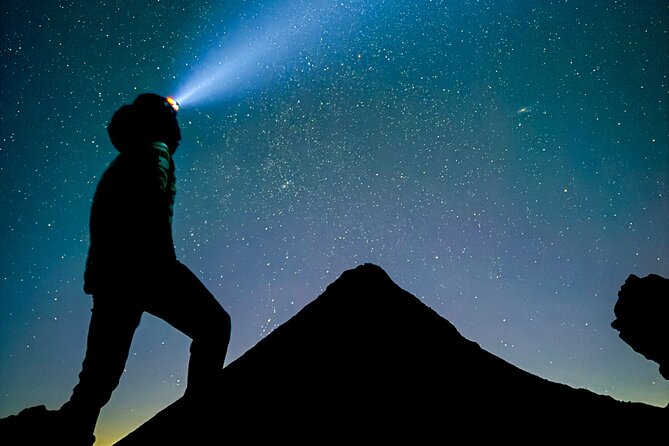
The start point is Mountain House, Caminho Florestal nº 9, Candelária, 9950-000 Madalena, Portugal, with a 2:00 a.m. start. The activity ends back at the same place, so you’re not dealing with complicated transfers or a one-way hike.
From there, your day is basically three phases: night ascent, sunrise summit time, and a careful descent.
Stop focus: Montanha do Pico
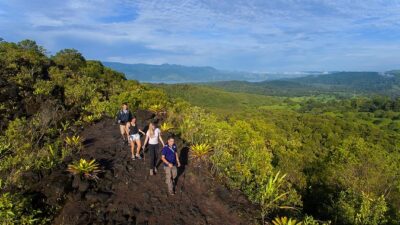
This is where the main climbing experience centers. You’ll ascend the trails using walking sticks/poles provided by the operator. Because it’s dark at the beginning, the included headlight becomes your most important tool. The goal is staying steady and not rushing, especially on uneven sections.
You should also expect multiple breaks along the way. In practice, this matters because Pico isn’t one long sprint. It’s better when you can regroup, drink, and refocus.
Sunrise payoff
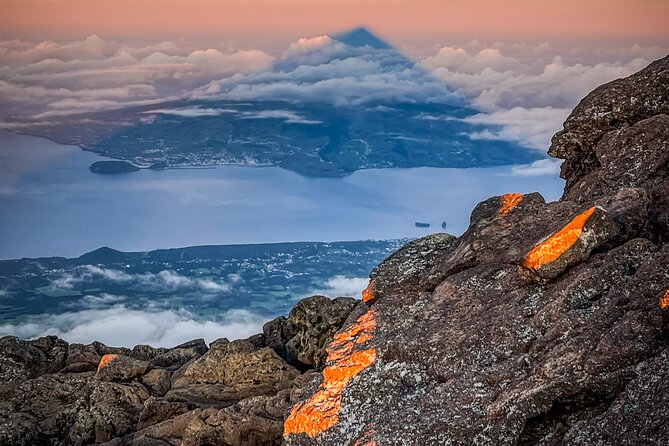
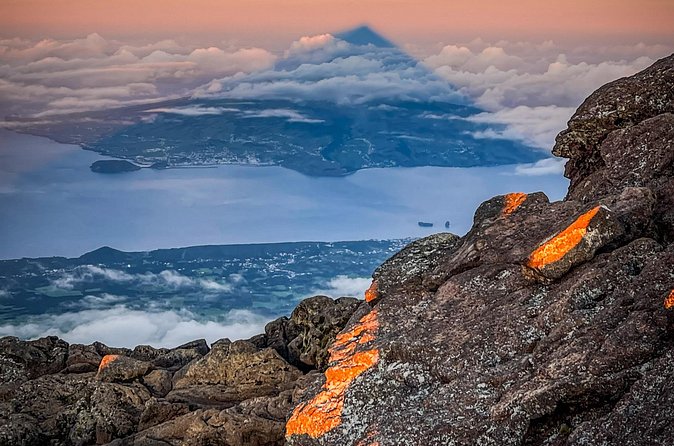
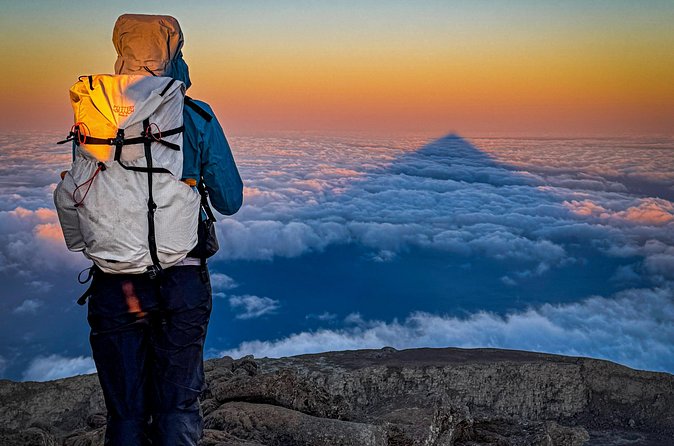
The big moment is reaching the summit in time for sunrise. The night climb avoids the usual “you see the top already” feeling. You’re climbing into the unknown, guided by lights and trail knowledge, until the sky shifts and the summit finally becomes real.
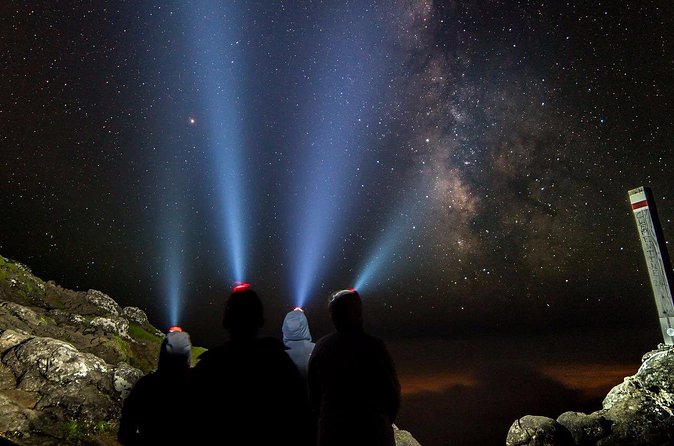
People also mention the night sky being impressive, with visible shooting stars when conditions cooperate. That’s not guaranteed, but it’s a reminder that this isn’t just about the final view. It’s also about the sky before dawn.
The descent is the test
The descent is where your legs complain. Trails are irregular, and volcanic terrain can feel awkward underfoot. Several hikers highlight that the downhill can be harder in a different way than the uphill—because it asks for balance and controlled knee movement on uneven ground.
This is also where a strong guide earns their fee. A good guide manages your spacing, watches footing, and stays attentive near the risk zones.
Meet your guides: why Matteo and Bruno keep showing up in the stories
The most consistently praised part of this experience is the guiding style—especially when the group is tired and the mountain stops being charming.
Matteo and Bruno are repeatedly named for being funny, encouraging, and careful. The pattern is clear: they don’t just lead the route; they manage people. That can mean letting a less confident hiker follow behind, staying with someone who needs reassurance, or adjusting the pacing so everyone is moving safely.
One of the best practical lessons from the way guides run this climb: you’ll have fewer surprises if you trust the instructions early. If you read the operator’s prep PDF and bring the gear they specify, you’ll spend more energy on climbing and less energy on improvising.
You’ll also want to pay attention when the guide points out dangerous sections. Even if you feel strong, volcanic trails can change quickly, and the guidance is part of the safety net.
Difficulty and who should go (and who should think twice)
The tour is recommended for active people, while it explicitly warns that sedentary people may find it more difficult. That doesn’t mean sedentary hikers can’t do it. It means you should be honest about what “difficulty” means for your body.
This is also listed as requiring good physical condition and motor coordination. The operator asks you to report restrictions including issues with lower limbs, vertigo, mental health concerns, heart problems, asthma, diabetes, pregnancy, or other health conditions. If any of these apply, tell Tripix Azores ahead of time so they can advise appropriately.
If you’re a first-time hiker, consider this: multiple accounts frame the night climb as extremely challenging for beginners. If you’re tempted anyway, your best move is to be conservative: pick up hiking training before you go, and consider asking whether a daytime trek is an option for your skill level.
What’s included: the value comes from the basics done right
Here’s what helps you feel ready before you step into the dark:
Included:
- Individual headlight
- Mount Pico Natural Reserve access fee
- Professional & certified Mount Pico guide
- Hiking poles
- Allianz® Personal Accident Insurance
- Climbing certificate of achievement
Not included:
- Meals
- Air-conditioned vehicle
What this means for you: plan your food and hydration around the fact that meals aren’t included. Since the climb starts at 2:00 a.m., you’ll likely want to arrange eating before you meet up, then handle water during the hike as instructed by your guide.
Also, the lack of an air-conditioned vehicle isn’t a dealbreaker in the Azores at night, but it affects comfort expectations if you’re sensitive to temperature changes between stops.
Timing, group size, and what to expect across the day
You’re looking at about 10 hours total. The start is 2:00 a.m., and you return to the meeting point at the end. That timeline is long enough that you should plan your mental energy the same way you plan your physical energy.
A maximum of 8 people is a quiet luxury on a mountain like Pico. Smaller groups are easier to manage on rocky footing, and it usually means the guide can keep an eye on individuals without turning the trip into a line of stretched-out single-file hikers.
You’ll also feel the changing light over the hours: dark climbing first, then more visibility near sunrise, then full daylight by the time you’re descending back toward your starting point.
Weather rules: why your summit plan depends on conditions
This experience requires good weather. If it’s canceled due to poor weather, you’ll be offered another date or receive a full refund. That matters because mountain conditions can shift fast, and Pico doesn’t reward stubbornness.
In other words, don’t plan your entire Azores schedule so tightly that you can’t shift if the operator needs to change dates for safety. If you’re flexible, you’ll have a much smoother experience.
What you must bring (and the rules you can’t ignore)
The operator is clear: you must have proper mountain boots and suitable equipment. If you don’t meet the requirements, you may be excluded from the climb with no refund.
You should also note one special rule: you shouldn’t have gone diving in the 24 hours before the climb. If that applies to you, adjust your schedule and tell Tripix Azores.
You’re also asked for strong physical fitness and motor coordination. If you have any relevant medical conditions, report them in advance so you can climb with eyes open.
Should you book the Pico night climb?
Book it if:
- You’re active and comfortable with challenging hikes
- You want a real summit moment, not just a scenic walk
- You like the idea of sunrise from the top and night-sky vibes
- You want a small-group climb with certified guides like Matteo and Bruno
Skip it (or choose a gentler option) if:
- You’re new to hiking and feel unsure about steep, uneven terrain
- You struggle with vertigo or have conditions affecting coordination or endurance
- You’re not prepared for the descent to feel especially hard
If you do book, the best decision you can make is preparation that matches the climb. Read the prep materials the operator sends, wear correct boots, and don’t underestimate the difficulty label. This is a big mountain with a big payoff, and the difference between a memorable climb and a painful one is mostly training, gear, and pacing.
FAQ
FAQ
What time does the Mount Pico night climb start?
The climb starts at 2:00 a.m.
How long is the experience?
It’s listed as approximately 10 hours.
Where do I meet for the climb?
Meet at Mountain House, Caminho Florestal nº 9 Candelária, 9950-000 Madalena, Portugal.
Is transportation included?
No. An air-conditioned vehicle is not included.
What’s included in the price?
Included are an individual headlight, Mount Pico Natural Reserve access fee, a professional certified guide, hiking poles, Allianz Personal Accident Insurance, and a climbing certificate of achievement.
What should I bring or wear?
You must wear proper mountain boots and bring equipment suitable for the activity. If you don’t meet the equipment requirements, you may be excluded from the climb without a refund.
What level of fitness do I need?
You should have strong physical fitness level and good motor coordination. This is a challenging activity with medium/high difficulty for the nighttime option.
Is the tour limited to a small group?
Yes. The maximum group size is 8 people.
Can the climb be changed to daytime if I want?
A daytime hike option is mentioned as something you can request.
What happens if the weather is bad?
The experience requires good weather. If it’s canceled due to poor weather, you’ll be offered a different date or a full refund.