REVIEW · RIO DE JANEIRO
Tijuca Forest´s hike: caves, waterfalls and great views
Book on GetYourGuide →Operated by Trilhas e Cachoeiras · Bookable on GetYourGuide
Rainforest steps start in Rio, not Bali. This guided climb into the world’s largest urban forest is all about two things I really like: the 35-meter Cascatinha Taunay natural-shower moment and a cave-and-waterfall circuit you simply can’t replicate on your own. The only drawback to plan around is that the trails are easy but can feel long, with uneven, irregular ground and the occasional slick spot if it’s wet.
I also like that the walk mixes rainforest life, rock formations, and historical highlights without dragging on. With a bilingual guide (often Lucas, with Mirna mentioned in past groups), the pace stays friendly, and the group stops when you need rest or water. Expect chances to swim at clean waterfalls—so pack a towel and swimwear, and don’t forget insect repellent.
In This Review
- Key things to know before you go
- Entering Tijuca: starting at Praça Afonso Viseu, Alto da Boa Vista
- Cascatinha Taunay: the 35-meter waterfall that sets the tone
- The main rainforest walk: uphill trails, rock formations, and real plant variety
- Historical circuit: ruins, lakes, and why the past still shapes the hike
- Cachoeira das Almas and A Floresta: where the pacing turns human
- Caves circuit: what to expect in a safe, guided route
- Waterfall breaks and optional swims: clean water, towel time
- Views over the city: why the uphill feels worth it
- Price and value: what $40 buys you (and what it doesn’t)
- What to bring and what to wear for comfort and safety
- Who this hike fits best, and who should skip it
- Should you book the Tijuca Forest caves and waterfalls hike?
- FAQ
- How long is the guided hike?
- How much does the tour cost?
- What’s included in the price?
- Is transportation included?
- What should I bring for the hike and waterfall stops?
- Are the caves and waterfalls safe?
- What group size should I expect?
Key things to know before you go
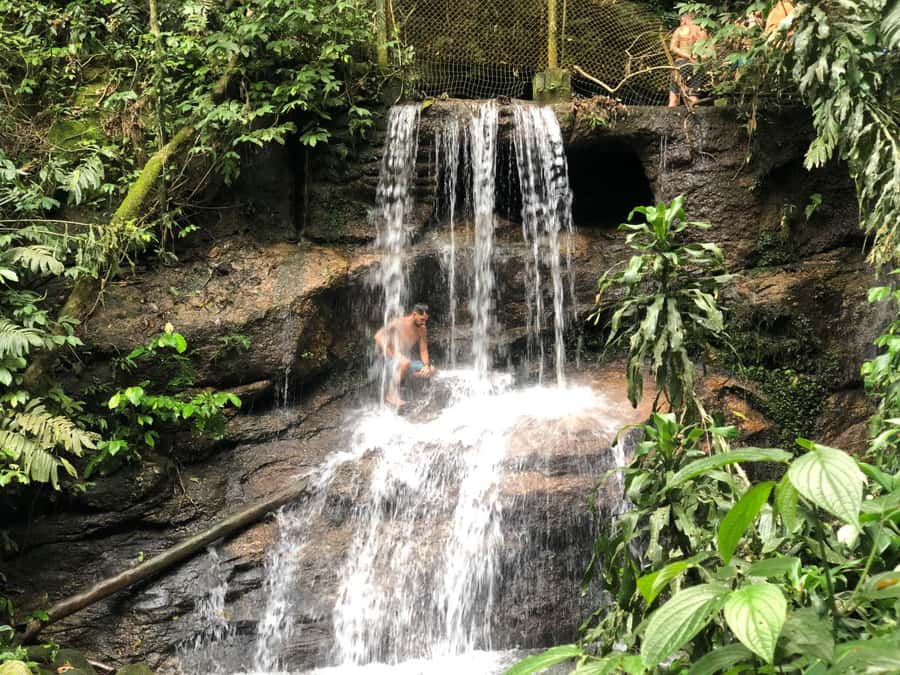
- Cascatinha Taunay (35 m) is right at the start, and it really feels like a shower from up close.
- World’s largest urban forest means you get real jungle vibes without leaving the city.
- Caves and waterfall stops are part of a planned route, and the caves visited are stated as safe.
- Clean-water bathing breaks are built in, not just a quick photo and go.
- Small group size (max 8) helps you move with a guide who can match your pace.
- Long-but-easy terrain can still be tiring due to roots, stones, and wet ground.
Entering Tijuca: starting at Praça Afonso Viseu, Alto da Boa Vista
Your day begins at Praça Afonso Viseu in Alto da Boa Vista, where the entrance to Tijuca Forest is located. The meeting point matters more than you’d think—Tijuca isn’t “one trail with one entrance.” You’ll want to find the entrance for the forest on the opposite side of the restaurant at the center of the plaza.
From the moment you start walking uphill, you’ll feel the switch from city noise to forest sound. That contrast is the whole point of Tijuca: you’re in one of the biggest green spaces near Rio, but you’re still doing it on foot, with a guide who knows where to go. With a small group limited to 8, the hike doesn’t turn into a shuffle line, and that usually means more time for real moments—like noticing how the plants change as elevation rises.
If you’re the type who hates arriving late and spending half the tour trying to catch up, aim to be early and ready. You’ll start on trails right away, and you don’t want your first 10 minutes to be “where is everyone?”
You can also read our reviews of more hiking tours in Rio De Janeiro


Cascatinha Taunay: the 35-meter waterfall that sets the tone
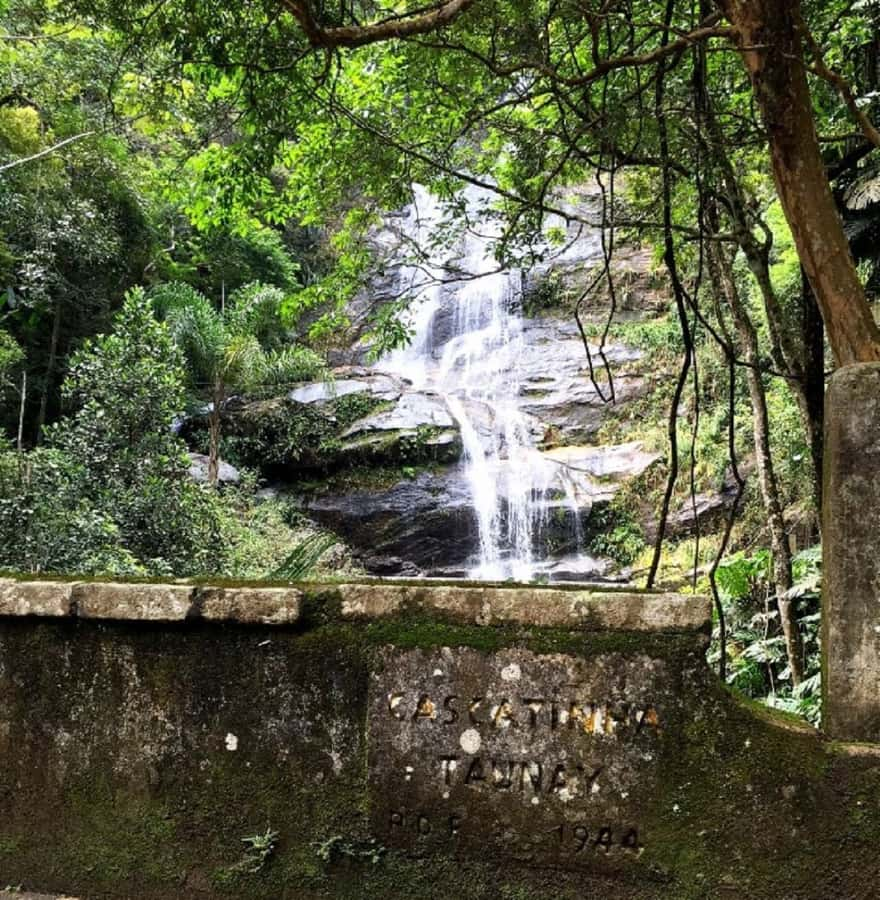
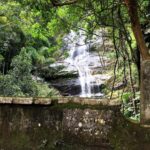
Almost immediately, you come to Cascatinha Taunay, a famous waterfall in the park that’s 35 meters high. This is not a distant overlook moment. It’s the kind of stop where you feel water, hear the roar, and see how powerful the flow is—basically a natural-shower intro to the day.
I like this start for a simple reason: it resets your expectations. You’re not hiking “toward something someday.” The big highlight lands early, so even if the rest of the circuit gets slower or more tiring (it can), you already got the payoff.
Also, Cascatinha Taunay being described as the most famous waterfall in the forest signals that this is a high-visibility section. That’s helpful if you’re unsure what to look for. Your guide can steer you toward good angles and practical viewing spots without you having to guess where the best water hits.
One consideration: if it’s misty, you’ll feel it on your skin. Pack clothes you don’t mind getting damp and bring shoes that grip. In rainforest hikes, wet is normal. Slips are avoidable if your footwear is up to the job.
The main rainforest walk: uphill trails, rock formations, and real plant variety
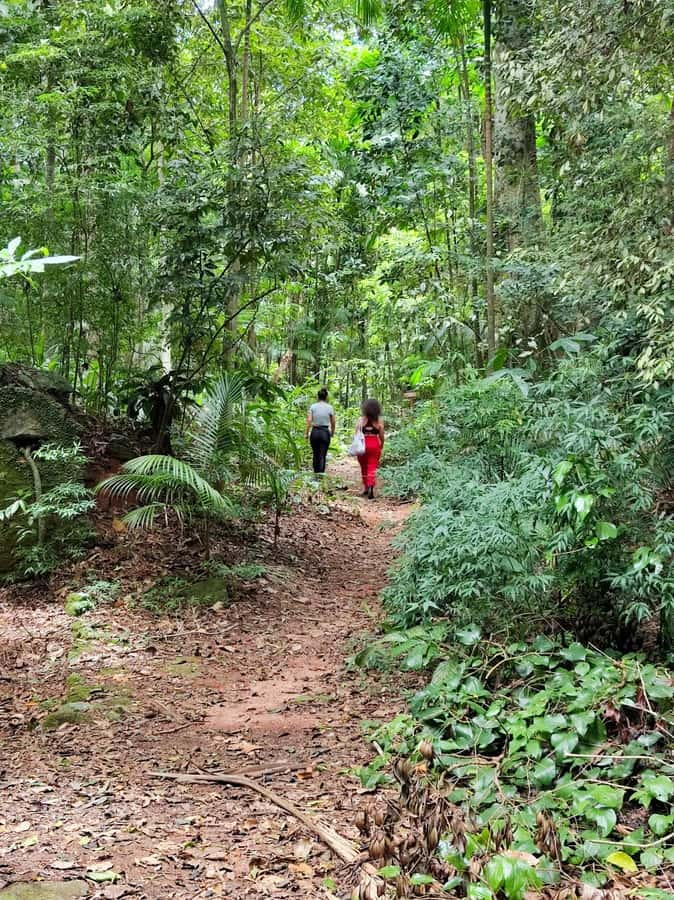
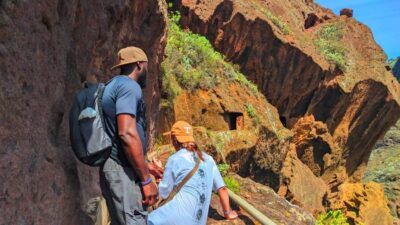
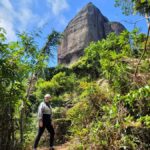
After the first waterfall, the route turns into steady hiking. You’ll move along trails through rainforest with a lot of texture—streams with crystalline waters, rock formations, and changing vegetation. This is where the guide’s local knowledge really helps, because you’re not just moving forward; you’re interpreting the space as you go.
The trails are described as easy, but “easy” doesn’t mean “flat.” Terrain is varied and irregular, with stones, roots, trunks, and the possibility of wet and slippery soil. That’s why comfortable shoes matter more than fashionable shoes. If you’ve ever done a rainy day hike where you start looking at your feet constantly, you’ll understand why.
You’ll also get to see how the park supports a diversity of flora and fauna. Past groups have mentioned the joy of spotting animals—people have had a chance at seeing monkeys—so keep your eyes open, especially during slower stretches when the group is pausing.
And because this is a guided hike, you’re not stuck trying to read the forest like a map. The route keeps you on track through the good sections and helps you understand why certain spots matter—whether that’s a viewpoint, a water feature, or a historical remnant.
Historical circuit: ruins, lakes, and why the past still shapes the hike
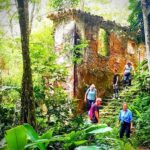
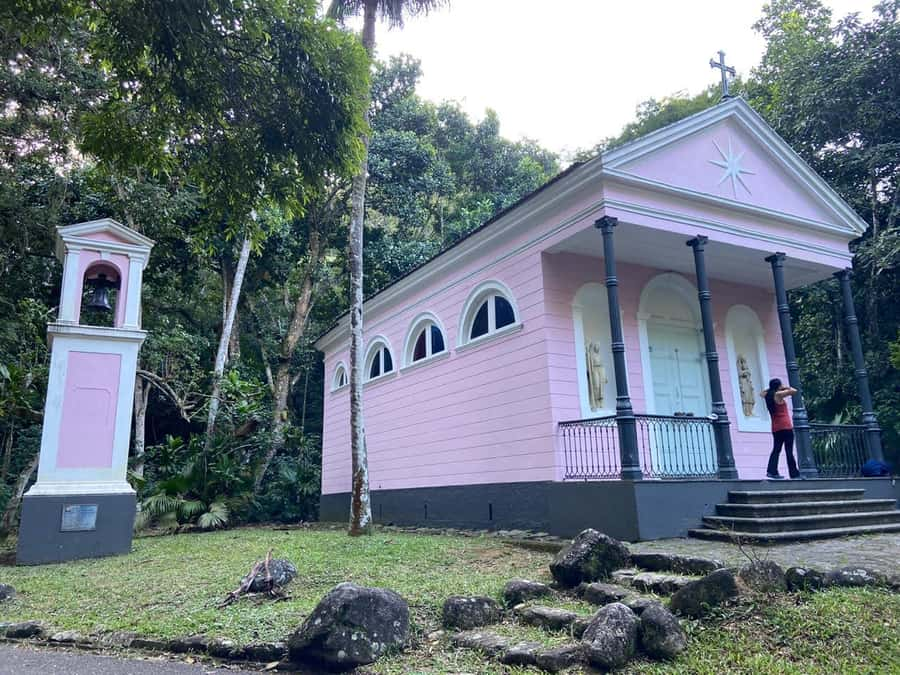
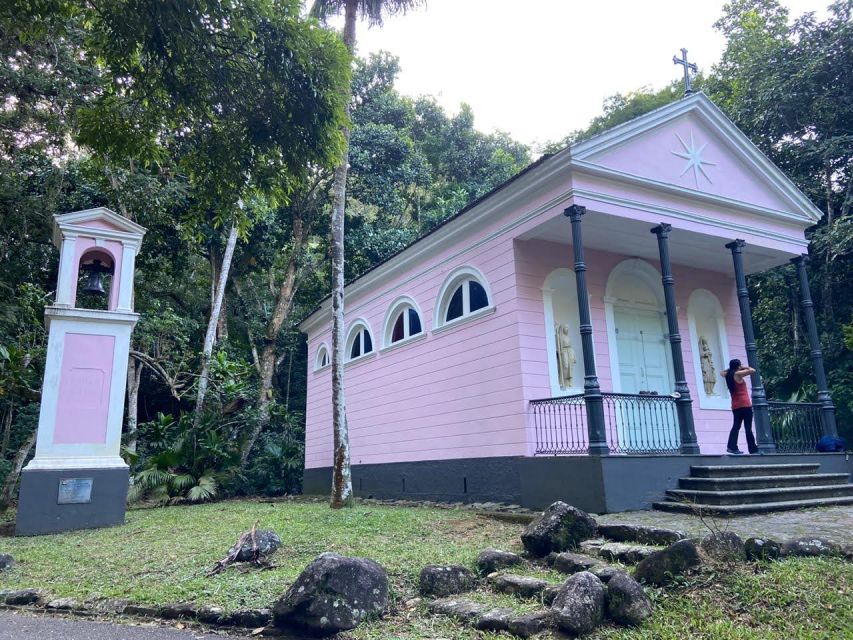
Tijuca isn’t only about nature. The tour route also connects to historical attractions, including ruins and other park features you might miss without guidance. You’ll follow what’s described as the historical circuit, which helps you understand this forest as more than scenery.
This matters because it changes how you experience the hike. Instead of thinking, “This is pretty,” you start thinking, “This place has stories.” Your guide points out sites and stops along the way, and that context makes the route feel like a meaningful path, not just exercise with waterfalls.
Along the way, you’ll encounter lakes and other quieter pockets of the park. Those calmer stops are often what keep the hike from feeling relentless. When you’re in humid forest conditions, a few minutes of stillness—standing near water, cooling down, and watching birds or insects—can reset you mentally.
A practical note: if you’re hoping for long breaks, don’t count on that. This is an active hike with planned stops. You’ll have moments to relax, but your timing will still revolve around the guide’s route and the conditions in the park.
Cachoeira das Almas and A Floresta: where the pacing turns human
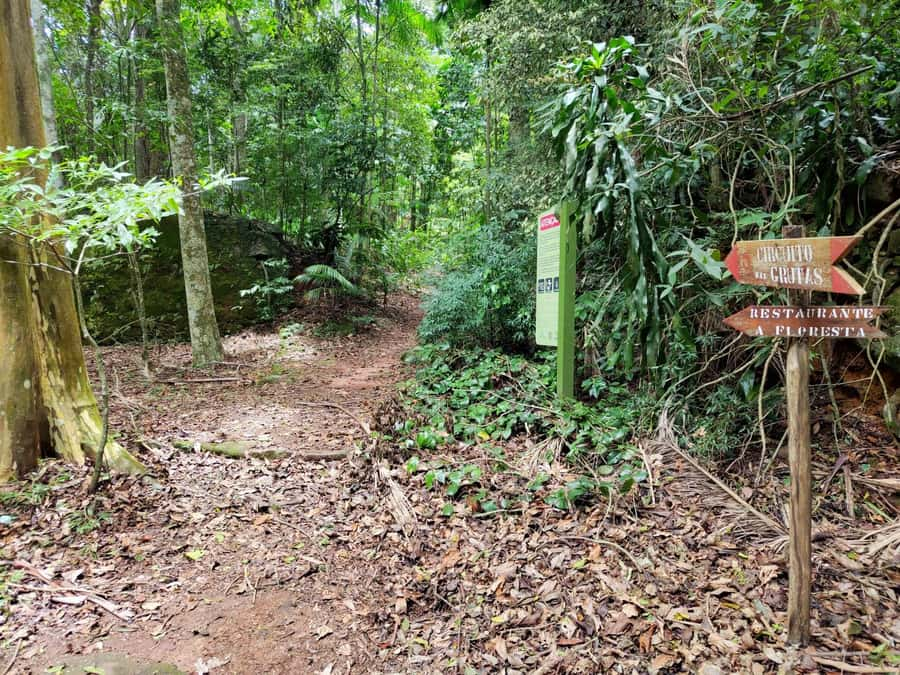
Mid-route, you’ll hit Cachoeira das Almas as part of the caves circuit, and the route also includes a stop connected with A Floresta Restaurant. These kinds of stops are valuable because they break the hike into sections. Instead of “walk until you’re tired,” you get a route with anchors.
Cachoeira das Almas is described as one of the key stops along the cave route. Even if you’re not a hardcore spelunker, it’s the kind of waterfall-and-environment combination that turns the day into a series of different scenes. It’s not just one waterfall repeated—it’s variety.
A Floresta Restaurant is listed as a stop, which also signals that you’re not just passing through. You’re in the middle of the park’s experience, with time to regroup. And if your legs are starting to feel it, this is where you’ll appreciate that the guide is matching the pace to the group.
One more thing I appreciate from past experiences: guides who check in regularly. In prior groups, the guide was described as attentive—asking if you needed rest and water. That kind of hands-on pacing makes a big difference on a longer trail, even if it’s “easy.”





Caves circuit: what to expect in a safe, guided route
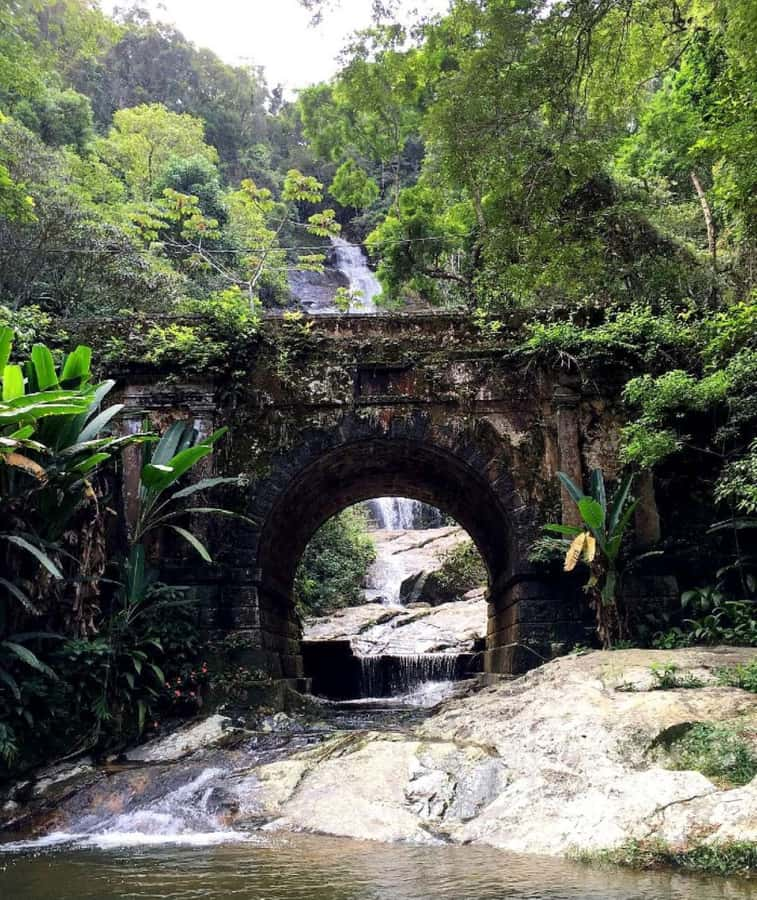
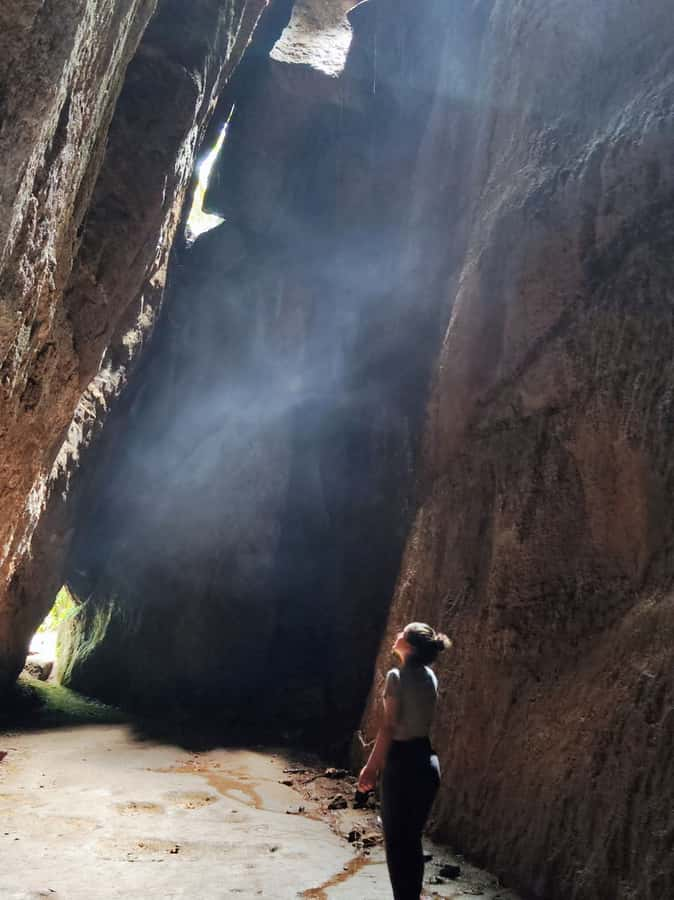
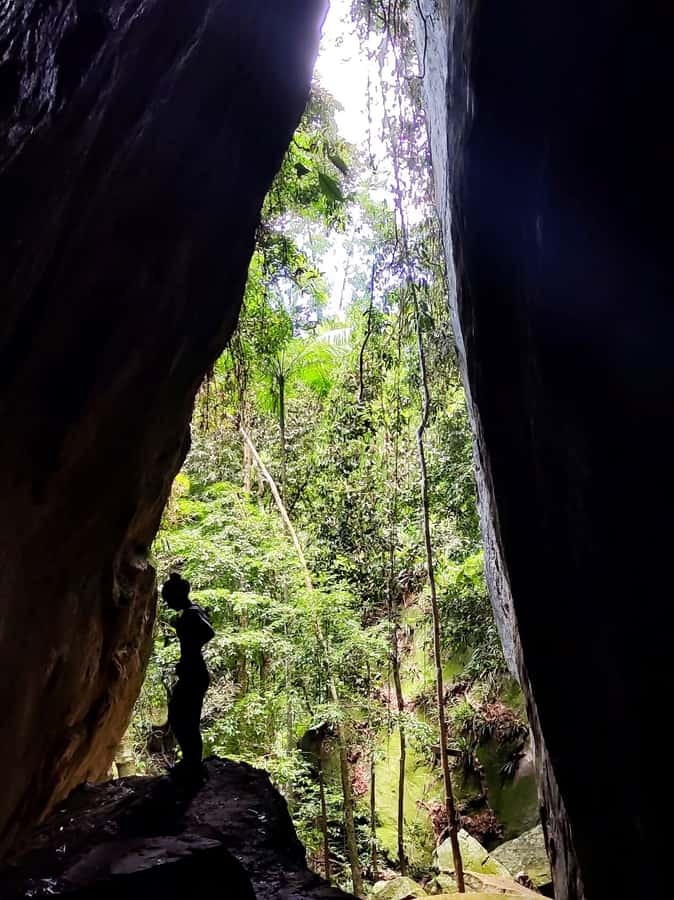
Yes, there’s a caves component. You’ll visit caves as part of the caves circuit, and the key reassurance is right in the tour notes: all caves visited are safe and pose no danger to participants.
That doesn’t mean “ignore caution.” It just means the route and timing are set up for safety. You’ll still want to move carefully because caves and wet rock surfaces mean your footing matters. The best approach is the one your guide expects: slow steps, watch where you place your feet, and don’t rush just to be done.
This is also where the guided format matters. Without someone leading, caves can feel confusing or even intimidating. With a guide, you’re following a planned route where the stops and paths are meant for visitors.
If you like variety in a hike—waterfalls, history, jungle sounds, and then the cool/stone feel of caves—this circuit gives you that mix. It’s not “caves only,” and it’s not “waterfalls only.” It’s a balanced day inside a natural system that changes as you move through it.
Waterfall breaks and optional swims: clean water, towel time
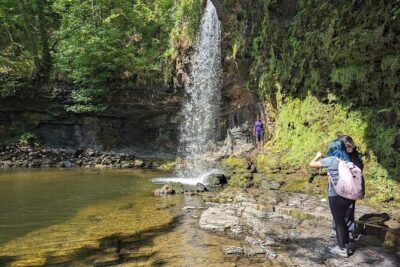
Multiple points in the hike include stops at waterfalls where you can relax and bath. The important detail is that all waterfalls have clean water. That matters because it’s one thing to see a waterfall; it’s another to actually enjoy the water as part of the experience.
From a practical standpoint, bring what you need to make a swim comfortable:
- Towel (you’ll want it immediately)
- Swimwear (listed as required in the packing tips)
- Waterproof-ish planning for your phone or camera if you carry it
A past highlight people shared was how refreshing a swim at a quieter waterfall can feel. It’s the kind of break that makes the hike more than just sightseeing. You’re participating with your body, not just your eyes.
Also remember the basics: after swimming, you’ll be damp for the next stretch. Wear breathable clothing that dries okay, and consider packing a dry shirt in your day bag if you’re the kind who gets chilled easily. You’re in rainforest humidity, but you’ll still feel the temperature shift once you’re wet.
Views over the city: why the uphill feels worth it
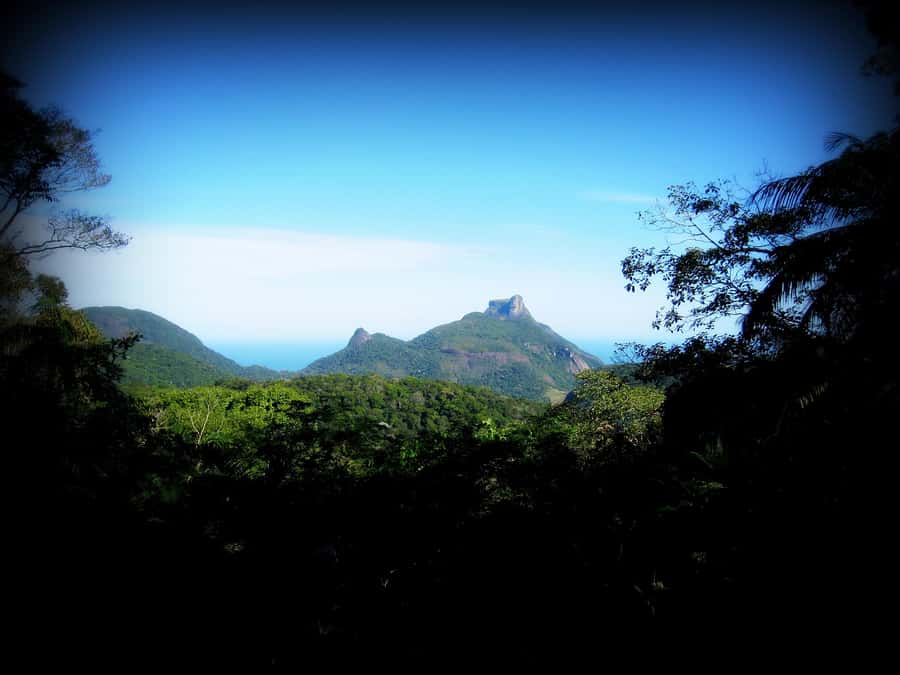
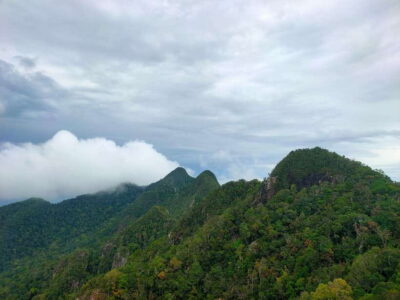
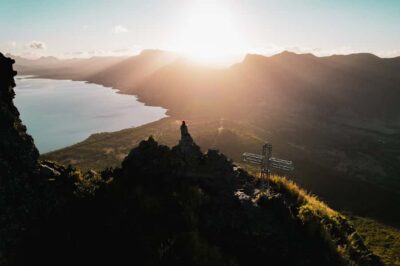
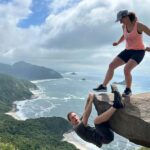
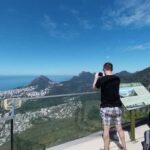
Tijuca Forest is famous for its relationship to Rio. Even when you’re deep in trees, you’re still in a landscape that’s close enough to the city that the viewpoints feel like a reward. This route is described as having great views, which is exactly what you want from an urban-forest hike: proof that you’re not just walking in circles inside greenery.
The uphill sections aren’t there to punish you. They’re there to deliver changing perspectives and to bring you through sections of the park that are most worth seeing. As you go, the sense of space expands. You start noticing how the forest drops and rises around you, and the city becomes a distant reference point.
If your goal is photos, plan to take them during stops, not during your busiest climbing moments. The terrain is irregular and can be slippery. Get your footing, then shoot. Your camera will survive a two-minute pause. Your ankle might not.
Price and value: what $40 buys you (and what it doesn’t)
The listed price is $40 per person, and the included part is mainly the bilingual tour guide. That’s actually a helpful way to think about value. You’re paying for someone to guide you through a structured route—waterfalls, caves, historical points—so you don’t have to figure it out alone.
What’s not included is also clear:
- Transportation
- Water
- Sunscreen and repellent
- Snacks
So in terms of value, you’ll get your money’s worth if you plan ahead. Bring the basics, show up with good shoes, and use the guide to handle navigation and timing. On a hike like this, those things matter more than bargain-shopping.
The good news: the small group size (up to 8) makes the guide time more effective. With fewer people, it’s easier to pause for a slower walker, to re-group near slippery sections, and to answer questions about the park. That’s part of the cost you’re paying for, even if it doesn’t show up in a ticket “feature list.”
What to bring and what to wear for comfort and safety
This hike works best when you’re prepared for humidity, slick ground, and waterfall stops. Here’s the practical packing list you should treat as non-negotiable:
Bring:
- Comfortable shoes with grip
- Water
- Towel
- Swimwear (since bathing is part of the experience)
- Insect repellent and sunscreen
- Breathable clothing
- Snacks (not provided) and cash
- Personal medication
- Passport or ID card (requested)
Know the terrain reality: trails are easy, but varied and irregular. Expect stones, roots, trunks, and wet ground. You’ll be happiest if your footwear feels stable and your clothing doesn’t restrict movement.
If you’re sensitive to bites or sun, don’t skip repellent and sunscreen. The forest gives shade sometimes, but you’ll still spend enough time outdoors to need protection.
Who this hike fits best, and who should skip it
This tour is best for people who want a guided hike that mixes nature and human history, plus the option to swim.
It’s not suitable for:
- Wheelchair users and people with mobility impairments
- People with heart problems
- Children under 12 years
If you’re generally healthy but don’t hike much, this still can work because the trails are described as easy. Just don’t confuse easy with short. The circuit is long enough that you’ll want a minimum level of physical preparation.
Also, keep an eye on the weather. The tour can be rescheduled due to bad weather, which makes sense when trails can get slippery. If you have flexible plans, that’s a smart match for this kind of rainforest hike.
Finally, follow the rules: pets aren’t allowed, and you shouldn’t touch animals. That’s how you help keep the forest both safe and respectful.
Should you book the Tijuca Forest caves and waterfalls hike?
Book it if you want a structured guided day in the world’s largest urban forest, with real highlights like Cascatinha Taunay, cave stops, and waterfall time where you can actually cool off. If your idea of a great day is a mix of walking, water, and a bit of history you can’t easily spot on your own, this fits well.
Skip it if you need wheelchair access or you’re dealing with heart issues. And if you hate uneven, sometimes slick trails, you might prefer an easier format.
One last check before you go: pack like the waterfalls are real (they are), and dress for the uneven trail (you’ll feel it). Do that, and this hike turns into a memorable slice of Rio that feels far removed from the city—without the long transfer day.
FAQ
How long is the guided hike?
The experience is listed as lasting about 4 hours, with a short additional free-time period during the visit.
How much does the tour cost?
The tour price is $40 per person.
What’s included in the price?
The tour includes a bilingual live guide (English and Portuguese).
Is transportation included?
No, transportation is not included.
What should I bring for the hike and waterfall stops?
Bring comfortable shoes, water, insect repellent, sunscreen, breathable clothing, a towel, swimwear, snacks, cash, and any personal medication you need. A passport or ID card is also listed.
Are the caves and waterfalls safe?
The caves visited are stated as safe with no danger to participants, and the waterfalls are described as having clean water.
What group size should I expect?
The tour is a small group limited to 8 participants.