REVIEW · RIO DE JANEIRO
Rio de Janeiro: Papagaio Peak Hike in Tijuca Forest
Book on GetYourGuide →Operated by Alexandre Gheiner · Bookable on GetYourGuide
Papagaio Peak turns Rio into a map. This guided hike in the Tijuca Rainforest mixes serious viewpoints, rainforest storytelling, and a refreshing waterfall finish. I like that it’s a small group (max 4) with a specialist guide, and I also like that you’ll walk deep into the protected Atlantic rainforest—not just stop for a photo. One consideration: it’s a moderate-to-hard trek, and it’s not for people with mobility limits or those who get nervous at heights.
You’ll spend about 6 hours on the full outing, including pickup and transfers. Along the way, you’ll cover key photo moments, then do the real work inside Tijuca National Park for roughly 4 hours of hiking. If you want a guided way to understand why this huge forest sits inside a major city, this tour is built for that.
In This Review
- Key things to know before you go
- Papagaio Peak and Tijuca Forest: what this hike actually delivers
- Why the small-group format with Alexandre Gheiner matters
- Stop-by-stop: Cascatinha Taunay, the Tijuca climb, and Vista Chinesa
- Transfer time: getting into the right headspace
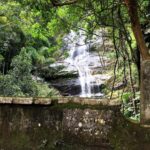
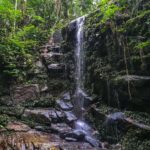
- Cascatinha Taunay: a quick warm-up photo stop
- Tijuca National Park hiking: about 4 hours on foot
- Vista Chinesa: viewpoint break and orientation
- Papagaio Peak summit: the views of North, South, and Downtown Rio
- Cascatinha Taunay and the waterfall shower: your cool-down moment
- Price and value: is $50 per person worth it?
- Fitness level, what to bring, and who should go
- What to bring
- The practical logistics that keep the day smooth
- Should you book the Papagaio Peak Hike?
- FAQ
- How long is the Papagaio Peak hike tour?
- How difficult is the hike?
- What stops are included during the tour?
- Is pickup included?
- What should I bring since food and water aren’t included?
- Do I need to worry about heights?
Key things to know before you go
- Papagaio Peak summit views: spot North, South, and Downtown Rio from one high vantage point
- Tijuca Rainforest depth: about 5 km of hiking inside a preserved Atlantic rainforest area
- Guide-led history + plants + animals: expect stories on the forest and even plant origins like jackfruit
- Cascatinha Taunay stop: quick photo/visit moment early on before the hike
- Vista Chinesa photo stop: another viewpoint break that helps you orient yourself
- Waterfall shower finish: cool down after the climb with a fresh run in the park
Papagaio Peak and Tijuca Forest: what this hike actually delivers
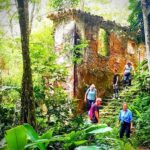
This experience is simple on paper: hike to Papagaio Peak in the Tijuca Rainforest. In real life, it hits two goals at once—nature time and city-view payoff. The Tijuca Rainforest is the largest urban forest in the world, which means you’re going from streets and neighborhoods to a real, thick canopy environment surprisingly fast.
The Papagaio Peak summit is at 982 m, and that height matters because it gives you a clear, layered sense of Rio. From up there, you can see how the city spreads out around the green mass of the forest. That “nature meets city” feeling is the point, not a bonus.
Expect a guided walk that’s moderate to hard in effort. You’ll be on your feet for about 4 hours and cover around 5 km inside a preserved part of the Atlantic rainforest. If you want an easy stroll, this isn’t it.
You can also read our reviews of more hiking tours in Rio De Janeiro


Why the small-group format with Alexandre Gheiner matters
The tour runs with a small group limited to 4 people. That changes the whole vibe. You’re not getting rushed through stops while strangers wander off. With fewer people, the guide can slow down where it counts—on the plants, the forest structure, and the “why” behind what you’re seeing.
Your specialist guide is Alexandre Gheiner (often referred to as Alex in the group). In the stories from the hike, you can tell he doesn’t just name things—he ties them to Rio’s culture and the forest’s history. One highlight from the guide’s narration is the contested origin of jackfruit in Rio de Janeiro, which is the kind of detail that makes the walk feel like a living lesson.
The tour also runs in English, Spanish, and Portuguese, so you’re not stuck decoding a generic script. With that kind of language support, the forest explanations land faster and you spend more time looking, not guessing.
Stop-by-stop: Cascatinha Taunay, the Tijuca climb, and Vista Chinesa
Your day starts with pickup in Rio de Janeiro—specifically the South zone and Downtown areas. You’re asked to wait about 10 minutes before the scheduled pickup time, then you’re transferred toward the park area.
Transfer time: getting into the right headspace
The transfer is about 30 minutes. That’s useful, because it’s long enough to settle in and short enough that you’re not wasting your energy before the climb.
If you’re prone to getting carsick on winding roads, this is worth keeping in mind—but the tour schedule keeps it to a manageable chunk of time before you’re walking again.
Cascatinha Taunay: a quick warm-up photo stop
Next comes Cascatinha Taunay, with about 15 minutes for photo and a visit. This is an early window into what “water in the forest” looks like. It also gives your group a chance to reset—stretch your legs a little, check your footing, and get your bearings before the main hiking block.
The downside? Fifteen minutes flies by fast. If you’re hoping for a long waterfall hangout, plan to treat this as a preview, not the finale.





Tijuca National Park hiking: about 4 hours on foot
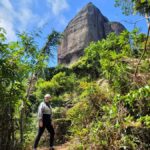
The main event is in Tijuca National Park, with roughly 4 hours of hiking. You’ll walk about 5 km inside one of the most preserved areas of the Atlantic rainforest in Rio.
This is where the guide’s job really shows. You’ll learn about the history of the forest, plus the local flora and fauna you’re passing. Even when it’s cloudy, the walk can still feel rewarding because the forest details don’t disappear just because the sky dims.
A practical note for your planning: moderate-to-hard doesn’t mean technical climbing, but it does mean you should expect a steady effort. Bring comfortable shoes that can handle trail conditions.
Vista Chinesa: viewpoint break and orientation
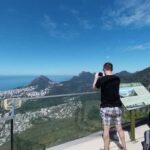
After the main hike block, you’ll have a Vista Chinesa photo stop and visit for about 15 minutes. This is a chance to keep stacking viewpoints without turning the whole day into constant uphill strain.
It also helps you orient yourself. If you’ve never seen Rio from inside Tijuca, Vista Chinesa can make the summit view later feel more “connected” rather than random scenery.
Papagaio Peak summit: the views of North, South, and Downtown Rio
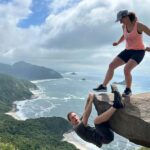
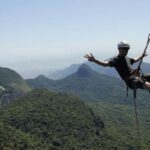
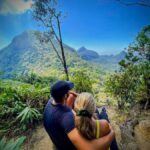
The summit is the payoff: a wide view over Rio from the Papagaio Peak high point. What makes it more valuable than a random scenic overlook is how specific the perspective can be. From the top, you can spot the North, South, and Downtown areas interacting with the forest.
That “map view” is a big deal for first-timers. Rio’s geography can feel confusing when you’re only seeing it from street level. From the summit, the city’s shapes and neighborhoods feel more readable, and the forest’s position becomes obvious.
The weather can affect visibility. One of the best review signals here is that even with cloudy conditions, the guide-led conversation kept the experience enjoyable. So if you get overcast skies, don’t automatically assume the day is a wash. The trail itself, plus the viewpoint effort, can still be worth it.
One consideration: the tour isn’t suitable for people who are afraid of heights. Even if you keep your focus on the path, being at or near high viewpoints is part of the experience. Be honest with yourself about comfort levels before you book.
Cascatinha Taunay and the waterfall shower: your cool-down moment
The day ends with a refreshing waterfall finish. You’ll enjoy a shower in a waterfall inside the park after the hiking portion. This is a fun contrast to the climb—warm-weather relief, wet-rock energy, and that “I’m actually in the rainforest” feeling.
Why this is worth paying attention to: it’s not just a gimmick photo. It’s a practical reset after several hours walking in humidity. If you tend to overheat, the chance to cool down can be a huge quality-of-life upgrade.
What you should plan for: since food and water aren’t included, you’ll want to manage your energy before that final stop. Also, because it’s a shower at a waterfall, you’ll want to be mindful of footing and keep your steps careful—especially if the area is slick.
Price and value: is $50 per person worth it?
The price is $50 per person for about 6 hours. That might look modest compared to the way some Rio experiences price themselves, and the value comes from what’s included.
You’re getting:
- a specialist tour guide (not just a basic escort)
- transfers in and out
- hiking in the rainforest
- a waterfall stop
- landscape/views during the day
What’s not included:
- food/snacks
- water
For many people, the best part is paying for the guide’s structure. You’re not just hiking—you’re learning why the Tijuca Rainforest exists where it does, how it changed over time, and how the plants and animals fit into that larger story. The small-group size also supports value because the tour feels less like a conveyor belt.
If you’re the type who likes to hike but hates doing the “planning homework,” this is a good buy. If you’re a strong independent hiker and you already know the trails, you might feel the cost is less justified—because part of what you’re paying for is the guided interpretation.
Fitness level, what to bring, and who should go
This hike is about 4 hours of walking with moderate-to-hard effort, plus the transfer time and viewpoint stops. It’s around 5 km in the forest.
You’ll be better off if you:
- like hikes where your legs do work, but you still want a scenic payoff
- enjoy learning about plants, wildlife, and local forest history
- want city views without doing the steep sightseeing treadmill on day one
You should reconsider if you:
- have mobility impairments (the tour isn’t suitable)
- are afraid of heights (the summit experience isn’t suitable)
What to bring
The tour asks you to bring:
- comfortable shoes
- snacks
- sunscreen
- water
- insect repellent
That list is practical, and it keeps you from getting stuck mid-day. Since water and food aren’t included, plan snacks the way you would for a long walk. Even if the guide provides storytelling momentum, your body still needs fuel.
The practical logistics that keep the day smooth
There’s one reason this tour feels easier than “DIY Tijuca”: you show up, get picked up, and the route is handled for you. Pickup covers the South zone and Downtown, which helps if you don’t want to fight transit timing in a city that can feel chaotic at the edges.
The tour runs with live guiding in English, Spanish, or Portuguese. With a guide speaking your language, you’ll spend less time translating in your head and more time noticing what’s around you.
One more rule to remember: littering isn’t allowed. It’s a rainforest—you’re in a protected environment, so follow that and help keep it respectful.
Should you book the Papagaio Peak Hike?
Book it if you want a guided hike that blends rainforest learning with summit-level Rio views. This tour works especially well if you like having a small group and you want the guide to bring the Tijuca experience to life—Alexandre’s stories (including the jackfruit origin detail) are the kind of extras that make the effort feel more meaningful.
Skip it if you want an easy walk or if heights make you uncomfortable. Since the experience includes the summit area, it’s not a “close your eyes and it’s fine” kind of day.
If you’re deciding last-minute, think about your hiking comfort level and your willingness to bring your own snacks and water. With those boxes checked, Papagaio Peak and Tijuca Forest can be one of the most satisfying days you’ll have in Rio.
FAQ
How long is the Papagaio Peak hike tour?
The total duration is about 6 hours, with the main hike portion lasting around 4 hours.
How difficult is the hike?
It’s listed as moderate to hard. You’ll walk for about 4 hours and cover roughly 5 kilometers inside the Tijuca Rainforest area.
What stops are included during the tour?
You’ll have a photo/visit stop at Cascatinha Taunay, a hiking block in Tijuca National Park, and a photo/visit stop at Vista Chinesa.
Is pickup included?
Yes. Pickup is included for Rio de Janeiro South zone and Downtown areas, and you should wait about 10 minutes before the scheduled pickup time.
What should I bring since food and water aren’t included?
Bring comfortable shoes, snacks, sunscreen, water, and insect repellent.
Do I need to worry about heights?
Yes. The tour isn’t suitable for people afraid of heights, since you’ll reach the summit viewpoint area.