REVIEW · RIO DE JANEIRO
Pedra da Gavea Guided Hiking tour
Book on Viator →Operated by Nattrip - Tourism, Ecotourism and Adventure in Rio de Janeiro · Bookable on Viator
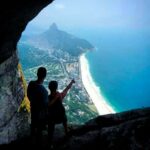
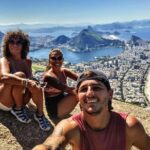
Pedra da Gávea is Rio, but from above. This guided hike takes you through the Tijuca Rainforest to a summit that can show you most of greater Rio, including Christ the Redeemer. I like that it is set up for real hikers, not tourists who just want photos from a bus window.
Two things I really appreciate: first, the small group size (max 6) keeps the day personal and helps you move at a workable pace. Second, you are not left guessing about safety—the equipment is included, and the hardest parts are handled with guide support (including a basic rock-climbing section called Carrasqueira).
One consideration before you go: this is a steep, hot, humid hike with natural obstacles, and you should have strong fitness. If you show up unprepared, you’ll feel it fast—especially with that long climb and the technical sections.
In This Review
- Key Highlights You’ll Feel During the Hike
- Pedra da Gávea: The Kind of Rio Day That Feels Earned
- How the 8-Hour Day Flows (No Need to Guess)
- Stop 1: Parque Nacional da Tijuca and the Sector C Approach
- Stop 2: The Traditional Push to the Summit of Pedra da Gávea
- Stop 3: Carrasqueira Rock Climbing and the Controlled Descent
- Safety Gear and Why It Changes Your Whole Day
- What to Pack for Hot, Humid Tijuca Conditions
- The Price: Is $70.63 Actually Good Value?
- Who Should Book This (and Who Might Want Another Option)
- Should You Book Pedra da Gávea?
- FAQ
- How long is the Pedra da Gávea guided hike?
- What is the minimum age to join?
- Is previous rock-climbing experience required?
- What does the price include?
- Is there an admission ticket you need to pay?
- What should I bring given the rainforest conditions?
- Are there bathrooms along the route?
Key Highlights You’ll Feel During the Hike
Small group experience (maximum 6 travelers) means more attention during the trickier bits.
Big Rio views from the top can include Christ the Redeemer on a clear day.
Carrasqueira section guidance: you do the climbing work, but your guide handles the safety steps.
Abseiling-style descent with control: you relax while the guide manages equipment and technique.
Hot, humid rainforest conditions make the hike a solid workout—bring enough water.
Wildlife sightings are possible along the Tijuca route, including monkeys (marmosets were spotted in one experience).
Pedra da Gávea: The Kind of Rio Day That Feels Earned
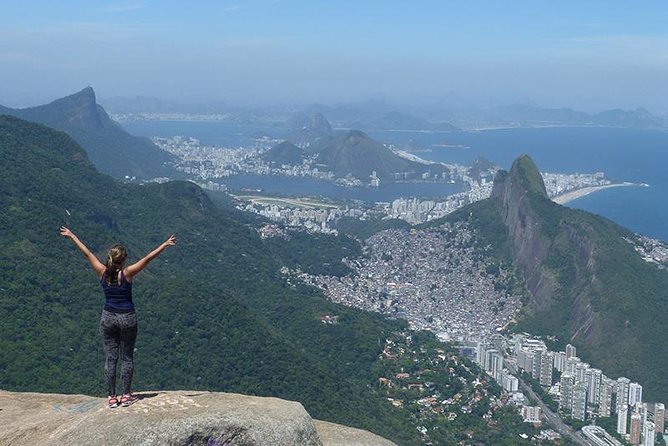
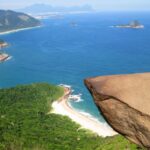
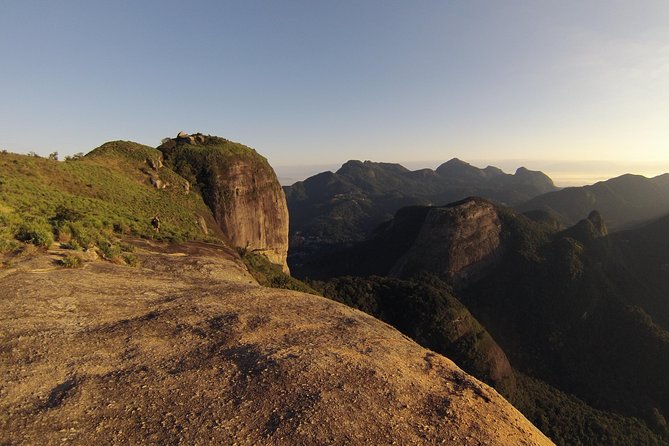
Pedra da Gávea sits above Rio like a sculpted shortcut to a huge view. The best part is that you earn it the honest way: a long trek through Tijuca National Park, then a summit experience that can feel like you are holding the city in your hands.
I love that this tour mixes nature and effort. You’re walking in the rainforest, not just trekking along a road, and the route has enough unpredictability (rocks, uneven ground, humidity) to make it feel real.
If you want a comfortable stroll, this isn’t that. The day is built around challenge: steep segments, obstacles, and a couple of technical sections where good instructions matter.
You can also read our reviews of more guided tours in Rio de Janeiro


How the 8-Hour Day Flows (No Need to Guess)
This tour is about 8 hours total, and it follows a steady rhythm: you meet, hike into the Tijuca area, reach Pedra da Gávea, and then handle the descent with guide-managed safety. The pace is guided, not rushed—your guide’s job is to keep the group moving while you stay safe on the rough sections.
You’ll start at Estr. Sorimã, 932 in Itanhangá, and the activity ends back at the same meeting point. If you chose the hotel pickup/drop-off option, expect that to shape the early part of your day, since the pickup is usually what determines exact timing.
The small group size (max 6) also affects how the day feels. With fewer hikers, you are less likely to get stuck behind someone who is unsure on rocks, and the guide can spot hesitation early—especially useful around the Carrasqueira area.
Stop 1: Parque Nacional da Tijuca and the Sector C Approach
The trail begins in Parque Nacional da Tijuca, specifically in Sector C. This matters because Tijuca is not just a scenic backdrop—it’s the rainforest environment you’ll sweat through, with the kinds of uneven ground and natural obstacles that make rainforest hikes more interesting than they look on a map.
You should think of this first phase as both warm-up and immersion. Even before you’re near the technical sections, you’re already in a humid environment where good shoes with grip help a lot.
Also, admission is free, so you are not spending your day in ticket lines. The value here is time on the trail, not time spent waiting.
Practical tip: eat a real breakfast and start hydrated. One review specifically mentioned that there are no bathrooms along the way, so treat this as a leave-no-trace long trek and plan accordingly.
Stop 2: The Traditional Push to the Summit of Pedra da Gávea
From the rainforest route, you work your way toward Pedra da Gávea, a climb that typically takes about two and a half hours to reach the top. That top time can feel quick when conditions are good, and slower when wet rocks make everything more cautious.
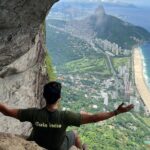
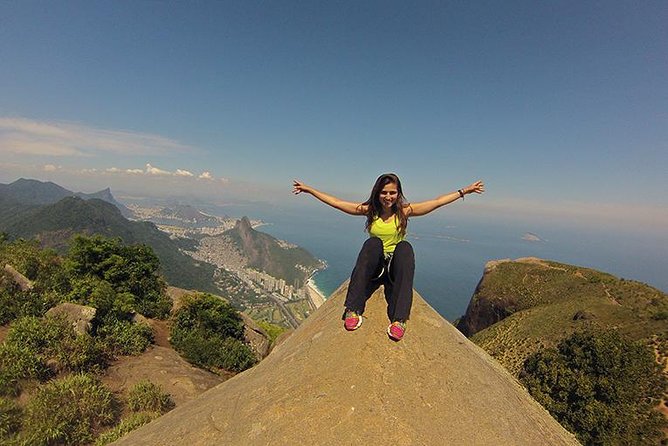
Here is what you are chasing: a wide view over greater Rio, often with Christ the Redeemer visible on clear days. That view is the payoff for the effort, and it is why this hike draws people who want more than a quick photo stop.
Wildlife can show up too. In one experience, hikers saw different monkey species, including marmosets extremely close at one point. Don’t count on it like a guarantee, but keep your eyes open—rainforest hikes often reward curiosity.
A note on weather: if rain or clouds roll in, you may still get great viewpoints on the way, but summit visibility can disappear. One experience described missing the full top due to clouds and rain near a cave, even though the day still delivered strong sights and a fun challenge.
Stop 3: Carrasqueira Rock Climbing and the Controlled Descent
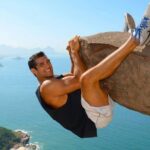
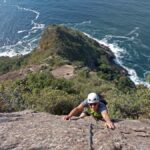
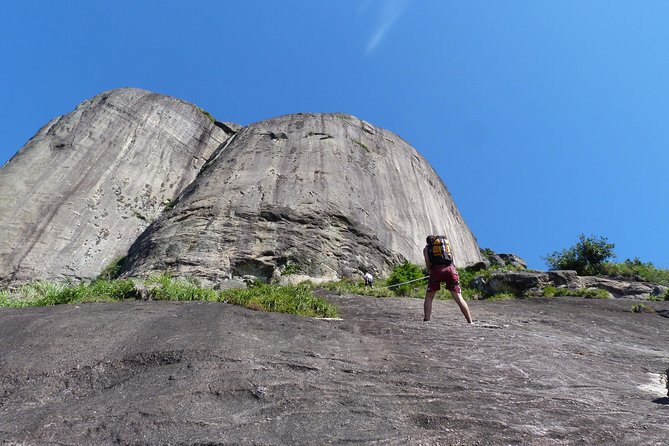
This is the part that turns a hike into a real adventure. The trail has natural obstacles, including a basic rock climbing area called Carrasqueira. The good news is that you do not need previous experience; your guide provides instructions and safety technique.
In the reviews, guides like Sergio and Lucas were praised for being patient and for taking time on the tough sections. That matters because technical climbing isn’t about speed—it’s about trust in the steps, where to place your feet, and how to stay calm when the rock feels exposed.
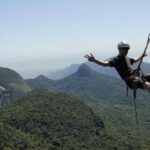
Then comes the descent, described as an abseiling-style method (similar to rappelling). You are not doing the heavy decision-making with ropes. The guide controls the equipment and manages the descent. Your job is to follow directions, keep your footing, and enjoy the photos.
If the rocks are wet, expect slower movement. One experience mentioned that wet conditions made the route trickier, but the group still handled it safely with the guide’s approach.
You can also read our reviews of more hiking tours in Rio de Janeiro


Safety Gear and Why It Changes Your Whole Day
You get equipment for use in the tour, and that is a big reason the hike feels approachable even though it includes technical sections. With the guide managing the safety setup, you’re not trying to figure out gear mid-stress.
You’ll also notice how guides set the tone. Multiple reviews praised guides for clear communication and patient support—especially around fear and hesitation. One solo hiker specifically described their guide checking in repeatedly with instructions framed around controlling fear, which is exactly what you want when you’re climbing or descending on rock.
Here is how you should think about it: the equipment and technique reduce risk, but the hike still requires good judgment from you. Move carefully, don’t rush, and stop if you feel off balance. Your guide would rather you be one step slower than one slip faster.
What to Pack for Hot, Humid Tijuca Conditions

Rio’s rainforest heat can sneak up fast. The route is described as hot and humid, and that means hydration and clothing comfort are not optional.
Bring:
- Comfortable shoes with good grip
- A light snack
- 3 liters of water
- Sunscreen and insect repellent
- A backpack (mandatory for carrying your things)
I also recommend you bring clothing that you don’t mind getting scuffed or dirty. A review called out that you’ll get dirty because this hike involves serious climbing. Think trail gear, not clean-city clothes.
One more practical detail: since there are no bathrooms along the way, do your bathroom break before you start. This isn’t about being shy—it’s about time and route constraints.
The Price: Is $70.63 Actually Good Value?
$70.63 for around 8 hours in Tijuca National Park can feel like a bargain when you compare it to what you’re getting: a professional guide, equipment, and the physical route that includes technical sections and a controlled descent.
You’re also paying for risk-management. A hike like this isn’t just walking; it’s the kind of terrain where having the right gear and a practiced guide makes a real difference. Even if you’re comfortable climbing on your own, you still benefit from having the guide handle setup and descent control.
The hotel pickup/drop-off can add extra value if you’re not starting near Itanhangá. And since admission to the area is free, the price is mostly about guide time and safety equipment.
Who Should Book This (and Who Might Want Another Option)
This is best for people who want an active day and have strong physical fitness. The tour itself calls out a strong fitness level, and the route involves high walking, steep climbing, and obstacles.
I think it’s a great fit if:
- you like being in nature and not just checking boxes
- you’re okay with a long hike in hot humidity
- you want guided support for the technical rock sections
It may not be ideal if:
- you get uncomfortable with height and exposure during climbing/descending
- you’re looking for a low-effort hike
- you need frequent breaks for non-technical reasons (there aren’t details on frequent stops, and the route is designed as a sustained climb)
Minimum age is 10, which tells you this is family-adjacent only if kids are used to real hiking and can follow safety instructions.
Also, the operator reserves the right to refuse service if someone is intoxicated. If you plan to celebrate after the hike, save it for Rio nightlife—not before your safety briefing.
Should You Book Pedra da Gávea?
If you want a Rio view that feels earned, this is a strong pick. The combination of Tijuca rainforest, a summit with the possibility of seeing Christ the Redeemer, and guided safety gear for Carrasqueira and the descent makes it a standout day for active travelers.
Book it if you can handle steep hiking, bring enough water, and take technical instructions seriously. Skip it (or consider a different Rio nature option) if you’re hoping for an easy walk, or if you’re not confident with heights and rugged terrain.
FAQ
How long is the Pedra da Gávea guided hike?
It runs for about 8 hours.
What is the minimum age to join?
The minimum age is 10 years.
Is previous rock-climbing experience required?
No previous experience is necessary. The guide helps with the safety techniques and procedures for the climbing and descent sections.
What does the price include?
The tour includes a professional guide, equipment, and all taxes/fees/handling charges. If you select transport, it also includes hotel pickup and drop-off.
Is there an admission ticket you need to pay?
No. Admission tickets are listed as free.
What should I bring given the rainforest conditions?
Bring comfortable shoes with good grip, a light snack, 3 liters of water, sunscreen, and insect repellent. A backpack is mandatory to carry your things.
Are there bathrooms along the route?
The tour info provided does not list bathroom stops, and one experience specifically noted no bathrooms along the way. Plan accordingly before you start.