REVIEW · PARO
8 Days Classic Bhutan tour with easy hikes
Book on Viator →Operated by Bhutan Travel Club · Bookable on Viator
Bhutan starts with a view—then keeps rewarding you. This 8-day classic route from Paro strings together big-name temples, hands-on cultural stops, and easy hiking that stays realistic for most travelers.
You’ll move in a comfortable car with bottled water, stay in 3–4 star hotels, and have meals, entry fees, and key permits handled so your day doesn’t collapse into logistics.
I like the way this trip balances comfort with meaning. Two standouts for me are the all-inclusive setup (hotels, meals, entry fees, a private driver) and the carefully chosen hike moments—Dochula Pass viewpoints, short temple walks, and the famous Tiger’s Nest day without making the whole trip feel like a training plan.
One possible consideration: your schedule depends on weather, and the big hiking day (Tiger’s Nest) is long at about 7 hours. If you’re sensitive to steep steps or long sit-times in cars, plan to go slow and bring layers for mountain swings.
In This Review
- Key things that make this tour worth your attention
- Paro to Thimphu: your first Bhutan views (and that smooth start)
- Thimphu day: Buddha Dordenma, craft training, and real-life Bhutan art
- Dochula Pass to Chimi Lhakhang: easy hikes with big mountain payoff
- Punakha: Dzong views, a stupa hike over paddy fields, and time with nuns
- Phobjikha (Gangtey): cranes, bamboo-and-oak roads, and a gompa afternoon
- Back to Paro: Kyichu Lhakhang, National Museum, and Rinpung Dzong
- Tiger’s Nest plus Drugyel Dzong ruins: the long finale day
- Day 8: departure day in Paro (and what you should wrap up)
- Price and value: is $2,438 a smart deal for what you get?
- Who this classic easy-hike Bhutan route fits best
- Should you book this 8-day Classic Bhutan with easy hikes?
- FAQ
- Where does the tour start, and when?
- What’s included in the tour price?
- Is airfare included?
- Do I need a visa before I travel?
- How much hiking is involved?
- What happens if weather is poor?
Key things that make this tour worth your attention
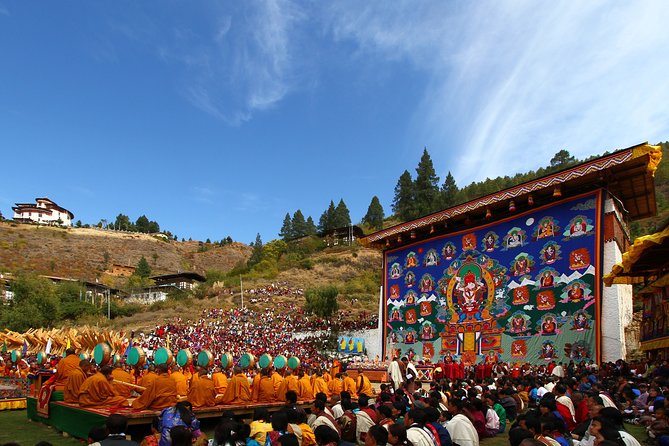
- All-inclusive planning: hotels (3–4 star), meals (7 breakfasts, 7 lunches, 7 dinners), entry fees, permits, and transfers are built in.
- Easy-hike structure: you get a mix of short scenic climbs (like a ~45-minute paddy-field hike) and optional longer walks.
- Culture beyond photos: textile training, traditional arts education, and craft markets aren’t just pass-by stops.
- Fortresses and valleys: Punakha Dzong, Rinpung Dzong, and river-confluence scenery show why Bhutan protects its heritage so fiercely.
- Wildlife focus in Phobjikha: the Black-necked Crane Center is part of the trip, not an afterthought.
- A staff team that handles details: in shared experiences, coordination and communication (including WhatsApp) were praised, plus guides/driver teams like Karma and Tshering were noted for attentiveness.
Paro to Thimphu: your first Bhutan views (and that smooth start)
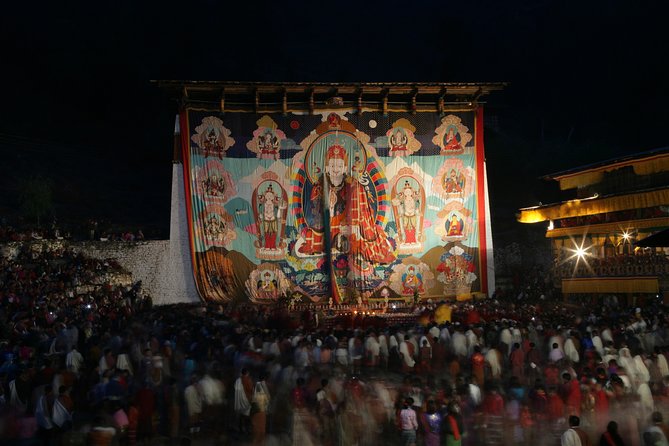
Day 1 begins with arrival scenery that feels like an introduction speech from the Himalayas. The flight into Bhutan sets you close to the high peaks, with outlooks that can include Mt. Everest and Mt. Kanchenjunga, plus Bhutan’s own Mt. Jomolhari and Mt. Jichu (weather and visibility will obviously play a role).
After landing, you’re met by the guide and eased into a car ride. The itinerary includes a stop at the Tachogang Lhakhang Bridge area and then a visit to Tamchog Lhakhang monastery on the way to Thimphu. It’s a good “warm-up” day: enough time to orient yourself, but not so packed that you feel fried before you even see the capital.
Once in Thimphu, you check in and keep the evening flexible. A classic optional add-on is the Memorial Chorten, a sacred stupa built in memory of the third king of Bhutan. Then comes dinner at a local restaurant featuring authentic Bhutanese cuisine.
Practical take: Day 1 is a long travel day. If you tend to get jet-lag grumpy, treat the evening as a reset. The next day starts with a big view and several cultural stops.
Thimphu day: Buddha Dordenma, craft training, and real-life Bhutan art
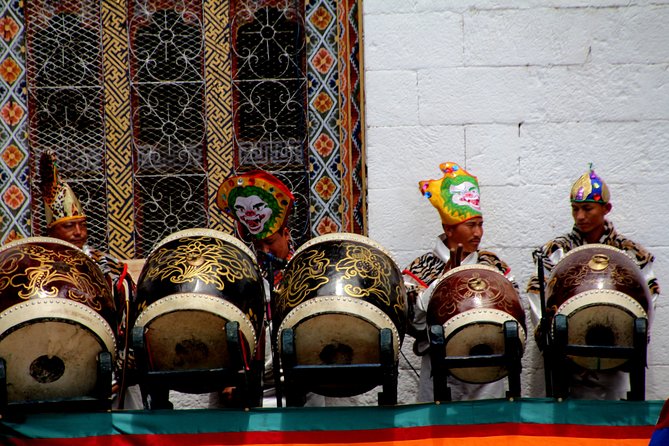
Thimphu is where this tour leans hardest into culture, and it does it in a way that’s easy to follow.
You start with Buddha Dordenma at Kuensel Phodrang. This is the massive 169-ft Buddha statue overlooking the valley. From up there, you also get a panoramic view of Thimphu city. Then the day includes a lovely easy hike (listed at about 3 hours for the stop block), so you move your body just enough to feel awake.
Next is a thoughtful “how people live” sequence:
- National Folk Heritage Museum (with a healthy lunch stop built in)
- National Institute for Zorig Chusum, where you can learn about Bhutan’s 13 traditional arts and crafts
- Royal Textile Academy of Bhutan, which focuses on intricate textiles
And because no Thimphu day is complete without at least a little shopping energy, there’s time at Thimphu’s Weekend Market and the crafts bazaars. This is the part where you’ll see what Bhutanese crafts look like when they’re not trapped inside a souvenir rack.
Why I think this is valuable: it’s one thing to view culture. It’s another to watch it in action—studies, institutions, and craft training are right in the middle of your schedule.
What to watch for: this is a “many stops” day, with museum-plus-institute-plus-market pacing. If you prefer slower travel, use small breaks. You don’t need to sprint from one doorway to the next.
Dochula Pass to Chimi Lhakhang: easy hikes with big mountain payoff
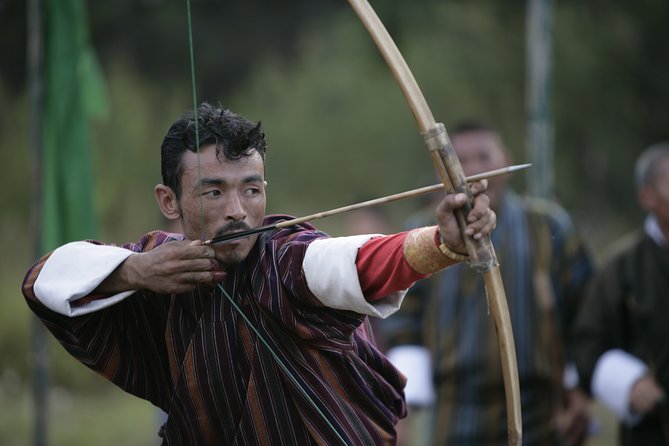
Day 3 is a high point in the best sense: mountain views, prayer-flag atmosphere, and hikes that match the trip’s easy-hike promise.
You drive to Dochula Pass (3140m). At this altitude, the views across the northern Himalayan ranges can be dramatic on clear days. The pass is also known for the visual impact of prayer flags fluttering across the area, which makes it feel like you’ve stepped into the landscape rather than just arrived.
From there, the itinerary offers hike options:
- Lungtsezelkha / Lungchutsezelkha hike (about 3 hours listed) through rhododendron forests and alpine vegetation, with a chance to spot yaks.
- An easier alternative along the Trans Bhutan Trail section descending from Lamperi Botanical Park to Talo village (about 2 hours listed), through older rhododendron forests.
You then visit Druk Wangyel Monastery and the Druk Wangyel Chortens. This adds spiritual calm to the day after the moving-through-the-viewpoints hikes.
Later, you go to Chimi Lhakhang Temple, also called the fertility monastery. It’s in the Lobesa rice valley area and is associated with a historic figure nicknamed The Divine Madman. Even if you don’t go deep into the backstory, the setting and the temple reputation make it a memorable stop.
How to make the hikes feel easy: wear grippy shoes and plan to go slow on steps and uneven ground. These walks are timed as “easy,” but 3140m and mountain weather can make you feel more work than you expect.
Punakha: Dzong views, a stupa hike over paddy fields, and time with nuns
If Thimphu feels like the cultural heart, Punakha feels like the Bhutan postcard you understand after you’re there.
You start with Khamsum Yulley Namgyal Chorten near Kabesa village. The stop includes a short scenic hike through paddy fields for about 45 minutes up to the hilltop where the temple sits. Even in plain daylight, this kind of climb feels like a breather because the route is slow and scenic rather than steep and punishing.
Then comes Punakha Dzong. It’s described as the most beautiful fortress in Bhutan, sitting at the confluence of two rivers. This is the winter residence of the monastic order’s leadership and also serves as an administrative headquarters for the leadership—so it’s not just a sightseeing building. It has real function.
After that, you visit Sangchhen Dorji Lhuendrup nunnery, perched atop a ridge amid pine trees, with views over Punakha and Wangduephodrang valleys. The itinerary specifically notes the nuns enjoy speaking English with visitors, so this isn’t a cold “look then leave” stop.
Balanced note: Punakha day is packed but not chaotic. You’ll get views, you’ll do a hike, and you’ll have human interaction. If you’re tired, this is the day to slow your pace and focus on one “must-see” per stop.
Phobjikha (Gangtey): cranes, bamboo-and-oak roads, and a gompa afternoon
Day 5 brings you to Phobjikha, also called Gangtey. The road journey is part of the experience: the drive follows the Dang Chuu (River) and climbs through bamboo and oak forests, then veers toward the hidden valley after crossing Pele La (Pass).
In the afternoon, you visit Gangtey Monastery (Gantey Gompa). You can spend time with monks at the monastic school, and the itinerary includes an option for a meditation session inside the temple, with your guide giving basic instructions.
Then you go to the Black Necked Crane Center. This valley is described as a glacial valley, with endangered black-necked cranes arriving in winter from the Tibetan plateau. You’ll also hear about local connection and folklore tied to the cranes, which helps the wildlife stop feel grounded rather than purely “wildlife watching.”
Why crane season matters here: Bhutan’s effort to protect these birds isn’t theoretical when the center is part of your route. It turns conservation into something you can see, not something you hope exists.
What to keep in mind: this is a change in scenery and mood. Expect fewer fast-paced “tight schedule” moments and more time to absorb the valley atmosphere.
Back to Paro: Kyichu Lhakhang, National Museum, and Rinpung Dzong
Day 6 is a return drive that still gives you meaningful stops.
You head back to Paro via Dochula Pass again, which can feel like a second chance to catch the mountains if your first pass day had average visibility.
In Paro, you visit Kyichu Lhakhang, believed to be the oldest Buddhist temple in Bhutan, built during the 8th century. Then you proceed to the National Museum, which helps you connect what you’ve been seeing to Bhutan’s broader history and traditions.
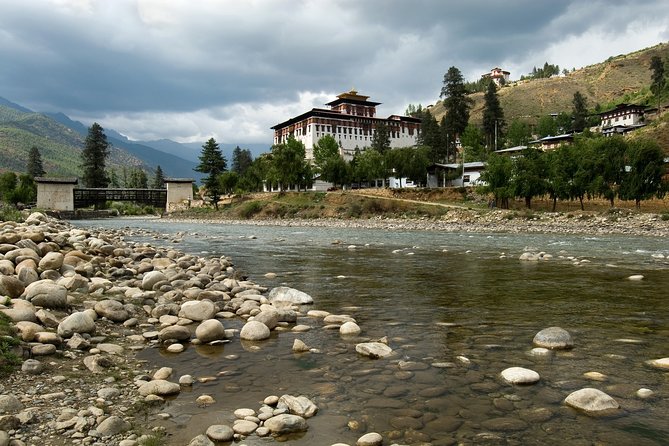
Finally, you explore Rinpung Dzong—the “fortress of the heap of jewels”—built in 1644 by Zhabdrung. This is another fortress stop that reminds you Bhutan’s religious sites are also political and community anchors.
Practical take: museums are easiest when you keep your expectations flexible. Aim to learn a little each stop, not everything. That way the day stays enjoyable rather than homework.
Tiger’s Nest plus Drugyel Dzong ruins: the long finale day
Day 7 is the big finish. It’s also the longest day in the itinerary at roughly 7 hours for the Tiger’s Nest excursion block.
You go to Paro Taktsang, translated as Tiger’s Nest Monastery. This is the trip’s star attraction, and it earns its fame through location and spiritual atmosphere—especially because you reach it by climbing steps toward the cliffside setting.
On the return, you stop at Drugyel Dzong ruins. These served as a strategic watchtower and fortress used to repel Tibetan invasions in the 1600s. The ruins help you see how defense and faith overlapped historically.
How to handle the physical side: even when a trip calls hikes “easy,” Tiger’s Nest can still be demanding. Bring water, take breaks without guilt, and decide early whether you’ll stop often or push faster. The guide can adjust your pace, and the itinerary’s longer-day structure gives you time to work within your comfort level.
Day 8: departure day in Paro (and what you should wrap up)
On your final morning, you have breakfast at your hotel, then your driver takes you to the airport. Your guide helps with formalities so you’re not scrambling at the last minute.
This is where you’ll appreciate the tour design. Most Bhutan itineraries are light on logistics clarity, but here the structure is meant to remove friction. You’ve already done the heavy lifting: permits, permits-related fees, entry fees, and transport are built into the plan.
Price and value: is $2,438 a smart deal for what you get?
At $2,438 for about 8 days, this isn’t a “cheap flight and hope for the best” arrangement. You’re paying for an all-inclusive, guided route with private transport.
Here’s what the price includes (based on the trip details):
- 3–4 star hotels for your stay
- All meals listed as 7 breakfasts, 7 lunches, and 7 dinners
- Entry fees and monument fees worth USD 300
- Permits and all necessary permit fees
- Private transportation in a comfortable car, plus bottled mineral water
- An English-speaking tour leader and driver
- A mobile ticket
- Pickup is offered (meeting point is Paro International Airport)
What’s not included (so you can budget without surprises):
- Airfare to and from Bhutan
- Visa fee of USD 40 (one time fee)
- Sustainable Development Fund / daily tourism tax
- Personal expenses, tips/gratuity, and travel/medical insurance
- Spa charges and beverages/shopping
My take on value: you’re paying to buy back time and stress. Because the itinerary includes multiple temples, museums, fortresses, and several easy-hike segments across changing regions (Thimphu → Punakha → Gangtey → Paro), the private logistics alone are a big part of what you’re funding.
If you like group travel’s energy, this tour still stays private for your group. That’s a good middle road: you get fewer crowds and more flexibility than you would on a bus-heavy loop.
Who this classic easy-hike Bhutan route fits best
This tour fits best if you want:
- Culture and history stops that feel real, not just photo pull-offs
- Easy hiking that includes scenic climbs and viewpoints, with optionality on at least one hike segment
- A guided experience with an English-speaking leader, private car, and meals handled
- A route that covers Paro, Thimphu, Punakha, and Gangtey in a single sweep
It may not fit perfectly if:
- You hate long travel days in a car (some days involve several hours of driving between areas)
- You need very short days with minimal walking
- You want complete freedom to rearrange everything day-by-day (this is a structured itinerary with choices, not full independent wandering)
Should you book this 8-day Classic Bhutan with easy hikes?
I’d book it if you want a well-paced “first Bhutan” trip that hits the classics—Memorial Chorten, Buddha Dordenma, Dochula Pass, Punakha Dzong, Black-necked cranes, and the cliffside Tiger’s Nest—while keeping hikes mostly manageable.
You should hesitate if you’re very sensitive to physical effort on steep steps, or if weather disruptions would be a deal-breaker for your dates. The plan depends on good conditions for the best experience, especially the day involving Tiger’s Nest.
If you do book, pack smart for mountain weather changes, lace up grippy shoes, and plan to enjoy the slow rhythm. Bhutan isn’t a checklist country. This route helps you see it without turning it into one.
FAQ
Where does the tour start, and when?
The tour starts at Paro International Airport at 8:30 am.
What’s included in the tour price?
The tour includes permit fees, monument fees (worth USD 300), accommodations in 3–4 star hotels, bottled mineral water, an English-speaking tour leader and driver, all transfers in a private car, and 7 breakfasts, 7 lunches, and 7 dinners.
Is airfare included?
No. Airfare to and from Bhutan is not included.
Do I need a visa before I travel?
A visa fee of USD 40 (one time fee) is listed as not included, so you should plan for it.
How much hiking is involved?
The trip includes easy hikes and short scenic walks. For example, you’ll have a short ~45-minute paddy-field hike toward Khamsum Yulley Namgyal Chorten, a 3-hour hike option around Dochula Pass (through rhododendron forests), and a 2-hour easier Trans Bhutan Trail section option from Lamperi.
What happens if weather is poor?
The experience requires good weather. If it’s canceled due to poor weather, you’ll be offered a different date or a full refund.