REVIEW · VIK
Small-Group Ice Climbing and Glacier Hiking in Solheimajokull
Book on Viator →Operated by North Ice · Bookable on Viator
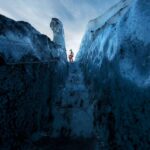
That first crunch under your boots is pure Iceland. On Solheimajokull glacier, you mix a real glacier hike with hands-on ice climbing, keeping things small and personal. What makes this one click is the learning curve: you’re not just walked to ice—you’re taught how to move on it.
I love that ice-climbing gear is included (harness, helmet, crampons, ice axe), so you can show up without hunting for equipment. I also love the way the pace is built for people at different levels, with multiple climb moments at different spots on the glacier. One thing to consider: this is weather-dependent, so if conditions are poor you may need to shift dates.
In This Review
- 6 key reasons this Solheimajokull climb feels worth it
- Why Solheimajokull is a smart glacier choice near Vik
- Price and value: what you’re paying for at $258.05
- 10:30 start and a calm meeting point setup (what to plan for)
- How the 4.5-hour glacier hike-and-climb day actually flows
- Three climb stops on Solheimajokull: more than one “moment”
- Gear included: the safety backbone of your ice climbing
- The guide makes or breaks it: patient coaching and safety-first pacing
- Weather and fitness: what to know before you commit
- What to bring (and what you won’t have to buy)
- Who this tour is best for (and who might want a different style)
- Should you book this Solheimajökull ice climb?
- FAQ
- What gear is included for the ice climbing?
- How long is the tour, and when does it start?
- Where does the tour meet?
- Are snacks, coffee, or lunch included?
- Do I need previous ice-climbing experience?
- What happens if the weather is bad?
6 key reasons this Solheimajokull climb feels worth it
- Small group size keeps you from waiting around while others get instruction.
- Gear is provided: harness, helmet, crampons, and ice axe.
- Three ice-climb locations means you get more time doing the thing, not just watching.
- Guide-led skill building helps you progress from simpler sections to steeper ones.
- Personal glacier experience with time spread across the day.
- North Ice focuses on safety, with patient teaching even for true first-timers.
Why Solheimajokull is a smart glacier choice near Vik
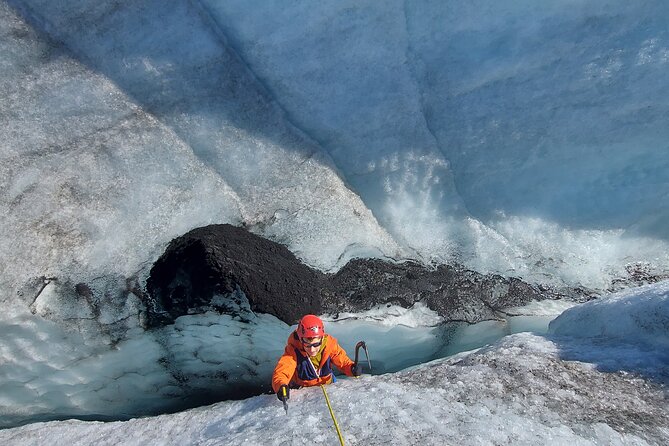
Solheimajokull is one of those glaciers that feels close enough to be approachable but wild enough to feel unforgettable. From the Vik area, it’s a classic Iceland setup for turning “I saw a glacier” into “I learned how to move on a glacier.”
What I like most about this kind of glacier outing is the balance. You get real ice climbing practice—not just a casual walk on snow. At the same time, you’re still doing a glacier hike, so the day doesn’t feel like you’re only standing at a wall waiting for your turn.
This tour’s format fits how most people learn best: start with technique, practice it repeatedly, then build confidence as the day goes on.
You can also read our reviews of more hiking tours in Vik
Price and value: what you’re paying for at $258.05
$258.05 isn’t cheap, but it buys you three big things that matter outdoors: time, instruction, and safety equipment.
First, the tour runs about 4 hours 30 minutes, and it’s structured to keep you active. Second, the guide’s attention matters more than you’d think on ice—small group size changes your whole experience because you’re not rushed and you’re not lost in the crowd.
Third, the included gear list is the practical part: harness, helmet, crampons, and ice axe. That’s a meaningful value item. Even if you don’t wear all of it immediately, you’re covered from the start and you don’t have to guess what size or type to rent.
Money-sense check: since coffee/tea and snacks/lunch aren’t included, plan to handle food separately. The tour cost is really paying for glacier time and gear, not meals.
10:30 start and a calm meeting point setup (what to plan for)
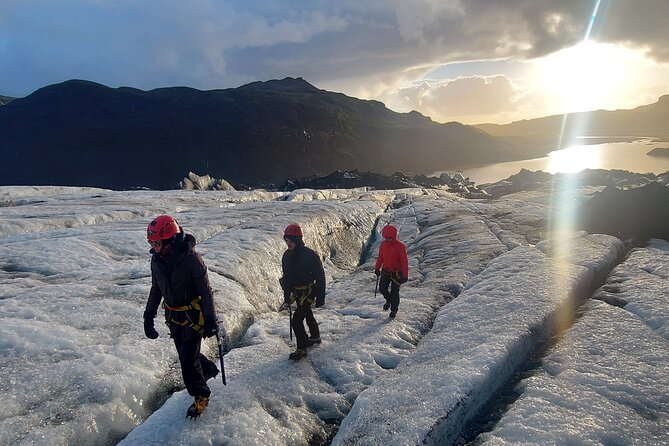
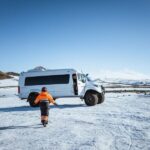
The tour starts at 10:30 am at Sólheimajökull (871), Iceland, and it ends back at the same meeting point. That “go and return to the same place” structure is nice because you don’t end up mentally juggling transport mid-adventure.
Also, confirmation happens at booking, and you’ll get a mobile ticket. If you’re the kind of person who likes to arrive early to park and get oriented, that’s a good instinct. One clear lesson from the wider experience: meeting points matter, and address details can confuse GPS. Build in buffer time so you’re not scrambling near the start.
Finally, booking trends show this is often reserved ahead (an average of 38 days). If your dates are firm, I’d treat this as a book-early activity, especially in peak season.
How the 4.5-hour glacier hike-and-climb day actually flows
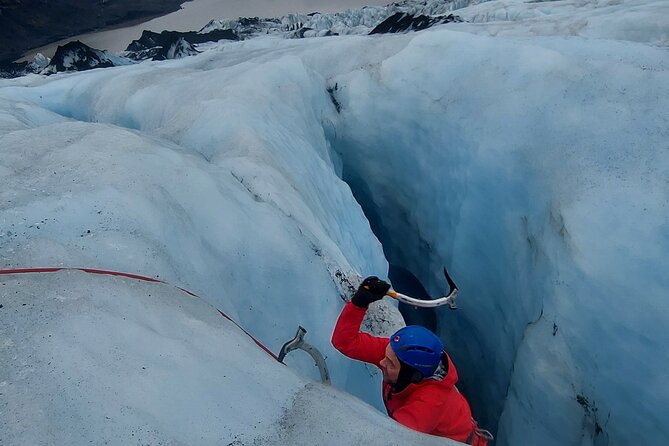
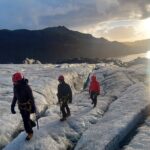
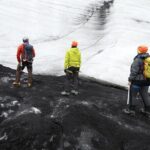
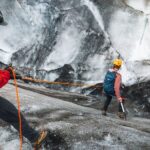
The overall vibe is: hike, learn, climb, repeat. You’ll begin with instruction and an introduction on the glacier, which is where you learn the basics before you start going higher.
Then you move into an ice-climbing phase that’s spread across multiple locations. The way the day is described makes it clear you’ll have more than one chance to climb, instead of doing one quick attempt and calling it.
You should also expect this to be moderately strenuous. You’re hiking on uneven ice and then switching into climbing technique. The good news: the pace is tied to the group and the guide’s coaching, so it’s not just a “follow me” tour.
One practical tip: treat the first climb as your warm-up. In many cases, guides start you on easier ice so you can get your footing, then shift to steeper ground as your balance and confidence improve.
Three climb stops on Solheimajokull: more than one “moment”
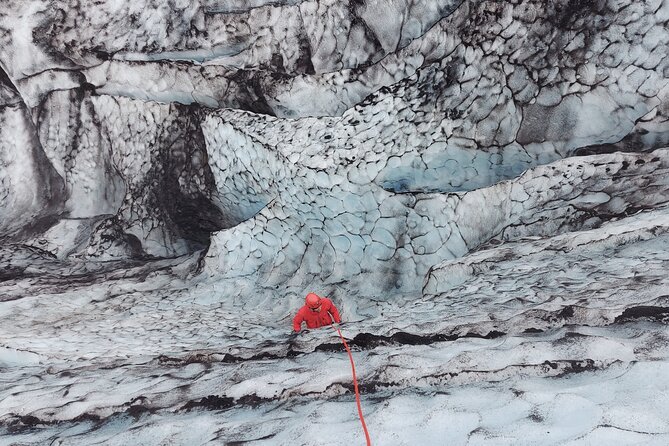
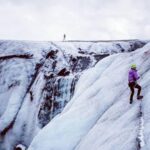
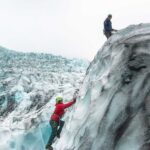
A big reason this tour earns high marks is the number of climbing opportunities. You’ll do ice climbing at three different places on the glacier, which changes the feel of the outing.
Here’s why that matters:
- Different sections of ice often mean different angles and technique demands.
- You get multiple times to try again if something feels awkward.
- The day doesn’t evaporate into one photo stop.
This is where the small group size really shows. When your group is limited (it’s described as a maximum of 6, with a limit of 5 keeping it personal), the guide can adjust coaching while still keeping the group moving. That’s how beginners get “safe and confident” instead of “scared and stuck.”
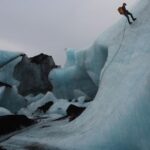
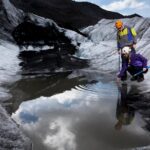
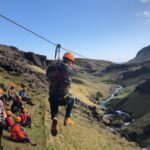
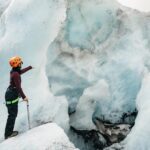
If you’re wondering what climbing could look like: expect you might practice on a steeper section after a simpler start. Some groups have reported climbing walls in the tens of feet range and even practicing a controlled descent technique on a wall. You should view that as “possible” depending on conditions and your comfort level, not as something you’re guaranteed to experience the same way every day.
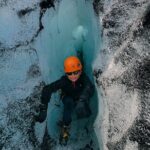
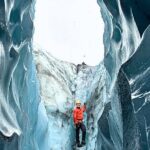
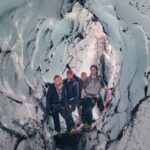
And yes, on some days you can also find yourself near an ice cave area. The fact that some groups have had time where they effectively had the space to themselves tells you how small-group planning can translate into a more personal glacier moment.
Gear included: the safety backbone of your ice climbing
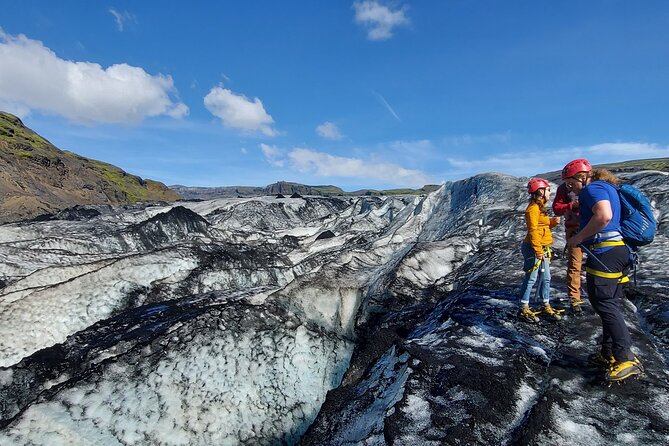
This tour hands you the essentials: harness, helmet, crampons, and ice axe. That matters for two reasons.
1) It reduces uncertainty. You don’t have to guess whether your rented kit is the right fit, whether it’s worn properly, or whether it matches what the guide expects.
2) It supports proper instruction. When the gear is correct and everyone is equipped consistently, the guide can focus on technique instead of fixing equipment mid-lesson.
Crampons are the big one emotionally. They’re what make you feel attached to the ice. When you’re new, that attachment can be both comforting and intimidating. A well-run guide will slow things down so you learn how to place your feet and how to move without panicking.
Helmets and harnesses aren’t just checkboxes. They let the guide teach harder-looking sections because you’re protected. That’s how you go from “this is scary” to “I get it” within a single outing.
The guide makes or breaks it: patient coaching and safety-first pacing
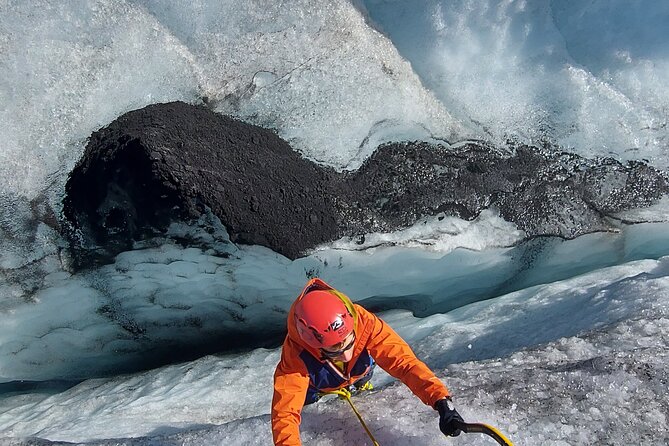
What stands out from the experience is the guide style. The best days feel controlled but not stiff—clear safety guidance, patience for beginners, and plenty of time for everyone to climb.
If you get Bergur (spelled a few ways in feedback), you can expect a very teaching-first approach. People describe him as patient and safety-focused, with instruction that ramps up gradually. If you get Saga from North Ice, the tone described is also hands-on and calm, with enough time that the day doesn’t feel rushed.
Guides also use the glacier as a classroom. Expect talk about how glaciers change and how that connects to Iceland today. Some guides also weave in cultural context while you’re laced into your harness—so you’re learning beyond foot placement.
You’ll feel the difference most during the climbs. With fewer people, you’re more likely to get adjustments like foot positioning tweaks, how to hold the axe, and how to manage balance on steeper ice.
Weather and fitness: what to know before you commit
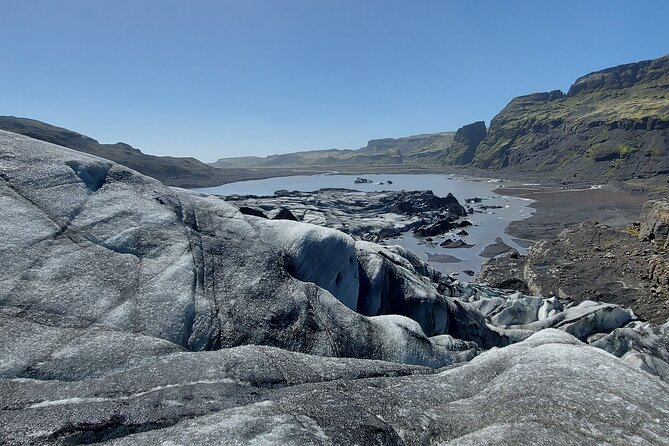
This is not a casual walk. It requires good weather. If the weather doesn’t cooperate, you’ll be offered a different date or a full refund. That’s the important part: you’re not being asked to force it in unsafe conditions.
On fitness, the tour says most travelers can participate. In practice, that usually means you’re not expected to be an athlete, but you should be able to handle:
- walking on ice,
- short climbs,
- and switching between hike mode and climb mode.
If you have health issues, the operator invites you to contact them so they can look into it. That’s a big green flag. Glacier activities should be matched to your comfort level and mobility.
What to bring (and what you won’t have to buy)
Here’s what the tour clearly covers: climbing gear and safety equipment. That removes a lot of friction.
What isn’t included: coffee/tea and snacks/lunch. Plan accordingly. If your tour runs mid-day and you’re used to a snack schedule, bring something small or plan food right before/after the outing.
For clothing, the data doesn’t list a formal dress code. So treat this as a “dress for cold, wind, and wet ice” situation and plan layers. If you’re unsure, contact the provider and ask what they recommend for first-timers.
Also, bring your brain. Ice climbing requires focus. Even if you’re excited, keep a steady pace and follow instructions instead of trying to “free climb” your way up.
Who this tour is best for (and who might want a different style)
This is best for people who want a hands-on Iceland highlight. If you want a glacier experience that’s more than a look-and-photos stop, this fits.
It’s also a great choice for:
- first-timers who want coached technique,
- people who like small-group attention,
- families or mixed groups who benefit from a guide adjusting pace for each person.
You’ll notice some families and beginner-friendly groups get a lot out of it, including kids with proper instruction. That doesn’t mean every child will be the same, but it suggests the tour is set up for real teaching, not just for confident climbers.
If you’re very uncomfortable with heights or you freeze when you feel locked into a harness, tell the guide early. Safety depends on honest communication from the start.
Should you book this Solheimajökull ice climb?
I’d book it if you meet two conditions: you want to learn, not just observe, and you’re comfortable doing a moderately active outing on ice. The small-group setup, the included climbing gear, and the fact that you climb at multiple spots make this a strong value for an Iceland activity where equipment and coaching really matter.
I’d think twice if you hate weather uncertainty or you’re not prepared for the physical side of hiking on ice. Also, if you arrive without buffer time, meeting-point confusion can turn a good day into stress—so plan extra time to get there and double-check location details on your side.
If you want one clear takeaway: this tour is built around doing more climbing with enough instruction to keep it safe and fun. For many people, that’s the difference between a glacier tour and an actual glacier memory.
FAQ
What gear is included for the ice climbing?
You’ll be provided with a harness, helmet, crampons, and an ice axe.
How long is the tour, and when does it start?
The tour lasts about 4 hours 30 minutes and starts at 10:30 am.
Where does the tour meet?
The meeting point is at Sólheimajökull, 871, Iceland, and the tour ends back at the same meeting point.
Are snacks, coffee, or lunch included?
No. Coffee/tea and snacks/lunch are not included.
Do I need previous ice-climbing experience?
The tour says most travelers can participate, and the experience is designed for learning ice-climbing skills during the outing.
What happens if the weather is bad?
This experience requires good weather. If it’s canceled due to poor weather, you’ll be offered a different date or a full refund.