REVIEW · CORK
Toe Head Clifftop Hike in West Cork
Book on Viator →Operated by Gormú · Bookable on Viator
Toe Head clifftops are quietly stunning. This West Cork hike pairs cliff views with real history in a small group capped at 10, guided by Conor. You walk about 7km at an easy pace, with lots of short stops for photos and stories.
I love how the route spreads out into lesser-seen corners of the Wild Atlantic Way, so you feel away from crowds. I also love the way Conor ties the scenery to place-names and legends, including a stop at the Móin Rua heathland known for wild orchids.
One thing to consider is weather: this experience requires good conditions, and if it gets canceled you’ll need to switch dates or get a full refund.
In This Review
- Key things to know before you go
- First impressions: a gentle 7km hike with big coastal payoff
- Meeting at Toe Head Coast Guard Station and how the day runs
- Conor’s storytelling stops: Iron Age fort, EIRE sign, and Cnoc na nGabhar
- Secret trails along the Wild Atlantic Way: why “lesser-seen” matters
- Móin Rua heathland and the wild-orchid moment
- Deserted famine village: a history stop that isn’t just a photo
- Traigh Liceach beach finish: battlefield stories and WWI submarine activity
- Price and value: what $60.07 buys you here
- Who should book this Toe Head clifftop hike
- Weather, timing, and the one practical risk
- FAQ
- How long is the Toe Head Clifftop Hike?
- How far will we hike?
- What’s the group size?
- What time does the hike start?
- Where does the hike start and end?
- Is the tour in English?
- Is there anything provided during the hike?
- What happens if the weather is bad?
- Should you book the Toe Head Clifftop Hike?
Key things to know before you go
- Small group (max 10 people) keeps the walk relaxed and question-friendly.
- Easy 7km pace with short photo stops makes it fun for mixed abilities.
- Snacks and water provided, plus a tea-and-cookie ending on the beach.
- Móin Rua heathland is famous for wild orchids, with plenty of story time.
- Iron Age promontory fort and secret local viewpoint add a wow factor beyond the obvious.
- Traigh Liceach finale blends battlefield history and WWI submarine tales.
First impressions: a gentle 7km hike with big coastal payoff
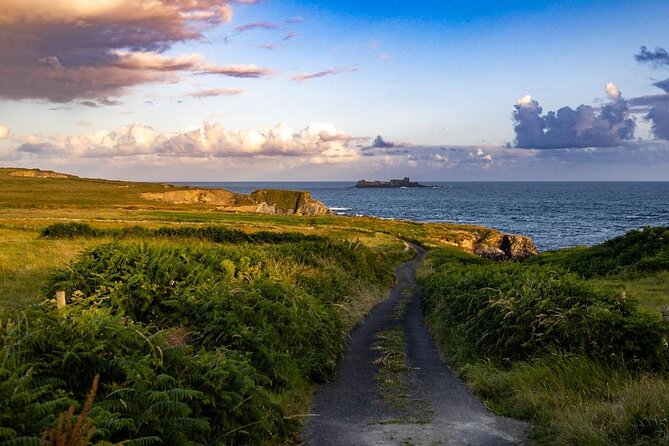
This is not a grind. You’ll cover about 7km at a very easy, fun pace, and the timing works for people who enjoy stopping often. Expect short breaks for photos, plus little bursts of history and folklore as you move between points.
The hike feels social in the best way. With a group capped at 10, you can actually hear the guide, compare notes with your small crew, and ask questions without feeling rushed. You’re out to enjoy the day, not just check off a trail.
And yes, the views are the point. But the experience goes beyond scenery by turning each bend into a mini story—why a place is named a certain way, what older times left behind, and how the coast connects to wars and legends.
Meeting at Toe Head Coast Guard Station and how the day runs
You start at the Toe Head Coast Guard Station area (on Unnamed Rd, Bawnishall, Co. Cork) at 9:00am. The tour lasts about 2 hours 45 minutes and ends back at the meeting point area, even though the final time together includes a beach finish.
You’ll get a mobile ticket, and you should receive confirmation at booking. The tour runs in English, and Conor’s style is built around answering questions while you walk, not after you’re done.
If you want an easy day that still feels like you did something special, this fits. Bring the mindset of a calm stroll with frequent stops, not a march.
Conor’s storytelling stops: Iron Age fort, EIRE sign, and Cnoc na nGabhar
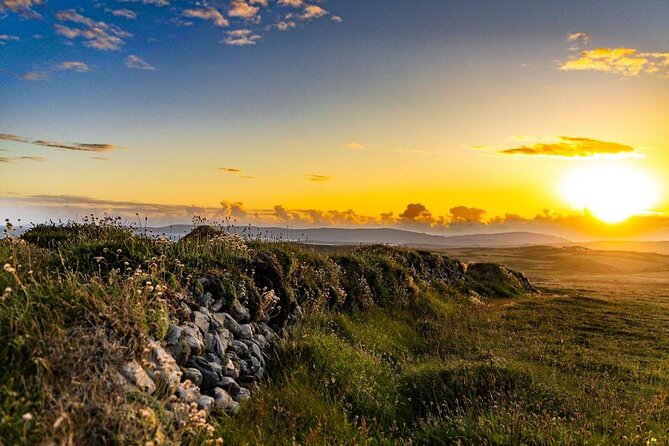
A big reason I’d pick this hike is the way the guide threads together multiple time periods. You pass sights that range from an Iron Age promontory fort to local landmarks tied to language and folklore. It keeps your brain busy in a good way, because each viewpoint seems to come with a reason.
One highlight is the Iron Age promontory fort, where Conor shares a detail that locals know. The wording is local-secret rather than movie-trailer dramatic, and that’s the charm: you’re getting a sense of how this coastline is understood by people who grew up nearby.
You’ll also see a famous EIRE sign, plus the spectacular Cnoc na nGabhar mountain. On a clifftop walk, it’s easy to focus only on what’s in front of you. Here, the guide encourages you to look around at named features and think, even briefly, about how people have used these lines of sight for generations.
One practical note: because the route includes multiple named points and stories, the hike works best if you like engaging with your surroundings. If you prefer silent hiking, you might find the storytelling a bit much.
Secret trails along the Wild Atlantic Way: why “lesser-seen” matters
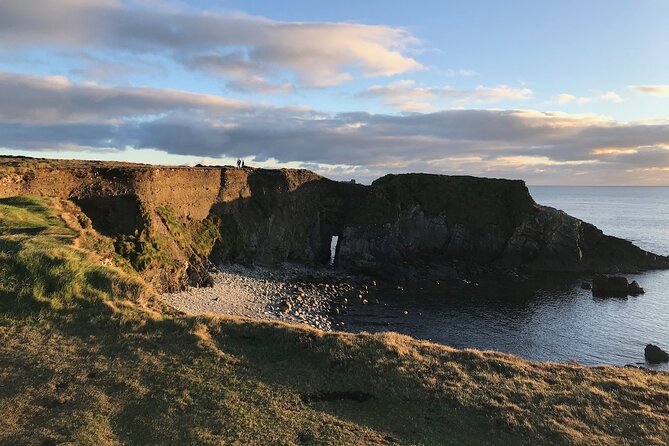
The Wild Atlantic Way can feel like a label until you’re actually walking. Here, you get access to lesser-seen parts of the route in West Cork, which changes the vibe fast. You’re still in the familiar Atlantic-coast world, but the route doesn’t feel like the same photo spot repeated.
This “lesser-seen” feel is partly about the path. It includes smaller named features, and you’ll move through segments where you can still enjoy the sensation of being out on the coast without constant interruptions. The best part is that the guide doesn’t treat it like a standard scenic detour. The stops connect to history, so your attention stays on the place.
Also, the pace helps. Because it’s very easy, you can keep your eyes open for details you might miss on a faster climb. You’re not fighting the schedule, which makes the coastline feel more personal.
Móin Rua heathland and the wild-orchid moment
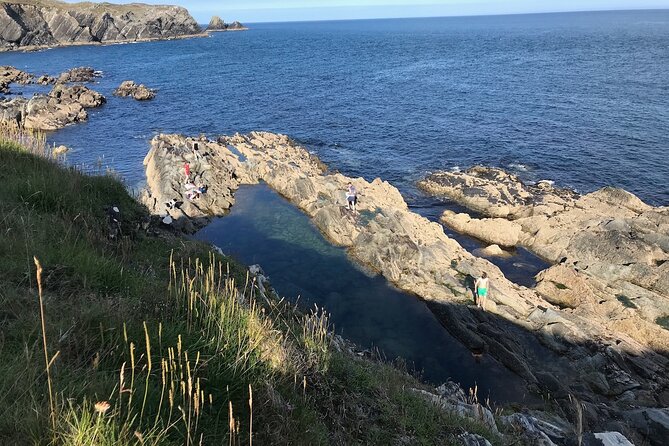
One of the route’s standout natural features is the Móin Rua heathland, famous for wild orchids. Heathland has its own look—open, windswept, and full of character—and walking through it feels different from the dramatic clifftop parts.
In practice, the orchid connection adds a layer of curiosity. You’re not just passing through rough-looking ground; the guide frames it as a known habitat with local recognition. Even if orchids aren’t your thing, the stop is still rewarding because Conor uses it to explain how people read the land.
This is also a good place to slow down mentally. Short stops here help you notice scale: the way the heath spreads, how the coastline air shifts, and how a small change in elevation can make the views expand.
Deserted famine village: a history stop that isn’t just a photo
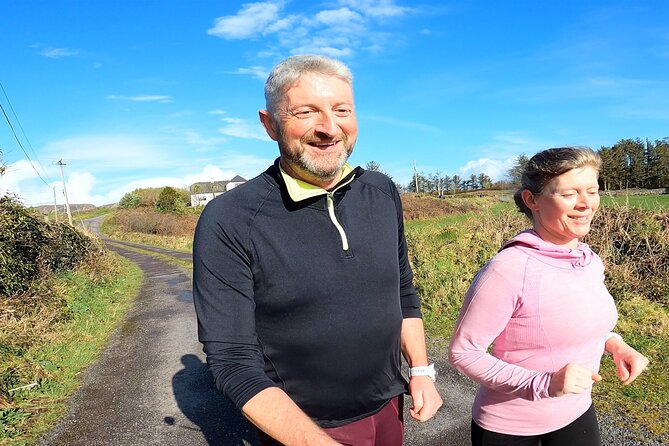
You’ll pass a deserted famine village, and it’s one of those moments that changes the tone of a hike. Clifftop walks often stay light and visual, but this part adds weight. You’re looking at the residue of hard times, and the guide’s stories help you picture what life might have been like.
The value isn’t only the fact that the village exists. It’s that the tour slows down your thinking. You get a break from pure scenery to consider how landscapes hold memories, and how the coast is linked to wider Irish history.
If you’re the kind of traveler who likes meaningful pauses but still wants the day to move forward, this fits perfectly. The stop doesn’t drag, but it does land.
Traigh Liceach beach finish: battlefield stories and WWI submarine activity
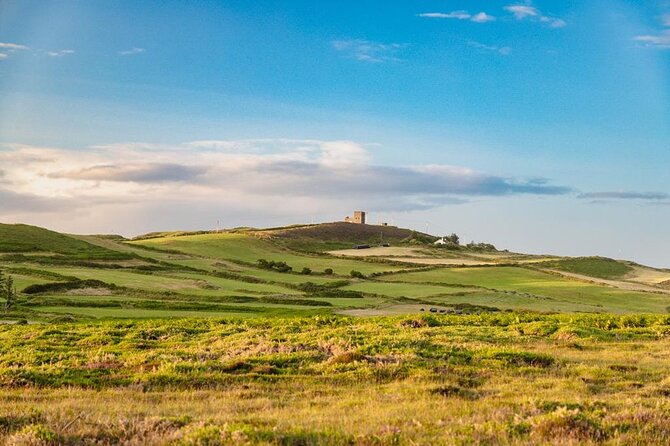
The hike ends with time at Tráigh Liceach on the beach. This isn’t just a scenic landing; it’s also a battlefield, and the tour includes stories about the Battle of Tráigh Liceach. You also hear about WWI submarine activity around this coastline.
This finale works because you’re finishing where the Atlantic makes sense. When you stand on a beach tied to conflict, the historical details feel more grounded than they would miles inland. Conor’s storytelling keeps it clear and connected, so you can follow the thread without needing a textbook.
And yes, you get a proper wrap-up. Reviews mention hot tea and homemade cookies at the end, and that kind of comfort matters after a cool coastal walk. It turns the finish into a small celebration rather than a hurried goodbye.
Price and value: what $60.07 buys you here
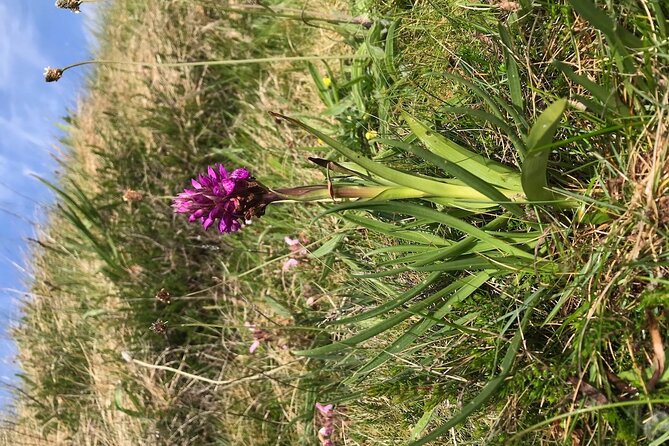
At $60.07 per person for about 2 hours 45 minutes, this hike is priced like a guided experience that includes real extras—not just a basic walk. You get snacks and water provided, and you get Conor’s storytelling plus the small-group format capped at 10.
I think the best value piece is the guide-to-group ratio in practice. In places with popular routes, you can end up watching the backs of other tourists while your guide talks into the wind. Here, you’re close enough to hear the details and ask questions, which is what makes a history-heavy route worth paying for.
Booking timing also matters for value. The hike is typically booked about 53 days in advance on average, which suggests it fills up in advance. If you’re flexible on travel dates, you can still catch spots, but I wouldn’t wait until the last minute.
Who should book this Toe Head clifftop hike
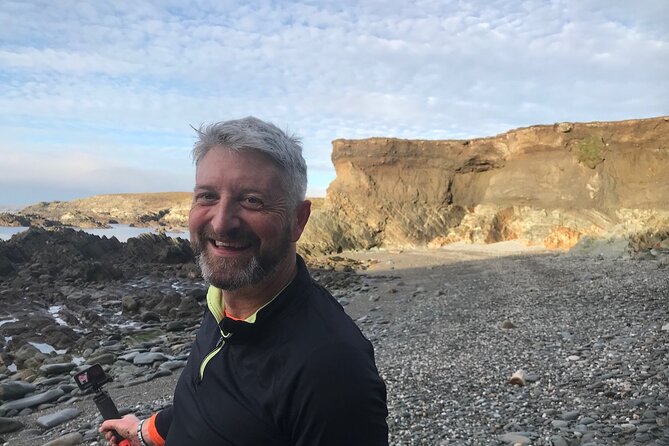
This is a great fit if you want a relaxed, easy hike with genuine history stops and a guide who stays interactive. The moderate fitness level makes it accessible for many walkers who can handle uneven coastal ground without long climbs.
It’s also ideal if you like learning place-lore. The route covers iron-age remains, a deserted famine village, orchid heathland, and coastal warfare stories. If that mix sounds like your kind of day, you’ll probably enjoy how the tour keeps shifting focus.
If you’re traveling with very small kids or someone needing a high degree of step-free access, I can’t confirm suitability beyond the stated moderate fitness level. On a clifftop hike, conditions can vary, so it’s smart to choose this only if you’re comfortable with a walking pace that includes stops and uneven terrain.
Weather, timing, and the one practical risk
This experience requires good weather. If the weather is poor, you’ll be offered a different date or receive a full refund. That’s the main uncertainty to plan around.
Given the start time of 9:00am, you’ll want to be ready early—coastal days can change fast, and a calm start makes everything easier. Wear layers you can manage, and expect that wind and mist can show up even when the forecast looks friendly.
If you tend to hate schedule changes, you might treat this as a “check day” activity. Otherwise, it’s a solid way to use a morning in West Cork.
FAQ
How long is the Toe Head Clifftop Hike?
It runs for about 2 hours 45 minutes (approx.).
How far will we hike?
You’ll hike about 7km at a very easy and fun pace.
What’s the group size?
This hike has a maximum of 10 travelers.
What time does the hike start?
The start time is 9:00am.
Where does the hike start and end?
It starts at the Toe Head Coast Guard Station (Unnamed Rd, Co. Cork, Ireland) and ends back at the meeting point.
Is the tour in English?
Yes, it’s offered in English.
Is there anything provided during the hike?
You’ll be given light snacks and water, and the experience ends with time on the beach.
What happens if the weather is bad?
The hike requires good weather. If it’s canceled due to poor weather, you’ll be offered a different date or a full refund.
Should you book the Toe Head Clifftop Hike?
If you want a coastal walk that feels personal—small group, slow pace, and multiple real stops that connect scenery to Irish history—this is a strong choice. I’d book it for the combo of Móin Rua orchid heathland, the Iron Age promontory fort, and the Traigh Liceach finish with battlefield and WWI submarine stories.
Book it especially if you like guides who answer questions as you go, the kind of day where you learn names of places and why they matter. The only real reason to skip is if you can’t be flexible with weather or you prefer a silent, nonstop walk.