REVIEW · ARUBA
Half Day Hike at Arikok National Park & Snorkel
Book on Viator →Operated by Aruba Nature Adventures · Bookable on Viator
Arikok National Park feels like a hidden world. This half-day small-group hike and snorkel starts with a short stop at the Arikok Visitor Center museum, then moves into volcanic terrain toward the Conchi Natural Pool for a swim, cooling break after real walking. I especially like that the day is structured, not rushed, with enough time to see key spots and still relax at the end.
The main thing I’d flag is effort. This is listed for moderate physical fitness, and the hike can be a bit of a workout, especially if you’re not used to Aruba’s rocky paths. Also, snorkeling timing depends on conditions at the natural pool, so keep expectations flexible.
In This Review
- Key highlights you’ll actually care about
- Starting at the Arikok Visitor Center museum: facts before feet hit trails
- Sero Arikok and the mountain segment: desert views with real animal/plant context
- Conchi Natural Pool snorkeling: the cool-down you’ll plan around
- Moro Beach, Aruba-map rock, and the dune area detour
- Private-tour lunch option: Don Jacinto and the return-to-base rhythm
- Daimari Beach and ranch time: where you slow down
- Pickup, mobile ticket, and how the day flows without chaos
- Price and value: why $115 can make sense for this mix
- Guide quality and pace: how the best leaders change the day
- What to pack and how to set yourself up for Conchi
- Who should book this Aruba half-day hike and snorkel
- Should you book this Arikok hike and snorkel?
- FAQ
- How long is the half-day hike and snorkel?
- What physical fitness level do I need?
- How big is the group?
- What’s included in the $115 price?
- Do I need to tip the guide?
- What happens if weather is bad or I need to cancel?
Key highlights you’ll actually care about
- Museum first: quick context on Aruba’s flora and fauna before you start hiking
- Small group size (max 10): easier pacing and a more personal feel
- Conchi Natural Pool included time: snorkeling gear provided and admission included
- More than one shoreline stop: Moro Beach and dune areas add variety beyond one beach
- Finish at Daimari Beach: free time to chill, with sea grape trees and a coconut farm ranch vibe
- Tour leaders matter: guides like Jorge, Jason, Darrell, Mick, and Iris often bring strong island-specific stories
Starting at the Arikok Visitor Center museum: facts before feet hit trails
Your morning begins at the Arikok National Park area near the Arikok Visitor Center Museum (San Fuego 70, Santa Cruz). Before anyone starts climbing over rocks, you get a short museum visit focused on Aruba’s history, plants, and animals. It’s not a long lecture, and it helps you read the park as you walk instead of just taking photos.
I like this approach because Arikok can feel “dry” at first glance, but the museum context turns it into something more interesting. You’re learning what you’re likely to spot later—cacti, desert-adapted plants, and the kind of animals that live in this environment.
You should also notice the practical side: this start gives everyone a reset point. If you need a bathroom break or want to confirm you have your swimsuit and towel ready for the water stop later, it’s the time to do it.
Sero Arikok and the mountain segment: desert views with real animal/plant context
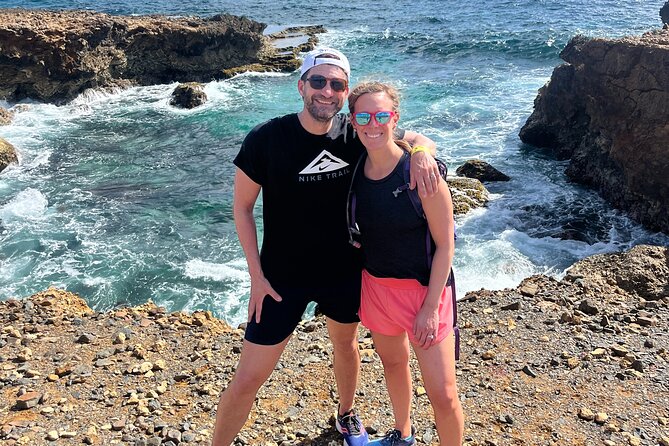
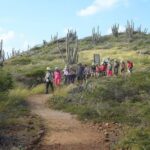
After the museum, the route heads toward Sero Arikok. This is where the day shifts from “indoors explanation” to “outdoor reality,” with viewpoints and desert terrain that feels unmistakably Aruba. The stop for this mountain segment is around 2 hours, and admission is noted as free for this portion.
This is also the section where your guide’s style matters. In real examples, guides such as Jorge, Jason, Darrell, Mick, and Iris have been praised for connecting the physical surroundings to species you can actually see or understand. One guide example even included a close watch for wildlife and small details like edible cactus berries and burrowing owls. You don’t need to be a botanist to appreciate it, but you will feel more confident noticing things as you hike.
A small caution: the trail is not described as a gentle stroll. You’re walking across natural surfaces with uneven ground, so if you’re traveling with knee issues, tell your guide early and ask about pacing. Moderate fitness is the label for a reason.
Conchi Natural Pool snorkeling: the cool-down you’ll plan around
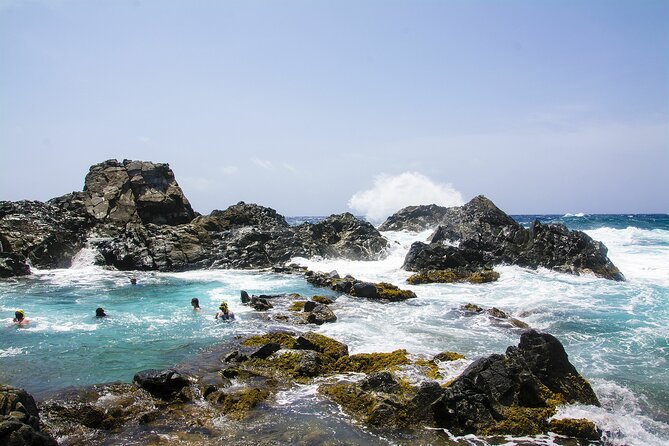
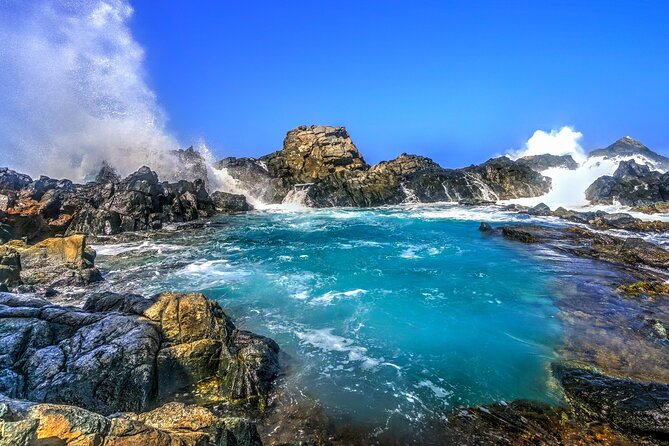
The highlight for most people is Conchi Natural Pool. You reach the pool after the earlier hike segments, and the time there is about 30 minutes, with admission included. Snorkeling equipment is provided, and you’re set up to swim or snorkel right there.
What I like about this stop is that it’s a genuine payoff: after walking through dry, volcanic country, the pool gives you contrast. The rock formations that shape the pool take water and timing and make a natural “circle” where the sea and stone have worked together over thousands of years (exact phrasing varies, but the idea is consistent).
One practical reality: snorkeling may not always be smooth. In at least one documented case, rough waters made snorkeling impossible, even though the guide still led the hike and the day remained worthwhile. So treat the pool as your cooling swim moment first, and snorkeling as a bonus if conditions allow.
If you want the best odds of enjoying it, come ready:
- Wear your swimsuit under your clothes if you can
- Bring a towel (this is specifically advised)
- Expect that saltwater can be a factor, so plan to rinse and dry after
Moro Beach, Aruba-map rock, and the dune area detour
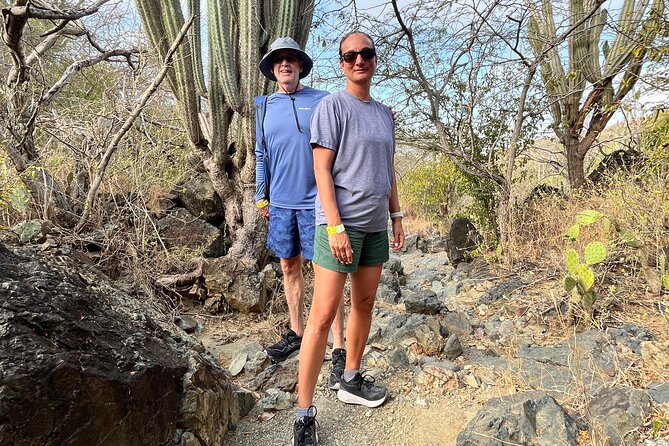
Leaving Conchi, the walk continues toward Moro Beach and the surrounding dune area. Moro Beach is described with a rock formation shaped like Aruba’s map, which sounds silly until you’re standing there seeing the outline in the real environment. It’s a fun “spot it yourself” moment, especially for people who like geologic quirks.
Then you move into a dune area described as a hidden gem inside the park. This is where the scenery changes again. Instead of only pool water and rocky shoreline, you get movement, wind-shaped textures, and a more “off-the-beaten-path” feel than the typical beach day.
The payoff of these extra stops is variety. A lot of island excursions hit one or two big points and call it a day. Here, you’re getting a sequence: museum context, mountain views, volcanic pool time, then shoreline and dune terrain. For a half-day, that’s good coverage without feeling like a sprint.
One tip: bring your phone storage habits into this. You’ll likely want lots of photos, but you’ll also want to watch your footing. If the group moves at a steady pace, you’ll want both hands free when needed.
Private-tour lunch option: Don Jacinto and the return-to-base rhythm
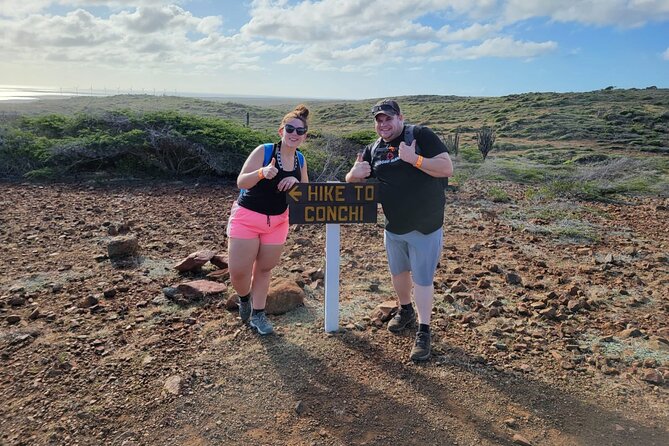
There’s a private-tour option that includes a restaurant stop at Don Jacinto. In that private scenario, after finishing the longer hike through the park, the group returns for a well-earned break at the visitor center, and then heads out for lunch.
The lunch details provided are a two-course meal (soup and main dish) with a refreshing drink. If you choose this add-on, it’s a nice way to turn the hike into a full morning experience instead of ending right at the beach.
If you’re not doing the private option, you likely won’t have the same restaurant timing. Still, the day ends on a beach with free chill time, so you’re not forced into a “then what?” feeling at the end.
Daimari Beach and ranch time: where you slow down
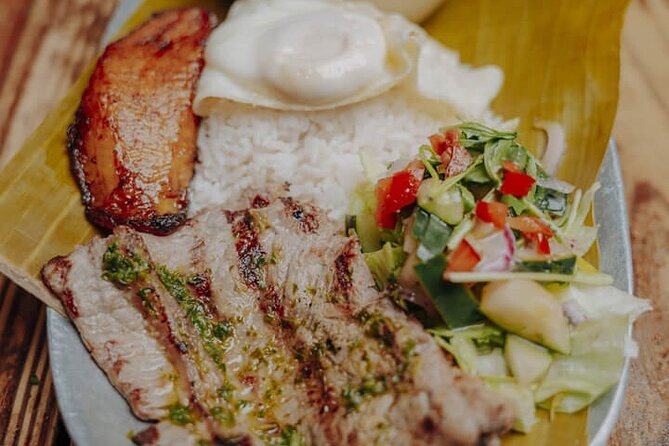
The last main stop is Daimari Beach and ranch. This is where the day shifts from active hiking mode to resting mode. You’re given time to enjoy the coast, with details that include sea grape trees and a coconut farm ranch atmosphere.
I like ending here because it’s not just a random beach stop. The day has been mostly rocks, desert terrain, and volcanic edges, so a final shoreline pause helps your body recover. It also gives you space to process what you saw earlier: you can look back at the park as something real and lived-in, not just a series of photos.
Also, this is the place where you’ll probably notice Aruba’s texture differences again. Sea grapes and coastal trees change the look and feel compared with the inland desert patches. It makes the finish feel like a transition rather than a hard stop.
Pickup, mobile ticket, and how the day flows without chaos
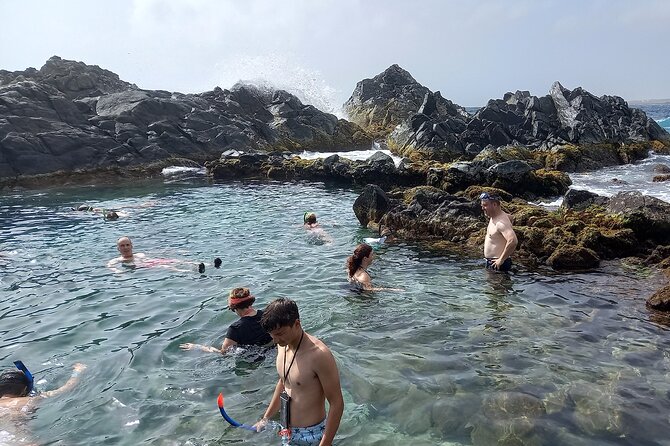
This tour can include hotel pickup, and the start point is at the Arikok National Park area near the Visitor Center. If you prefer fewer steps and less driving around, pickup helps.
At the end, there’s a complimentary transfer back to the Arikok Info Center. If you booked the option with transportation, then transfer to your hotel is included. That matters because Arikok days can leave you tired, and you don’t want your afternoon to turn into figuring out logistics.
The tour also uses a mobile ticket. That’s small, but it reduces friction the day of, especially when you’re hopping from one spot to another in Aruba’s heat.
Price and value: why $115 can make sense for this mix
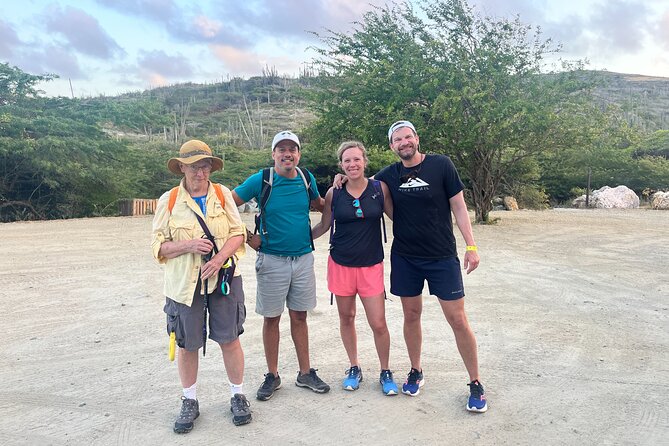
At $115 per person for a 4 to 5 hour experience, the price has to be viewed as a “package,” not a basic hike. Here’s what you’re getting that helps justify it:
- Arikok entrance fee is included
- Snorkeling equipment is included
- Water and fruit are included
- There’s a small-group limit of up to 10, which usually means less waiting and better pacing
- The itinerary is designed around multiple park highlights, not just one viewpoint
Once you add those pieces together, it’s easier to see why this works as value. Many island tours charge extra for entrance fees, gear, or transport, and then you still feel like you paid for time you didn’t use. With this one, you’re paying for a structured day that includes key parts of the park experience.
If you’re considering a cheaper option, be careful about trade-offs. In this case, the snorkeling gear and entrance fee being covered saves time and money, and the small group improves the hike quality.
Guide quality and pace: how the best leaders change the day
What keeps coming up is guide quality. Names show up repeatedly in praise: Jorge, Jason, Darrell, Mick, and Iris. Across those examples, the pattern is consistent: the guides connect the hike to Aruba’s plants, animals, and culture, and they adjust pace so you can actually enjoy the places you’re walking to.
One small detail I really appreciate from real cases: caring attention for specific needs. In one documented example, a guide was vigilant with a type 1 diabetic family member. You don’t need to be worried to start, but it’s comforting to know the leaders treat safety and comfort seriously.
For you, the real benefit is pacing. A half-day hike can feel rushed if the group is large. With a max of 10, it’s more feasible to slow down at the right moments—especially around viewpoints, the pool, and the shoreline stops.
What to pack and how to set yourself up for Conchi
This is a hike plus water stop, so plan like a hybrid day. Based on what’s specifically advised, don’t show up without essentials for getting comfortable at the pool.
Bring:
- A towel (explicitly recommended)
- Your swimsuit under your clothes if you want an easier time at Conchi
- Sun protection (Aruba sun is part of the equation)
- Basic water-and-wind comfort items you prefer for hiking days
Wear footwear that’s steady on uneven surfaces. Even if the guide manages the pace, you’ll still be stepping over natural ground.
Also, expect that weather can play a role. One example mentioned rain showers during the hike, but the day still stayed fun. Aruba weather can shift, so bring a light layer if that matters to you.
Who should book this Aruba half-day hike and snorkel
This tour is best if you want a real Arikok experience without committing to a full day. You get multiple parts of the park—museum, mountain terrain, Conchi pool, then shoreline and dunes—within about 4 to 5 hours.
You’ll enjoy it most if:
- You like hiking that’s more active than a casual walk
- You want to see more than beach scenery
- You’re interested in Aruba’s native plants and animals and how the island works
- You want snorkeling time with gear provided
It may not be your best fit if:
- You’re looking for something fully flat and easy
- You have strong mobility limitations and can’t manage rocky terrain
- You’re only interested in snorkeling above everything else, because water conditions can change what happens at Conchi
Should you book this Arikok hike and snorkel?
I’d book it if your Aruba plan includes both nature and a bit of effort. The mix is strong: museum context, mountain walking, a real natural pool swim/snorkel stop, then a calm finish at Daimari Beach. The price also makes sense for what’s included—park entrance, snorkeling gear, water and fruit, and the small-group structure.
The decision comes down to one thing: your comfort with a moderate hike. If you’re good with that, you’re likely to come away feeling like you saw the Aruba most people don’t get to experience.
If you want, tell me your fitness level and whether snorkeling is a must-do. I can help you decide if this is the best match for your day.
FAQ
How long is the half-day hike and snorkel?
The tour runs about 4 to 5 hours.
What physical fitness level do I need?
The activity is described as suitable for travelers with moderate physical fitness.
How big is the group?
The tour has a maximum of 10 travelers.
What’s included in the $115 price?
Included are water and fruit, use of snorkeling equipment, the Arikok entrance fee, and admission for the Conchi Natural Pool stop. A guide-led experience is included, and private transport and lunch are optional depending on the option you choose.
Do I need to tip the guide?
Tips are not included.
What happens if weather is bad or I need to cancel?
The experience requires good weather. If it’s canceled due to poor weather, you’ll be offered a different date or a full refund. You also can cancel up to 24 hours in advance for a full refund; changes or cancellations closer than that aren’t refunded.