REVIEW · MARRAKECH
Atlas Mountains Hike with Transport from Marrakech (2days)
Book on Viator →Operated by ClimbingToubkal · Bookable on Viator
This is a straightforward way to see Morocco’s High Atlas up close without getting lost in logistics. You start in Marrakech, ride into the Imlil area, then spend two days walking past Berber villages and over mountain passes with lunch stops built into the route. What I really like is the small group size and the fact that a mule carries your extra gear, so the hike feels more like a trip and less like a burden.
My second big win is how much is taken care of for you: transport, accommodation, and meals are included. That means you can focus on the trail, the mountain air, and the simple rhythm of village hospitality, with mint tea and coffee along the way.
One consideration: Day 1 is the steep one, with a climb to Tizi Mzik Pass (2684m) that’s listed as about 6 hours. If you’re only comfortable with easy walking, plan your effort carefully (and keep an eye on altitude and weather).
In This Review
- Key things to know before you hike
- A High Atlas hike that’s built for real walking, not paperwork
- Getting from Marrakech to Imlil via Ghighaya and Asni valleys
- Day 1: Tizi Mzik Pass, lunch with Toubkal views, and Tamsoul village
- Day 1 optional Tasghgimout plateau: worth it if you pace yourself
- Where you sleep: Tizi Oussem village life overnight
- Day 2: Tizi Oudid pass, wild juniper, and walnut-shade lunch
- The mule and gear-carrying: why it changes the whole feel
- Meals, mint tea, and the cook: the comfort layer that makes hikes enjoyable
- Guide-led pacing: local routes and real mountain experience
- Price and value: what you’re really paying for at $186.10
- Who this hike fits best (and who should choose something else)
- What to pack for the passes (so Day 1 doesn’t surprise you)
- Weather can make or break the plan
- Should you book Atlas Mountains Hike with Transport from Marrakech (2 days)?
- FAQ
- FAQ
- What time does the hike start in Marrakech?
- Do you get accommodation during the 2 days?
- Is transportation included to and from the mountains?
- Are meals included?
- Is a mule provided for gear?
- What fitness level do I need?
Key things to know before you hike
- Small group capped at 14 means you actually get help from your local guide when conditions change.
- Mule-supported trekking takes the stress out of carrying food and luggage.
- Two full meals days included plus breakfast, dinner, snacks, and drinks, so you are never scrambling for food.
- Mountain passes built into the route: Tizi Mzik (2684m) on Day 1, Tizi Oudid (2000m) on Day 2.
- Village-to-village hiking through places like Tamsoul(t) and Matat, with a stop near wild juniper trees.
- Flexible optional add-on: if you want extra views, the Tasghgimout plateau extension is mentioned as possible.
A High Atlas hike that’s built for real walking, not paperwork
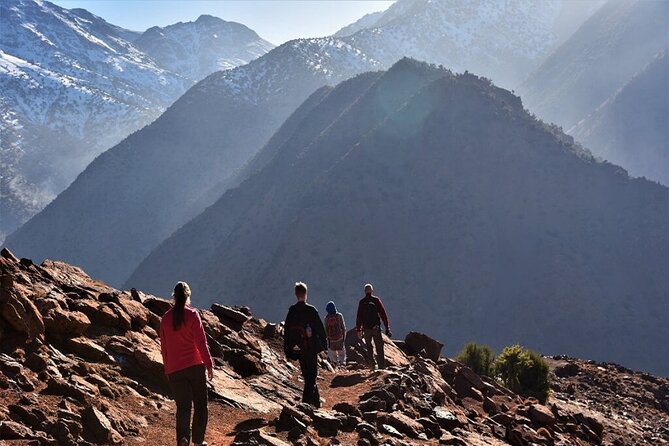
This tour is designed around a simple promise: you’ll be picked up in Marrakech, driven into the Atlas, and guided through a two-day hike with the practical stuff handled. The route is centered in the Imlil/Toubkal region, which is one of the best places to experience mountain life without needing technical climbing skills.
What makes it feel genuine is how it mixes trail time with village time. You’re not just walking to a single point and turning back; you move through valleys, stop for meals where locals would, and get a break from the “constant moving” feeling.
Also, because it’s a small group (max 14), you’re less likely to feel like you’re trapped in a long line of hikers. You get more of that personal, guide-led pace that matters on steep sections and on narrow footpaths.
You can also read our reviews of more hiking tours in Marrakech

Getting from Marrakech to Imlil via Ghighaya and Asni valleys
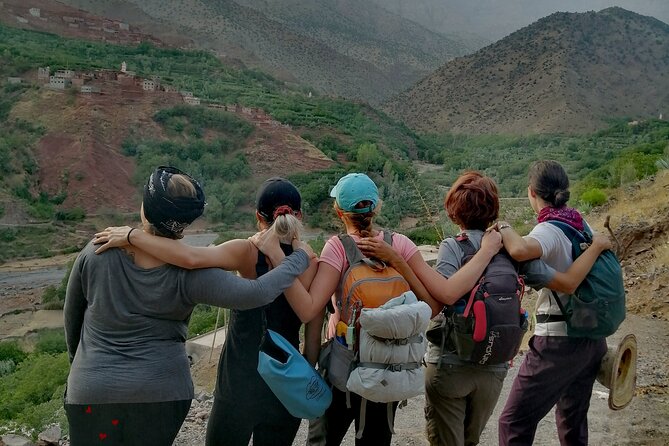
You start at 9:00 am with hotel pickup (or nearby pickup) in Marrakech. Then you ride toward the High Atlas through Ghighaya and Asni valleys, passing mountain villages along the way.
That drive is more than just a transfer. It gives you an early feel for the region’s scale—how quickly the scenery changes from city bustle to stone villages, terraces, and open valley views. When you arrive around the Imlil area, you meet your mountain guide and the muleteer, and the hike becomes real in that moment: boots on, gear sorted, and the group moves together.
If you like tours that reduce friction, this is the right approach. You don’t have to figure out where to park, where to pay, or which dirt road starts the real trail.
Day 1: Tizi Mzik Pass, lunch with Toubkal views, and Tamsoul village
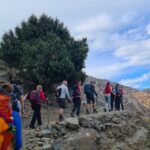
Day 1 is the heart of the trek. After breakfast in Marrakech, you head into the mountains and begin walking for about 6 hours. The climb takes you up to Tizi Mzik Pass (2684m), which is high enough to feel like you’ve clearly moved into high-elevation country.
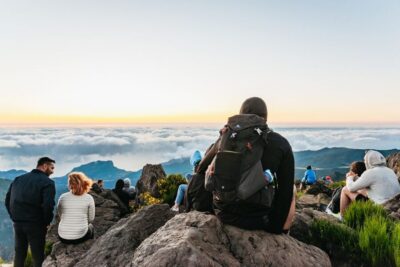
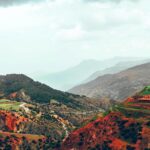
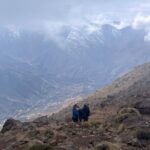
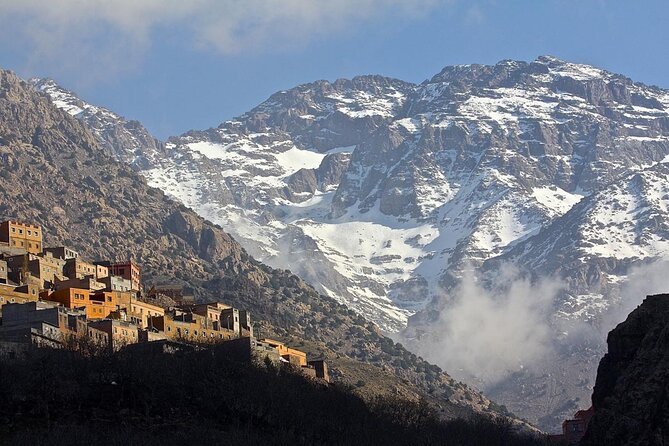
Once you reach the pass, lunch is part of the plan. The viewpoint is the payoff: you stop with spectacular views of the Imlil Valley and Toubkal, the highest peak in North Africa. Even if you don’t stare at peaks for hours, a pass stop like this changes the way the whole valley looks behind you.
There’s also an optional idea if your legs feel good. The route mentions you can extend the walk to Tasghgimout plateau for more panoramic views, including a glimpse toward Mount Toubkal. This is not the “must do” part of the day; it’s for people who want extra time on their feet for extra views.
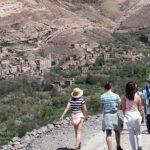
After the pass and lunch, the day continues with a visit to a summer village, listed as Tamsoul. The point of this isn’t a museum stop. It’s a chance to see how seasonal life shapes village placement and how the trail connects to where people live.
Practical note: Day 1 is described as steep but doable by many hikers, so go at a steady pace and don’t race your breathing just because others are moving fast.
Day 1 optional Tasghgimout plateau: worth it if you pace yourself
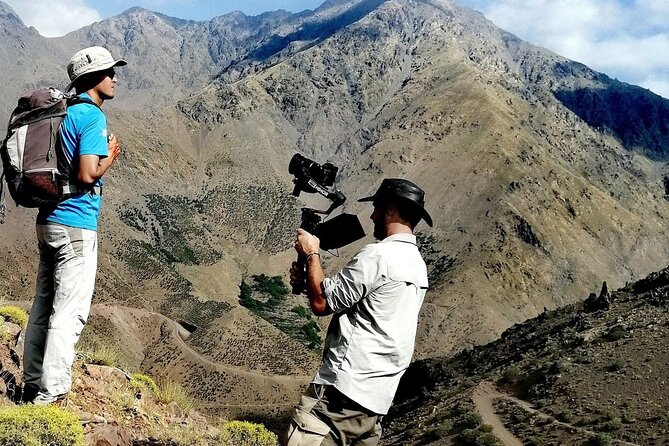
If you’re the type who likes one more viewpoint, the Tasghgimout plateau option is a smart add-on. The tour frames it as optional, which usually means it’s flexible depending on weather and group energy.
The best strategy is simple: treat it like an upgrade to the day’s view, not as a separate “mission.” If the air feels thin or your legs are already tired from the main climb, skip it and save your energy for Day 2’s walking and forest area.
This is also where group size helps. With a max of 14 people, your guide can make the timing feel less rushed, and you’re more likely to get a clear sense of whether you’re on track to do the extra stretch comfortably.
Where you sleep: Tizi Oussem village life overnight
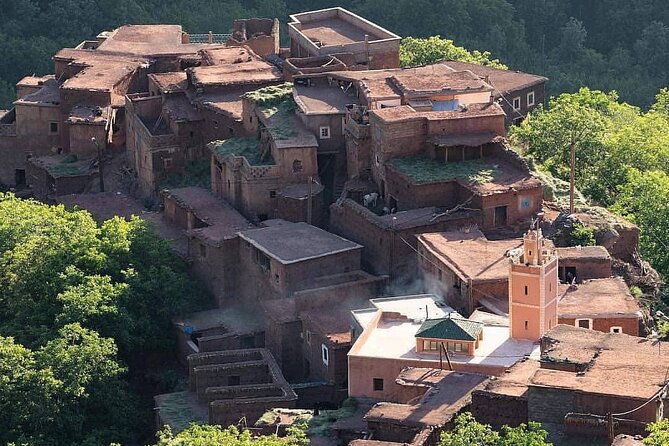
Your overnight stay is in Tizi oussem village. That matters because it breaks the trip into two different hiking moods. You’re not doing a single long day; you’re shifting into a village night where meals and rest are built into the schedule.
The tour includes dinner and breakfast, plus snacks, mint tea, and coffee. This is one of those details that sounds basic until you realize how rare it is to have food handled well on a mountain itinerary. It’s one less thing you have to plan, carry, or worry about.
In the evening (and morning), you’ll get that slow mountain rhythm: fewer screens, more conversation, and a sense that the village is part of the trek, not just a stop for sleep. One review called out the experience of sunbathing with a view over the valley and typical Berber villages the next morning. Whether you sunbathe or not, the idea is that the views start right outside where you stay.
A few more Marrakech tours and experiences worth a look

Day 2: Tizi Oudid pass, wild juniper, and walnut-shade lunch
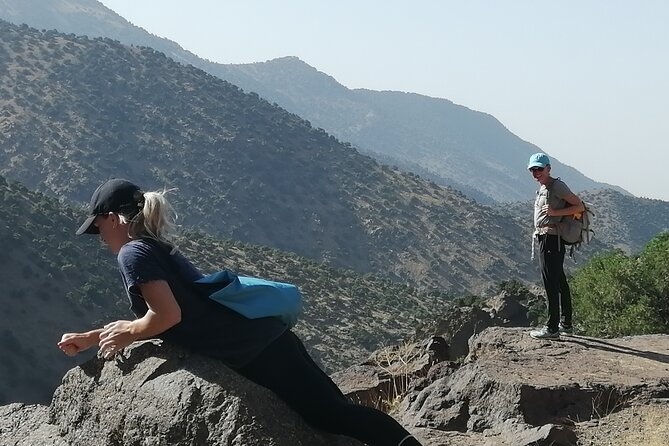
Day 2 begins with breakfast, and the route keeps the focus on varied terrain rather than repeating Day 1’s climb. You leave Tizi Oussem and head toward Id Issa village, then climb to Tizi Oudid pass (2000m).
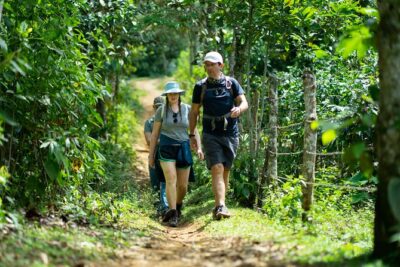
This pass is lower than Day 1, but it’s still real mountain walking. From there, the trail crosses Matat village and continues toward a forest area described as wild juniper trees. This is a nice shift from the big “lookout” moments to something quieter—green shade, slower footing, and a change in how the air feels as you move under trees.
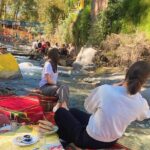
Lunch is planned in a very human way: under the shade of walnut trees, near a river, with a view over the valley. That’s a huge deal for comfort. A shaded lunch stop helps you recover without feeling like you’re melting in the open sun.
After lunch, you rejoin your vehicle toward Marrakech around 16:00. The return timing also helps you keep your evening plans simple—expect a full day and an earlier finish back in the city compared to many multi-day hikes.
The mule and gear-carrying: why it changes the whole feel
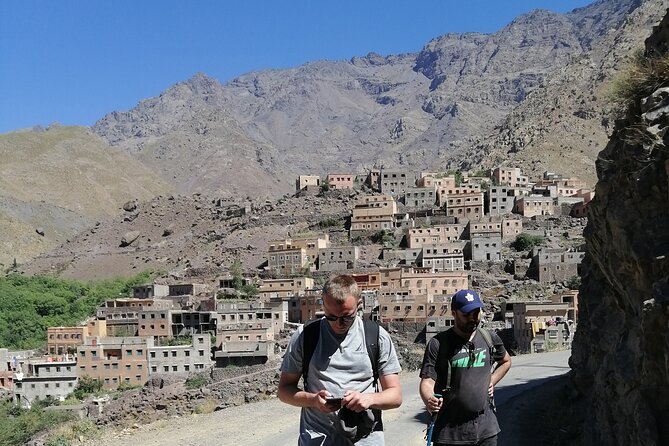
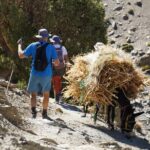
A mule is included for carrying your food and luggage. That is one of the most practical upgrades on this itinerary.
When you don’t carry everything, your hike tends to feel more relaxed even if the walking is still strenuous. You can pack smarter: bring what you need for yourself, and let the mule handle the heavy stuff you’d normally lug.
It also means your day-to-day energy goes toward the trail itself: steady steps, good hydration, and time to take in the valley views when you reach a pass or stop.
If you’re traveling with camera gear, day gear, or extra layers, the mule support lets you bring what you’ll actually use without turning your daypack into a weight test.
Meals, mint tea, and the cook: the comfort layer that makes hikes enjoyable
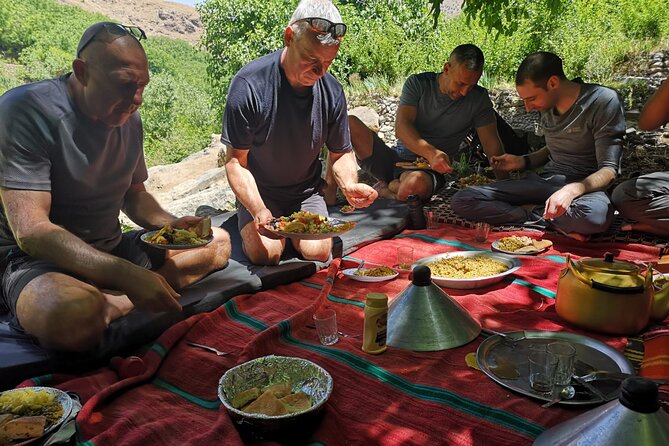
This tour includes a lot of food coverage: dinner, breakfast, snacks, two lunches, and mint tea and coffee. It sounds like a checkbox list until you consider how mountain logistics usually work. Here, you don’t need to hunt down meals or make do with random snacks along the way.
The included cook is mentioned as a standout, and that lines up with what you’d hope for on a two-day hike. When meals taste good and arrive when expected, you’re more likely to keep moving with confidence instead of worrying about energy drops.
Small cultural moments like mint tea also make the day feel complete. It’s not just about fueling up; it’s a chance to pause, warm up (or cool down), and reset before the next stretch.
Guide-led pacing: local routes and real mountain experience
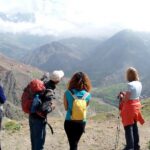
You get a local friendly guide throughout the hikes. The guide’s job isn’t just direction—it’s route selection, timing, and keeping the day realistic based on conditions.
Hassan is one guide name that’s specifically praised. When you see the same name repeatedly with strong feedback, it usually signals consistent leadership and a calm style on the trail—exactly what helps when Day 1 is steep and when passes depend on weather.
Because the itinerary is built around named passes and villages (Tizi Mzik, Tizi Oudid, Imlil area, Tizi Oussem, Matat, Id Issa), you can trust that the route has a plan. Still, keep in mind that mountain conditions can change, so go with your guide’s judgment about pace and timing.
Price and value: what you’re really paying for at $186.10
At $186.10 per person for 2 days, the key question isn’t just the number. It’s what’s included: transport from Marrakech, accommodation in Tizi Oussem, a mule for gear, meals (including lunches and dinner), and a local guide.
For many hiking options, you end up paying separately for one or more of these: a driver, a guide, lodging, meals, or animal support. Here, those parts are bundled, and that usually makes the math feel fair—especially for a small group with a max of 14 people.
Also, the tour mentions that it’s booked on average about 48 days in advance. That’s a good sign for popular timing and probably smoother operations, but you don’t need to plan that far out if your dates are flexible.
Who this hike fits best (and who should choose something else)
This trip calls for moderate physical fitness. Day 1 includes a steep climb to 2684m and a full hiking day around 6 hours. Day 2 continues with a climb to 2000m, plus walking through villages and a juniper forest area.
You’ll enjoy it most if you:
- like guided hikes with clear stops for meals
- want included transport and lodging instead of planning everything yourself
- can handle steep sections without needing a super slow pace
- appreciate authentic village scenery more than summit chasing
You might look for an easier option if you:
- only feel comfortable with short, gentle walks
- get nervous about altitude and steep stairs/paths
- want a trip with zero steep climbing on the first day
What to pack for the passes (so Day 1 doesn’t surprise you)
Even though the tour handles food and gear support, you still need to bring the basics for mountain comfort. Expect temperature swings and uneven paths.
I suggest packing:
- layers for morning and pass-time (it can feel cooler higher up)
- a rain layer or wind layer, since the tour requires good weather
- hiking shoes with grip for rocky trail sections
- water and a small snack stash even though snacks are provided (having an extra helps)
- sunscreen and a hat for the open pass areas
Since there’s an optional plateau extension, extra layers and a comfortable daypack make that choice easier.
Weather can make or break the plan
The tour notes it requires good weather. If conditions are poor, you should expect that your departure could be adjusted or refunded (the policy is described as offering a different date or a full refund).
This matters in the Atlas because pass conditions affect both comfort and safety. If you’re prone to delays or hate schedule changes, keep your travel flexibility in mind.
Should you book Atlas Mountains Hike with Transport from Marrakech (2 days)?
I think this is a strong pick if you want a guided High Atlas experience that’s logistically simple and genuinely focused on walking. The small group size, mule support, and included meals are exactly the combo that makes a two-day trek feel manageable, even when the hiking gets steep.
I’d book it if your priority is the experience of moving through Imlil-area villages, reaching mountain passes like Tizi Mzik and Tizi Oudid, and finishing with a forest-and-river lunch moment under walnut shade. The overnight in Tizi Oussem also helps you feel like you’ve stepped into mountain life rather than just passing through.
If your walking comfort is limited, or if steep climbs make you anxious, consider choosing a gentler itinerary. Day 1 is the one to respect.
FAQ
FAQ
What time does the hike start in Marrakech?
The tour starts at 9:00 am, with pickup from your accommodation or nearby in Marrakech.
Do you get accommodation during the 2 days?
Yes. Accommodation is included for the night in Tizi Oussem village.
Is transportation included to and from the mountains?
Yes. Hotel pick up and drop off in Marrakech are included, and you’re taken back to Marrakech around 16:00 on Day 2.
Are meals included?
Yes. Dinner, breakfast, snacks, mint tea and coffee, and two lunches (including lunch stops on both days) are included.
Is a mule provided for gear?
A mule is included to carry your food and luggage, so you don’t have to carry everything yourself.
What fitness level do I need?
The tour is for travelers with a moderate physical fitness level, with Day 1 described as steeper and about a 6-hour hike to a high pass.