Sanga to Panauti is the kind of hike that starts with a giant landmark and ends in a quiet, temple-filled town. I really like the under-visited route and the fact that you’re hiking ridgelines where the views can open up fast.
What I also enjoy is the cultural thread: you’ll walk with an English-speaking guide who explains Tamang culture along the way and Newari culture when you reach Panauti. The one consideration is the terrain: there’s a short steep climb early on, and some stretches sit over steep drops, so you’ll want sure footing.
Key Things to Know Before You Go
- A guide keeps you on track on a newer trail developed only in recent years
- 10 km, easy-moderate pace with a noticeable uphill start (about half an hour)
- Clear-day views can be excellent, including unobstructed Himalayas
- You’ll finish in Panauti, a small Newar community with Hindu and Buddhist temples
- Lunch is on you, but it’s designed to be a real local meal with a family
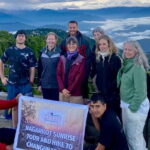
- Group size max 15, which makes it feel personal without going too slow
In This Review
- Why This Sanga to Panauti Hike Feels Off the Main Trail
- Starting in Sanga: Shiva-Statue Hill and the First Climb
- Ridge Walking with Farmland Views and Steep Drops
- Tamang Villages on the Way: Culture You Can Actually Walk Through
- Arriving in Panauti: Newar Temples, Holy Rivers, and Local Lore
- Lunch in Panauti: Eat Local, Then Choose the Women-Run Homestay Option
- Terrain, Timing, and Packing: How to Make This Day Feel Easy-More
- Price and Value: What $65 Really Buys You Here
- Earthquake Damage Notes: Why You Might See Reconstruction
- Should You Book the Sanga to Panauti Day Hike?
- FAQ
- How long is the Sanga to Panauti hike?
- Where do you meet for the hike?
- Is lunch included in the price?
- What’s included in the tour price?
- What cancellation window do I get?
- How hard is the hike?
Why This Sanga to Panauti Hike Feels Off the Main Trail
This is a day hike built around doing something simple, but in a smart way: you get a local guide and you follow a route that many tourists don’t bother with. The Sanga to Panauti trail was developed only a few years ago, so the villages you pass feel lived-in—not stage-managed.
You also get a good “rhythm” for a half-day adventure: start with a quick climb, move into easier walking along ridges, then land in Panauti for temples, local life, and (if you choose) a homestay lunch option run by local women.
At $65 per person for roughly 8 hours with transport and an English-speaking hiking guide, it’s a reasonable value if you care more about experience than ticking boxes.
Starting in Sanga: Shiva-Statue Hill and the First Climb
Your morning begins at Sanga, just outside the eastern edge of the Kathmandu Valley. Locals (and maps) know it mainly because of the tallest statue of Shiva in the world, perched on the hill above you.
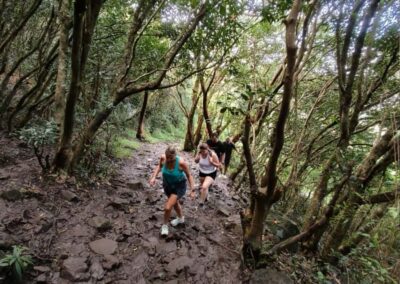
Then comes the first test: a steep ascent for about half an hour. It’s not a long grind, but it is uphill work—exactly the kind of effort that warms you up without turning the entire hike into a leg-burner. If you pace yourself from the start, you’ll reach the top feeling like you earned the rest of the day.
After that, the hike mostly flattens out. This matters because it turns the rest of the trail into a viewing walk, not just a workout. You’ll still get uphill and downhill moments, but the “main energy” goes into that early push.
You can also read our reviews of more hiking tours in Kathmandu
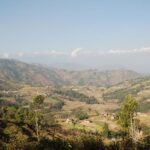
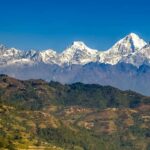
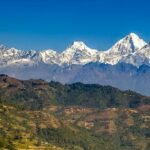
Ridge Walking with Farmland Views and Steep Drops
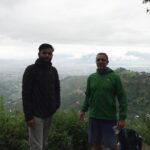
Once you’re past the initial climb, the trail starts doing its best impression of a mountain balcony. You’ll walk along ridgelines with steep drops, which can be intimidating if you hate heights. It’s not described as technical, but it’s the kind of footing where you should stay alert and avoid rushing.
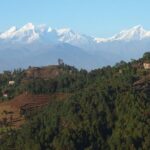
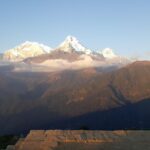
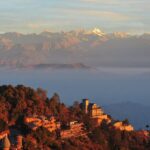
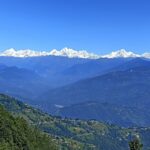
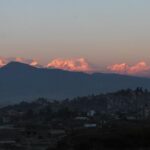
The payoffs are worth it. Expect views of rice fields and farmland, and—on clear days—unobstructed Himalayas. This is one of Nepal’s great hiking rhythms: you gain elevation, then you walk and watch. If the weather is good, the ridgeline section is when the whole day can click into place.
If it’s cloudy, don’t panic. You’ll still have the village scenery and the sense of being on a route that people actually use, not just a viewpoint ladder for tourists.
Tamang Villages on the Way: Culture You Can Actually Walk Through
One of the smartest parts of this hike is the way it’s framed culturally. You’ll hike through places where foreign tourists aren’t a common sight, and your guide connects what you’re seeing with local life—especially Tamang culture as you pass through villages.
Even if you don’t know the history, you’ll likely notice how daily life shapes the trail: where people farm, how communities organize space, and how the route threads through rural Nepal. A good guide turns that from scenery into understanding. That’s the goal here.
Also, the trail being newer helps. Since it hasn’t been overrun, you’re more likely to notice the ordinary details that make villages feel real—houses, fields, paths, and small moments that don’t feel like a photo stop.
Arriving in Panauti: Newar Temples, Holy Rivers, and Local Lore
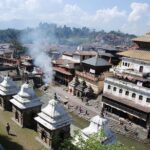
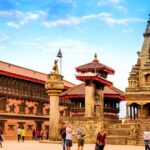
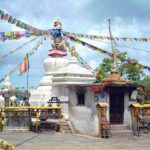
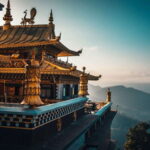
You end in Panauti, a small Newar town surrounded by green hills and holy rivers. Panauti is known as a spiritual place, with both Hindu and Buddhist temples, so the atmosphere shifts from outdoor walking to neighborhood exploration.
There’s also a local folklore story tied to the town: Panauti is described as an offering from a King of Bhaktapur to his sister as a dowry gift. Whether or not you know the background of Bhaktapur, that kind of tale adds texture to the place. It’s not just geography—it’s a community with stories people still repeat.
What I’d plan for is a slower final stretch. You’re not rushing out of the hiking adrenaline. You’re finishing in a town where temples and streets matter, and where your guide can help you understand what you’re looking at, especially the Newari cultural context.
Lunch in Panauti: Eat Local, Then Choose the Women-Run Homestay Option
Lunch is where this trip nudges you from sightseeing into everyday life. The hike includes the idea of buying a Nepali lunch with a local family in Panauti to refuel. Lunch itself isn’t included in the tour price, so you should budget extra for the meal.
If you want an additional option beyond that family lunch, there’s a Panauti Community Homestay lunch available on your own expense. It’s established by local women of Panauti, and it’s presented as a strong example of women-led entrepreneurship in Nepal.
I like this structure because it gives you a choice:
- Go with the included-style lunch with a local family as your simple, guided cultural meal.
- Or, if you want a more community-driven homestay experience, consider the women-run option.
Either way, you’re eating where the town eats, not where a tour bus needs to park.

Terrain, Timing, and Packing: How to Make This Day Feel Easy-More
This hike runs about 8 hours total, which is long enough to feel like a full day, but not so long that you’ll be wrecked by afternoon. The route is described as easy-moderate and 6.2 miles (10 kilometers).
Here’s how I’d think about it:
- Early hill effort: about half an hour steep ascent. This is your main work.
- Middle ridgeline walking: mostly easier, but with steep drop-offs. Go slow and keep your eyes on your feet.
- Finish in town: expect some walking around Panauti after you arrive.
What to pack (practical and simple):
- Good walking shoes with grip (ridgelines over steep drops mean you want traction)
- A light rain layer or wind layer, because weather can change around Kathmandu Valley ridges
- Water and snacks if you tend to get hungry between meals
- Sun protection for the exposed ridgeline sections
The tour notes a moderate fitness level. If you can handle a steady uphill for 30 minutes and you’re comfortable walking on uneven paths, you’re in the right zone.
Price and Value: What $65 Really Buys You Here
At $65 per person, you’re not just paying for a track on a map. You’re paying for several things that add up:
- Transportation from Kathmandu to Sanga and from Panauti back toward Kathmandu
- An English-speaking hiking guide
- A small-group setting (maximum 15 travelers)
- A guided route through villages that are not commonly visited by tourists
The “hidden” value is the combination: guide + under-visited trail + cultural context + a finish in a town you can actually explore. Without a guide, you might still hike it—but it would take more effort to find the right route and make sense of what you’re passing.
What’s not included (so you don’t get surprised):
- Lunch (you’ll buy it in Panauti)
- Alcoholic drinks
- Hotel pickup and drop-off as a door-to-door service (you should meet at the operator’s meeting point)
If you’re the type who likes hikes that feel local, not touristy, this price feels fair for what you get.
Earthquake Damage Notes: Why You Might See Reconstruction
The tour information flags that some sites visited experienced significant damage during the earthquakes in April and May 2015. That doesn’t mean the hike is unsafe or canceled—it’s more a heads-up that you may see repairs, changes, or remnants where structures were affected.
For you as a hiker, the key takeaway is mindset: you’re walking through a real place still responding to real-world events. If you keep that perspective, you’ll likely appreciate what you see even more.
Should You Book the Sanga to Panauti Day Hike?
Book it if you want:
- A small-group day hike with a real guide, not just a route file
- An under-visited trail through villages where you’re not constantly dodging other tour groups
- A balanced day: ridge views first, then a culturally rich finish in Panauti
- A chance to eat local in a Newar town and optionally support a women-run homestay lunch experience
Skip it (or choose a different hike) if you:
- Hate heights or feel uncomfortable on paths with steep drops
- Want an entirely flat walk with zero uphill early effort
- Prefer meals and logistics to be totally included without any extra spending
FAQ
How long is the Sanga to Panauti hike?
It’s about 8 hours total, which includes the hiking time plus the day’s transfers between Kathmandu and the trail start/end.
Where do you meet for the hike?
The start is at Royal Mountain Travel, Lal Durbar Marg, Kathmandu 44601. The activity ends back at the meeting point.
Is lunch included in the price?
Lunch is not included. You’ll have the chance to purchase a Nepali lunch in Panauti with a local family.
What’s included in the tour price?
You get transportation from Kathmandu to Sanga, transportation from Panauti to Kathmandu, and an English-speaking hiking guide. A mobile ticket is used.
What cancellation window do I get?
Free cancellation is available up to 24 hours before the experience starts for a full refund.
How hard is the hike?
It’s described as an easy-moderate 10-kilometer hike. There’s a steep ascent at the start for about half an hour, and some parts run along ridgelines with steep drops, so moderate fitness and careful footing help.
If you tell me your hiking comfort level (especially with steps/steep drop-offs) and the month you’re going, I can help you judge how likely you are to get clear Himalaya views and what time of day to prioritize photos.