REVIEW · MOKA MAURITIUS
Mauritius: Le Pouce Guided Hiking Experience with a local
Book on GetYourGuide →Operated by Lets Go Far · Bookable on GetYourGuide
Sunrise on a mountain feels different. A guided trek up Le Pouce in Mauritius mixes fresh air, local stories from Moka, and 360° views that reach over Port Louis and the northern islets.
I love the way the hike stays human-scale, with a small group capped at 10, and I also love the guide-led stops for photos and context as you climb through endemic flora. The only real consideration: the route is moderately challenging and can get slick, so you’ll want proper shoes and a steady head.
In This Review
- Key things to know before you go
- Le Pouce Is Short Time, Big Views
- Meeting Point, Timing, and What the 3 Hours Really Mean
- Moka Village: The Part Many People Forget to Value
- The Climb: Endemic Flora, Fresh Air, and Built-In Breaks
- Summit Time: 812 Meters and 360° Vistas You Can Photograph
- When Conditions Turn: Slick Rocks and Safety That Feels Real
- The Guide Factor: Local Stories You’ll Actually Remember
- What’s Included vs What You Must Plan
- What to Bring (So You Don’t Hate Your Own Shoes)
- Who This Hike Fits Best (and Who Should Skip It)
- Value: Is $55 a Good Deal for a 3-Hour Mountain Guide?
- Should You Book the Le Pouce Guided Hiking Experience?
- FAQ
- How long is the Le Pouce guided hiking experience?
- Where do we meet for the hike?
- How much does the tour cost?
- Is the hike guided in English or French?
- How difficult is the hike?
- What should I bring?
- Does the price include transportation or food?
- Is pickup available from hotels?
- Who is this hike not suitable for?
Key things to know before you go
- Moka village start: your guide explains local and colonial-era context before the climb
- Panoramic summit payoff: sweeping views over Port Louis, Pieter Both, and the northern islets
- Endemic plants and possible wildlife: you’ll learn what to look for along the trail
- A relaxed pace with breaks: rest, photos, and water stops keep it manageable
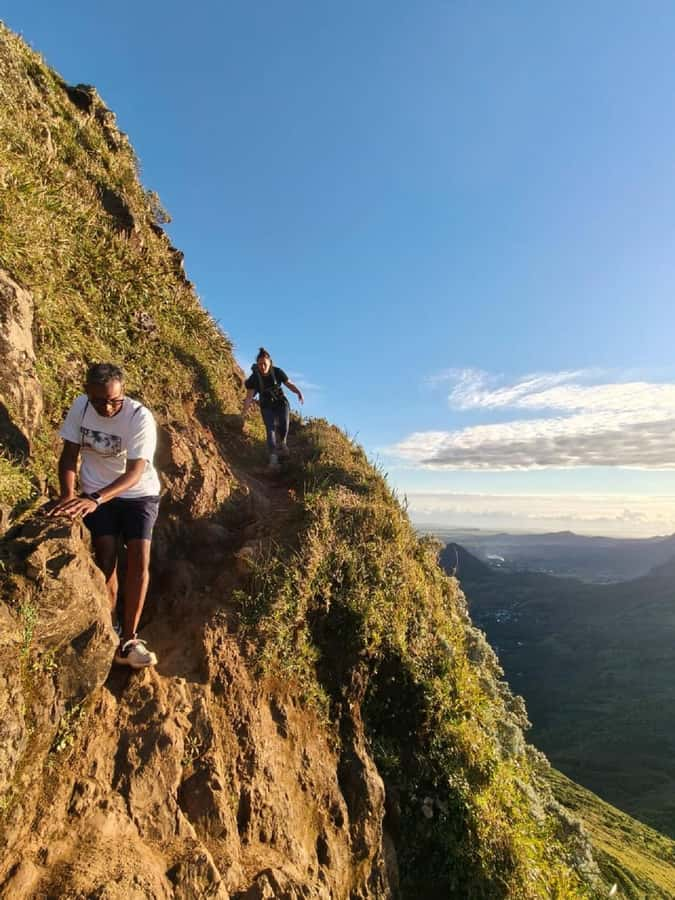
- Local guidance on tricky ground: guides help you feel safer on risky steps (especially after rain)
Le Pouce Is Short Time, Big Views
A hike to Le Pouce is the kind of activity that changes how you see Mauritius. Instead of looking at the island from sea level, you’re up at 812 meters, with your eyes scanning over Port Louis, Pieter Both, and the northern islets. Even if you only have a few hours, the height makes the views feel like you’ve reached a different chapter of the island.
I like that the experience is built for real people, not hardcore athletes. You’ve got a moderate climb, but you also have pauses for water, rest, and photos, so you’re not constantly racing the clock. And because the summit is a natural lookout, you can stop whenever the scenery grabs you.
That brings me to a key detail: the final stretch matters. The climb ends with the kind of viewpoint that sticks in your memory, but you’ll want to handle uneven steps with focus. If you go in with sturdy hiking shoes and a calm pace, it feels like a rewarding challenge instead of a stress test.
Meeting Point, Timing, and What the 3 Hours Really Mean
The tour meets at the Le Pouce Start Point. You’ll want to arrive on time, because starting late can squeeze the schedule fast on a mountain.
The duration is 3 hours, which tells you the format: this is not a long trek day. It’s a guided “get up there, enjoy the viewpoints, then come back” experience with enough time to appreciate the route. Practically, that means you’re hiking steadily, with breaks that don’t turn the hike into an all-day wandering event.
If you’re aiming for sunrise or sunset, plan your day around the light. Sunrise and sunset hiking tends to mean cooler temperatures and dramatic skies, and the summit views become your reward. If clouds roll in, you might still get great scenery, but the real question becomes visibility—so bring a backup mindset if the weather looks moody.
Moka Village: The Part Many People Forget to Value
Before you start the climb, you begin around historic Moka village. This early portion is more than a warm-up. Your guide shares insights into the region’s cultural and colonial history, which gives the hike context while you’re still close to the start.
Why this matters: mountain hikes can easily become just steps and sweat. Starting with background makes the trail feel connected to the island, not just a random exercise path. You’ll understand why locals talk about these slopes the way they do, and you’ll be primed to notice details as you ascend.
It also sets the tone for the guide’s role. This is a guided experience, and the guide’s job isn’t only to lead you forward. They’re there to help you read the environment—plants, terrain, and stories—while keeping the pace comfortable.
The Climb: Endemic Flora, Fresh Air, and Built-In Breaks
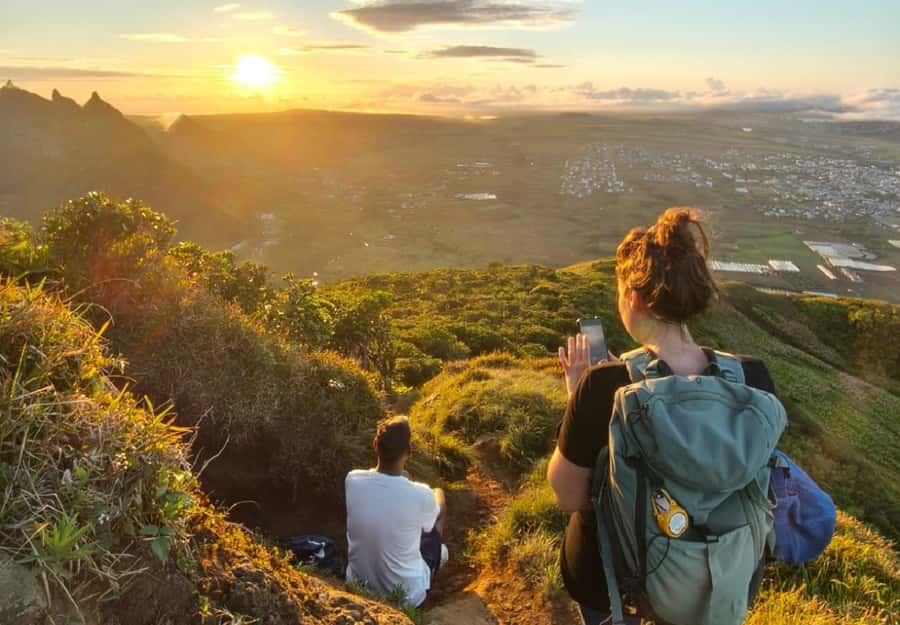
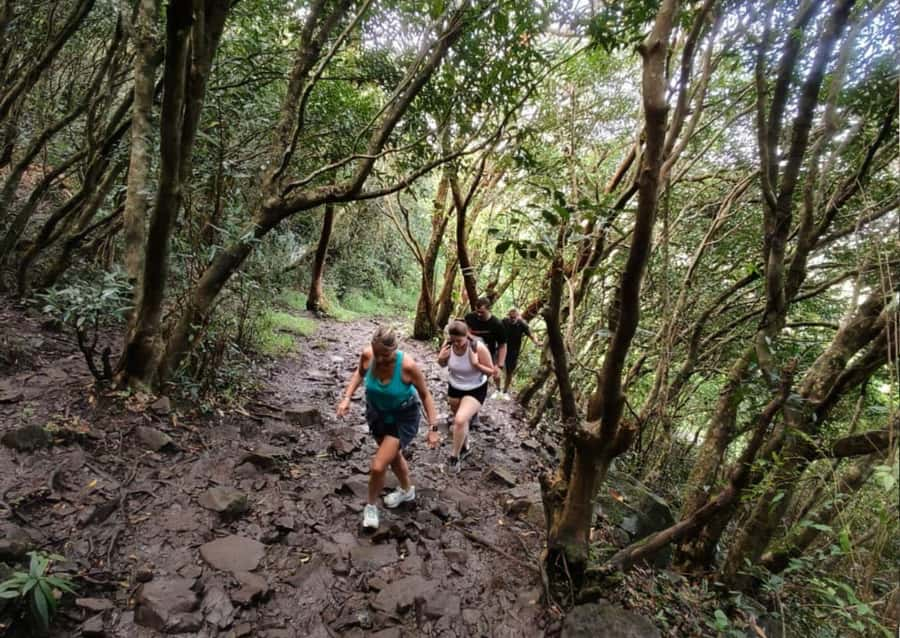
Once you’re moving uphill, the setting changes quickly. You breathe fresher mountain air and pass through lush vegetation along scenic trails. You’ll learn about endemic flora and may even spot local wildlife, depending on what’s active that day.
The guide also fills the quieter moments with geography, legends tied to the mountain, and environmental preservation efforts. That storytelling can be a genuine part of the experience rather than background chatter. It helps you look at the mountain like a living place with a human narrative, not only a viewpoint.
The pace is relaxed for a reason. There are planned pauses for rest, photos, and water. Those pauses are useful even if you’re fit, because the terrain can turn uneven without warning. I like that the tour is described as suitable for most fitness levels while still acknowledging it’s moderately challenging. That balance usually means you won’t get left behind, but you also won’t feel like it’s a free ride.
Summit Time: 812 Meters and 360° Vistas You Can Photograph
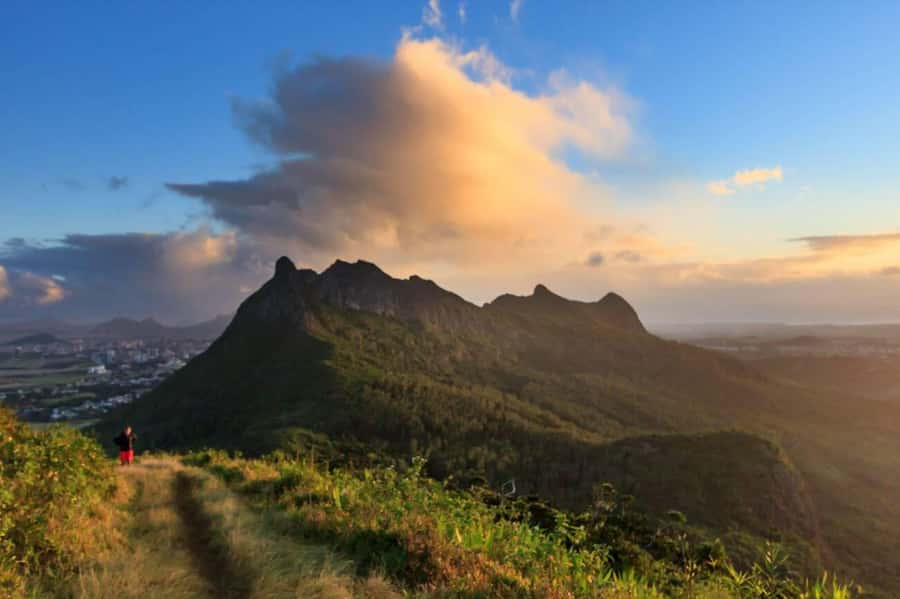
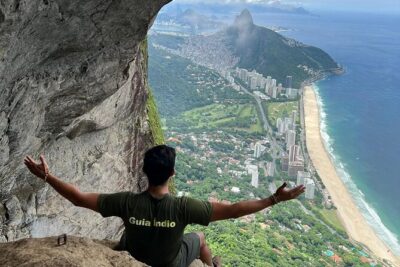
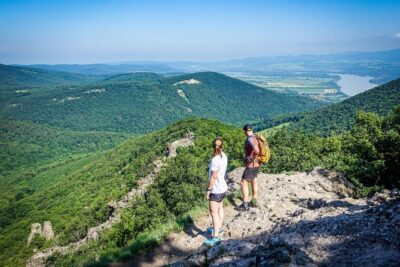
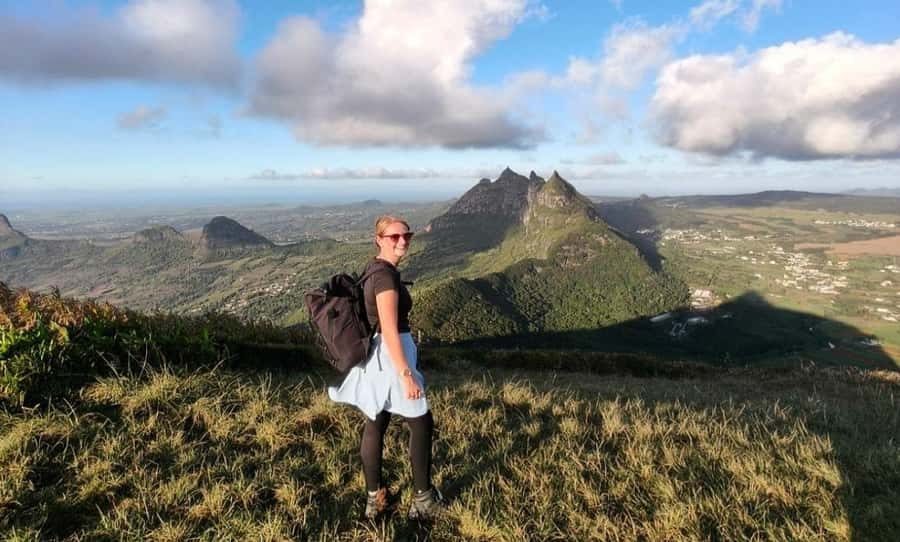
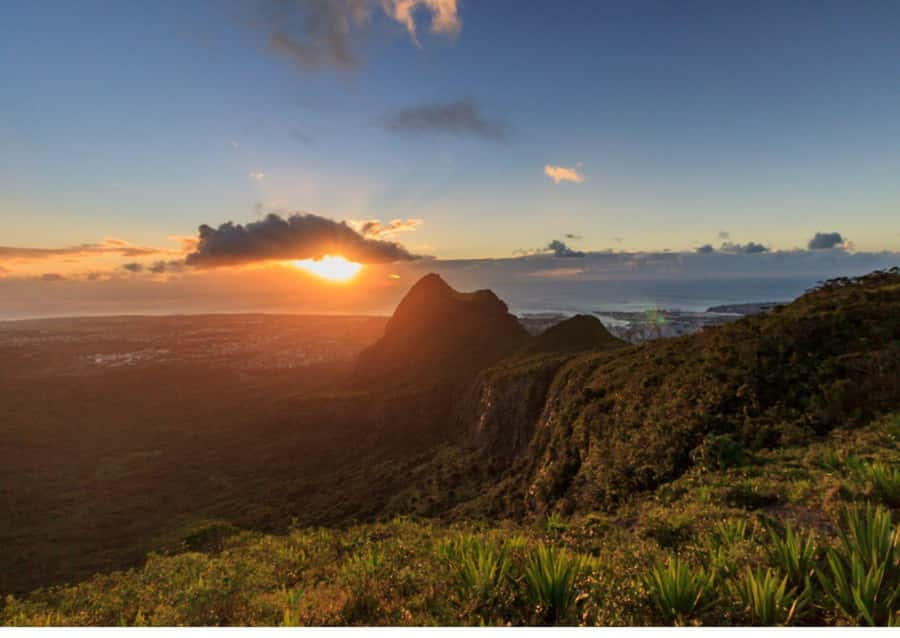
The payoff is at the top. Le Pouce is 812 meters high, and from the summit you get sweeping 360° views of Port Louis, Pieter Both, and the northern islets. This is the part where the hike earns its reputation.
For photography, this is a practical setup. You’re high enough to see far, and the summit viewpoint gives multiple directions to shoot in a single place. If you’re the kind of person who thinks about composition, you’ll love being able to frame the city and coastline from one spot. If you’re not, you’ll still get that wow moment when the island opens up around you.
Also, guides generally know when to pause for the best angle. On some hikes, the group gets enough time to capture photos without feeling rushed. That matters, because summit time can turn into a sprint if you’re not guided.
When Conditions Turn: Slick Rocks and Safety That Feels Real
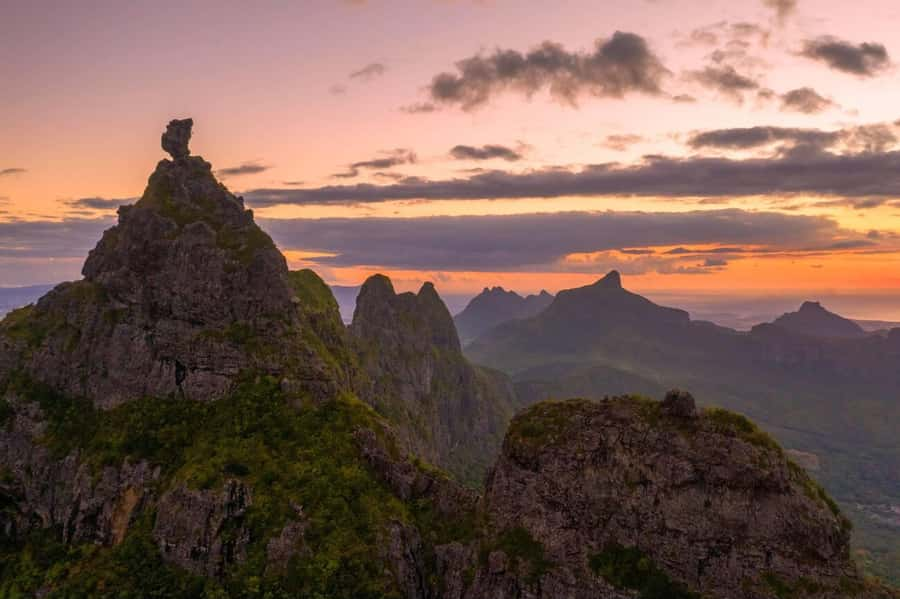
Even the best hike can get tougher in rain or humidity. One of the most praised parts of this experience is how the guide manages tricky footing and risk spots.
In particular, people highlight that guides take their time on slippery sections and help you feel confident during passes that might look sketchy. If the terrain is wet, the final stretch can involve rocks and mud, and a steady hand from the guide makes the difference between careful and cautious.
You also get the benefit of group control. The experience is kept small (up to 10 participants), and on some days people mention having two guides working together for extra attention, especially when kids were in the group. That kind of setup can help when someone needs extra guidance on a difficult step.
My advice: treat this like a hike, not a photo walk. Wear shoes with grip, keep your weight centered, and don’t rush the risky spots. You’ll enjoy the viewpoints more when you’re not busy worrying about your footing.
The Guide Factor: Local Stories You’ll Actually Remember
The guide is a core part of why this hike feels more meaningful than a simple route. People mention guides who were fun and entertaining, taking short pauses when needed. Others emphasize how the guide helps you move confidently through challenging sections and keeps the mood relaxed.
In the guide lineup, names like Ananas and Bore come up, as well as Deny. The key takeaway isn’t the name—it’s the way the guides work: they check on safety, adapt to conditions, and keep you moving at a realistic pace.
You also benefit from the guide’s local explanations, like environmental preservation efforts tied to the region. When you learn what you’re looking at—endemic plants, mountain legends, and the island’s geography—you’re less likely to forget the experience when you get back to beach mode.
What’s Included vs What You Must Plan
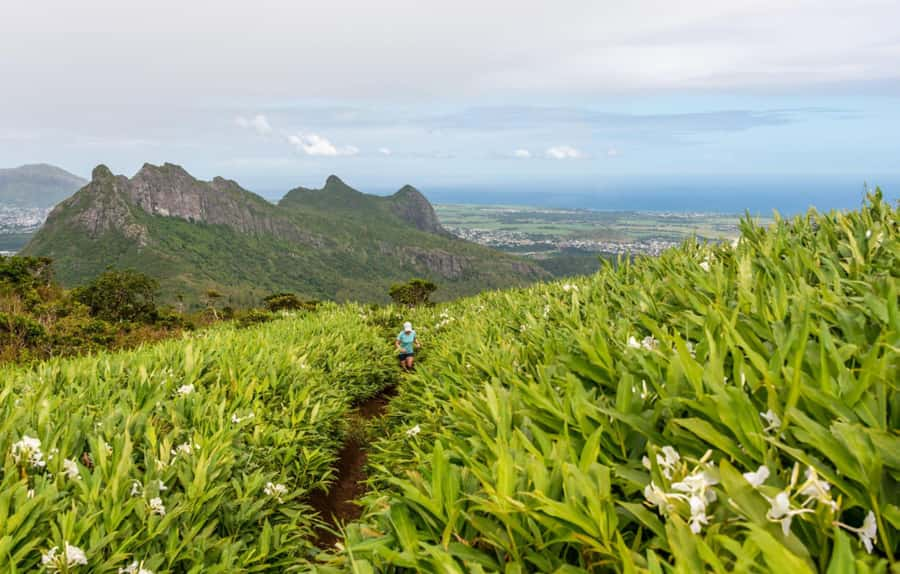
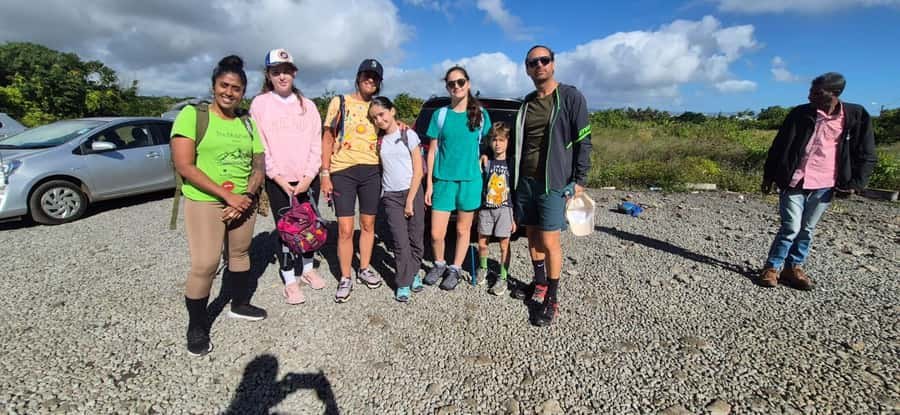
The experience includes the guided hike to Le Pouce, a local guide, and scenic views. That’s it. No food is included, and no drinks are included.
Practically, you should plan your water and snack strategy on your own. The tour includes water pauses, but you still want to arrive prepared. Since food and drinks aren’t part of the package, it’s smart to eat beforehand and keep your energy steady so you don’t feel depleted on the climb.
Transportation to Moka village is not included, but hotel pickup and drop-off can be available within a limited range if you confirm in advance. If you’re staying farther out, you’ll likely need to sort your own way to the meeting point at the Le Pouce Start Point.
Group size is small (up to 10), and the guide speaks English and French. That’s helpful for mixed-language groups because you won’t feel like you’re missing the story.
What to Bring (So You Don’t Hate Your Own Shoes)
Bring the practical items that help on a mountain path:
- Hat
- Camera
- Hiking shoes
- Sunscreen
- Water
If you’ve got one extra item to consider, it’s something for changing conditions—like a light layer you can handle if the air cools near the summit. The tour is only 3 hours, so you don’t need a camping loadout. You do need grip, sun protection, and hydration.
Also, review the rules: no intoxication, no alcohol or drugs, no littering, no fireworks, no touching animals, and no making fire. These are basic environmental and safety rules, and it’s easier if everyone follows them from the start.
Who This Hike Fits Best (and Who Should Skip It)
This is a moderately challenging hike with a final stretch that rewards you with panoramic views. It’s described as suitable for most fitness levels, but not everyone should sign up.
It’s not suitable for:
- Pregnant women
- People with mobility impairments
- People with vertigo
- People with low level of fitness
If any of those apply, this isn’t a “try anyway” scenario. The goal is enjoyable views with safe footing, not pushing past limitations for a photo.
Best fit:
- You want a change from beach days
- You like guided context and local stories
- You can walk uphill for a few hours and handle uneven ground
- You enjoy sunrise or sunset scenery and want real viewpoint time
Value: Is $55 a Good Deal for a 3-Hour Mountain Guide?
At $55 per person for a 3-hour guided hike, you’re paying for three things: the local guide, the structured route to a known high point, and access to the viewpoint payoff without figuring it out yourself.
Is it expensive? It depends on your travel style. If you hate paying for guides, it might feel steep. If you like getting value from local knowledge and having help on tricky terrain, $55 starts to make sense quickly.
Here’s the practical value equation I use:
- The summit views are the main reason people choose this hike, and you’re paying to get there safely and efficiently.
- The guide adds layers—history context around Moka, legends, endemic flora info, and environmental preservation stories.
- Small group size keeps the experience more personal, which is especially useful when the ground is slippery.
If you want an authentic Mauritius experience beyond beaches and you’ll actually use the guide’s expertise, this price often feels fair.
Should You Book the Le Pouce Guided Hiking Experience?
If you’re looking for a short, high-impact day that trades sand for altitude, I’d book it. The combination of 812-meter summit views, endemic plant and wildlife spotting potential, and a guide who helps with safety on risky sections makes it a smart use of limited time.
Skip it if you’re dealing with vertigo, mobility limits, pregnancy, or low fitness. Also, be honest about your shoe grip and comfort on uneven ground. This hike can be very doable, but it isn’t a casual stroll.
If your schedule can handle it, aim for sunrise or sunset timing for the best atmosphere and photo light. You’ll still enjoy the climb even on overcast days, but visibility affects how dramatic the panorama feels.
FAQ
How long is the Le Pouce guided hiking experience?
It lasts 3 hours.
Where do we meet for the hike?
The meeting point is Le Pouce Start Point.
How much does the tour cost?
The price is $55 per person.
Is the hike guided in English or French?
Yes. The live guide is available in English and French.
How difficult is the hike?
The hike is moderately challenging and includes a final stretch with panoramic views. It’s suitable for most fitness levels, but not for people with low fitness.
What should I bring?
Bring a hat, camera, hiking shoes, sunscreen, and water.
Does the price include transportation or food?
No. Transportation to Moka village and food and drinks are not included.
Is pickup available from hotels?
Hotel pickup and drop-off are available within a limited range, if you confirm with the provider before booking.
Who is this hike not suitable for?
It is not suitable for pregnant women, people with mobility impairments, people with vertigo, or people with low level of fitness.