REVIEW · ARUSHA
6 Days: Hiking Kilimanjaro via Machame Route
Book on Viator →Operated by Mountain Warriors Tours and Safaris · Bookable on Viator
Kilimanjaro tests you in every way. This Machame Route trip moves from rainforest to alpine desert and ends with a cold summit night, and I like that it includes the heavy stuff like all meals and park/rescue fees. One thing to weigh carefully: the schedule is demanding and you start the summit climb around midnight at high altitude.
What really makes this work is the people running it. Gasto and the Mountain Warriors team keep the vibe supportive, with lots of encouragement when conditions get rough, and the crew spirit can feel like a small family on the move.
If you’re choosing this, know what you’re signing up for physically. This is listed for people with moderate physical fitness, but Machame has steep passages and higher altitudes, so you’ll want to train and pace yourself.
In This Review
- Key things that make this Kilimanjaro climb click
- Machame Route: what you’re actually hiking toward
- Day-by-day: from Shira Cathedral to Uhuru Peak
- Day 1: Kilimanjaro National Park and Shira Cathedral to Machame Camp
- Day 2: Heather ridges and a river gorge to Shira Hut Camp
- Day 3: Lava Tower direction, alpine desert feel, Barranco Valley to Barranco Camp
- Day 4: The Barranco Wall, Karanga Valley lunch, then Barafu Camp
- Day 5: Midnight start, Stella Point, Uhuru Peak, and down to Mweka
- Day 6: Rainforest descent to Mweka Gate and certificate moment
- Guides and crew: why encouragement is part of the value
- Camps, tents, meals, and purified water
- Price and what you’re really paying for ($1,950 per person)
- Fitness reality check and how to train for Machame
- What to pack (since gear is not included)
- Who this Kilimanjaro climb is best for
- Should you book Mountain Warriors for Machame?
- FAQ
- What time does the climb start?
- Where does the trip begin and how do you get to the trail?
- Is the trip private or shared with other groups?
- Are meals included during the hike?
- What costs are not included in the price?
- Is there a cancellation window for a refund?
Key things that make this Kilimanjaro climb click
- Machame’s route variety: rainforest, heather ridges, Barranco’s plants, then the alpine desert feel before the summit push
- A real midnight summit program: hot tea and light snacks before the dark hike up Kibo
- Camping setup and comforts: private, waterproof mountain tents plus mess tents with table and chairs
- Guides that run the details: strong day-to-day support and encouragement on summit night
- Meals and purified water: all meals on the mountain with clean drinking water to keep you steady
- A private climb with just your group: your trip stays focused rather than mixed with strangers
Machame Route: what you’re actually hiking toward
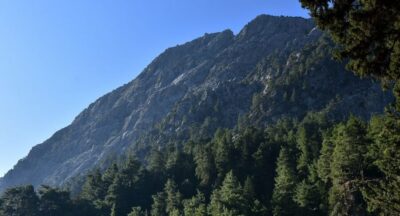
The Machame route is one of Kilimanjaro’s best-known ways up for a reason: it climbs in steps that let you see the mountain changing. On this route, the vegetation shifts as altitude rises, starting with lush rainforest where colobus monkeys may watch you as you walk, then moving into moorland and heather, and later into an alpine-desert feel.
This is also a route with steep sections and higher altitude time built into the plan. That means your fitness and mental strength matter as much as your lungs. If you like a challenge but want it organized, Machame is a good fit because the day-by-day progression builds you toward the summit without turning the trip into one long grind from start to finish.
One more thing I like about this style of climb: you get occasional views of big Kilimanjaro landmarks along the way, including Mount Meru, Shira Ridge, and the Kibo summit zone when the weather cooperates. You can’t control the clouds, but the route gives you chances.
Day-by-day: from Shira Cathedral to Uhuru Peak
You’ll start in Arusha, and the climb begins with a transfer to Kilimanjaro National Park and up toward the first walking days. Start time is listed as 7:30 am, and that early start helps you make the most of the daylight and the changing conditions.
Day 1: Kilimanjaro National Park and Shira Cathedral to Machame Camp
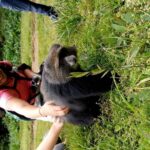
On day one, you drive about an hour to the park entrance gate, then begin hiking toward Shira Cathedral. The first day is also where the trip’s wildlife moment can show up. You may spot black-and-white colobus monkeys as you pass through the forest edge and trail areas.
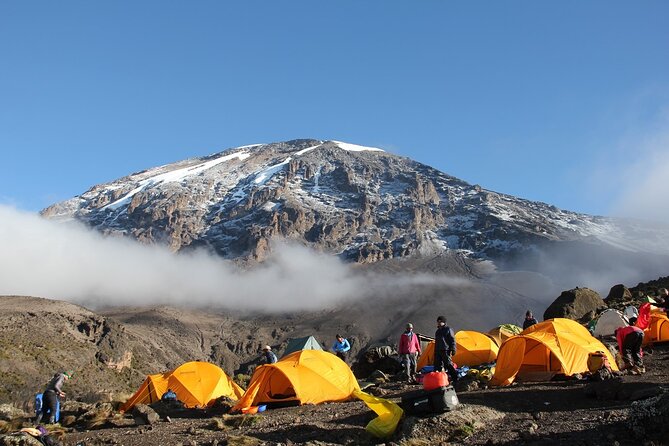
You’ll reach Machame Camp at about 3,010 m above the tree line. That’s a good altitude marker for what’s coming: you’re moving from the lush lower parts into a world where the air feels thinner and the mountain starts to look more dramatic. Expect an evening meal and an overnight stay right at camp.
Why this day matters: it sets your rhythm early. If you can relax your breathing and keep your effort steady, you’ll carry that into later climbs that feel tougher.
Day 2: Heather ridges and a river gorge to Shira Hut Camp
After breakfast, day two pushes you out of the rainforest glades and into terrain that’s steeper and more open. You’ll ascend along rocky ridges covered with heather, crossing valleys as you go, then turn into a river gorge area around 3,658 m.
You finish at Shira Hut Camp at 3,845 m. Hut camps tend to feel more structured than tent-only setups, but either way your main job is the same: hydrate, eat, and settle in so you can sleep as best you can at altitude.
Why this day matters: it’s a clear altitude step upward, and you’re likely to feel it in your breathing. Keep your pace conservative even when the trail feels doable.
Day 3: Lava Tower direction, alpine desert feel, Barranco Valley to Barranco Camp
Day three starts with ascent above the Shira Plateau, heading toward the Lava Tower zone at 4,640 m. One of the route’s signatures kicks in here: the vegetation becomes more sporadic, and you start to feel that alpine-desert environment.
Then you move into Barranco Valley, a section famous for its plants, including lobelia and giant senecio. You’ll reach Barranco Camp, described as one of the most beautiful camp areas on the mountain.
Why this day matters: you’ll likely get your first real sense that you’re no longer hiking through a forest experience. The air and views change fast, and you’ll be able to see Kilimanjaro’s “high world” more clearly.
Practical note: the more open terrain can feel colder, even during the day. Bring layers you can adjust without slowing the group too much.
Day 4: The Barranco Wall, Karanga Valley lunch, then Barafu Camp
Day four is built around the Barranco Wall. This is where you’ll need steady hands and patience. The plan notes that guides assist wherever necessary, which matters because steep stretches can tempt you to rush.
After the climb, you descend toward Karanga Valley for lunch, then continue for another 2 to 3 hours up to Barafu Camp at around 4,640 m. Once you arrive, you get a break, dinner, and an early night—because the next day is the big one.
Why this day matters: it’s both a physical hurdle and a mental reset. A good crew can turn a tough climb into something manageable, and this is also the day when you’ll want to conserve energy for the summit plan.
Day 5: Midnight start, Stella Point, Uhuru Peak, and down to Mweka
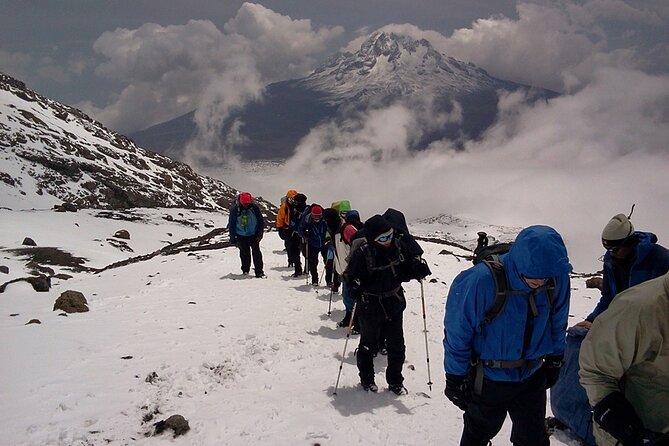
This is summit day, and it begins in the dark. Around midnight you’ll start your climb after hot tea with light snacks, and you’ll hike using headlight light as you move up scree on Kibo.
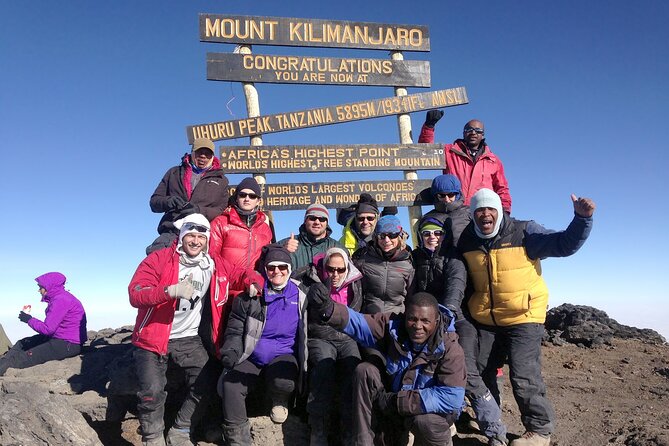
You’ll reach Stella Point in about 5 to 7 hours, then continue along the crater ridge to Uhuru Peak at 5,895 m. The view is listed as 360° over the surrounding landscape, and then you begin your descent back the same way to Barafu for a warm meal and rest.
After that, you keep going down to Mweka Hut Camp at 3,080 m. The drive between altitude zones can feel like a relief, but it also means your legs need to handle a longer downhill day. You’ll have evening meal and sleep with the mountain fresh in your mind.
What I like here: the plan doesn’t pretend summit night is easy. It sets you up with tea, snacks, and a guided push, and it gives you a long enough descent to break the day into parts rather than forcing an all-at-once grind.
Day 6: Rainforest descent to Mweka Gate and certificate moment
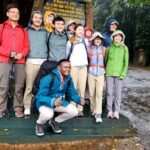
Your last day is a gentler descent through rainforest to Mweka Gate. After the group meets at the end, there’s a congratulatory moment and a chance to share your thoughts in a guest book. A certificate is provided, and then the driver picks you up and takes you back to your hotel.
Why this day matters: it’s the decompression. After days of concentrating on the next step, you get a smoother end that lets you absorb what you just did.
Guides and crew: why encouragement is part of the value
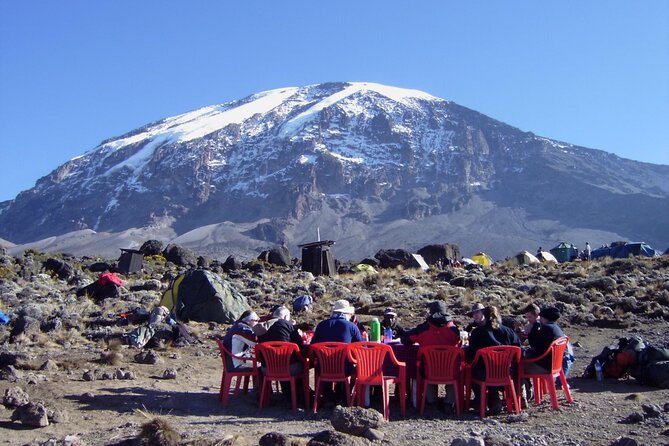
On Kilimanjaro, the guides are not a background detail. They shape your pace, your safety, and how you handle the hard stretches.
Here, I’m especially impressed by how often the same theme shows up: strong support during summit night and a crew atmosphere that feels positive rather than tense. People highlight Gasto’s role in keeping spirits up when it’s bitter cold, and they also mention how the guides encourage everyone in the difficult moments.
That matters because summit night is where motivation can fail fast. When the crew is upbeat and practical—helping with the climb rhythm, answering questions, and giving you that steady push—you’re more likely to finish the day with your head still clear.
There’s also value in the way the company communicates. The operation is described as smaller, and people say they reply fast and remember concerns, so you don’t get that stress of repeated back-and-forth while you’re trying to get ready for altitude travel.
Camps, tents, meals, and purified water
Comfort on Kilimanjaro is never about luxury. It’s about being warm enough, fed enough, and rested enough to keep moving.
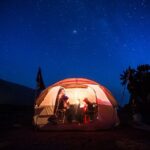
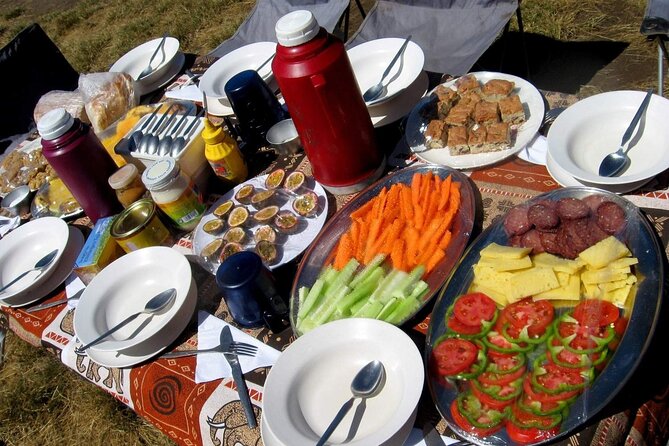
This trip includes quality, waterproof private mountain sleeping tents, plus mess tents with table and chairs. That’s a small thing that can feel huge when you’re cold and tired—having a real place to eat and reset makes the day end better.
Meals are included for everyone on the mountain: breakfast 6 times, lunch 6 times, and dinner 5 times. There’s also clean, purified drinking water, which is one of those basics you’ll appreciate more as altitude rises and your body starts working harder.
In practical terms: consistent food and clean water reduce the stress of planning and guessing. It’s one less thing to worry about when your attention needs to stay on pacing.
Price and what you’re really paying for ($1,950 per person)
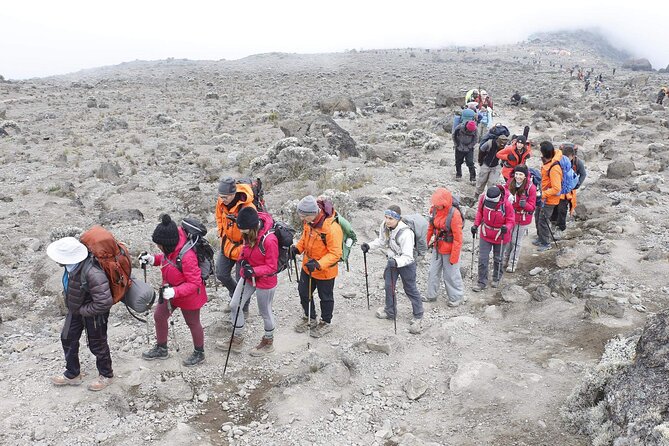
At $1,950 per person, this climb sits firmly in the “organized, staffed expedition” category. You’re not just paying for a guide and a bed. The package includes all park fees and rescue fees, plus professional, experienced mountain guides, meals on the mountain, and camp logistics like tents and mess tents.
It also lists airport transfers and pickup offered, plus a mobile ticket. In other words, you’re paying for fewer gaps in the chain—less time arranging the basics while you’re already stressed about the climb.
What’s not included is also important. Tanzania visa is not included, and tips and climbing gear are not included either. If you show up without the right gear, your costs can creep up quickly. So when you compare prices, factor in what you still need to buy or rent locally.
Balanced take: the price feels fair if you want a full-service setup with the money focused where it counts—guides, permits, rescue coverage, and the day-to-day camp system.
Fitness reality check and how to train for Machame
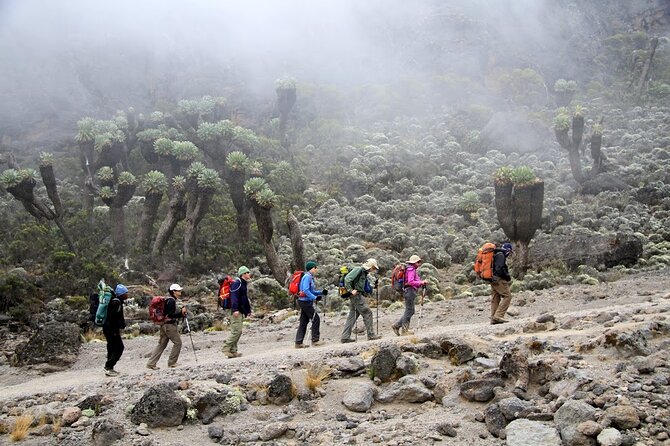
This climb lists a requirement of moderate physical fitness, but Machame is steep and involves higher altitudes, so “moderate” should not mean casual. You’ll want training that includes sustained walking on inclines, stair work, and building time-on-feet stamina.
Also think about how you’ll handle cold on summit night. The trip description points you to a dawn-before-day climb starting around midnight with headlight use, which usually means you’ll be layering up and keeping your movement steady for hours.
Practical strategy for success on this kind of route:
- Keep your pace even when the trail feels easier than the day before
- Use guide instructions quickly and don’t fight the schedule
- Plan for sore knees and calves on the downhill portions, especially after summit day
No matter your fitness level, you’re still at altitude. That’s the big variable you can’t train away.
What to pack (since gear is not included)
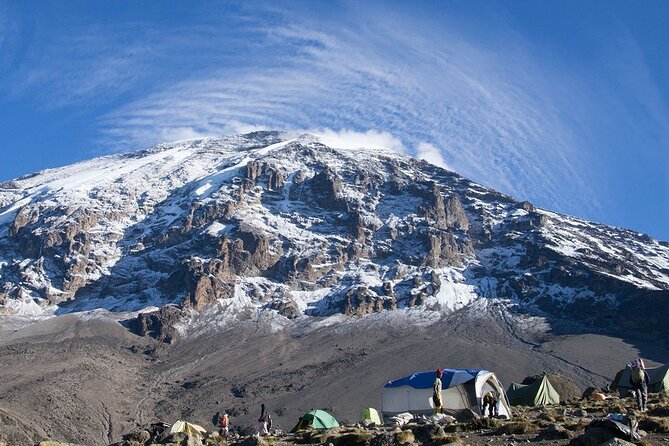
Because climbing gear is not included, you’ll need to line up the essentials before you arrive. The exact gear list isn’t provided here, so you should ask the operator what they expect you to bring versus what can be rented.
What you can confirm from the package: you’ll have tents and camp support, plus meals and purified drinking water. That reduces packing needs, but it doesn’t remove the need for proper cold-weather and hiking gear.
If you’re unsure, start by thinking about three things:
- Foot comfort for long days of walking
- Warm layering for summit night and early starts
- A headlight if it’s not fully provided for your group
Who this Kilimanjaro climb is best for
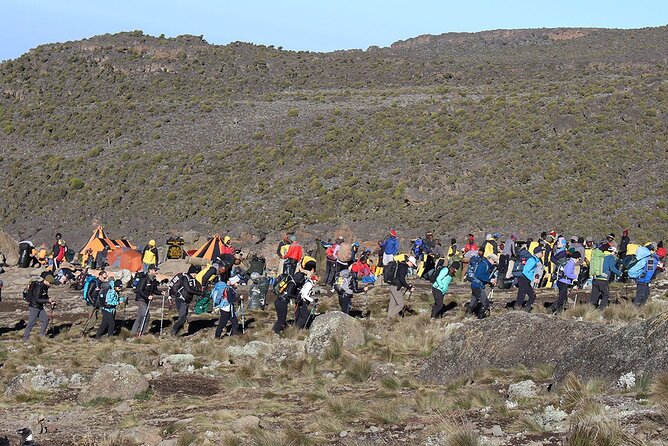
This fits best if you want:
- A famous, high-demand challenge with the Machame route profile
- A private experience where your group stays together
- A strong guide/crew team with encouragement built into the plan
- A package that handles the big logistics: tents, meals, park fees, rescue coverage, purified water
It’s also a good match if you value steady communication and quick replies when you’re planning. People mention that the team remembers questions and handles concerns well, which helps you feel organized before you even arrive in Tanzania.
If you’re looking for an easy hike, this is not that. If you want a test—steep, cold, and mentally demanding—this gives you a clear structure and an active support system.
Should you book Mountain Warriors for Machame?
I’d consider booking this tour if you want a well-run Kilimanjaro climb with the weight of logistics handled for you: private waterproof tents, full meals on the mountain, purified water, professional guides, and the big permit/rescue pieces included.
I’d pause and ask more questions first if:
- You need climbing gear supplied or you’re not sure what you’re responsible for bringing
- You’re not comfortable with a midnight summit start and long hours in cold conditions
- You’re aiming for a “light hiking” experience instead of a true expedition-style challenge
Given the high satisfaction score and the repeated praise for Gasto’s summit-night encouragement and the crew’s supportive spirit, this is the kind of climb that can turn a brutal day into a finish you’re proud of.
FAQ
What time does the climb start?
The start time is listed as 7:30 am.
Where does the trip begin and how do you get to the trail?
You’ll be driven from Arusha to Kilimanjaro National Park, with park transfer included as part of the experience (airport transfers are also included). Pickup is offered.
Is the trip private or shared with other groups?
This is a private tour/activity. Only your group will participate.
Are meals included during the hike?
Yes. All meals while on the mountain are included, with 6 breakfasts, 6 lunches, and 5 dinners.
What costs are not included in the price?
Not included are the Tanzania visa, tips, and climbing gear.
Is there a cancellation window for a refund?
Yes. Free cancellation is available, with a full refund if you cancel at least 24 hours in advance of the experience’s start time.