REVIEW · STOCKHOLM
Snowshoe Winter Hike from Stockholm
Book on Viator →Operated by The Green Trails · Bookable on Viator
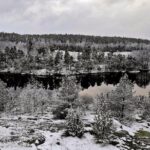
Winter in Sweden is a different world, even a few miles outside town. This snowshoe hike from Stockholm turns city time into quiet forest time, with a small group, a local guide, and the chance to spot native wildlife in winter conditions. Two things I especially like: you get a real skills start (snowshoes/ice cleats, binocular use, forest etiquette), and the day ends with a campfire lunch plus Swedish fika that actually warms you up.
The one thing to plan for is the cold. It’s an active day outdoors, and the hike can feel challenging if you don’t dress for winter and stay comfortable on uneven, icy ground.
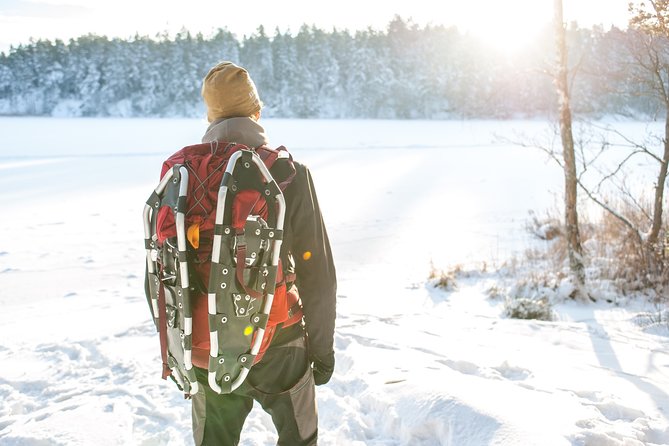
The best part is how the experience adapts. If there’s enough snow, you’ll use snowshoes; if not, you’ll use ice grip cleats under your boots. Either way, you’re moving at a comfortable pace through beautiful winter areas near Stockholm, and you’ll come back feeling like you escaped for a day.
In This Review
- Key Points You’ll Feel From the Start
- Meeting at Tideliusgatan: Start Simple, Start Ready
- Snowshoes vs Ice Cleats: How the Tour Handles Real Winter
- The Guided Hike That Teaches You How to Move
- Wildlife, Binoculars, and Those Quiet Winter Moments
- When Lakes Freeze: Crossing Under Supervision
- Campfire Lunch and Swedish Fika: The Real Payoff
- Price and Value: What $191.34 Really Buys
- What to Wear (So You Actually Enjoy the Day)
- Who This Snowshoe Hike Fits Best
- Should You Book This Stockholm Snowshoe Winter Hike?
- FAQ
- What time does the hike start?
- Where do I meet the group in Stockholm?
- How long is the snowshoe winter hike?
- Is the tour offered in English?
- What equipment is included?
- Is lunch included?
- Is there guaranteed snow?
- How many people are in the group?
Key Points You’ll Feel From the Start
- Small group size (max 8) makes it easier for the guide to help when conditions get tricky
- Snowshoes or ice cleats depending on snow level keeps the day practical and safer
- Wildlife and binocular time gives you more than just exercise in the woods
- Campfire lunch and Swedish fika turn the hike into a full, satisfying outing
- Frozen-lake crossings may happen under guide supervision when ice conditions allow
- English guide + local forest knowledge keeps you oriented and informed all day
Meeting at Tideliusgatan: Start Simple, Start Ready
Your day kicks off at Tideliusgatan 62, 118 69 Stockholm, starting at 9:00 am. You’ll meet back at the same point at the end, which is a big deal in winter. When daylight hours are short and temps are low, not having to solve transport on your own is real comfort.
This is set up for an outdoors day, so the tone is practical from the beginning. You’ll be geared up at the base camp area, then you head out together by minibus to the snow area that fits the conditions that day. Expect a full eight-hour block, not a quick walk-and-go.
Because the group is capped at 8 people, you’re less likely to get lost in the shuffle. It also means the guide can slow down when someone needs help, and you’ll get more direct answers.
You can also read our reviews of more hiking tours in Stockholm
Snowshoes vs Ice Cleats: How the Tour Handles Real Winter
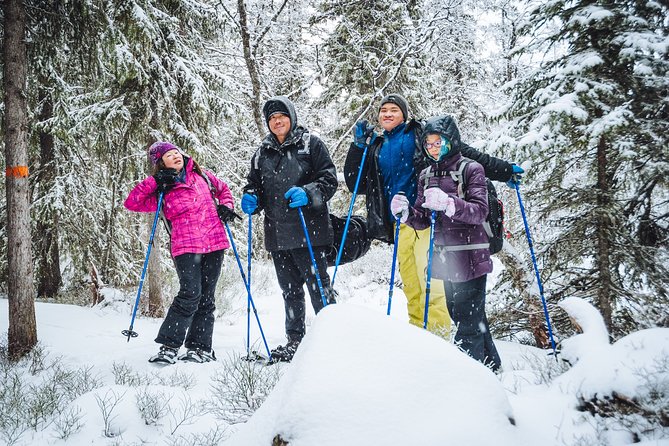
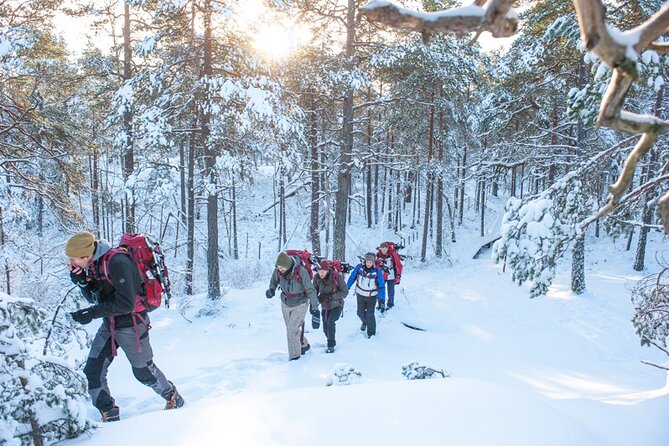
Winter around Stockholm can be unpredictable. The experience is designed for that reality. If snow levels demand it, you’ll use snowshoes. If not, you’ll hike with ice grip cleats under your boots.
This is one of the clearest value points in the whole tour. It means you’re not paying for a “snow-only” fantasy. You’re paying for a winter hiking plan that still works when conditions are mixed.
Before you start moving deeper into the woods, you’ll get a short tutorial. It covers using snowshoes or ice cleats, plus how to use binoculars, along with forest etiquette. That might sound like extra steps, but it’s exactly what makes the hike feel manageable instead of just hard.
Also, a quick note that matters: there’s no snow guarantee. The good news is that last winter (January to March 2024), there was only one excursion without snow. That doesn’t promise perfect conditions every day, but it suggests the operator plans with care.
The Guided Hike That Teaches You How to Move
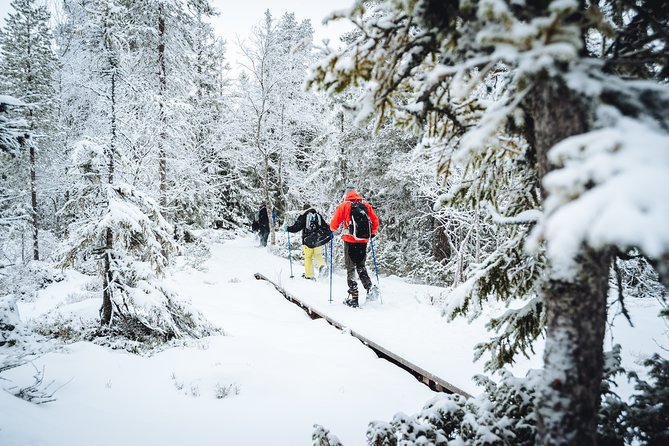
Once you’re geared up and headed toward the chosen national park or nature reserve spot, you start hiking at a comfortable pace. The guide doesn’t just lead; they explain what you’re seeing and why.
Here’s what that means on the ground:
- You’ll get forest etiquette, so you’re not just walking through nature but learning how to respect it.
- You’ll get insight into local flora and fauna in winter, which helps you understand what you’re looking at even when things look quiet.
- You’ll hear bushcrafting and navigation techniques, so the day adds real knowledge, not only photos.
This is also where small-group benefits show. When footing is slick or visibility is low, the guide can adjust and keep the pace steady. The result is that the hike feels like a guided experience rather than a group march.
You’ll hike through enchanting Swedish winter scenery, and the day is structured so you can focus on enjoying it. It’s active, yes, but it doesn’t feel rushed.
Wildlife, Binoculars, and Those Quiet Winter Moments
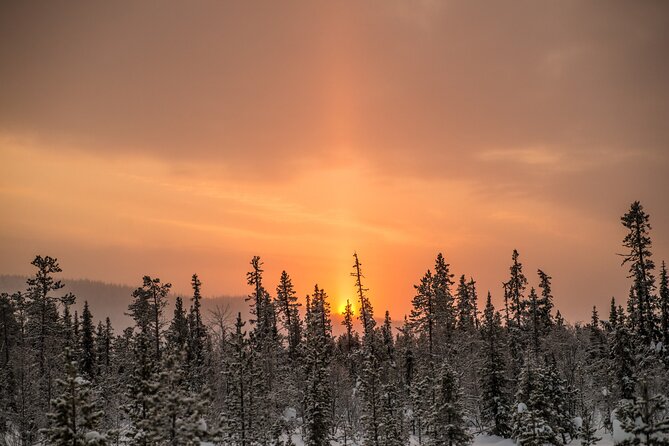
One of the standout promises here is seeing native wildlife in their natural environment. Winter changes animal behavior and visibility, so you won’t always get a guarantee of a big sighting. But the tour improves your odds by building in binocular time and wildlife-focused interpretation.
The binocular tutorial at the start matters more than it sounds. If you don’t know how to use them quickly, you lose time later when you finally spot something. Instead, you’re already set up to make the most of the moment.
And since this is led by a local guide who knows the forest, you’re more likely to notice smaller signs too—tracks, tree changes, and winter patterns. That’s the kind of learning that makes the outdoors feel “real,” not like an outdoor museum.
When Lakes Freeze: Crossing Under Supervision
If conditions allow, you may cross frozen lakes under the guide’s supervision. This is one of those parts that can change the emotional tone of the day fast. For some people, it’s thrilling; for others, it’s stressful. The important point is that it’s done with guidance, not guessing.
In the experience, lake crossings are handled as a controlled group activity. The guide helps people navigate safely and keeps everyone together, even when confidence varies. In past days, people have found it scary in the moment, but manageable because the guide provided support and even helped with photos and video while you’re out there.
If you’re the type who gets nervous on slick or uncertain ground, this is exactly why having a guide in charge matters. You get supervision plus the practical know-how to keep moving.
A few more Stockholm tours and experiences worth a look
Campfire Lunch and Swedish Fika: The Real Payoff
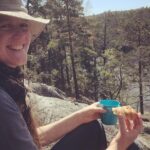
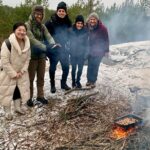
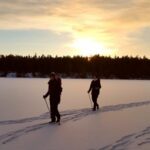
After the main hike, you build and light a campfire, which is a very “winter Sweden” kind of moment. Food tastes better when you’re cold enough to notice it.
Lunch is included, and it’s described as warm and tasty. This matters because a campfire stop isn’t just a break. It’s also a reset for your energy and mood, especially if the cold has been harder than you expected.
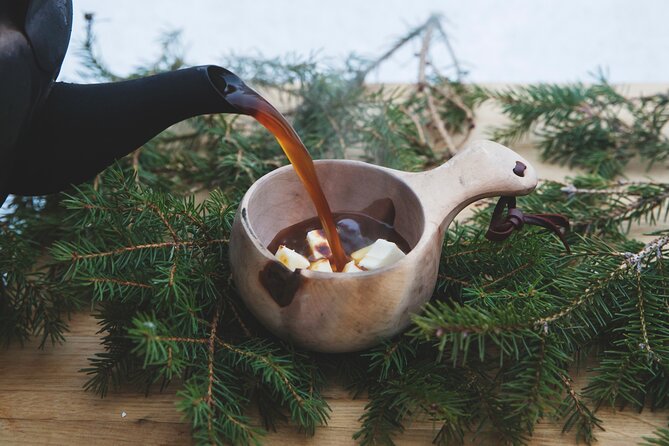
And then there’s the Swedish fika snacks. This is more than a sweet add-on. It turns the afternoon into something cozy, not just another chunk of cold waiting before you head back.
The day ends back at base, with the sense that you actually did something whole, not just “hiked for hours and got a snack.”
Price and Value: What $191.34 Really Buys
At about $191.34 per person, the price can look steep if you compare it to a walk on your own. But this isn’t a self-guided hike. It’s a full winter day with multiple layers of value.
Here’s what you’re paying for:
- All major gear is included: snowshoes, hiking poles, and a backpack
- A local guide runs the day and teaches skills (snow/ice technique, binocular use, etiquette, navigation, bushcraft basics)
- Transport by minibus to and from the hike area
- A full meal and snacks: lunch + Swedish fika
- The small group size (max 8), which raises the quality of help during tricky conditions
If you tried to do this yourself, you’d face gear costs, safety risk, and the lack of interpretation. The guide reduces guesswork. The included food and fika reduce logistics. And the small group helps you actually enjoy the day instead of just coping.
For me, the price makes sense when you treat it as a guided outdoor experience for a half-day to full-day duration, with real winter expertise and included essentials.
What to Wear (So You Actually Enjoy the Day)
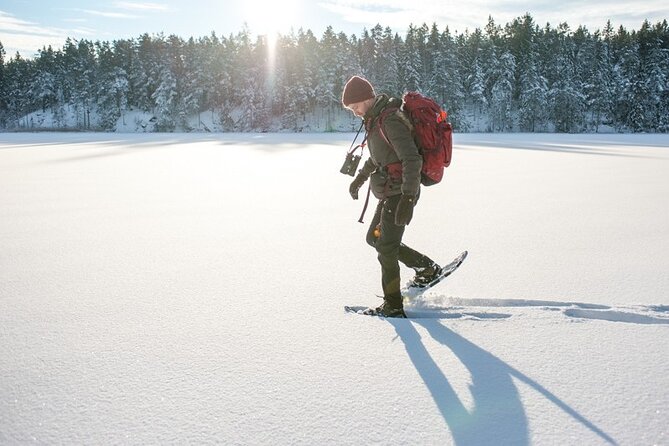
You’ll be outdoors for about 8 hours, and it’s described as an active excursion. The best advice is to dress for winter and movement, not for comfort in a warm city.
You’re told to dress accordingly, and footwear should be appropriate—boots or waterproof sneakers. If you’ve only got regular shoes, you’ll likely feel it fast. The cold can also make the hike challenging, even for people who don’t think of themselves as outdoorsy.
Also remember: weather is out of control, and snow isn’t guaranteed. The tour adjusts with snowshoes or ice cleats, but your clothing choice still matters.
If your plan is to stay dry and comfortable, you’ll get far more enjoyment out of the day’s wildlife spotting, lake crossing (if offered), and campfire stop.
Who This Snowshoe Hike Fits Best
This hike is built for a wide range of people. It’s ideal for families and described as suitable for all ages and skill levels, largely because the guide controls the pace and teaches the gear and technique up front.
I’d especially recommend it if:
- You want a winter day outside the city without planning a thing
- You’re new to snowshoeing (you’ll get the tutorial first)
- You want nature with context—flora, fauna, and practical outdoor tips
- You like small groups and direct guidance
- You’re excited by the idea of frozen lakes, but want supervision
If you’re someone who only likes gentle strolls with no cold exposure, you may find the active part tiring. But if you’re game for moving steadily in winter conditions, this fits well.
Should You Book This Stockholm Snowshoe Winter Hike?
Yes, I think you should book it if you want an actual winter experience with structure: gear provided, guidance through the hard parts, and a satisfying end with campfire lunch and fika.
Book it especially when you value:
- Small group attention and a friendly, professional guide
- Guided winter learning, not just walking
- A plan that adapts when snow is thin (ice cleats instead of disappointment)
- A day that feels complete thanks to lunch, snacks, and fire-lit warmth
Skip it only if you know cold hiking is not your thing, or if you’re unwilling to dress for winter. Because when the weather turns, your clothing is the difference between enjoying the day and counting minutes.
FAQ
What time does the hike start?
The experience starts at 9:00 am.
Where do I meet the group in Stockholm?
You’ll meet at Tideliusgatan 62, 118 69 Stockholm, Sweden.
How long is the snowshoe winter hike?
The duration is about 8 hours.
Is the tour offered in English?
Yes, it’s offered in English.
What equipment is included?
The tour includes snowshoes, hiking poles, and a backpack. If conditions require it, you’ll also use ice grip cleats under your boots instead of snowshoes.
Is lunch included?
Yes. Lunch is included, plus Swedish fika snacks.
Is there guaranteed snow?
No, there is no snow guarantee. However, last winter (January to March 2024) there was only one excursion without snow.
How many people are in the group?
The tour has a maximum group size of 8 travelers.
—
If you tell me your travel dates and your comfort level with cold outdoor walking, I can help you decide what to prioritize for your day (especially footwear and pacing).