REVIEW · HAKONE
Traverse Outer Rim of Hakone Caldera and Enjoy Onsen Hiking Tour
Book on Viator →Operated by Coconuts Hike Japan · Bookable on Viator
Hakone’s ridge walk feels like a postcard. This onsen hiking tour takes you around the outer rim of the Hakone caldera with a guided route (so you’re not wrestling with directions), plus chances to see Mt Fuji and changing seasonal scenery. I also love that it ends with a real onsen soak to reset your legs, not just a scenic photo stop.
Biggest thing to think about first: you need strong legs. The hike includes an about 90-minute ascent of roughly 500 meters, uneven terrain, and a long day overall (7 to 8 hours), so plan for effort, not a casual stroll.
In This Review
- Key highlights you’ll feel the moment you start
- Why this Hakone hike works: outer-rim walking with real payoff
- Getting to Hakone-Yumoto and the small-group advantage
- Sengokuhara start: the cooler air and the climb begins
- Mt. Marudake ridgeline: where the views and seasons show up
- Lake Ashinoko descent: a shorter walk that resets your legs
- Togendai lunch break: fuel up at the station area
- Onsen time near Togendai: indoor and outdoor baths
- Price and value: what $158 really buys you
- Weather realities: Fuji depends on the sky, not your optimism
- Who should book this (and who should choose a gentler plan)
- Packing and pacing tips that will make the day smoother
- FAQ
- FAQ
- What’s the duration of the tour?
- How long do you hike, and how far is it?
- Is the hike difficult?
- Where does the tour start?
- How do you reach the trailhead?
- Is lunch included?
- Is the onsen included?
- Can I see Mount Fuji during the hike?
- How many people are in the group?
- What if the weather is bad?
- Should you book this Hakone onsen hiking tour?
Key highlights you’ll feel the moment you start
- A guided outer-rim traverse that saves your brain for hiking so you’re not timing your way through Hakone trails
- A serious climb early on: about 90 minutes and around 500 meters of elevation gain
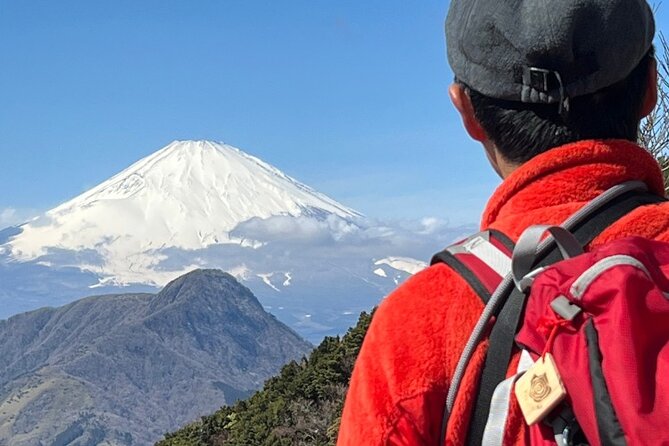
- Ridgeline views with Mt Fuji odds when the weather cooperates
- Seasonal trail texture: bamboo areas with birdsong, plus sakura in spring, red leaves in autumn, and powdery snow in deep winter
- Onsen with indoor and outdoor baths after the walk, with options to match your preferences
- Small group size (up to 6) for a calmer pace and easier questions
Why this Hakone hike works: outer-rim walking with real payoff
This tour is built for people who like to move. You’re looking at Hakone from higher ground, not from a train window. The big idea is a loop-like traverse around the caldera, so each section feels like a new viewpoint rather than repeating the same path.
The other smart part is the rhythm: hike hard, then recover. After the ridge walk, you drop down, refuel for lunch, and then soak tired muscles in an onsen with both indoor and outdoor bathing areas. That combo matters in Hakone, where a lot of plans are either all sightseeing or all sitting.
Getting to Hakone-Yumoto and the small-group advantage
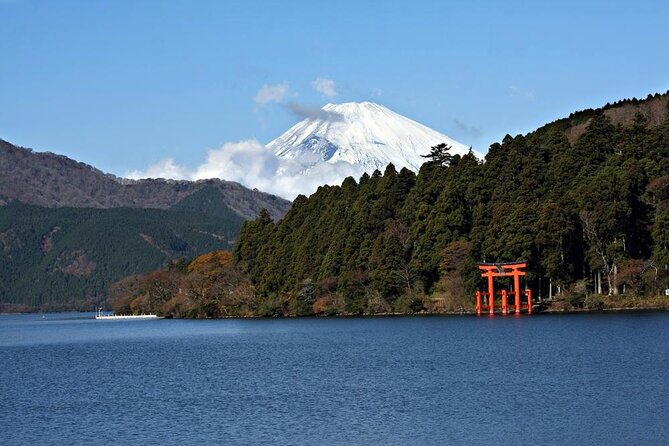
You start at Hakone-Yumoto Station with an 8:30 am start time. It’s close to public transportation, which helps if you’re coming in from Tokyo or nearby areas.
The group is capped at 6 people, which changes the feel of the day. With fewer hikers, the pace is easier to manage on uneven paths, and the guide can adjust when someone needs to slow down for photos or breath.
One logistical note: the tour includes a taxi ride to reach the trailhead, but the transportation cost to the trailhead isn’t included in the tour price. You’ll want to budget for that so there are no surprises mid-day.
Sengokuhara start: the cooler air and the climb begins
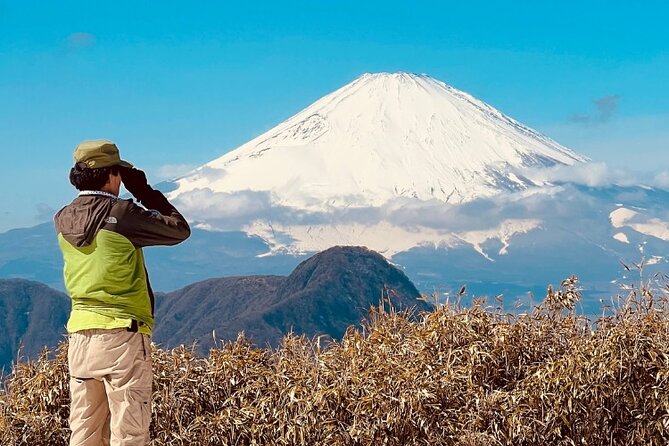
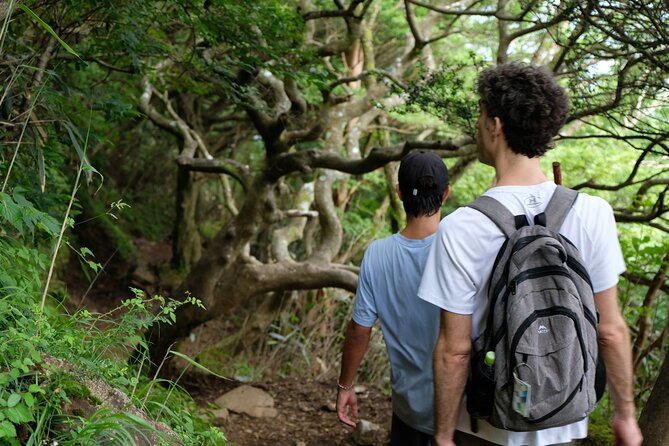
Your first stop is Sengokuhara, starting from a trailhead reached by taxi. You’ll begin hiking from around 700 meters above sea level, which usually means cooler temperatures than the station area.
This section is where the day gets real. You’re not just walking—you’re getting your body ready for the main ascent. Expect a gradual-but-steady effort that builds stamina for the rest of the route.
Even the early setup helps. Because the guide is handling route choices, you can focus on pace and footing instead of playing map-game on a mountain trail.
Mt. Marudake ridgeline: where the views and seasons show up
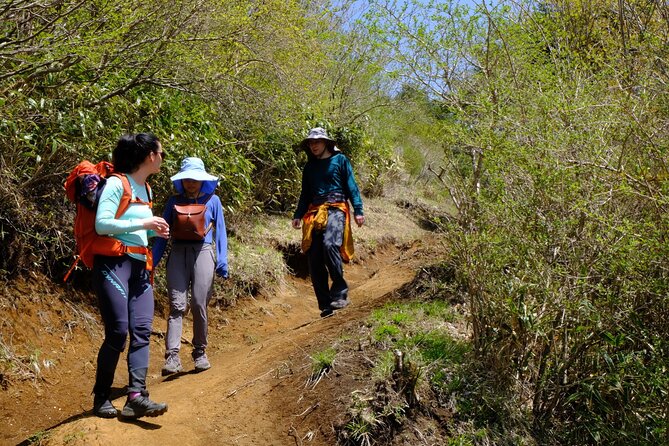
After you reach the mountaintop area (Mt. Marudake is the key name here), the day’s highlight shifts into the ridge walk. This part takes about 2.5 to 3 hours, sometimes longer if you stop for photos, snacks, or just to stare at the scenery like it pays rent.
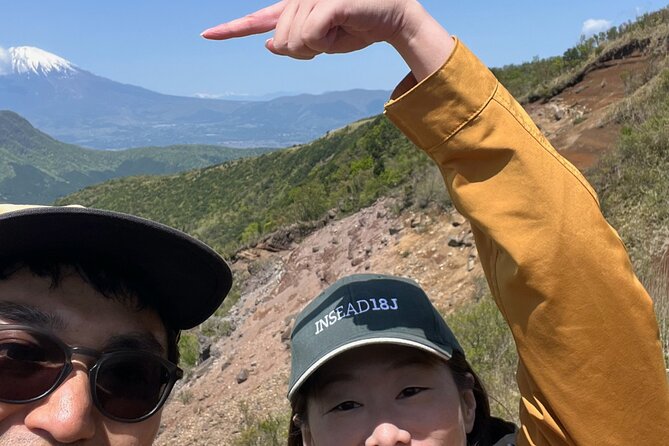
This is the section with the best odds for Mt Fuji. The tour notes that on good weather days, you can see Mt Fuji most of the time during the ridgeline walk. Even when Fuji hides behind clouds, you still get wide views toward Miyagino and Sengokuhara, so it doesn’t turn into a total washout.
The seasons are part of what makes the ridge walk feel special. As you move along, you’ll pass through a bamboo field area where you can hear birds singing. In spring you may catch sakura, in autumn you may see red leaves, and in deep winter you might step into powdered snow. That kind of seasonal variety is one of the reasons people choose Hakone trails over staying at the lakeside only.
Practical consideration: ridges mean exposure. Even if the morning is comfortable, your body can heat up and then cool down again as you pause. Bring layers you can add/remove without turning the hike into a clothing-assembly project.
Lake Ashinoko descent: a shorter walk that resets your legs
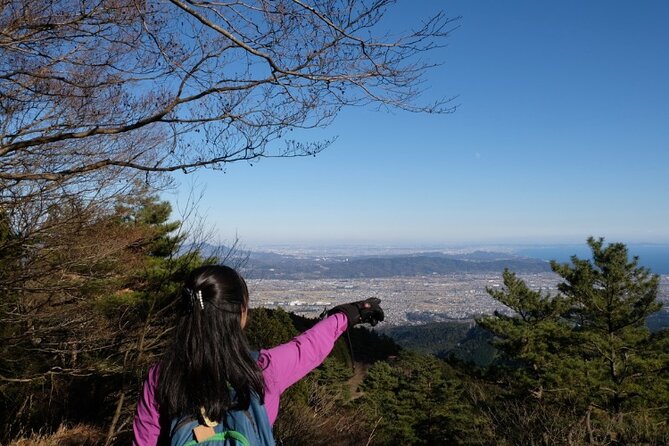
After the ridge, you go downhill for about 30 minutes and reach Lake Ashinoko. This isn’t the long grind part of the day. It feels more like a transition—get your breath back, enjoy the open area by the lake, and then you shift gears to food and recovery.
You only spend about 30 minutes at this stop, so don’t plan on a long lakeside wandering session. Think of it as a breather plus a viewpoint check before lunch.
Togendai lunch break: fuel up at the station area
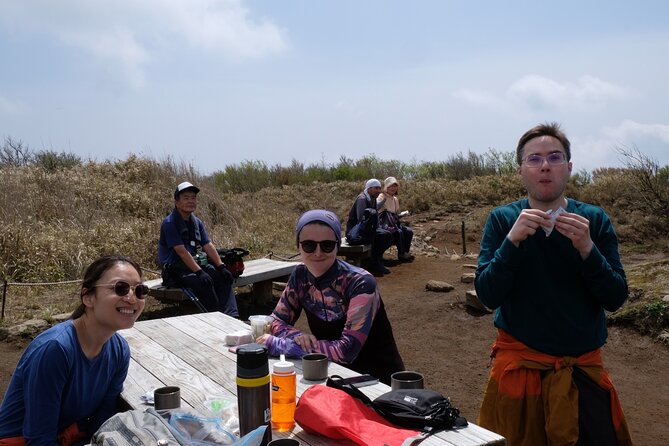
Next you head to Togendai Station General Information Center for lunch. You’ll have about 1 hour here, and the food options include soba, udon, Japanese curry, and also Westernized restaurant choices.
Lunch is not included in the tour price. The guide can suggest a good option based on what’s available and your preferences, but you’ll pay directly for your meal.
This is a good time to eat like you’re still hiking later. A hearty bowl (or curry) makes the onsen feel extra earned. Also, since the day includes a soak after, avoid anything that will sit heavy in your stomach during the drive and bathing portion.
Onsen time near Togendai: indoor and outdoor baths
After lunch, you’ll visit an onsen to relax and ease muscles from the hike. The onsen stop lasts about 1 hour. This part includes the onsen experience itself, but the onsen fee is not included—it’s listed as ¥1,500 per person.
The onsen has both indoor and outdoor baths, which is a big quality-of-life detail. If it’s cold (especially in winter), the outdoor bath can be the best kind of uncomfortable. If it’s warmer, you still get the pleasure of switching environments without leaving the facility.
The tour also notes that the onsen experience can be customized according to your preference. That likely means the guide helps you match how you want to soak after a hike—how you time it, and what you choose inside the facility.
And yes, your calves will be grateful. This is the kind of ending that makes the whole day feel like a complete circuit: effort, views, food, then recovery.
Price and value: what $158 really buys you
The tour price is $158.13 per person. On paper, that can sound like it’s “just a hike.” In practice, the value is that you’re paying for three things working together:
First, you’re paying for a nationally certified pro guide, which matters on mountain trails. The guide keeps the route moving and handles decisions so you can focus on hiking safely and enjoying the ridgeline.
Second, you’re paying for the day plan. The hike is not short: you’re looking at 4 to 5 hours of hiking (about 8 to 9 km total), plus time for lunch and onsen. Someone has already lined up the order of events so you don’t scramble between Hakone viewpoints.
Third, you’re paying for smoother logistics. You start at Hakone-Yumoto, then there’s a taxi to the trailhead (transport cost not included), and the rest of the day is connected around Togendai.
Now, what’s not included affects the real total:
- Lunch for your group
- Onsen fee: ¥1,500 per person
- Transportation to the trailhead (taxi ride is part of the plan but not priced into $158)
I like seeing that level of transparency. It helps you plan a realistic budget so the day doesn’t end with a surprise tab. If you’re budgeting food plus onsen and the taxi, the cost becomes more like paying for a guided outdoor day plus recovery—exactly what this is.
Weather realities: Fuji depends on the sky, not your optimism
This tour requires good weather. If conditions are poor and the hike is canceled due to weather, you’ll be offered a different date or a full refund. Also, you can cancel up to 24 hours in advance for a full refund.
If the day is foggy, Mt Fuji may not appear. The good news is the ridgeline walk still gives you views toward Miyagino and Sengokuhara, so your day isn’t guaranteed to be a Fuji-or-bust situation.
My advice: pick this tour when you can be flexible with timing. If your Hakone schedule is tight and you only have one day available, you’re taking on more weather risk than people who have a buffer day.
Who should book this (and who should choose a gentler plan)
This is for hikers. The tour explicitly says you should have strong physical fitness. You’re dealing with an uneven trail, a meaningful elevation gain (about 500 meters), and a hike that lasts several hours before you even reach the lunch and onsen stages.
It also fits people who don’t want to manage navigation. A big theme of the positive feedback is that having a guide means you don’t worry about finding the right path. If you enjoy walking but don’t want the stress of route planning, this is a strong match.
Who might be less suited:
- Anyone looking for an easy, flat, stroller-friendly route
- Anyone who hates cold mornings or changing conditions on exposed ridges
- Anyone with limited stamina who will struggle with a steady ascent and uneven footing
If you’re an active traveler, possibly traveling with family members who can handle uneven terrain, you’ll likely feel like the day hits the sweet spot.
Packing and pacing tips that will make the day smoother
You’re going from 700 meters trailhead elevation into ridgeline conditions, then down toward the lake. That means temperature swings and changing trail surfaces are realistic.
Here are practical things I’d bring based on the tour’s hike profile:
- Layers you can adjust, since mountain temperatures can be lower early on
- Good hiking shoes with grip for uneven terrain
- A light snack or water you can access during the ridge walk (you’ll have breaks, but you’ll be happier prepared)
- An easy way to carry a small camera or phone without constantly stopping your stride
- Cash or card for lunch and for the onsen fee of ¥1,500
Pacing matters most on the ascent. If you go out too fast in the first climb, you’ll pay for it on the ridgeline. Keep a steady effort so you can actually enjoy the panoramic parts of the day.
FAQ
FAQ
What’s the duration of the tour?
The tour runs about 7 to 8 hours total.
How long do you hike, and how far is it?
You hike about 4 to 5 hours, covering roughly 8 to 9 km.
Is the hike difficult?
Yes. You’ll need strong physical fitness. There’s an about 90-minute ascent with about 500 meters of elevation gain, plus uneven terrain.
Where does the tour start?
It starts at Hakone-Yumoto Station, with a start time of 8:30 am.
How do you reach the trailhead?
The plan includes going to the trailhead by chartered taxi, but the transportation cost is not included in the tour price.
Is lunch included?
No. Lunch for your group is not included. You’ll stop around Togendai Station to eat at local places, and the guide will suggest options based on availability.
Is the onsen included?
The onsen experience is included, but the onsen fee is not included (¥1,500 per person). The onsen has both indoor and outdoor baths.
Can I see Mount Fuji during the hike?
If the weather is good, you can see Mt Fuji most of the time while you’re on the ridgeline walk.
How many people are in the group?
The tour has a maximum of 6 travelers.
What if the weather is bad?
If canceled due to poor weather, you’ll be offered a different date or a full refund. The experience requires good weather.
Should you book this Hakone onsen hiking tour?
Book it if you want a guided Hakone experience that mixes real hiking time, possible Mt Fuji views, and a proper end-of-day recovery in an onsen. It’s especially worth it when you’d rather not spend your morning figuring out trail navigation.
Skip it if your idea of Hakone is mostly easy walking or you’re not ready for a full day with a tough climb. This one rewards fitness and flexibility more than it rewards patience for slow-paced sightseeing.