REVIEW · STOCKHOLM
Stockholm: Sunset Hike in Tyresta National Park with Meal
Book on GetYourGuide →Operated by Stockholm Nature · Bookable on GetYourGuide
A short walk can feel like a different country. This sunset hike in Tyresta National Park takes you from Stockholm by public transport into ancient forest, where dusk turns the trees quiet and wildlife activity picks up. I really like the small-group feel and the way the guide helps you notice the details, from plants to animal traces, without hurrying you.
My second big favorite is the meal stop: a Swedish Midsummer-style spread (and in winter, a hot soup) in a calm lakeside setting. One consideration: the ground is uneven and parts of the route may involve careful scrambling, so you’ll want real hiking shoes and steady footing, especially if it’s rainy or dark.
In This Review
- Key Highlights You’ll Actually Care About
- Why Tyresta at Sunset Feels Different Than a Day Trip
- Getting There from Gullmarsplan Without Making It Complicated
- The First Forest Walk: Dusk Starts the Best Wildlife Window
- The Lakeside Break: Fika Now, Then Midsummer-Style Comfort Food
- Continuing After Dark: What the Second Hike Feels Like
- Wildlife Odds: How to Maximize Your Chances Without Acting Like a Hunter
- Price and Value for a 4.5-Hour Guided Nature Evening
- What to Bring (And What People Forget)
- Who This Tour Fits Best (And Who Should Skip It)
- Guides, Group Style, and the Swedish-ness of the Meal
- Should You Book This Sunset Hike in Tyresta National Park?
- FAQ
- How long is the sunset hike in Tyresta National Park?
- Where do we meet in Stockholm?
- Is transportation included?
- What’s included in the food?
- Do you offer vegetarian or gluten-free options?
- Is the hike difficult?
- Does the tour run in rain?
Key Highlights You’ll Actually Care About
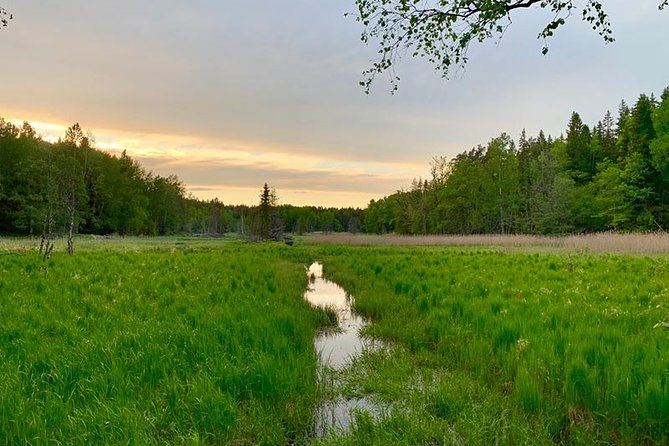
- Dusk-to-dark hiking in Tyresta National Park, one of the best nature escapes from central Stockholm
- Small group of up to 8 with an English-speaking outdoor guide
- Round-trip public transport included, so you spend less time stressing about getting there
- Fika + a Midsummer meal: coffee/tea and Swedish snacks, then hot soup in winter or a classic meal in summer
- Wildlife spotting at dusk (moose and more are possible, but never guaranteed)
- Off-the-beaten-path forest time with the guide managing the route and pace
Why Tyresta at Sunset Feels Different Than a Day Trip
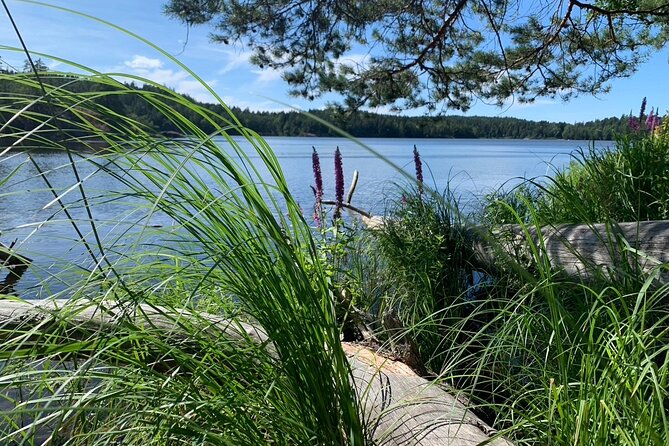
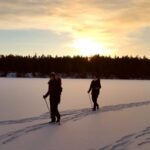
If you’re in Stockholm and you only have a few hours, a sunset hike is a smart move. Daytime can be great, but dusk has its own magic: the forest cools down, light gets softer, and animals tend to be more active. In Tyresta, you’re not just walking through a park. You’re moving into an older, wilder-feeling forest that gives you that Sweden-at-human-scale experience.
What I like most is that this isn’t a “stay on the trail and look at trees” outing. The guide’s job is to slow you down just enough so you notice what matters—animal signs, forest edges, and the small landscape details you’d miss alone. And because it runs into darkness, you get a real sense of Sweden’s long-evening vibe rather than rushing back before the best light.
The group size also helps. With a maximum of 8 participants, you’re more likely to get personal attention if you need extra guidance on footing or just want to ask questions. Guides you might encounter on this route (names vary by date) include people like Paloma, Jasmin, Eleanor, Jakob, Une, Rene, and Leo, and the common thread is clear: they keep the mood friendly and the information practical.
You can also read our reviews of more evening experiences in Stockholm
Getting There from Gullmarsplan Without Making It Complicated
Let’s talk logistics, because they matter on shorter tours. The meeting point is Gullmarsplan 2, right outside the subway station at the 7-Eleven. From central Stockholm, you can take the green line from Central Station to Gullmarsplan in about 8 minutes. Then it’s a short walk to the exact meeting spot.
You’ll use public transport for the trip into Tyresta and back. The travel time is about 30 minutes each way by local bus, which is a big part of why this works well for visitors. You’re not locked into a car-only experience, and you don’t lose half your evening to traffic.
This also supports the tour’s sustainability angle. The idea is simple: get out with less impact by using transit, and keep the group moving responsibly. You’ll still be in the wild, but you’re not treating the forest like a theme park.
The First Forest Walk: Dusk Starts the Best Wildlife Window
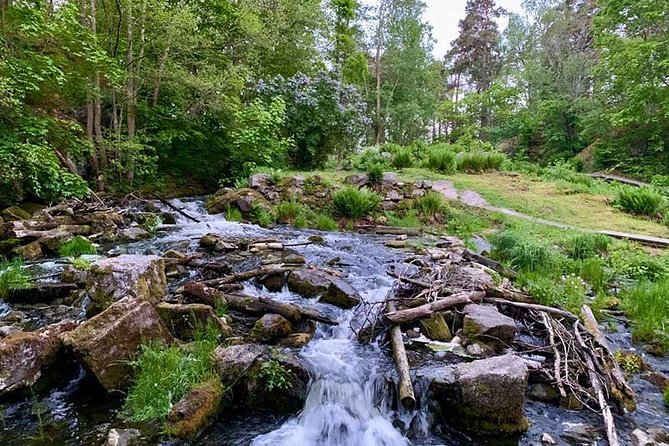
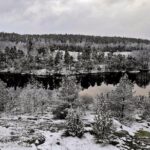
Once you’re in the park, the hike begins while the light is still decent. That first stretch is where you get oriented: you learn how the route flows, where the land is uneven, and what to watch for as evening settles.
The plan includes about 1.5 hours of hiking in the forest before the meal stop. In practice, it’s the kind of walk where you’ll feel the difference between packed trail and rougher footing. Some paths are well marked, but they can still be uneven, so sturdy footwear matters more than you might expect from a short duration hike.
This is also when the guide starts scanning for wildlife cues. Sightings aren’t guaranteed—this is nature, not a zoo—but dusk is widely the best time for animal activity. Some groups have reported seeing moose, deer, beaver, and even a martin. What makes this worthwhile is not just the chance of a sighting; it’s how you learn to look. The guide points out what animals tend to do at this hour and what signs might show up before you actually see anything.
A practical tip from the overall experience: if you’re going in summer, don’t treat this like a city stroll. Bring bug spray. Even with the guide watching and planning, you’re still moving through forest edges.
The Lakeside Break: Fika Now, Then Midsummer-Style Comfort Food
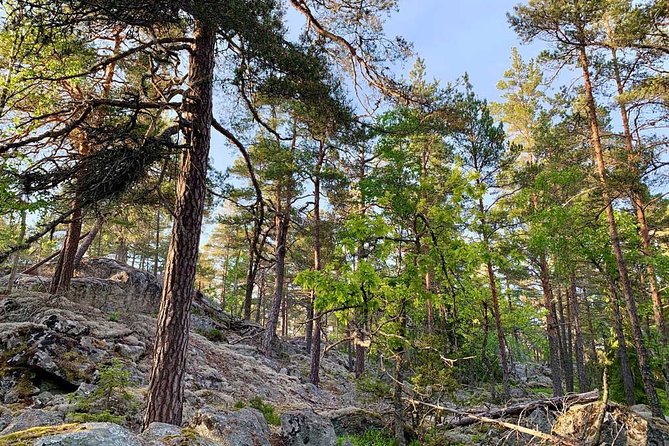
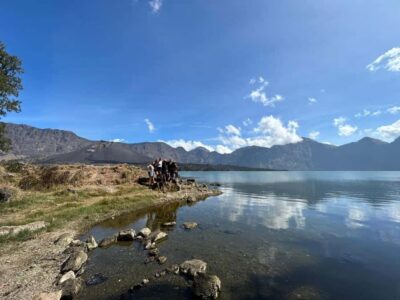
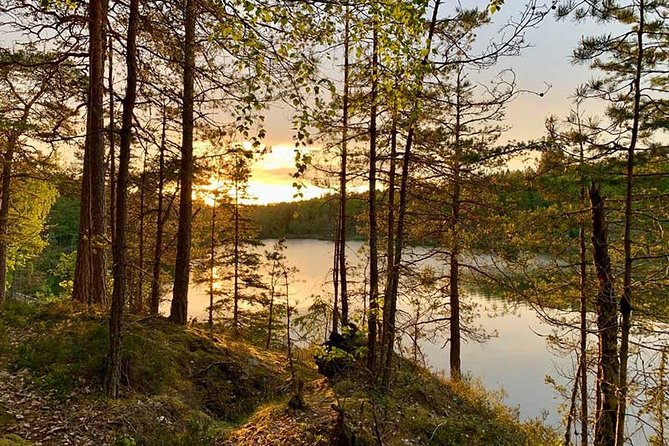
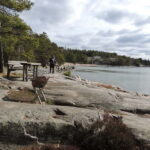
Halfway through, you stop by a lakeside setting for a meal break. This part is about more than food—it’s the mental reset that makes the second half of the hike feel easier and more enjoyable.
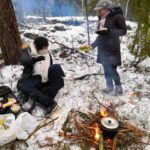
You get Swedish fika snacks with coffee and tea, plus a main light meal designed around Swedish midsummer flavors. In warmer months, the Midsummer meal is described as a simple classic like meatballs, potatoes, and lingonberry jam. There’s also a sweet treat. In winter months, the menu shifts to hot soup, which makes a huge difference when the air turns chilly and the light drops fast.
This lakeside moment is also your chance to catch your breath and adjust to the group pace. If you’re the type who likes photos, this is a good moment to slow down. You’ll be standing somewhere quiet, with the water nearby, while the guide handles timing so you don’t feel rushed.
One note: if you’re particular about diet, you can request vegetarian, vegan, or gluten-free options. That flexibility helps this tour feel less like a compromise and more like a true Swedish meal experience for your group.
Continuing After Dark: What the Second Hike Feels Like
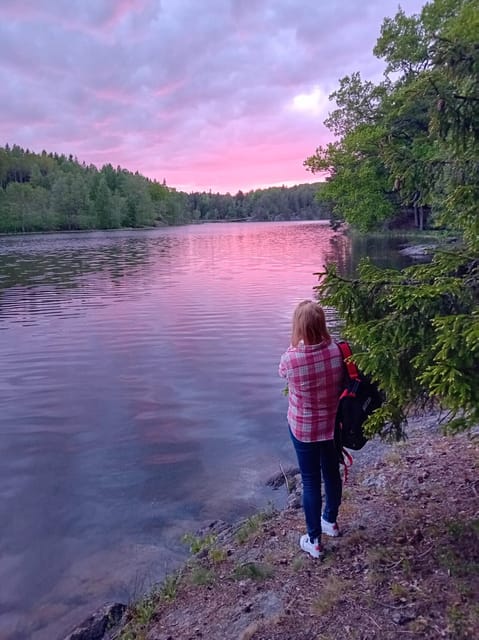
After the meal break, the tour continues with another 1.5 hours of hiking. This is where the experience changes character. In daylight, you might focus on distance. After dark, you focus on rhythm and attention—steps, footing, sounds, and the way the forest holds light.
It’s peaceful, and that’s the point. The slower pace helps you feel present. You’ll still get guidance from the leader, who keeps everyone together while the route runs through deeper forest areas. You’re not just walking in circles around a scenic spot. You’re moving through the park’s quieter parts, the kind of places few people reach without a guide.
Because it’s dark later in the outing, come prepared. Wear outdoor clothing that can handle evening temperatures, and keep your water with you as needed. The tour runs rain or shine unless conditions are unsafe. In rainy weather, uneven ground becomes slipperier, so planning for wet conditions is smart.
If you’re nervous about heights or footing, this tour can still be a good match—guides are used to helping people handle tricky spots. For example, one traveler noted that when they had a fear of heights, the guide helped them climb a rock safely and comfortably. That’s the kind of reassurance you want from the group size and the guide presence.
You can also read our reviews of more hiking tours in Stockholm
Wildlife Odds: How to Maximize Your Chances Without Acting Like a Hunter
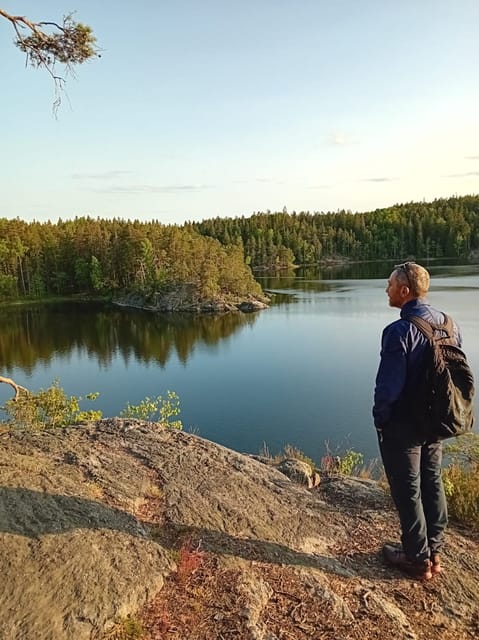
Let’s be honest about wildlife. This is not a guaranteed moose safari. But dusk hikes are where your odds improve, and Tyresta’s forest-at-evening setting is exactly the kind of environment where animals tend to move.
The key is to stay calm and follow the guide’s lead. Don’t rush to the best-looking spot if everyone isn’t supposed to stop there. The guide is watching for animal signs and timing the group so you don’t spook things—or create a safety issue in rough terrain.
When wildlife does show up, it can be brief. That’s another reason I like this setup: a guide keeps you focused on what you’re likely to see and what it means. If a moose appears, you’ll know what to look for next. If you only see tracks, you’ll still understand where animals might be moving.
And remember: sightings are never guaranteed, but the real win is learning how to watch the forest the way locals do.
Price and Value for a 4.5-Hour Guided Nature Evening
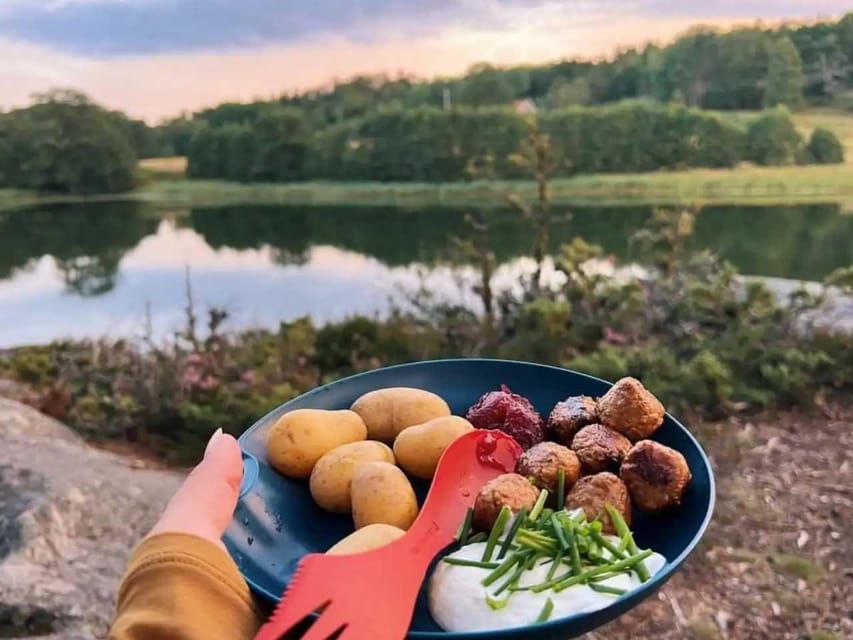
At $144 per person for about 4.5 hours, this isn’t the cheapest thing you can do in Stockholm. But the value is pretty clear once you break it down.
You’re paying for four things that add up quickly in most destinations:
- A licensed, experienced English-speaking outdoor guide
- Round-trip public transport included
- A structured hike experience in a protected nature area without you needing to plan
- Food: fika snacks plus the Swedish midsummer meal (or winter hot soup)
The meal isn’t a token sandwich. It’s part of the rhythm of the hike: warm you up, give you energy, and create that Swedish lakeside break that makes the entire evening feel like a complete experience instead of just “walking and leaving.”
The small group matters too. Up to 8 participants means you get attention, not just background narration. If you’re someone who learns better by talking with a real guide—about the plants, animals, and Swedish nature traditions—this price starts to feel fair.
What to Bring (And What People Forget)
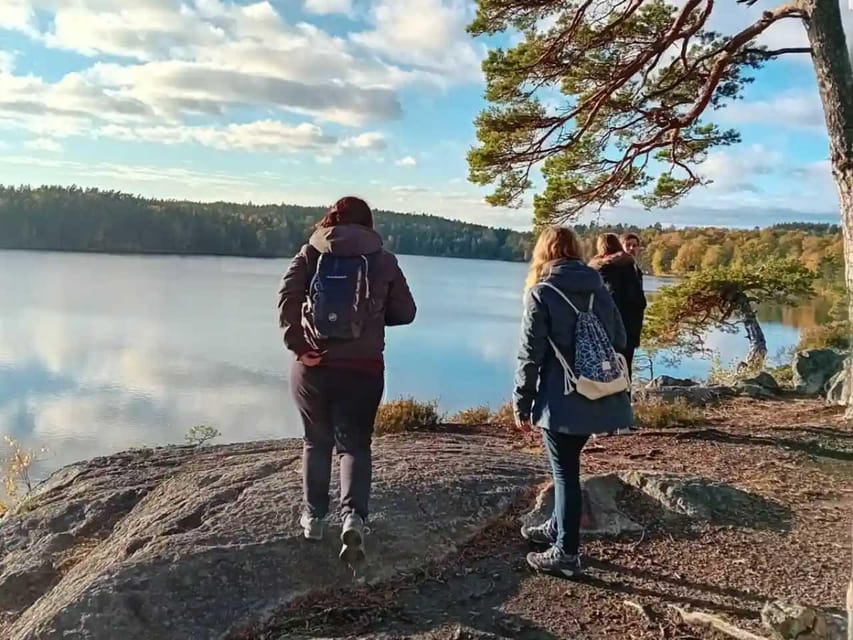
This is a practical outing, so bring gear like you mean it. The tour asks for hiking shoes, water, and outdoor clothing. I’d treat that as the minimum, not the whole list.
A few things that help:
- Sturdy hiking shoes (terrain can be uneven; parts may involve careful scrambling)
- Rain-ready outer layer, because the tour runs rain or shine unless unsafe
- Water even if the hike feels short
- Bug spray in summer (forest edges can be a problem if you’re not prepared)
- A small daypack to keep everything secure while walking in low light
If you’re visiting in colder months, plan for a winter evening. Even though you’ll have warm soup, you’ll still be moving through the woods and waiting for dusk to settle.
Who This Tour Fits Best (And Who Should Skip It)
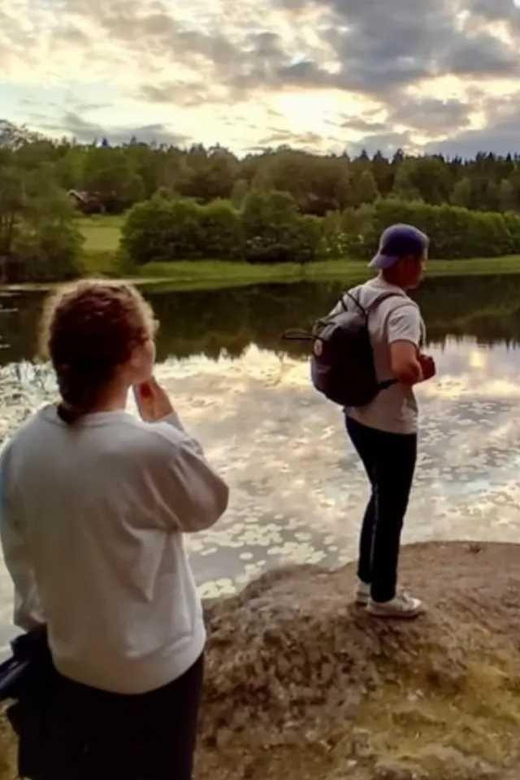
This sunset hike suits people with normal fitness who want an authentic nature evening without needing wilderness skills. You’ll be walking for a total of about 3 hours, split into two hiking sections, with a meal stop in the middle.
It’s a great fit if you:
- Want nature close to the city
- Like guided experiences that help you notice wildlife and forest details
- Enjoy a structured plan but still want off-the-beaten-path feeling
- Want Swedish flavors beyond museums and restaurants
It’s not for everyone. The tour is listed as not suitable for pregnant women and people over 70. Also, if you’re uncomfortable with uneven ground or scrambling, take that seriously. The route isn’t described as extreme, but the footing can demand attention.
Guides, Group Style, and the Swedish-ness of the Meal
One of the most consistently praised parts of this experience is the human factor: the guide. You’re not just getting directions. You’re getting context. Guides have been described as friendly, warm, and great to talk with while you hike. Names change by departure, but the style stays similar—talk about the forest, share stories and practical nature observations, then keep things safe.
The Swedish meal and fika are also not an afterthought. You’ll get coffee/tea and snacks, and the main meal is built around midsummer comfort food traditions. In summer that can mean meatballs, potatoes, and lingonberry jam. In winter it becomes hot soup, which matches the season’s needs.
That combination—forest time plus Swedish comfort—makes the whole evening feel like a proper activity, not a tacked-on photo stop.
Should You Book This Sunset Hike in Tyresta National Park?
I’d book it if you want a Stockholm activity that feels genuinely outdoorsy and Swedish, without needing a full-day trip. The dusk timing, the small group size, the real guide attention, and the included fika plus midsummer meal are the main reasons it works.
Skip it if you know you struggle with uneven ground, or if you fall into the tour’s stated non-suitable groups. Also, if you’re only chasing wildlife with a strict expectation of sightings, recalibrate. This is nature watching with better odds at dusk, not a guarantee.
If you want a peaceful, guided evening in the forest that ends with warm Swedish food, this tour hits the mark.
FAQ
How long is the sunset hike in Tyresta National Park?
The total duration is about 4.5 hours, including transportation and time in the park with a meal break.
Where do we meet in Stockholm?
Meet in front of the 7-Eleven at Gullmarsplan. It’s outside to the subway station, and the green line takes you from Central Station to Gullmarsplan in about 8 minutes.
Is transportation included?
Yes. Round-trip transportation by local bus is included.
What’s included in the food?
You’ll get Swedish fika snacks with coffee and tea, plus a Swedish midsummer meal. In winter months, that meal is hot soup.
Do you offer vegetarian or gluten-free options?
Yes. Vegetarian, vegan, and gluten-free meal options are available on request.
Is the hike difficult?
It’s suitable for people with normal fitness and health conditions, but the terrain can be uneven and some spots may require careful scrambling. Sturdy hiking shoes are important.
Does the tour run in rain?
The tour runs rain or shine unless conditions are unsafe.