REVIEW · YLLAS
Ylläs: Forest Hike with Snowshoes
Book on GetYourGuide →Operated by Safartica · Bookable on GetYourGuide
In This Review
- Forest walks, but with snowshoes
- Key things to know before you go
- Starting in Ylläsjärvi: get fitted, learn the snowshoe basics
- Into the Boreal forest: an easy trail with a real winter destination
- The frozen marsh campfire stop: warm drinks, biscuits, and track talk
- What you’ll learn in winter forests: reading signs and moving right
- English guiding and group size reality check
- Transfers, winter clothing, and why this is easy to plan
- Price and value: what $101 buys you in the real world
- Who should book this Ylläs snowshoe hike
- Should you book Safartica’s Ylläs forest snowshoe hike?
- FAQ
- How long is the snowshoe hike?
- How far do we walk?
- Is winter clothing included?
- Are snowshoes provided?
- Is the guide English-speaking?
- Are transfers included from my accommodation?
Forest walks, but with snowshoes
A daylight snowshoe hike in Ylläs turns winter into something you can actually do, not just watch. I like that the start is from the village of Ylläsjärvi, so you’re quickly out on an easy trail through the Boreal forest rather than spending the whole time in transit. You’ll also learn the basics of walking on snowshoes in real conditions, not a classroom.
Two things I’d call out: first, you get hands-on practice on a route that’s built for beginners, including a stretch toward a frozen marshland where you can follow the trail or make your own track in deeper snow if you feel adventurous. Second, the warm-up isn’t an afterthought. There’s a campfire stop with hot drinks and biscuits, plus guidance about animal tracks so the forest feels less mysterious and more readable.
One consideration: even though it’s described as a small group (limited to 10), the day-to-day reality can vary. One review noted a larger group, which can affect how much time the guide has to repeat stories for everyone. If you want slower, more back-and-forth teaching, plan to ask questions when you can.
Key things to know before you go
- Beginner-friendly snowshoe technique: you’ll learn how to walk with them, then put it to use right away
- Easy trail through Boreal forest: a straightforward route, with a destination at a frozen marshland
- Optional deeper-snow exploring: you can follow the marked way or make your own track where snow is thicker
- Campfire break included: hot drinks and biscuits at the marsh stop
- Animal-track learning: the guide teaches what to look for in winter signs
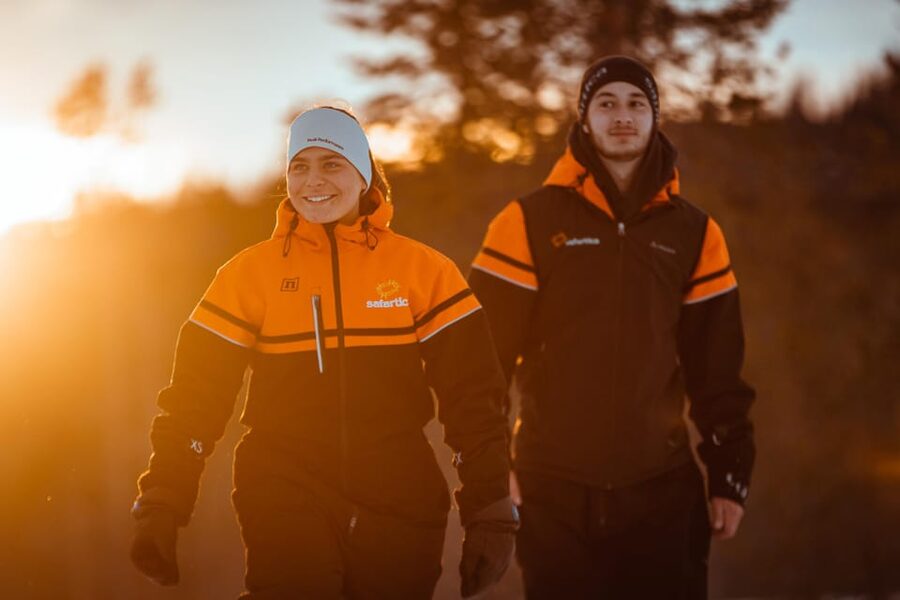
- Winter clothing is provided: thermal overall, boots, socks, scarf, beanie, and gloves are part of the experience
Starting in Ylläsjärvi: get fitted, learn the snowshoe basics
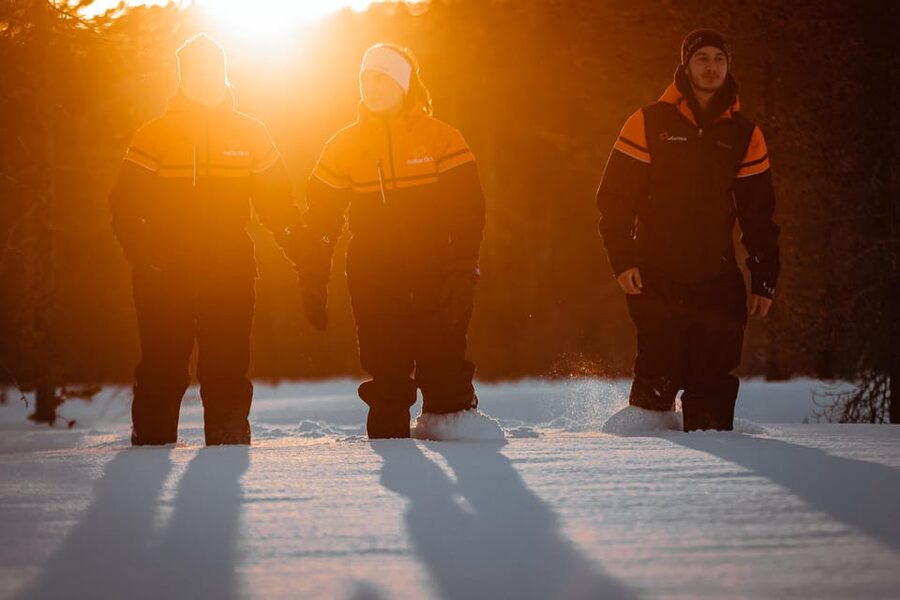
This tour is built around one big idea: you should leave feeling confident walking on snowshoes, not just bundled up and “hoping for the best.” After you meet up, you’ll get winter clothing and gear sized for you, including snowshoes. Then the guide gets you moving with the basics—how to step, how to balance, and how to adjust your stride so the snowshoe doesn’t fight your feet.
The snowshoe part matters more than people think. In deep, soft snow, the wrong rhythm makes you work harder than necessary. The guide’s job is to help you walk naturally for winter conditions—especially because the route is designed to be easy, which means technique is part of the fun. When you get it right, you start floating instead of stomping.
You’ll be walking a route of about 2–3 kilometers as part of the ~2.5-hour experience. That’s a sweet spot: long enough to feel like you did something real, but not so long that beginners are miserable.
Into the Boreal forest: an easy trail with a real winter destination
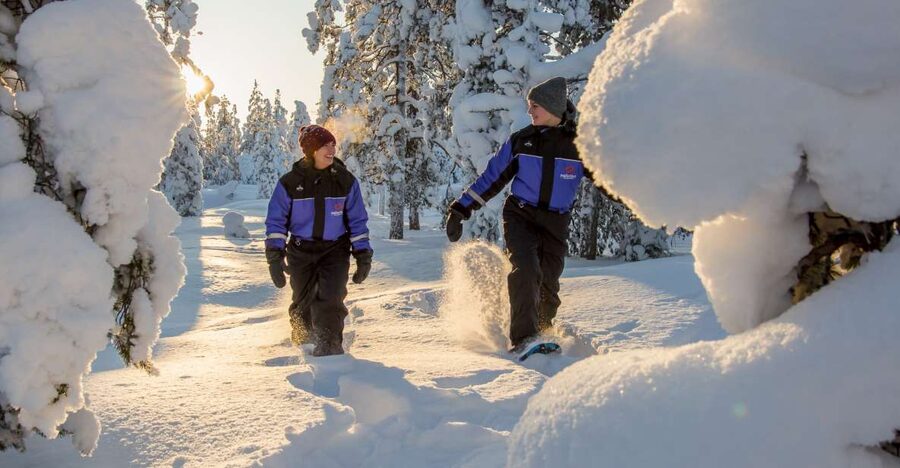
You head out from Ylläsjärvi and move toward the Boreal forest, then along an easy trail that leads to a frozen marshland. This isn’t a technical hike. It’s a winter nature walk where the terrain teaches you how to move in snow.
Why this works well for most people: the route is planned so you’re not constantly guessing where to go. Instead of being busy with navigation, you can pay attention to what’s around you—tracks, texture in the snow, and how the forest changes when you approach open marshland.
Once you reach the marsh, the vibe shifts. Forest snow can look uniform from far away. Marsh snow tells a different story—broader space, different light, and that flat quiet that makes you listen. The guide also uses this stop to bring in the “what you’re seeing” side: animal tracks and winter signs.
If you’re the kind of person who likes to experiment, you can make your own track where snow gets deeper. It’s optional, but it’s a good reminder that snowshoe walking isn’t just about following rules. It’s about experiencing how winter moves under your feet.
The frozen marsh campfire stop: warm drinks, biscuits, and track talk
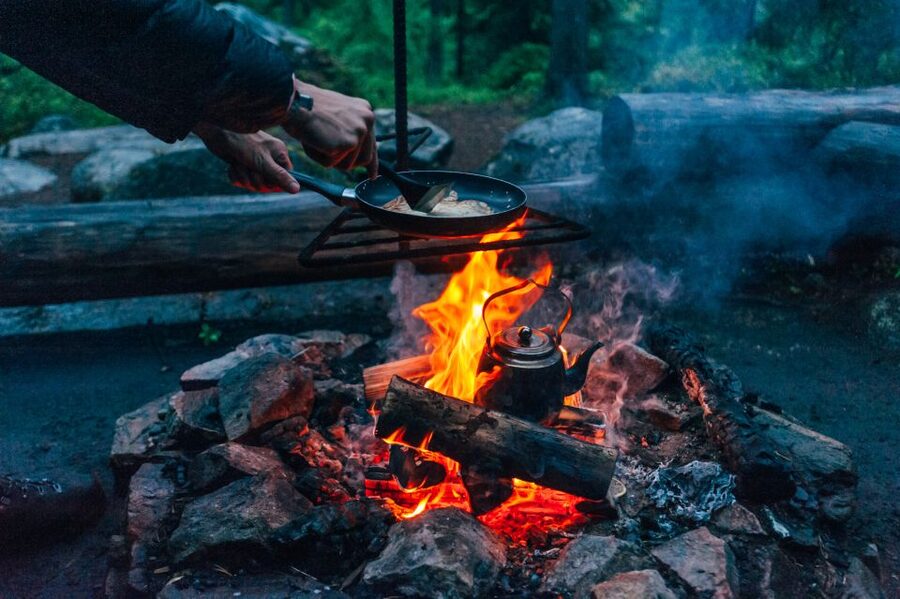
The highlight break is the campfire stop at the marsh. You make a fire, warm up, and get hot drinks and biscuits. It’s the kind of pause that keeps the whole tour from feeling like a cold slog. You don’t just rush through the outdoors—you get a moment to slow down.
This stop is also where the guide’s teaching becomes most practical. You’re already standing in the place where tracks and signs matter, so the explanation clicks. You’ll get guidance about animal tracks—what to look for and how to interpret winter traces.
A note for your expectations: the marsh stop is included and timed as part of the 2.5 hours, so it’s not a long, leisurely camp session. It’s enough to warm up and learn, but the tour stays focused on the hike.
One small detail worth appreciating is that this break is at the destination. If you’ve ever done winter activities where you return right away just to warm up, you’ll see why this setup feels better. The forest experience is already complete enough that the warm break feels like a reward, not a reset button.
What you’ll learn in winter forests: reading signs and moving right
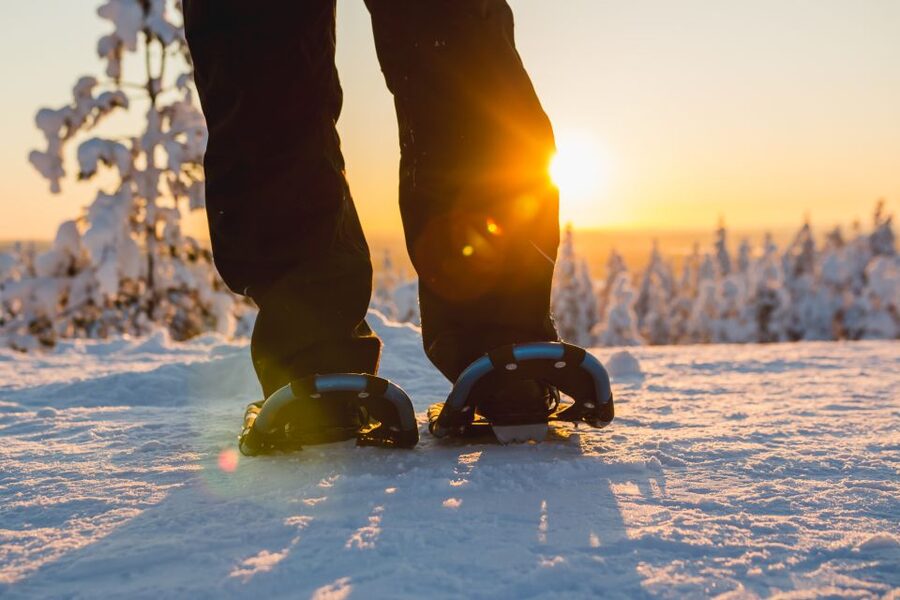
A snowshoe hike can be two different things. It can be exercise in cold air, or it can be a guided lesson in how winter functions. This one tries to do both.
You’re learning:
- How to walk snowshoes so you can keep a steady pace without exhausting yourself
- How to notice animal tracks in snow, which turns random footprints into clues
- How to experiment with your steps in deeper snow if conditions allow
That combination is why the tour has value even beyond the novelty of snowshoes. Once you learn the basic technique, you can enjoy more winter walks on your own. And once you know how to spot track patterns, the forest stops being a blank white page.
Even the “easy trail” isn’t boring. In winter, small changes matter: wind exposure, snow depth, and the way trees mark the horizon. When your guide explains what you’re looking at—tracks, signs, and general animal behavior in winter—you start seeing the forest as active, not quiet.
English guiding and group size reality check
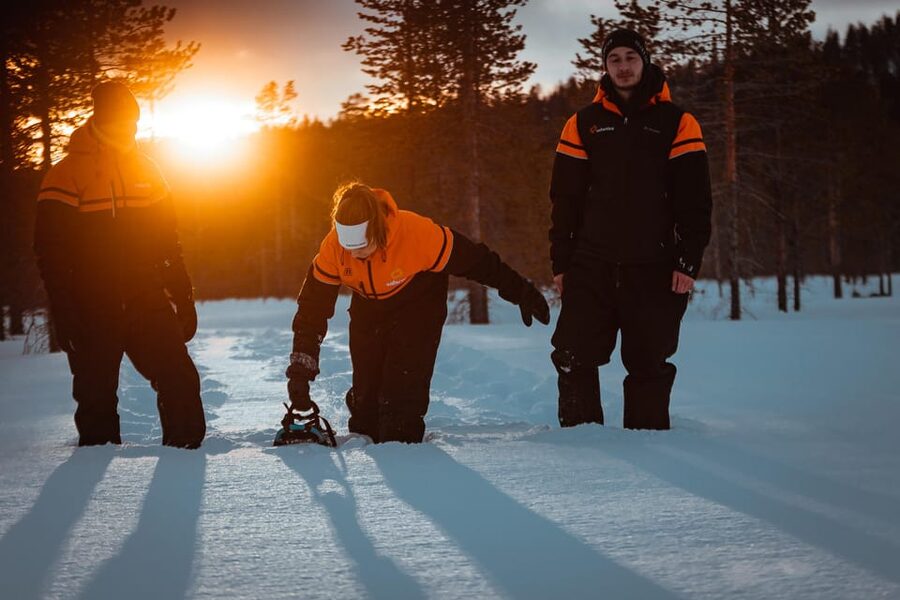
The tour runs with an English-speaking guide. That’s great if you want explanations you can actually follow. In at least one set of bookings, the guide named Rita is described as friendly and full of knowledge, which matches the goal of this experience: teaching snowshoe walking and helping you understand the signs in the snow.
One thing to keep in mind is group size. The activity is described as small group, limited to 10 participants. But one review mentioned a larger group size (around 20), which can change the feel of the tour. In a bigger group, the guide may move through explanations faster, and you might not hear every story at the same moment.
My practical advice: if you’re the type who loves questions, ask early. Don’t wait until the end. Also, when the group stops at the marsh, take your time. That’s when most of the meaning lands.
Transfers, winter clothing, and why this is easy to plan
Logistics can make or break a winter day, so I like that the tour includes transfers. Pickup and drop-off cover accommodations in the Ylläs area within a max distance of 15 km from the safari house based in Ylläsjärvi.
On top of that, winter clothing is provided. You get:
- thermal overall
- winter boots
- woollen socks
- woollen scarf
- beanie
- gloves
That’s huge if you’re visiting from somewhere mild and don’t want to outfit yourself just for one outing. It also reduces the stress of guessing what will be warm enough. You’ll be dressed for the conditions the activity is built around.
Timing matters too. You’ll meet before the starting time, and the safari starts when the group is fully clothed and ready to go. If you arrive late to the meeting point, you risk missing the activity. Plan a buffer so you’re not racing the cold.
Price and value: what $101 buys you in the real world
At about $101 per person for a ~2.5-hour experience, this tour isn’t the cheapest thing in Lapland. But it’s priced like a small, guided winter activity with real services attached.
Here’s what you get for the money:
- Transfers within the stated area
- Winter clothing (not just a jacket—an entire set including boots, socks, gloves, and head/neck layers)
- Snowshoes
- A guided walk through Boreal forest to a frozen marshland
- Hot drinks and biscuits at the campfire stop
- English guiding
- Time on an easy route of roughly 2–3 kilometers
If you’re trying to compare value, don’t just compare it to a random hike. This includes gear, staff, warmth, and a planned winter route. If you’ve ever priced out snowshoe rentals plus transportation plus a guide plus refreshments, the math often starts to look similar. The inclusion of clothing and transfers is especially helpful because those can be hidden costs for visitors.
Also, the time length is practical. 2.5 hours fits well between other winter plans, without stealing your whole day.
Who should book this Ylläs snowshoe hike
This tour is a good fit if:
- you’re new to snowshoes and want real instruction
- you want a beginner-friendly winter walk that still feels like Lapland
- you like learning something while you’re outside—especially about animal tracks
- you prefer guided structure over wandering alone in snowy forests
It may be less ideal if:
- you’re expecting a long, deep wilderness trek
- you’re highly sensitive to group dynamics and want a very quiet, slow pace
- you don’t tolerate winter walks well, even when the route is easy
Children are welcome, but the key detail is walking ability with snowshoes. If a child can’t handle the distance with them, the tour expects parents to either carry the child or turn back to accommodation if possible. That means it’s best for kids who can manage a winter walk with gear.
Should you book Safartica’s Ylläs forest snowshoe hike?
If your goal is a safe, beginner-friendly introduction to snowshoe walking, this is easy to recommend. The campfire stop with hot drinks and biscuits makes the cold feel manageable, and the guide-led animal-track learning turns the forest into something you can interpret.
I’d book it if you want practical value: gear, clothing, transport, and an organized route that still lets you enjoy the snow. I’d hesitate only if you know you’ll hate the idea of potentially hearing stories faster in a larger group, or if your walking tolerance with snowshoes is uncertain.
One simple strategy for your success: show up ready to move. Bring your best winter attitude, listen during the technique part, and don’t rush the marsh stop. That’s where the tour turns from a walk into a winter experience you’ll remember.
FAQ
How long is the snowshoe hike?
The experience lasts about 2.5 hours.
How far do we walk?
You’ll walk approximately 2–3 kilometers with the snowshoes.
Is winter clothing included?
Yes. Winter clothing is included, including a thermal overall, winter boots, woollen socks, woollen scarf, beanie, and gloves.
Are snowshoes provided?
Yes. Snowshoes are included.
Is the guide English-speaking?
Yes. Guiding is provided in English.
Are transfers included from my accommodation?
Transfers are included from holiday accommodations in the Ylläs area within a maximum distance of 15 km from the safari house in Ylläsjärvi.