REVIEW · SIGIRIYA
Night Hike to see Elusive & Rare Loris in Sigiriya
Book on GetYourGuide →Operated by Back of Beyond · Bookable on GetYourGuide
Night falls, and lorises get serious. This is a focused night hike around Pidurangala (near Sigiriya) built for one goal: spotting Sri Lanka’s elusive, gentle lorises in their own nighttime routine. What I like most is the over 90% success rate and the fact that you’re led by an expert naturalist guide who teaches you what you’re seeing and why it matters. The vibe stays respectful and animal-first, not a chase-and-shine spectacle.
One thing to consider: lorises are real wild animals. Rain, extra light, and the mood of the jungle can change what you see that night.
In This Review
- Key things to know before you go
- Pidurangala at night: a different side of Sigiriya
- Where you meet: ROCKO’S Vegetarian Cafe setup
- The loris hunt: slow steps, quiet scanning, real patience
- More than lorises: the real bonus of nighttime wildlife
- Gear and clothing rules (and why they’re non-negotiable)
- Price reality check: is $64 good value for this specific goal?
- Timing and conditions: when the jungle makes it harder
- Who should book this night hike?
- The ethical side: why this feels different
- Should you book this night hike?
- FAQ
- What is the duration of the night hike?
- Where do I meet for the tour?
- How much does it cost?
- Is the tour conducted in English?
- What are the chances of seeing a loris?
- What should I bring and wear?
- Is the group size small?
Key things to know before you go
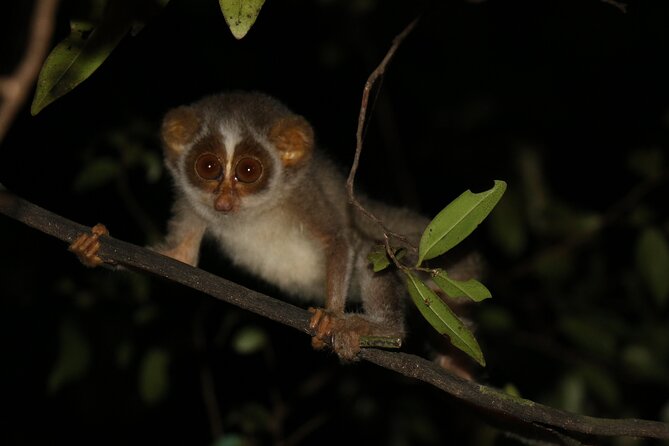
- Over 90% sighting success rate gives this hike serious credibility
- Money-back guarantee if you don’t spot a loris adds real comfort
- Expert naturalist guide turns darkness into a learning experience
- Small groups (up to 8) help you move quietly and get attention
- Gear provided means you can focus on the hunt, not logistics
Pidurangala at night: a different side of Sigiriya
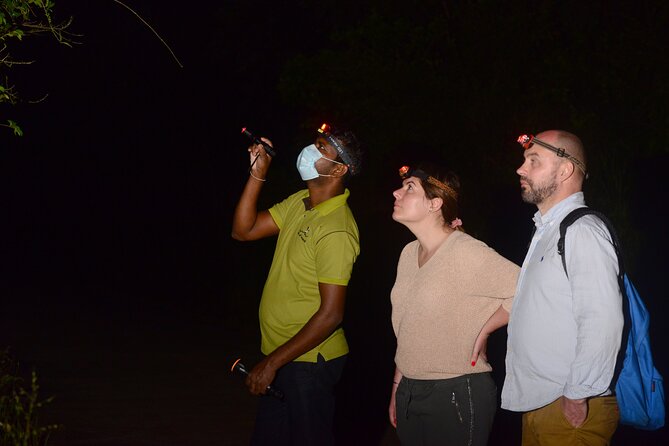
Sigiriya is famous for day-time views, so doing the Pidurangala jungle hike after dark feels like you’re switching worlds. The trails are in a wildlife habitat where sound becomes your map: you hear night birds settling, insects carrying on, and the general background noise that tells you the jungle is alive even when you can’t see much.
What makes this night walk worthwhile isn’t just the lorises. It’s the fact that you’re going specifically after nocturnal wildlife behavior, not trying to check a generic box. Once the light drops, animals make choices you can’t see from a viewpoint. Your guide helps you understand those choices so you don’t end up staring at trees like a confused extra in a horror movie.
You can also read our reviews of more evening experiences in Sigiriya
Where you meet: ROCKO’S Vegetarian Cafe setup
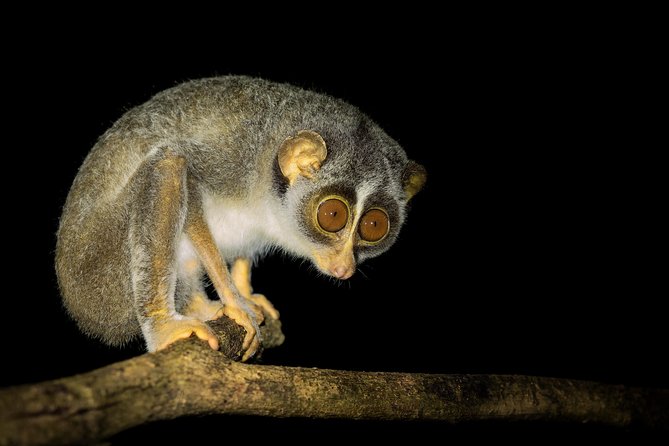
You start at ROCKO’S Vegetarian Cafe in Pidurangala. It’s a simple, practical meeting point that keeps the experience grounded rather than turning it into a complicated pickup circus.
This is also where the session gets oriented. The format tends to begin with an explanation of the loris and what to expect in the dark, followed by a walk where you’re actively searching. In the field, you’ll use the gear provided (including headlamps in the way the guides run it), and you’ll be moving with a live English-speaking guide.
Because the group is capped at 8 participants, you’re not fighting for visibility. And in some cases, the group can be even smaller, which means you usually get more help pinpointing where animals are.
The loris hunt: slow steps, quiet scanning, real patience
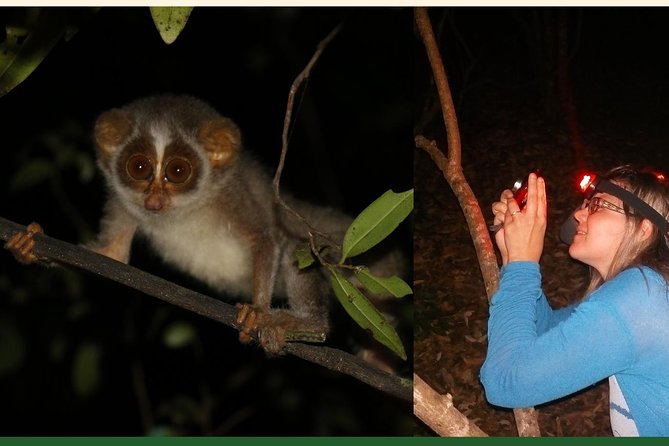
This hike is built around a simple idea: lorises don’t do well with frantic movement and harsh disturbance. So the walk rhythm is slower than you’d expect. You stop. You scan. You wait for the tiny cues that an animal is present—movement in the canopy, a silhouette that doesn’t match the branches, or a loris that’s only partially visible before it tucks in again.
The guide’s job isn’t just to point and hope. It’s to read the habitat and use light in a way that helps you see without turning the situation into an alarm system for the animal. That’s a big part of why the success rate runs above 90%. It’s not luck-only. It’s skill plus conditions.
And yes, you’ll likely hear plenty in the background while you’re searching. That can make waiting feel long if you’re expecting an instant payoff. But for most people, the “wait” is part of the fun because you’re learning to spot wildlife the way a local naturalist does, not like a tourist watching a performance.
More than lorises: the real bonus of nighttime wildlife
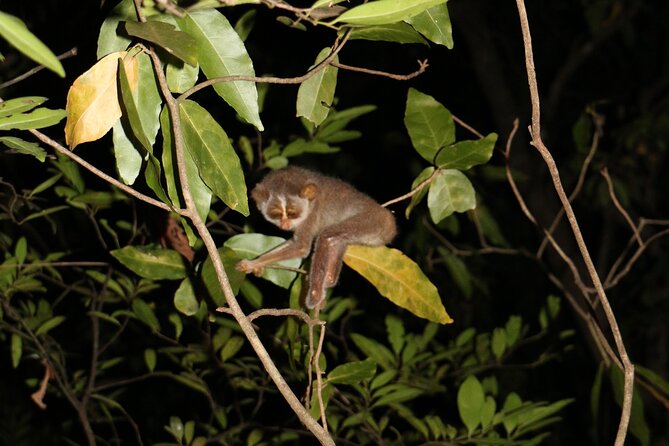
Loris is the headline, but the night has a supporting cast. On some walks, you might also spot other creatures that are active around the same hours, including sleepy birds, unusual reptiles, and small mammals.
In the experiences I’m basing this on, the other finds have included things like:
- a kangaroo lizard hanging and sleeping in a branch
- geckos
- an adult and baby mouse deer
- plus moments with bioluminescent insects and unique nests
Not every night will match that exact mix. But the key takeaway is that you’re walking through a living system. When your guide explains what’s going on, those side sightings stop being random and start making sense.
Even if the lorises are your only real goal, this “bonus wildlife” factor often turns the evening into a broader nature education session rather than a one-and-done animal sighting.
Gear and clothing rules (and why they’re non-negotiable)
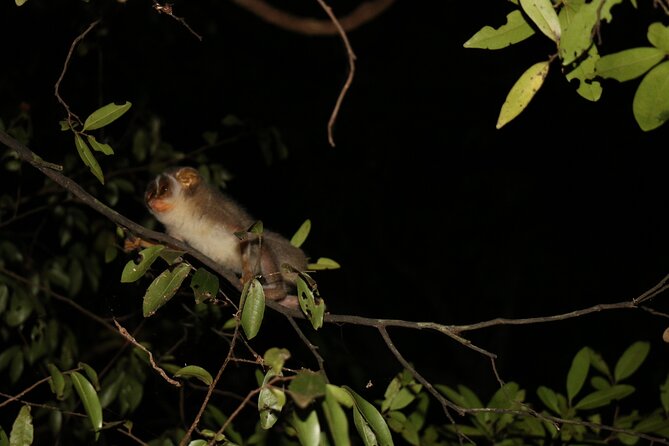
This is the part people underestimate. You’re hiking through jungle at night, which means bugs, vegetation, and uneven ground.
Bring:
- long-sleeved shirts
- long pants
- closed-toe shoes
The night walk style makes these items practical, not just “for safety.” Long sleeves and pants help you handle plant contact and insects without shredding your evening. Closed-toe shoes matter because you’re moving on uneven paths in low visibility, and you want stable footing.
Also, if you’re thinking you can wear something light and breathable because it’s hot in Sri Lanka—save that plan for day hikes. At night in the jungle, your comfort will be much better if you follow the clothing guidance exactly.
You can also read our reviews of more hiking tours in Sigiriya
Price reality check: is $64 good value for this specific goal?
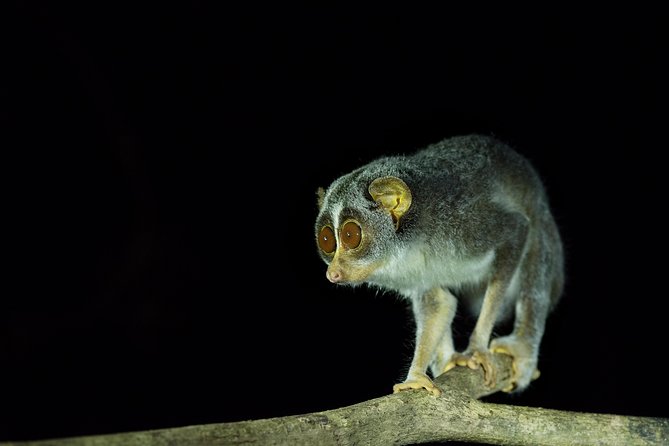
At $64 per group up to 2, this hike prices out like a specialty wildlife tour rather than a budget add-on. But value comes down to what you’re buying: not just “someone will take you somewhere,” but a guided hunt for a rare, nocturnal primate.
Here’s how it stacks up for your money:
- High likelihood of success (over 90%) means you’re not gambling as hard as you would on a self-guided night walk
- Naturalist guidance means your time produces learning, not only photos
- Small group size helps your odds of seeing animals without constant crowd disruption
- Money-back guarantee if you don’t spot a loris adds a real layer of fairness
One practical way to think about it: this tour is for people who would rather pay a bit more and get a stronger shot at the experience, guided by people who actually know what to look for. If you’re the type who’s happy with scenic night walks but doesn’t care about lorises, you may find you’re paying for something you won’t fully use.
If your priority is loris sightings, though, the structure and success rate help justify the cost.
Timing and conditions: when the jungle makes it harder
You should expect nature to act like nature. Two conditions that can affect your chances are:
- Rain: when it’s wet, lorises may hide deeper and become harder to spot
- Full moon: extra natural light can change where animals feel comfortable, often pushing them deeper into the jungle
In practice, this doesn’t mean the tour is pointless. It means you should go in with flexible expectations. Even on less-than-perfect nights, you’ll still get the education part—your guide is there to teach you how nocturnal animals respond to conditions, not just to hand you a “got it” moment.
The money-back guarantee is important here. It doesn’t erase the fact that the jungle controls the outcome, but it does reduce the sting if lorises don’t show.
Who should book this night hike?
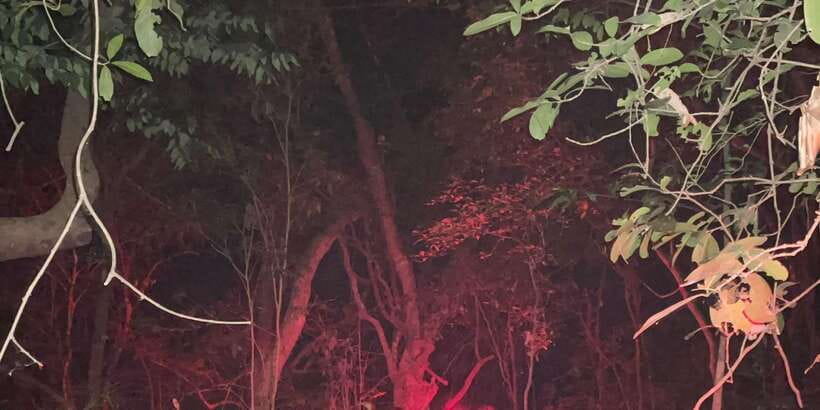
I’d put this tour in the “worth it” pile if you:
- love wildlife and want to see how animals behave at night
- enjoy guided learning, not only sightseeing
- are comfortable walking in the dark with headlamp use and proper clothing
You might skip it if you:
- want a long, high-adrenaline adventure hike (this is more careful searching than endurance trekking)
- dislike the idea that animal sightings are never 100% controllable
It also fits well with couples and small friend groups because the price is set for up to two people per group rate, and the overall group size stays small.
The ethical side: why this feels different
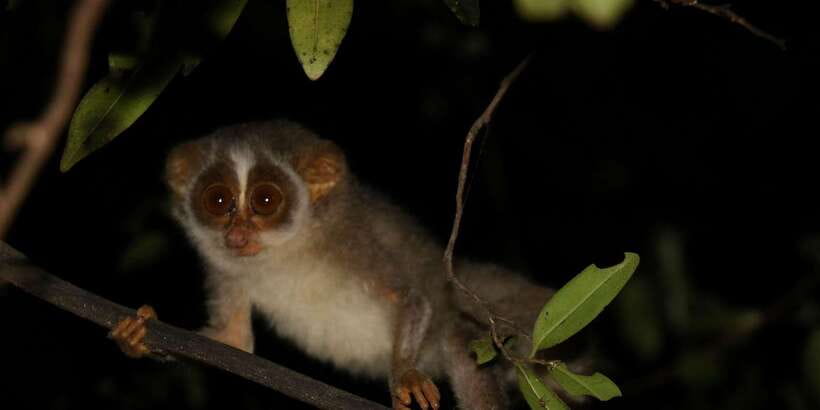
What’s notable here is the conservation framing. The people leading this are part of a conservation organization approach, and the work supports protecting lorises and their habitat. That matters because loris watching can easily turn into disturbance if operators treat the animals like props.
In this kind of tour, respect shows up in how you’re guided: quiet searching, staying mindful of habitat, and using explanations that focus on the animals rather than sensationalizing them. You’ll also get a short education component before the walk, so you understand why the rules exist and what you’re looking for.
Should you book this night hike?
If your dream is a real shot at seeing lorises in the Sigiriya area, I think this is a strong choice—especially because it combines expert guidance, a high success rate, and a money-back guarantee tied directly to the outcome you care about.
Book it if you can follow the simple clothing rules and you’re okay with the jungle setting the terms. Skip it only if you’re expecting guaranteed sightings no matter the weather or you’d rather spend your time and money on daytime Sigiriya-style sights.
If you’re torn, make this the night plan. It’s one of the few experiences around Sigiriya that turns the dark into a meaningful place to learn, not just a gap between attractions.
FAQ
What is the duration of the night hike?
The activity is listed as 1.5 hours.
Where do I meet for the tour?
You meet at ROCKO’S Vegetarian Cafe, Pidurangala.
How much does it cost?
It’s $64 per group up to 2.
Is the tour conducted in English?
Yes. The live tour guide is English.
What are the chances of seeing a loris?
The experience is promoted with an over 90% success rate for spotting lorises, and there’s a money-back guarantee if you don’t spot one.
What should I bring and wear?
Bring long-sleeved shirts, long pants, and closed-toe shoes, since the hike takes place through the jungle.
Is the group size small?
Yes. It’s a small group limited to up to 8 participants.