REVIEW · MOUNT ETNA
Mount Etna: Hike to The Highest Point With a Guide
Book on GetYourGuide →Operated by Guide Vulcanologiche Etna Nord · Bookable on GetYourGuide
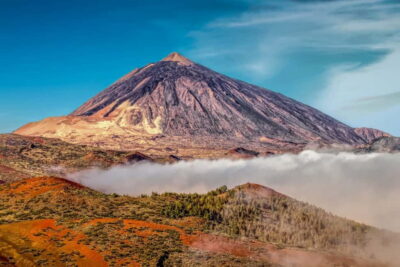
Volcano hiking with a guide keeps it real. This Mount Etna trek trades postcard views for active volcano terrain you can feel underfoot, starting with a cable car ride and ending near the craters.
I especially like the chance to walk past steaming lava flows and hot volcanic rocks up close, not from behind a fence. I also love how the licensed volcanology guide turns the terrain into a story you can actually see: where the heat comes from, what fumaroles are doing, and how eruptions reshape the mountain.
The main drawback is that it’s high altitude and crater-edge walking. If you’re sensitive to heights, wind, or shortness of breath, you’ll need to take the suitability rules seriously.
In This Review
- Key Things You’ll Notice on This Etna Hike
- Mount Etna With a Pro Vulcanology Guide: What Changes
- The Cable Car Start at 1,900 and 2,500 Meters
- Barbagallo Crater and the Slow Build Toward 3,000 Meters
- Fumaroles and Basalt Canyon: The Heat You Can Actually See
- Walking by Recent Lava Flows: How the Mountain Stays Alive
- Crater Edges, Wind, and Safety Reality
- Valle del Bove and the Return Down the Mountain
- Gear You Get (and the Things You Still Must Bring)
- Price and Value: What You’re Paying for
- Who Should Book This Hike (and Who Should Not)
- Languages, Group Size, and Pace
- Should You Book This Mount Etna Highest-Point Hike?
- FAQ
- How long is the Mount Etna highest-point hike?
- What does the €65 price include?
- Do I need to pay for the cable car separately?
- How high will we hike on Mount Etna?
- What should I bring for the hike?
- Is the tour available for kids and people with health issues?
Key Things You’ll Notice on This Etna Hike
- Cable car to 2,500 meters: you’re not wasting energy on the longest approach. You start the volcanic walking faster.
- Scientific altitude push to 3,000 m: you may go beyond the usual 2,750-meter limit for scientific purposes, when the group tolerates it.
- Fumaroles and hot gases up close: you get to see and approach volcanic activity while staying in the safer, authorized zones.
- Fresh lava effects near the top: you’ll spot recent eruption results, then walk sections where the ground still feels hot.
- Southeast Crater base + 2002 crater area: you get a clear sense of Etna’s current “hot zones,” not just the easy viewpoints.
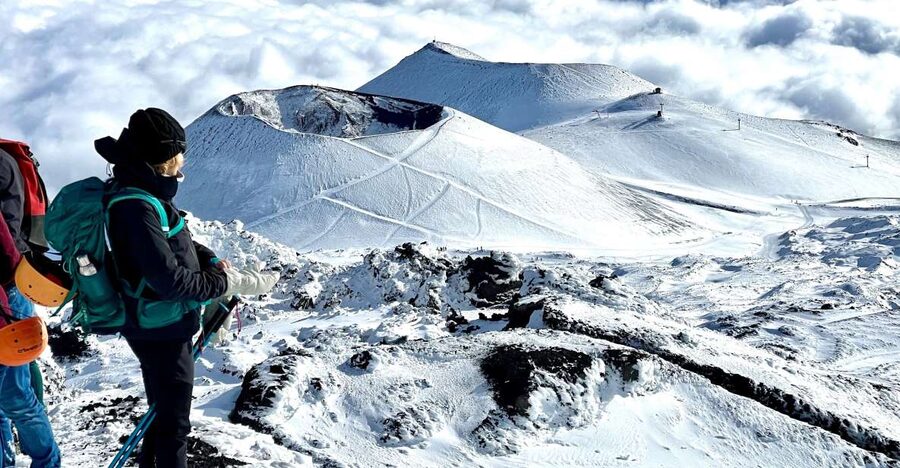
- Winter reality check: if there’s snow or ice, the route can get tricky, and you’ll want the right traction and layers.
Mount Etna With a Pro Vulcanology Guide: What Changes
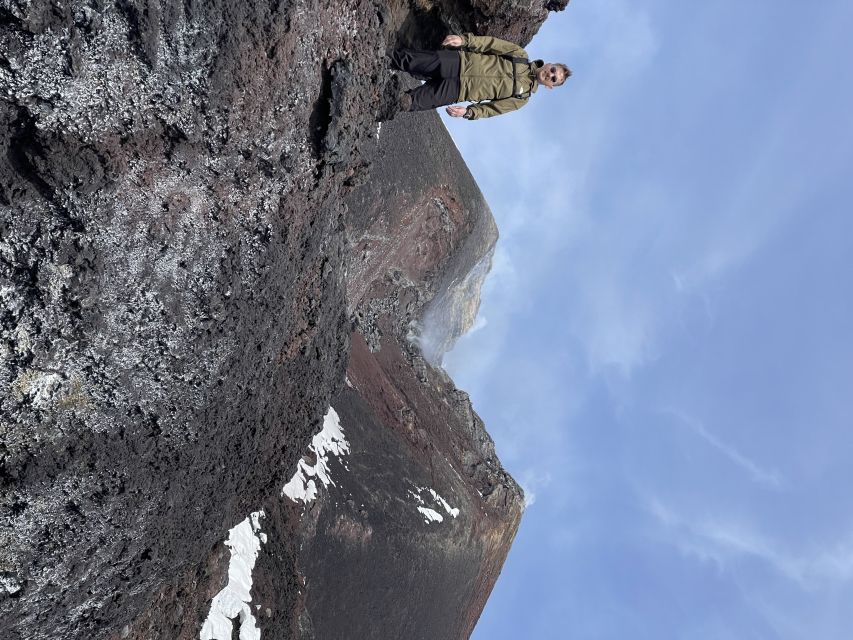
Mount Etna can feel like a theme park from a distance. Up close, it’s pure geology with heat and instability. What makes this hike worth your time is that you’re not just climbing—you’re doing it with a volcanology guide who’s focused on where you can safely go and why.
The hike is designed to keep you away from the highest-risk areas that can change with volcanic activity. That matters on an active volcano, because the “safe” zones aren’t universal. They’re managed. You’re basically buying two things: time on the mountain and someone trained to interpret the mountain.
Guides can be the difference between I saw lava and I understood lava. You’ll likely hear names like Andrea Montemagno and Vincenzo, and the vibe from other guides such as Nikos and Fabio is similar: clear explanations, good group management, and a sense of humor that keeps hard moments from feeling grim.
You can also read our reviews of more guided tours in Mount Etna
The Cable Car Start at 1,900 and 2,500 Meters
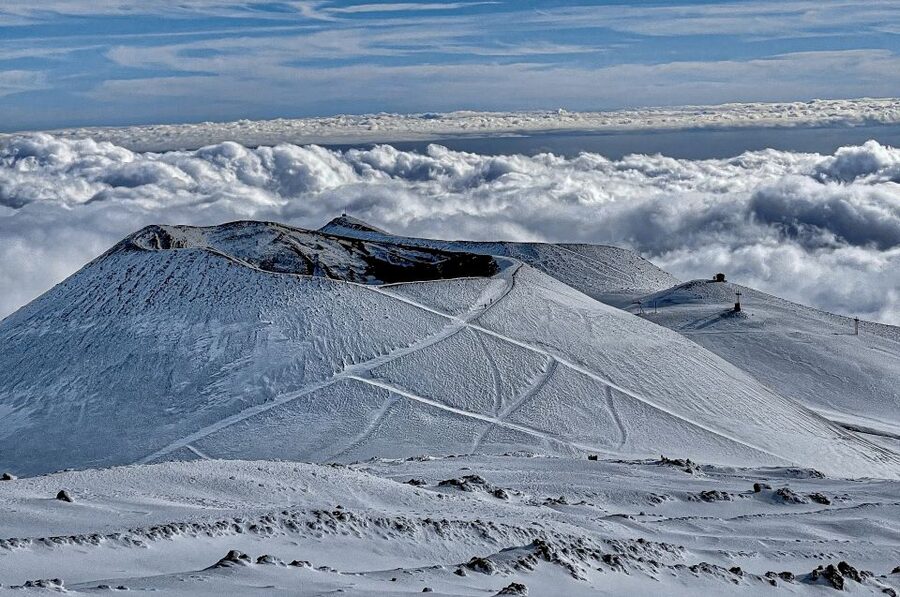
The day starts around the Esagonal Bar area at about 1,900 meters. You meet the guides in the parking lot in front of the bar, then there’s a short transfer that gets you lined up for the next step.
From there, you take the scenic cable car up to 2,500 meters before you start the trek. This is a smart setup if you want Etna’s summit zones without turning the trip into a full-day endurance mission.
A practical note: the cable car is separate from the hike price. You pay it on-site at the Funivia dell’Etna office right before departure. Plan for a small wait too; the top stations can get busy.
Once you’re at altitude, the air changes fast. Even if you’re in decent hiking shape, you’ll want to move steadily and dress for wind. Etna weather can shift quickly, and the higher you go, the more you feel it.
Barbagallo Crater and the Slow Build Toward 3,000 Meters
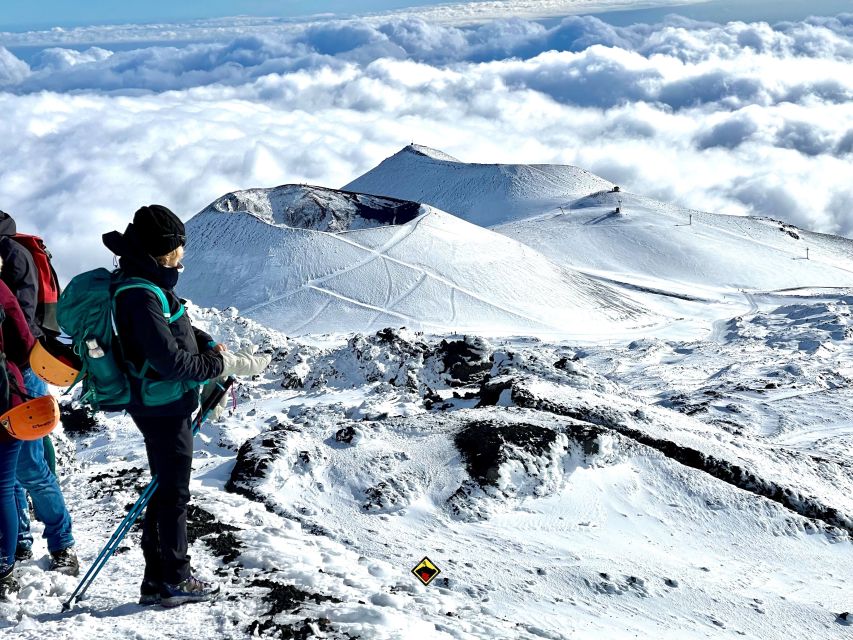
The trek centers on a guided walk in the crater area (the schedule spends a bit over two hours on the Barbagallo Crater guided portion). Even when the hike doesn’t feel like a steep mountaineering scramble, the terrain is uneven, volcanic, and sometimes sharp underfoot.
What you’re really doing here is learning how to read the ground. Volcanic surfaces can look solid but behave differently as you walk—loose ash, dusty slopes, or rock that’s still warm from recent activity. That’s why the guide’s pacing matters. In higher-altitude treks, “fast” is often just another way to get tired too early.
This is also where the day’s big altitude moment happens. The hike is set up with special authorization for scientific purposes to pass the then-current altitude limit of 2,750 meters and push toward 3,000 meters, when the group tolerates it. That’s not just a flex. It’s part of why the summit zones are accessible at all on this itinerary.
If your body runs hot on altitude—headache, nausea, dizziness—you’ll want to listen to the guide early. The route is not designed for pushing through misery.
Fumaroles and Basalt Canyon: The Heat You Can Actually See
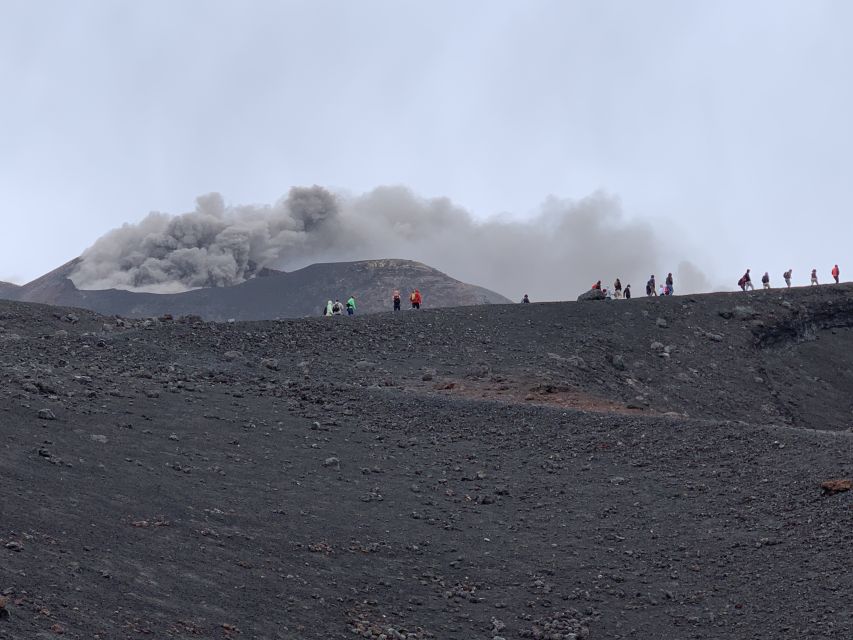
One of the most memorable parts is getting close to fumaroles—vents where hot gases rise from underground. You don’t just get a distant look. You’re guided to the areas where you can observe the activity while staying in the controlled path.
The sensory element is real: you can feel warmth and smell that volcanic sulfur edge. It’s not subtle. This is where the hike becomes educational in a hands-on way. The guide can explain what you’re seeing, like why those gases exist and how they relate to magma and subsurface channels.
Next comes the chance to visit a small basalt canyon, assuming it’s not buried by snow. That “if conditions allow” is part of Etna’s charm. You might get a tighter view of rock structure one day, and a different set of passages another day depending on weather.
And if you’re walking close to steaming ground, you’ll understand the highlight promise quickly: you’ll walk on volcanic rock that feels hot. It’s a strange mix of hiking and being inside a living lab.
Walking by Recent Lava Flows: How the Mountain Stays Alive
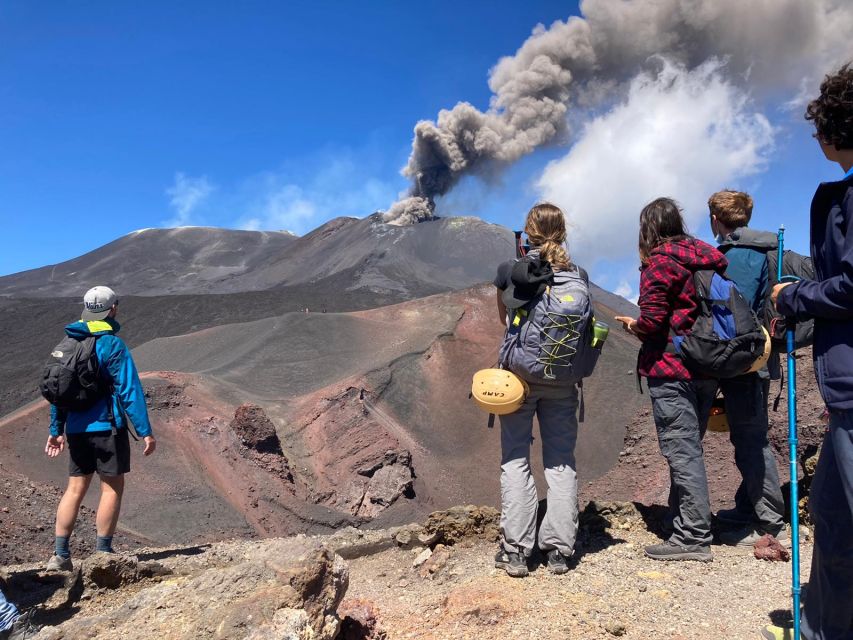
A key feature is passing by still-steaming lava banks from the most recent eruptions. This is one of those details that sounds dramatic in a description, but once you’re there, it clicks: the mountain doesn’t just have scars. It still runs heat and emissions through the rock.
You’ll also get panoramic views near the summit craters. That’s the payoff for the climb, but don’t treat it like a postcard stop. On Etna, the view is layered with context. When the guide points out which volcanic features connect to which eruption history, the terrain turns from random to readable.
From the top zones, you’ll also spend time at the base of the most active crater at the moment—described as the Southeast Crater—then move toward the large craters of 2002. The names help you anchor the story, because you can think in terms of eruption cycles rather than just “a big volcano.”
If it’s a cold day, those crater areas also feel harsher than you expect. Wind can cut fast, and rock gets colder once the sun angle shifts. I’d plan like it’s colder and windier than your app says.
You can also read our reviews of more hiking tours in Mount Etna
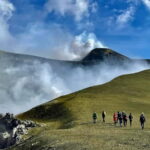
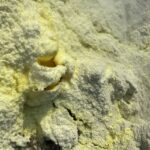
Crater Edges, Wind, and Safety Reality
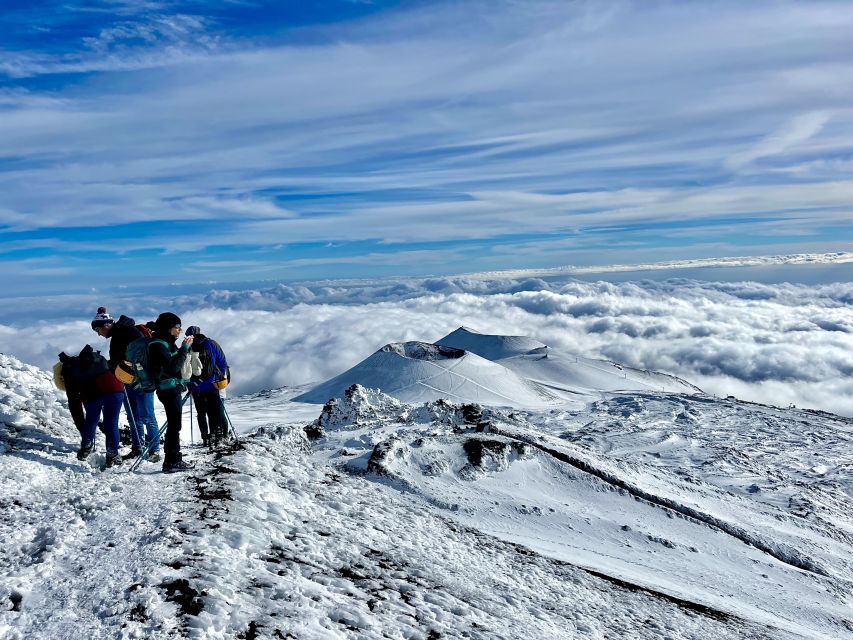
Etna hiking in crater zones sounds exciting for a reason: it’s intimate. You’re walking near crater edges, and that can cause dizziness in sensitive individuals. The route is for trained hikers, and the itinerary includes walking along crater areas that require steadier footing than a normal trail.
The wind is a frequent theme. On very windy days, you’ll likely understand why people talk about holding on near ridgelines. You might not always get extreme wind, but you should assume you will feel strong gusts up high.
What I like about this operator’s approach is that they’re explicit about risk management: you stay away from the highest-risk areas subject to restrictions and changes, and you’re equipped for the climb with helmets, trekking poles, and warm layers.
You’ll feel that in small moments: stops for safety checks, guide adjustments for group pace, and route choices that aim to keep you on stable ground.
And yes, there’s altitude. The hike reaches around 3,000 meters. If you have any respiratory limits, heart issues, epilepsy, recent surgeries, very recent medical concerns, or you’re prone to panic when oxygen feels thin, this is the kind of activity you should skip. The suitability list is strict for a reason.
Valle del Bove and the Return Down the Mountain
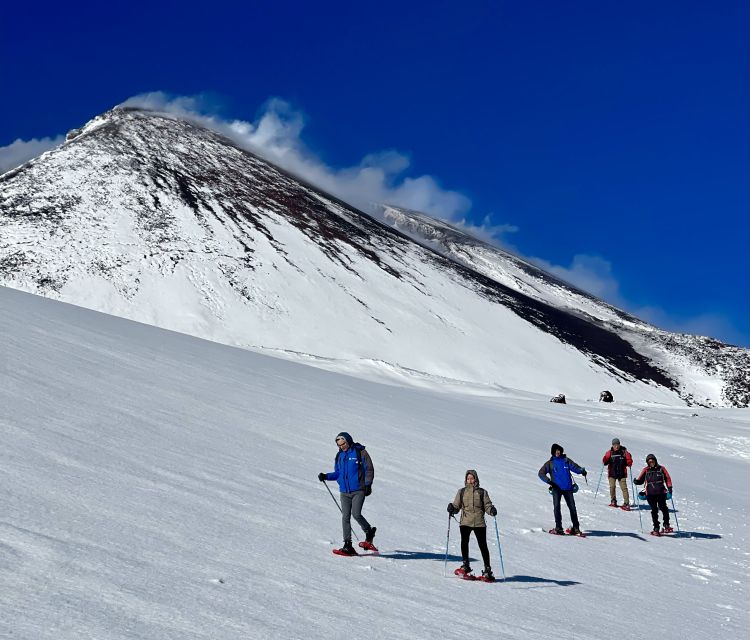
After the summit-area walking and crater stops, the schedule includes a descent path back toward the cable car station. The itinerary mentions a descent route that can include snow in winter, which is exactly when downhill footing becomes the tricky part.
Downhill can be harder than the climb, especially when the surface is sandy, icy, or loose volcanic grit. If you’ve got knee concerns, keep your expectations honest. Trekking poles help, and taking the guide’s pace helps more.
There’s also a transfer back to the meeting point area after you reach the cable car. The whole outing is about five hours, including transfers and stops.
One more practical note: even on clear days, crater-adjacent routes can be physically demanding. It’s not just about endurance. It’s balance plus concentration.
Gear You Get (and the Things You Still Must Bring)
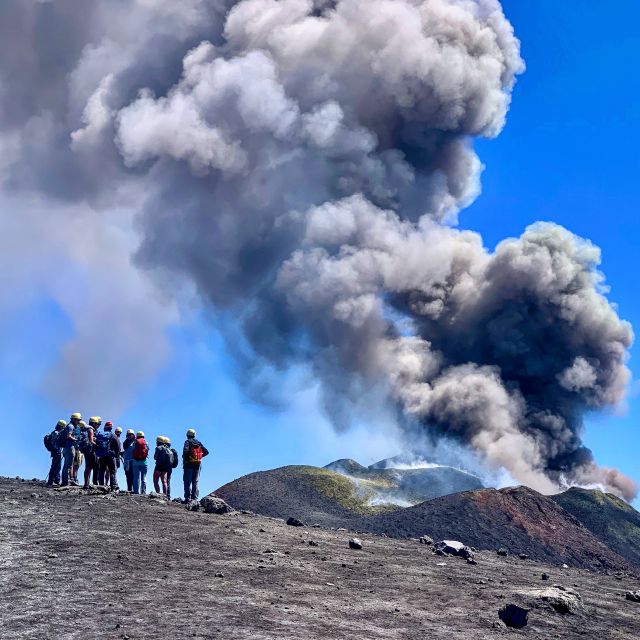
This hike includes a lot of what people forget they need. You get:
- trekking poles
- helmets
- warm jackets
- trekking shoes
- a backpack
- accident insurance
- trekking add-ons like the Etna entry fee
But you still need to show up ready. Here’s what the operator tells you to bring:
- windbreaker
- sunglasses
- sunscreen
- snacks and drinks
- change of clothes
- long pants and comfortable layers
- hiking shoes (though trekking shoes are included—still make sure your feet fit well and you don’t arrive in the wrong footwear)
Gloves and hats are not included, so bring your own. On a windy volcanic top, that detail matters more than you’d think.
What’s not allowed: high-heeled shoes, sandals or flip-flops, alcohol or drugs. Keep it simple and safe.
And since the route can include colder conditions, dress in layers. The guide may hand you warm jacket gear, but you’re still the one controlling comfort under that jacket.
Price and Value: What You’re Paying for
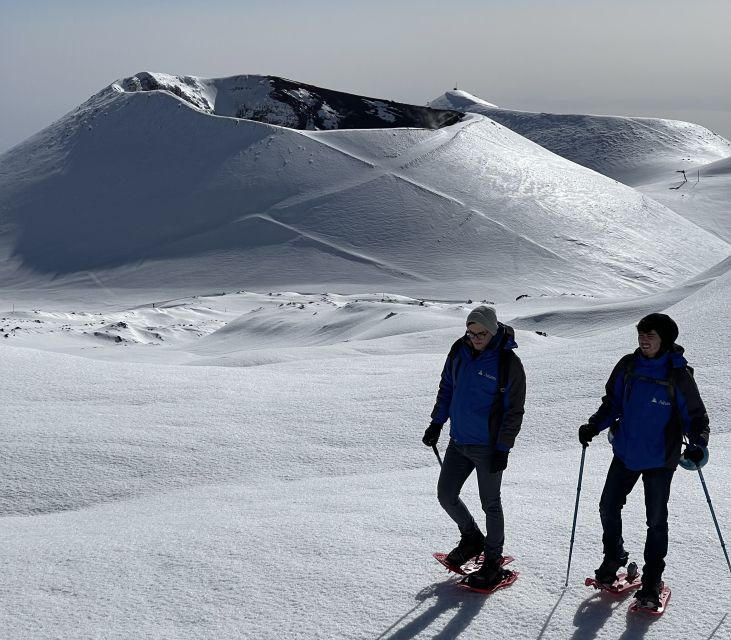
The hike price is listed at $65 per person for about a five-hour guided outing. Cable car tickets are not included and cost €52 per person, paid on-site.
So is it worth it? In my view, the value is in what’s bundled: a volcanology guide, helmets, poles, warm jackets, trekking shoes, accident insurance, and an Etna entry fee. You’re not paying just for company. You’re paying for specialized expertise and the safety layer that comes with it.
The cable car extra is the one predictable cost you should plan for up front mentally. Also note that transport from your accommodation isn’t included, so you’ll want to handle your own ride to the starting area.
When you do the math, this isn’t a bargain-saver-style tour. But it is a fair deal for a guided trek into active volcanic terrain, where the gear and guide training make a real difference.
Who Should Book This Hike (and Who Should Not)
This is best for you if:
- you hike regularly or at least have real trekking experience
- you’re comfortable walking on uneven ground and near crater edges
- you like geology explanations and want to see volcanic features close-up
- you can handle wind and cold at altitude without spiraling
You should think twice or skip if you have:
- vertigo, mobility impairments, back problems
- heart problems, respiratory issues, epilepsy
- high blood pressure, recent surgeries
- low fitness or little hiking experience
- anyone under the age cutoff (children under 12 are not allowed)
Also remember: dizziness can happen from the route’s crater-edge elements. Even if you’re fine on normal trails, the combination of height + wind + volcanic footing is different.
Languages, Group Size, and Pace
The tour runs with live guides in Italian, French, and English. That matters on a volcano, because you’ll get better safety decisions and better explanations when you understand the guide clearly.
Group size can feel small. One strong theme from real-world days on this itinerary is that groups are often kept around a tight size, which tends to make it easier to manage footing, pacing, and pauses for photos.
Pacing is steady but not slow. There are guided segments and photo stops, plus short breaks. In tough conditions, the guide’s job becomes balancing “see the mountain” with “get everyone back safe.”
Should You Book This Mount Etna Highest-Point Hike?
Book it if you want a serious volcano day with real guidance—fumaroles, fresh lava, crater zones, and summit views—and you’re comfortable with altitude and uneven ground. The included gear and volcanology focus are part of why it feels like value, not just a hike.
Skip it if you know you struggle with heights, wind exposure, breathing limits, or if your fitness is low. This isn’t a stroll. It’s a controlled walk on an active mountain, and control is the point.
If you’re on the fence, I’d lean toward booking only if you can dress for cold wind, bring layers and your own gloves/hat, and commit to steady pacing. Etna rewards preparation.
FAQ
How long is the Mount Etna highest-point hike?
The total duration is about 5 hours, including transfers and scheduled stops.
What does the €65 price include?
It includes a volcanology guide service, trekking poles, helmets, accident insurance, Etna entry fee, warm jackets, trekking shoes, and a backpack.
Do I need to pay for the cable car separately?
Yes. Round-trip cable car tickets cost €52 per person and are paid on-site at the Funivia dell’Etna office just before departure.
How high will we hike on Mount Etna?
You reach about 3,000 meters near the summit craters. The hike can pass the current 2,750-meter limit for scientific purposes, depending on conditions and how the group tolerates altitude.
What should I bring for the hike?
Bring a windbreaker, sunglasses, sunscreen, long pants, comfortable clothes in layers, hiking shoes, snacks and drinks, and a change of clothes. Gloves and a hat are not included, so bring those too.
Is the tour available for kids and people with health issues?
Children under 12 are not allowed. The activity is also listed as not suitable for people with back problems, mobility impairments, heart problems, vertigo, respiratory issues, epilepsy, recent surgeries, high blood pressure, low fitness, and those without experience.