REVIEW · THESSALONIKI
Mount Olympus Hiking Experience – Trekking in Greece
Book on Viator →Operated by Greek Adventure · Bookable on Viator
Two days on Olympus changes your breathing. You’ll climb from Gortsia toward the Moussa plateau, sleep in mountain shelters, then tackle the Mytikas summit on day two—highest point in Greece—led by an English-speaking team focused on safety. I love the refuge-to-summit rhythm, and I love the moment you pass the Pass of Iossos and look out toward the plateau of the Muses.
The best part for me is how the guides manage pace and confidence—names like Adam, Sotiris, Giannis, Thanos, and Iraklis show up across Olympus treks with Greek Adventure. One drawback to plan for: the Mytikas summit is not a guaranteed checkbox; the guide can adjust the route based on weather and altitude safety.
In This Review
- Key things to know before you hike Olympus with a guide
- From Litochoro square to Gortsia: day one’s climb and shelter night
- Day one at a glance (what to expect)
- The Pass of Iossos: why this section feels different
- Day two: Mytikas summit day, altitude risk, and the weather call
- If you reach Mytikas
- If you don’t reach the top
- Refuge nights on Olympus: what included lodging really means
- Sleeping bag note that matters
- Included vs not included: value for $433.06
- Meal add-ons: what you’re buying
- Transfers and time saved
- Gear checklist that keeps you moving (and not cursing)
- Footwear and weather layers
- Your rucksack setup
- Small items that prevent big headaches
- Fitness level: who this hike suits best
- Guides and pacing: why the team reputation matters
- Weather and summit reality: how to plan your mindset
- Should you book this Mount Olympus Hiking Experience?
- FAQ
- Where does the tour meet and end?
- How long is the hiking each day?
- How high do we go?
- Is the Mytikas summit guaranteed?
- What’s included in the price?
- Are meals included?
- Do I need to bring my own gear?
- How big is the group?
- What if the weather is bad?
Key things to know before you hike Olympus with a guide
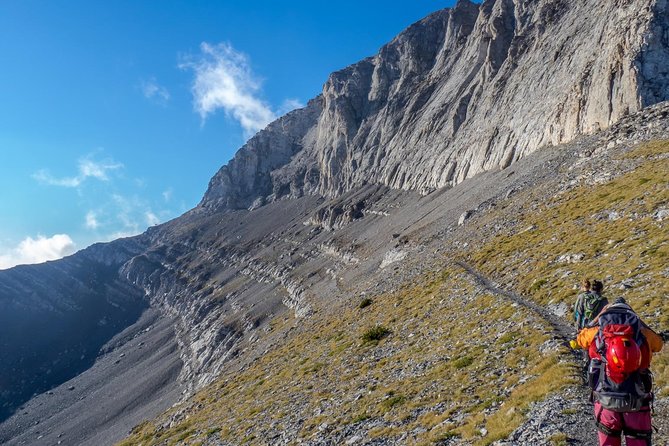
- Two big days, one safety-first summit decision: day two includes the Mytikas push, but it depends on weather, snow, and how everyone is doing with altitude.
- Refuge nights on the Moussa plateau: you sleep in mountain shelters, which keeps the trek realistic and efficient instead of turning it into a long slog.
- Real elevation gains: day one climbs from about 1,123m up to roughly 2,724m, with a steep 1,609m ascent on paper.
- Small-group feel: maximum of 40 travelers, so it’s not a city-crowd experience.
- You carry your own essentials: pack light and be ready to haul what you bring across both walking days.
From Litochoro square to Gortsia: day one’s climb and shelter night
The trip starts in Litochoro at Enipeos 1. After meeting in the square, you ride about 13.5 km up to Gortsias (1,123m). This matters because it helps you start hiking at altitude quickly, without burning a full day just getting into the mountains.
Day one is all about building rhythm. You hike for about 2.5 hours and pass through named points along the way—Barba, Koka, and Strangos—before reaching Petrostruga shelter (1,940m) for a short stop. I like this structure: you get a clear early milestone, then you keep moving instead of stalling out.
From Petrostruga, the route keeps stepping upward: Skourta (2,476m), then Laimos, and eventually the Pass of Iossos. That pass is a special moment on this hike because it lines up with your view of the plateau of the Muses—the kind of dramatic, storybook place that makes Olympus feel bigger than a name on a map.
Then you change focus from “how far” to “where you’ll sleep.” After a junction, you head toward the shelter of G. Apostolidis on the Moussa plateau, where you stay overnight. Day one ends with a long walking day on the books—about 7 to 8 hours—but the refuge night prevents you from turning it into a marathon with no recovery.
Day one at a glance (what to expect)
You’re looking at roughly 13.5 km of hiking, about 1,609m ascent, and a relatively modest descent by the end of the day. The highest point listed for day one is about 2,724m. If you’re the kind of hiker who gets nervous about altitude, day one is where you learn your pacing. Slow and steady usually wins here.
The Pass of Iossos: why this section feels different
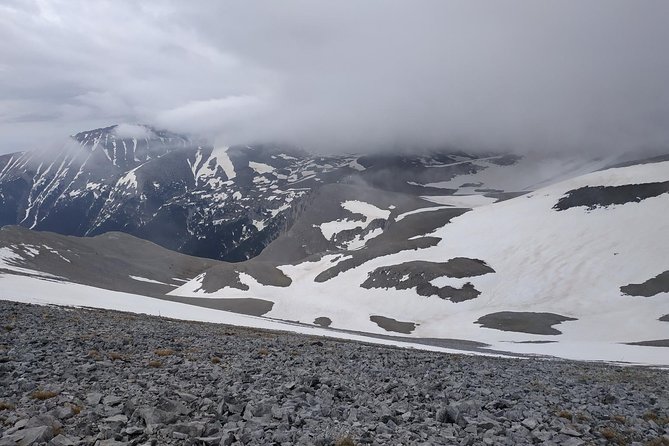
Even if the route is physically demanding, the Pass of Iossos is one of those “mental reset” moments. It’s not just scenery. It’s a change in perspective.
You go from wooded or rocky travel into a higher, more open feel, and you’re pointed toward the plateau of the Muses. That matters because Olympus isn’t one uniform view the entire time. Day one gives you variety: a sequence of climbs, then a pass and open plateau views that feel more expansive than the lower trail.
If you want a practical tip: bring sunglasses and expect strong sun above treeline-like conditions. A warm layer matters too. Wind can show up without warning at those heights, especially near passes.
Day two: Mytikas summit day, altitude risk, and the weather call
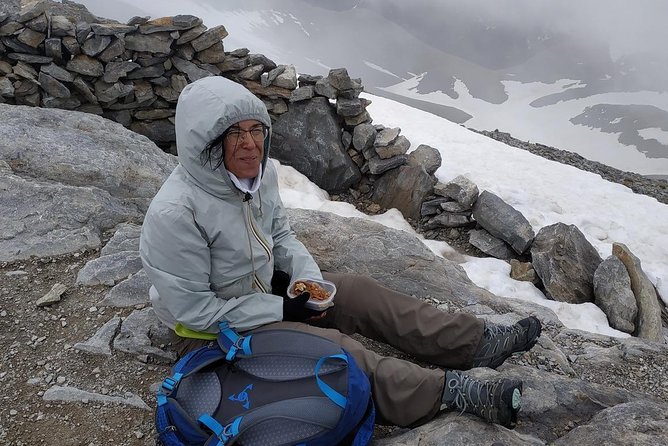
Day two starts early. You wake up at the refuge, then begin with breakfast—meal timing depends on whether you chose an add-on package, because meals are not listed as included in the base price. After that, you go for Mytikas (2,918m), the highest mountain in Greece.
This day is the one that needs the most respect. The climb to the top requires extra effort, and it specifically comes with an altitude warning: you must be mindful of altitude sickness. The tour also notes that the guide uses safety equipment to reach the top.
Then comes the honest part: your summit decision is up to the guide depending on weather conditions and your physical condition. The rules are clear—if there’s snow, the ascent to Mytikas isn’t possible. That means your day two might look like a summit day, or it might become a very strong high-altitude trek without the very top.
I actually like that approach. I’d rather have a guide who makes the safe call than someone who treats the summit like a stamp you must get at any cost.
If you reach Mytikas
If the conditions allow it, you’ll enjoy a unique view of Olympus peaks and the Olympic coast. You’ll also sign a visitor’s book at the top. That small ritual is a nice grounding moment when your body is tired and your brain is foggy.
If you don’t reach the top
The route doesn’t end. You descend and follow the trail to Spilios Agapitos refuge, then continue on to Prionia, where a car waits to take you back to Litochoro. In other words, the day still has a clear objective and a finish line, even if the top doesn’t happen.
Refuge nights on Olympus: what included lodging really means
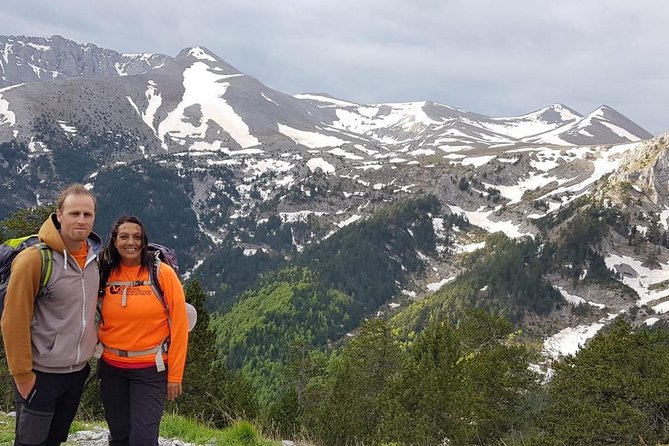
This trek includes accommodation in the refuges on Mt. Olympus. What that translates to in real-life terms is: you get a bed for the night in mountain shelters, not back at a hotel. That keeps the hike efficient and prevents the trek from being spread across too many days.
Because the shelters operate on mountain logistics, the packing list includes items that make refuge sleeping possible and comfortable:
- a sheet sleeping bag or duvet cover
- warm layers for cool evenings
- basic wash items and a simple first aid kit (think plasters/blister kit)
You should also expect limited creature comforts. That’s not a complaint—it’s part of the experience. Refuge nights also help you keep your pack simpler: you’re moving between shelters, not dragging gear through multiple road segments.
Sleeping bag note that matters
The tour asks for a sheet sleeping bag or similar because blankets may be available, but it’s better to come prepared. If you hate cold feet, don’t skip this.
Included vs not included: value for $433.06
The price is $433.06 per person for about two days. On paper, it’s easy to compare to a hotel weekend. In practice, it’s different.
What’s included:
- Accommodation in refuges
- A Greek Adventure English-speaking guide
- Transfer Litochoro – Gkortsia – Litochoro
- All taxes
What’s not included:
- Meals, drinks, and beverages (you can add meal packages)
- Transport from Athens or other towns to/from Litochoro
Meal add-ons: what you’re buying
There are two meal supplements listed:
- FB supplement: 55€ per person includes 1 breakfast, 2 lunch packs, 1 dinner
- HB supplement: 25€ per person includes 1 breakfast, 1 dinner
You can treat those as optional insurance for comfort. If you want to hike without thinking about where to eat each day, the FB option is usually the smoother choice. If you’re okay buying some things at shelters, HB can be enough.
Transfers and time saved
The included ride up to Gortsias and the ride back from Prionia make a real difference. You don’t have to figure out mountain transport, and you start day one already in the right altitude zone.
Gear checklist that keeps you moving (and not cursing)
This is a challenging walk, so your gear matters more than your fashion choices. The tour’s packing advice is straightforward, and I’d follow it.
Footwear and weather layers
Bring:
- sturdy, worn-in trekking shoes (new shoes are a bad idea here)
- a good waterproof top with hood
- warm clothes for wind/cold daytime and cool evenings
Think layers. You’ll likely sweat on climbs, then cool off quickly in shade or near passes.
Your rucksack setup
You carry everything you bring. The guide recommends:
- a large comfortable rucksack 40–50 litres with padded straps and waist belt
- ideally an internal frame
- a waterproof liner to keep clothing dry inside
If you’ve ever carried a bag that shifts on your shoulders for hours, you know how fast that kills motivation. This pack structure helps prevent that.
Small items that prevent big headaches
The list includes:
- water bottle
- sunglasses, sun hat/cap, sun block
- torch/head torch
- walking sticks (these can be a game-changer on descents)
- a wash bag and simple first aid kit (blister kit helps a lot)
- penknife and a few essentials for daily comfort
Bring a towel too, since the list calls it out.
Fitness level: who this hike suits best
The trek calls for moderate physical fitness. But moderate doesn’t mean casual. You’re climbing big altitude for multiple hours each day.
Day one is about 7–8 hours, plus a substantial ascent. Day two is 8–9 hours with the possibility of a summit climb and an altitude adjustment factor.
This is also a good fit if you like structure. The guide decides on route adjustments and summit feasibility. That’s valuable if you’re not an expert hiker or if you get nervous about reading weather changes.
This tour also has a max group size of 40 travelers, which usually feels manageable on trail.
Guides and pacing: why the team reputation matters
The trek explicitly puts safety first, and the reviews reinforce the theme with specific guide names across Olympus hikes:
- Adam and Sotiris (praised for professionalism and encouragement, including keeping kids hiking)
- Giannis (praised for empathy and adapting pace)
- Thanos (praised for safely guiding the Mytikas climb)
- Stelios (mentioned for arranging meet-up travel support at the start and end)
- Christos and John (praised for excitement and a strong recommendation to climb)
- Iraklis (praised for well-organized logistics, including refuges and climbs, plus teaching about flora and fauna)
I can’t promise which guide you’ll get, but I can tell you what to look for in your own expectations: you want someone who manages pace, watches for weather shifts, and doesn’t rush people past their limits. This experience is built around that style of guiding.
Weather and summit reality: how to plan your mindset
This is a weather-dependent hike. The tour notes it requires good weather, and if it’s canceled due to poor weather you’ll be offered a different date or a full refund.
On the trail, the summit to Mytikas is also weather-dependent. Snow stops the ascent.
So go in with a flexible mindset:
- If you summit, you’ll remember it forever.
- If you don’t, you still get a high-altitude Olympus experience with a guided descent and solid end-of-day logistics.
That’s often the difference between a good mountain day and a frustrating one: accepting the mountain’s rules instead of expecting the mountain to follow your schedule.
Should you book this Mount Olympus Hiking Experience?
If you want a guided Olympus trek that handles the hard parts—refuge logistics, transfers, and safety decisions—then this two-day experience is a strong choice. The value is in what’s included: refuge accommodation plus an English-speaking guide plus mountain transport between Litochoro and the trailheads.
Book it if:
- you want the chance at Mytikas, but you’re okay with the guide’s weather call
- you prefer structure and safety over solo navigation
- you’re comfortable carrying your own essentials for two walking days
Skip it (or choose a different plan) if:
- altitude worries you and you don’t have a way to manage that calmly
- you hate uncertainty around summit outcomes
- you’re not ready for 7–9 hour hiking days with big elevation gains
Overall, this is the kind of trip where the effort turns into story-worthy payoff—especially if the day two conditions line up and you’re able to stand on Mytikas.
FAQ
Where does the tour meet and end?
You meet at Enipeos 1, Litochoro 602 00, Greece. The activity ends back at the same meeting point.
How long is the hiking each day?
Day one is about 7–8 hours of walking. Day two is about 8–9 hours of walking.
How high do we go?
Day one reaches a maximum of about 2,724m. Day two includes a climb to Mytikas (2,918m), if conditions allow.
Is the Mytikas summit guaranteed?
No. The guide decides whether to climb the peak based on weather conditions and participants’ physical condition. Snow can make the Mytikas ascent impossible.
What’s included in the price?
Included are refuge accommodation, a Greek Adventure English-speaking guide, transfer Litochoro – Gkortsia – Litochoro, and all taxes.
Are meals included?
Meals are not included in the base price. You can add supplements: FB (55€) includes breakfast, two lunch packs, and dinner; HB (25€) includes breakfast and dinner.
Do I need to bring my own gear?
Yes. The tour provides a detailed packing list. Expect to bring items like trekking shoes, warm layers, a waterproof top, a sheet sleeping bag, and other essentials.
How big is the group?
The tour has a maximum of 40 travelers.
What if the weather is bad?
This experience requires good weather. If it’s canceled due to poor weather, you’ll be offered a different date or a full refund.