REVIEW · BELPASSO
Mount Etna: Summit Crater Trek with Cable Car
Book on GetYourGuide →Operated by Aitne Med Etna Excursions · Bookable on GetYourGuide
Etna looks calm until it talks back. This Mount Etna summit crater trek takes you above Europe’s highest active volcano, with a guide pointing out what you’re actually seeing—craters, volcanic sand, and even a lava tunnel—while you save energy on the Etna south cable car.
I especially like two things. First, I love how the volcano guide turns scary geology into clear, human explanations, from Bocca Nuova to the 2002 eruption craters below. Second, I love the included gear: you get hiking boots, walking sticks, a wind jacket, a helmet, and insurance, so you’re not hunting for equipment at the last minute.
One thing to plan for: the base tour price is only part of the cost. The cable car and the one-way 4×4 up are extra and must be paid in cash, and the exact summit access can change with volcanic risk or weather.
In This Review
- Key Highlights You’ll Feel on This Etna Trek
- Etna Summit in 5 Hours: What Your Body Needs to Know
- Meeting Etna South and Getting Equipped Before You Climb
- Cable Car Up: Saving Time and Energy on an Active Volcano
- The 4×4 Jump to Torre del Filosofo: Lunar Terrain Without Waiting
- Bocca Nuova (3300m) Crater: The Summit Experience You’re Chasing
- Cratere Centrale dell’Etna and Barbagallo: Walking Through Active Features
- Valle del Bove and the 2002 Eruption Craters: Seeing Power in Plain Terms
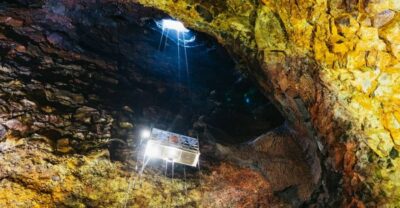
- Lava Tunnel Time: A Cooler, Darker Look at What Etna Leaves Behind
- Price and Value: What You Pay for and What Can Change
- Who This Etna Summit Trek Fits Best (and Who Should Skip)
- My Practical Recommendation: Should You Book This?
- FAQ
- What’s the duration of the Mount Etna summit crater trek?
- Is the summit always reached?
- What’s included in the tour price?
- What costs extra (and how much)?
- Where do I meet the guide?
- How large is the group?
- What languages are available for the live guide?
Key Highlights You’ll Feel on This Etna Trek
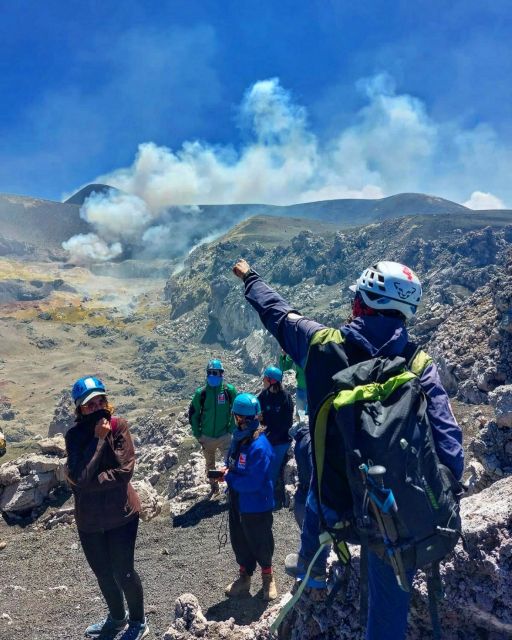
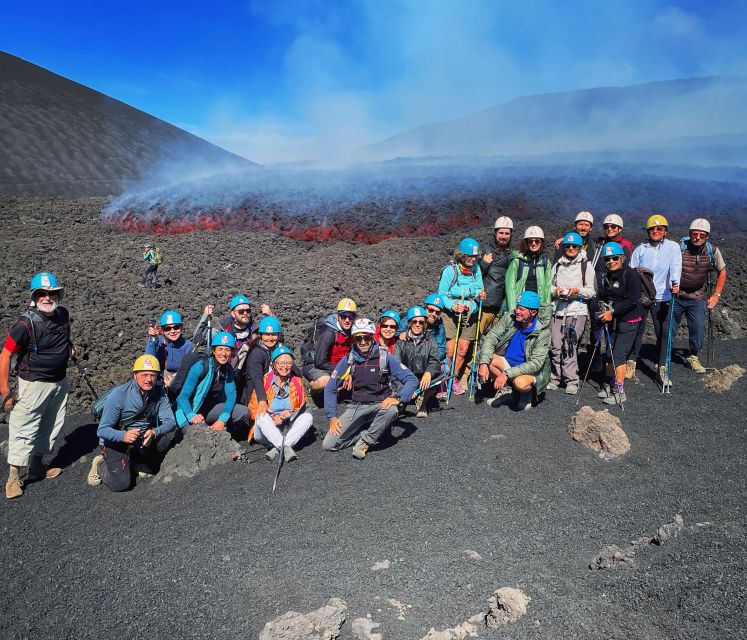
- Small-group access (up to 8 people) so you get more time at the craters instead of rushing.
- Two layers of volcano travel: cable car for lift, then a short 4×4 jump before the hike.
- Bocca Nuova at 3300m with long pauses for 360° panoramas if the weather cooperates.
- Craters plus descent routing: Centrale dell’Etna, Barbagallo, and a walk through volcanic terrain toward Valle del Bove.
- Lava tunnel experience plus dramatic caldera views from the Valle del Bove region.
- Safety-first gear: helmet, wind jacket, and guided pacing for active-volcano conditions.
Etna Summit in 5 Hours: What Your Body Needs to Know
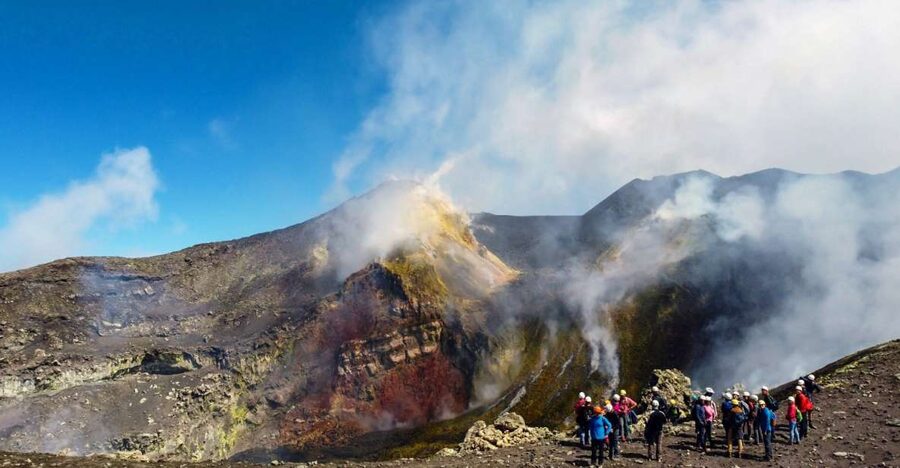
This is a summit trek, not a casual walk. You’ll gain serious altitude quickly (you start low and end up near 3300m at Bocca Nuova), and you’ll spend real time on uneven volcanic ground, including loose volcanic sand and scree-like surfaces. In the reviews, people describe it as challenging enough that your fitness and footing matter.
That said, the tour is designed with pacing in mind. Guides adjust the speed to the slowest people in the group and keep everyone moving safely, which helps if your hiking style is more cautious. If you’re anxious by loud steam, smoke, or crater activity, keep that in mind—Etna is active, and you’ll feel that reality up close.
You can also read our reviews of more hiking tours in Belpasso
Meeting Etna South and Getting Equipped Before You Climb
You meet the guide near La Terrazza dell’Etna, in front of the Etna south cable car station. The local partner office is associated with AITNE • Escursioni Etna, so plan to arrive a bit early and get your bearings fast.
Before you head up, there’s a safety briefing and a gear setup. The included kit is practical for real conditions: helmet (for wind and debris risk), wind jacket, walking sticks, and hiking boots. Insurance is included too, which is a comfort on an active-volcano day.
One practical tip from the experience itself: sulfur smell can be intense on the upper areas. You can bring a layer to cover your mouth and nose, and there’s often an option to buy a covering at check-in so you’re not stuck if you forgot.
Cable Car Up: Saving Time and Energy on an Active Volcano
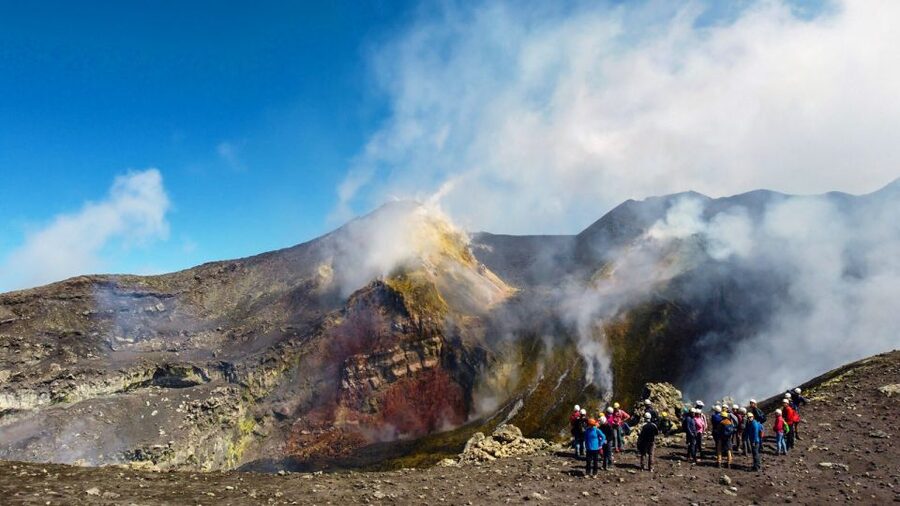
The day starts with the cable car ride, about 15 minutes. You’re not just going for the view—the cable car helps you get high fast, which matters because the real work is the crater walk.
Even if it’s only a short ride, you’ll notice the temperature and wind change. The included wind jacket is there for a reason. On less-than-perfect days, the summit clouds can roll in, but the higher you are, the more the volcano weather can shift—so dress for wind and chill, not just sunshine.
The 4×4 Jump to Torre del Filosofo: Lunar Terrain Without Waiting
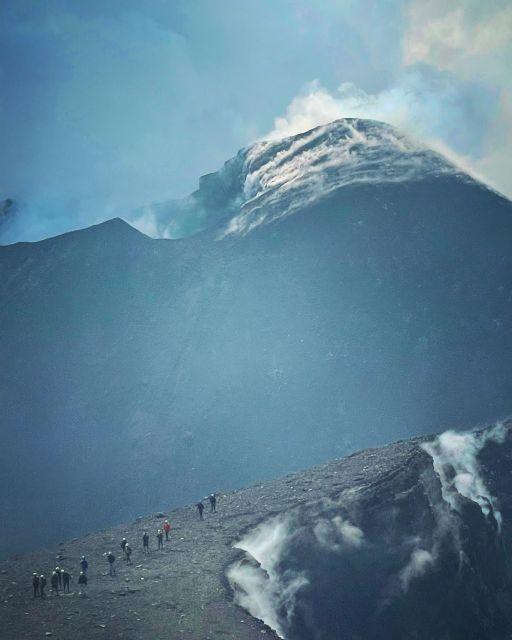
After the cable car, you transfer briefly to a 4×4/SUV, another short ride (about 15 minutes). This takes you up to around 2850 meters in the Torre del Filosofo area.
This is where the terrain feels otherworldly. The route is described as lunar-like, and that’s exactly what you should expect: pale volcanic ground, sharp changes in color, and very little greenery compared with normal hikes. If you’re prone to car sickness, consider it here; some people in the group mention needing support.
The payoff is that you don’t waste half your time commuting. You’re positioned for the crater edge hike while the group stays compact.
Bocca Nuova (3300m) Crater: The Summit Experience You’re Chasing
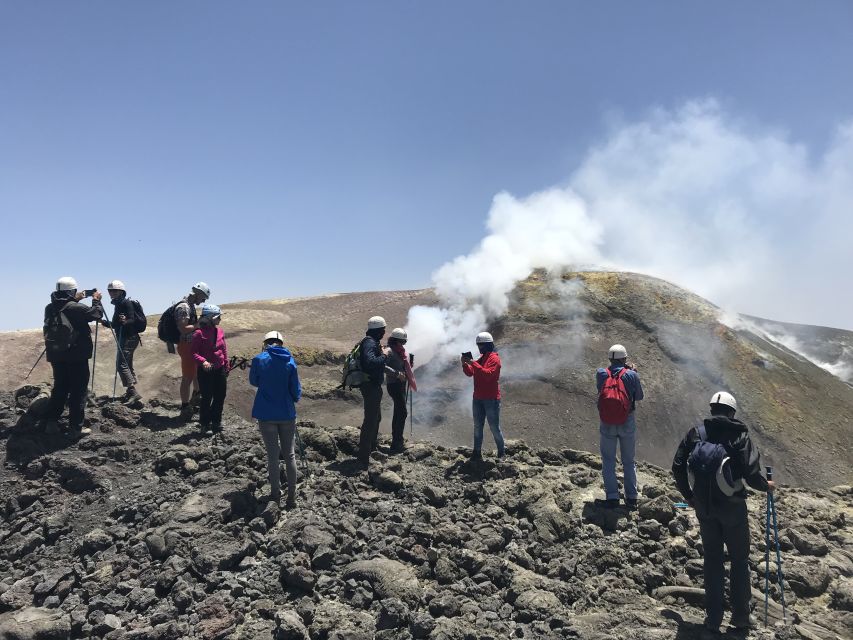
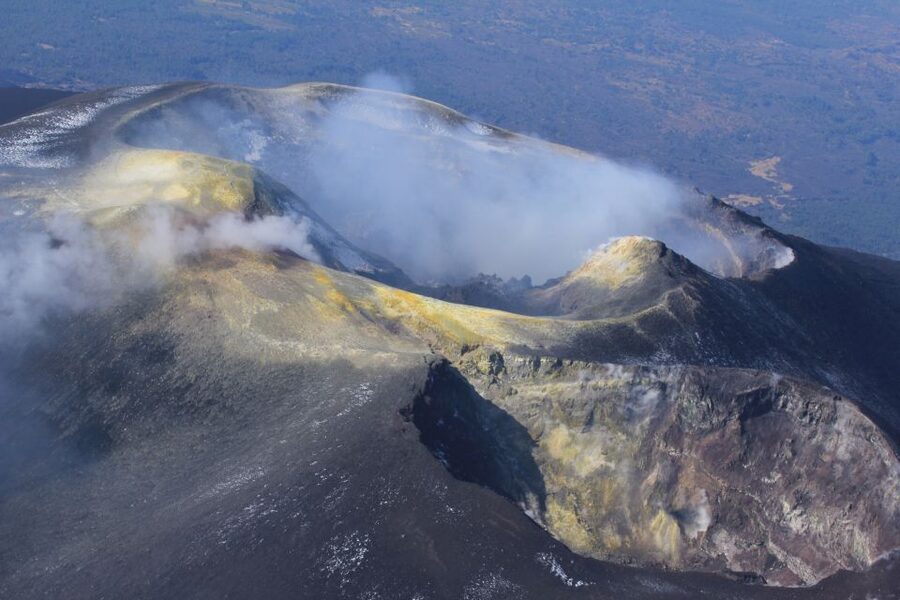
This is the main event: you walk until you reach the edge of Bocca Nuova at about 3300 meters. The crater opened in 1968, and standing near it feels like you’re reading Etna in real time.
You’ll get a guided tour here for about two hours. This is where you’re most likely to get the long 360° views—if weather clears enough to see far out, you may even catch glimpses toward the Aeolian Islands and a wide sweep across northern Sicily. When it’s cloudy, you still learn a lot by watching steam patterns and spotting how volcanic layers shape what you’re standing on.
Many people mention the emotional impact of being at the smoking edge—sounds, steam, and constant movement. If you’re the type who gets nervous around active phenomena, bring a calm mindset. The guide’s job is to keep you safe and help you understand what’s happening instead of guessing.
Cratere Centrale dell’Etna and Barbagallo: Walking Through Active Features
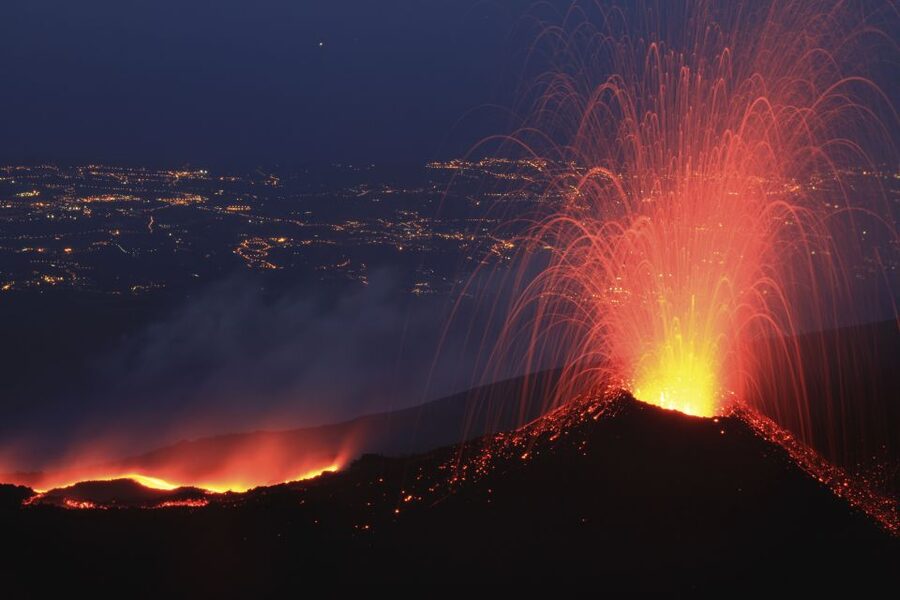
After Bocca Nuova, you move through the next crater areas. You’ll visit Cratere Centrale dell’Etna for roughly 30 minutes, then continue to Barbagallo crater for about one hour.
This section is valuable because it’s not only about peak views. It’s about learning how Etna’s features connect: how different craters relate to past activity, and why the ground underfoot changes from spot to spot. Your guide will point out signs of eruptions and help you understand the volcanic story you’re standing in.
In the best moments, the group slows down just enough to let your eyes catch details. People also note that the route can be steeper or tougher for some group members, so if you’re even slightly on the fence about fitness, you’ll want to go into this ready for a workout.
Valle del Bove and the 2002 Eruption Craters: Seeing Power in Plain Terms
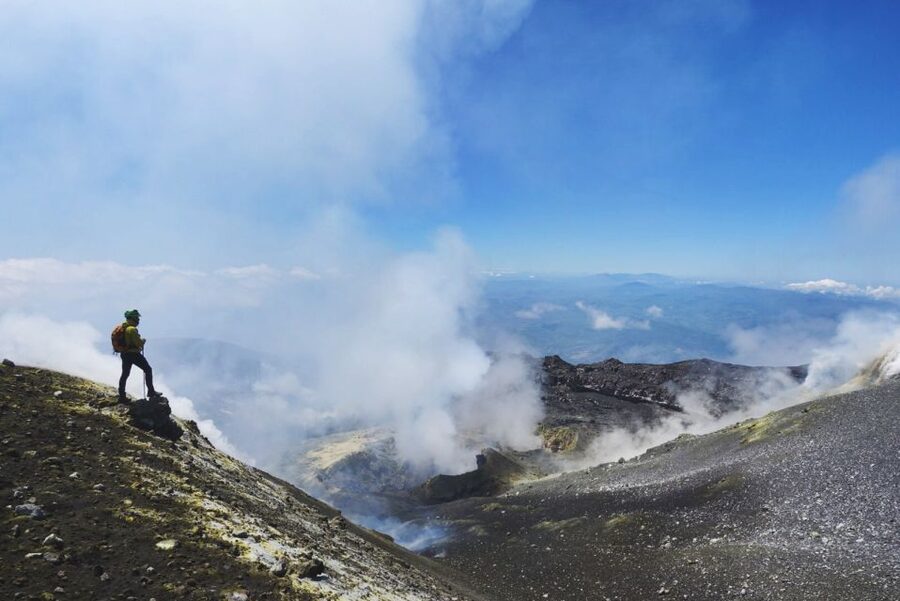
As you descend, you pass through craters connected to the 2002 eruption. Then the route leads toward the Valle del Bove, described as a large caldera: about 8 km long and 4 km wide.
This is where Etna shifts from “one crater moment” into a bigger picture. The scale can surprise you. Even if you don’t memorize every measurement, you’ll get the feeling of how water, wind, and lava together shape a huge volcanic amphitheater over time.
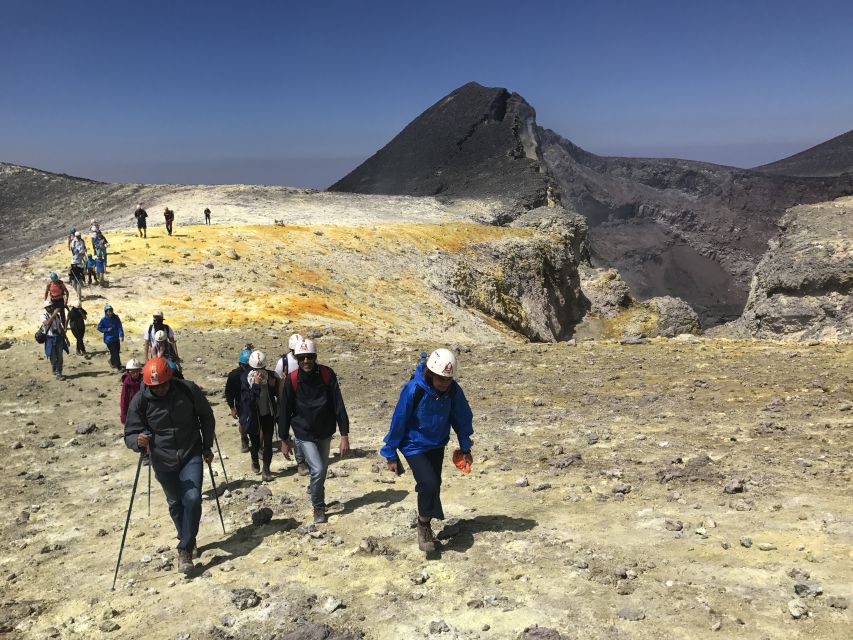
You’ll also walk through volcanic sand during the descent. It’s not technically complicated, but it’s tiring, especially when wind pushes at you high on the mountain. A stick helps a lot here, and the helmet keeps you comfortable with head-level wind.
Lava Tunnel Time: A Cooler, Darker Look at What Etna Leaves Behind
One highlight is exploring a lava tunnel. This is the part that breaks up the open-air crater drama. Underground, the story changes: instead of looking outward at smoking craters, you’re studying how lava moved and cooled.
A lava tunnel can feel both eerie and educational. You’ll see textures and evidence of flow in a way that an open crater doesn’t fully communicate. If you like “how it worked” more than “how it looks,” this is the section that often turns the tour from a view into a memory.
Price and Value: What You Pay for and What Can Change
The base price is listed at about $77 per person, and the tour includes the volcano guides, Etna hike, boots, sticks, wind jacket, helmet, and insurance. Free parking is included until supplies run out.
Then come the add-ons. The cable car and the 4×4/jeep up cost extra—about €65 per adult (and €50 for kids under 11)—and you pay in cash at the office. If reaching the summit isn’t possible because of volcanic activity or adverse weather, you still take the cable car round trip, and the cost is reduced to €52 per person.
Is it good value? For me, it is if you want a guide-led crater day without the logistics headache. You’re paying for safety gear, small-group pacing, and real-time route decisions when conditions change. If you were planning to DIY it, you’d still need boots, a plan for cable access, and a way to interpret what you’re seeing at craters that are active.
Who This Etna Summit Trek Fits Best (and Who Should Skip)
This is best for people with at least a basic hiking level. It’s not built for low fitness, and there are clear exclusions: it’s not suitable for pregnant women, people with mobility impairments, wheelchair users, people with heart problems or respiratory issues, or those with recent surgeries. It’s also not suitable for very young kids (not for children under 6, and not for children under 7 depending on the rule).
Age is also a factor: it’s not for people over 95 years. Also, you can’t bring alcohol or drugs.
If you’re generally healthy, steady on your feet, and comfortable walking on loose volcanic ground, you’ll likely enjoy it. Guides in the group, such as Simone, Marco, Giuseppe, Vincenzo, Alessandro, and Basilio, are repeatedly praised for keeping people safe and moving at an appropriate pace.
My Practical Recommendation: Should You Book This?
Book it if you want the closest, most guided summit-crater experience that Etna offers on a short schedule. The mix of crater edge time, Valle del Bove, and lava tunnel makes the day feel full, not just a one-view-photo stop.
Don’t book it if you’re hoping for an easy nature walk. The hike is physically demanding, the air can be cold and windy up high, and sulfur can bother some people. Also, accept that the summit access may change with volcanic risk or weather, even when you’ve done everything right.
If you’re ready for a real active-volcano hike with a small group and strong safety focus, this is one of the best ways to experience Mount Etna in a single day.
FAQ
What’s the duration of the Mount Etna summit crater trek?
The tour runs for about 5 hours.
Is the summit always reached?
Not always. The route may change due to volcanic risk or weather, and if you can’t reach the summit you’ll take the cable car round trip instead.
What’s included in the tour price?
Included are volcano guides, the Etna hike, hiking boots, walking sticks, a wind jacket, a helmet, insurance, and free parking until supplies run out.
What costs extra (and how much)?
The cable car and the 4×4 up are not included. The cost is listed as €65 per adult (and €50 for children under 11). If you can’t reach the summit, cable car round trip is €52 per person. Payment is required in cash at the office.
Where do I meet the guide?
Meet the guide next to the restaurant La Terrazza dell’Etna, in front of the Etna south cable car station.
How large is the group?
It’s a small group with a maximum of 8 participants.
What languages are available for the live guide?
The guide is available in French, English, and Italian.