REVIEW · MARRAKECH
Imlil Toubkal Hiking From Marrakech 2 days
Book on Viator →Operated by Imlil Treks Toubkal · Bookable on Viator
A 2-day Mount Toubkal hike from Marrakech is the kind of trip that swaps city noise for thin mountain air and real Atlas life, starting in Imlil and ending at the summit. Along the way you’ll pass Berber villages, visit the sacred shrine of Sidi Chamharouch, sleep at the Toubkal refuge, and do the big sunrise-style push on day two.
I especially like how the trek mixes culture and altitude. The shrine stop at about 2400m gives you a sense of what people here value, not just a view-card day. I also love that the trip is built for your comfort and sanity on the logistics side: muleteers handle luggage, and you get breakfast, lunch, dinner, and 1 night accommodation.
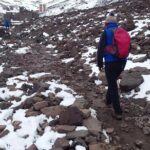
One drawback: this is not a stroll. Even with a slow, step-by-step climb, you should expect real exertion, and in winter you may need crampons and snow-gear rentals (extra cost), plus good footwear.
In This Review
- Key points worth knowing before you go
- Why Imlil makes this Toubkal trek feel real (not rushed)
- Day One: Berber villages, Sidi Chamharouch, and the refuge night at 3207m
- Day one watch-outs
- Day Two: The slow summit push to Mount Toubkal and the High Atlas views
- Day two watch-outs
- Meals and overnight: what’s included (and what you should expect)
- Price and value: is $162.85 fair for a 2-day Toubkal trek?
- Getting your gear right: shoes, poles, sleeping bag, and winter crampons
- Pace and fitness: moderate doesn’t mean effortless
- Who this trek suits best (and who might struggle)
- Should you book Imlil Treks Toubkal?
- FAQ
- What are the start and end locations for the trek?
- What time does the trek begin?
- How long is the hike?
- What’s included in the price?
- Is this tour private or shared?
- What fitness level do I need?
- Is there a minimum age?
- Will I need special winter gear?
Key points worth knowing before you go
- Imlil as the base: you start around 1740m, about 65 km south of Marrakech, so the day-one pace feels gradual
- Berber villages plus a shrine visit: you’re not hiking in a vacuum; you stop at Sidi Chamharouch around 2400m
- Refuge Toubkal at 3207m: sleeping high changes how your body feels for the summit morning
- Summit timing and views: day two is a slow climb over 3–4 hours for a clear look across the High Atlas
- Guide-led support: you’ll have a local guide and transport lined up, and the group is private for just your party
Why Imlil makes this Toubkal trek feel real (not rushed)
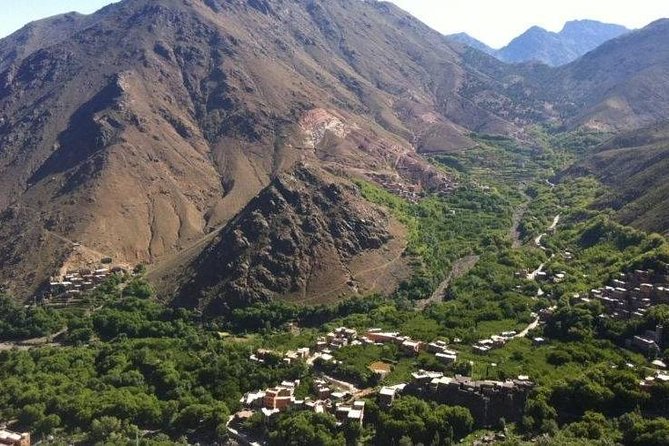
Most Marrakech day trips feel like a long commute with a short photo stop. This one starts by putting you in motion early and taking the route you need for a true mountain experience. You meet at Hôtel Restaurant Café de France in Marrakech at 8:30am (Rue des Banques, near Jemaa el-Fna), then head about 65 kilometers south to Imlil, the main jump-off point for Mount Toubkal treks.
I like the way the trip uses a “team approach.” You meet the group in Imlil and then the climb begins quickly—muleteers look after your luggage while you get moving. That 30-minute window to settle in matters: you’re not wasting the first day on waiting around, and you’re not stuck feeling flustered before the hike even starts.
And yes, the altitude is part of the deal. Starting at roughly 1740m means day one ramps up your effort without shocking you all at once. By the time you’re heading toward the Toubkal Refuge at 3207m, your body is already learning the mountain rhythm.
You can also read our reviews of more hiking tours in Marrakech
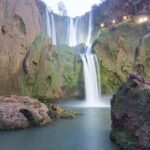
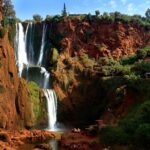
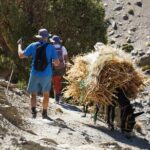
Day One: Berber villages, Sidi Chamharouch, and the refuge night at 3207m
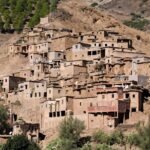
Day one is about transition: leaving the valley life behind and trading it for higher, quieter trails. You’ll hike through Berber villages, which is the practical heart of the Atlas Mountains. This isn’t just scenery; it’s where people live, farm, and travel between settlements, and it helps you understand the mountain as a lived environment rather than a backdrop.
Then you’ll visit the sacred shrine of Sidi Chamharouch at around 2400m. That stop is special because it slows the day down. You get lunch there too—picnic style—so the shrine visit isn’t tacked on as a brief landmark. It becomes a meaningful break in a long day, and it also gives you a chance to notice how the locals move through the landscape.
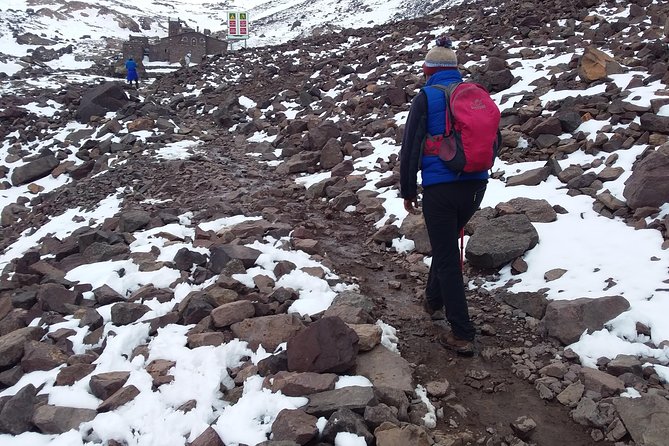
After the break, the climb continues to Refuge Toubkal (3207m). That final push is where the altitude starts to feel more noticeable, even if you’re moving at a steady, slow trekking pace. The trek duration listed for day one is about 6 hours, and for me that’s a good sign: it suggests enough hiking time to feel the day, but not so much that you’re destroyed before day two.
By the end of day one, you’ll have dinner and overnight at the shelter/refuge. This is also where a good guide makes a difference. One highlight from earlier participants was praise for Abdullatif, described as top-tier—helpful, friendly, and competent at solving problems. In mountains, that kind of calm competence isn’t fancy; it’s valuable.
Day one watch-outs
The main consideration isn’t danger—it’s readiness. You need good walking shoes. If you show up with worn tread or flexible shoes, your feet will feel it. Also, winter can mean extra gear needs later on (more on that below).
Day Two: The slow summit push to Mount Toubkal and the High Atlas views
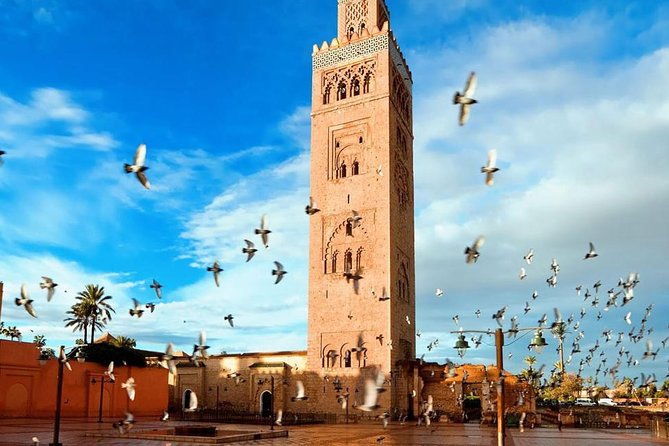
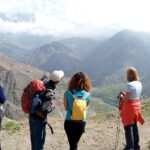
Day two starts early, because summit hikes depend on timing and conditions. You’ll have breakfast, then begin the climb up from the refuge area. The pace is intentionally slow, step-by-step, and that matters: the summit isn’t about speed, it’s about steady breathing and not burning yourself out too early.
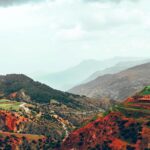
You’ll hike toward the area above the refuge, where you take a break. From there, the itinerary says about 3–4 hours of climbing to reach the top of Mount Toubkal. When you finally arrive, the view is the reward: the trek is designed so you’ll have clear sightlines across the High Atlas. The plan also includes time at the summit for photos and just taking it in.
Then you go back down to Toubkal Refuge for lunch. After lunch, you return via the same route to Imlil, and the driver is waiting to bring you back to Marrakech so you don’t end up stuck trying to find transport after your legs are done.
Day two watch-outs
The summit is the dramatic part, but the descent is what most people underestimate. It’s hard on knees and ankles because you’re walking downhill for a long stretch. Trekking poles can help if you choose to use them, and good soles matter. If you’re unsure, treat the second day as “two hikes in one”: climb up, then protect your body on the way down.
A few more Marrakech tours and experiences worth a look

Meals and overnight: what’s included (and what you should expect)
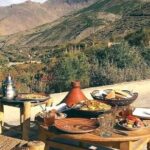
This trek covers the basics in a way that keeps the plan simple. You get breakfast, lunch (2), and dinner, plus 1 night accommodation at the refuge/shelter. That means you’re not juggling cash, hunting for food, or asking a restaurant to scale the logistics of a mountain schedule.
Day one includes a dinner and overnight stop after the hike to refuge. Day two includes breakfast before the summit climb, then lunch after descending back to the refuge. In other words, the food plan lines up with energy needs: fuel before effort, then a meal after the big exertion.
What you should bring into the mental picture: refuge nights are not the same as a hotel night. The itinerary just says accommodation is included, and it points to the shelter/refuge setting. So go in expecting mountain basics, not luxury. If you want to sleep warmer, bringing your own sleeping bag is listed as optional gear you might consider.
Price and value: is $162.85 fair for a 2-day Toubkal trek?
At $162.85 per person (for the 2 days), the value depends on what you compare it to. If you’re used to paying for half-day tours in Marrakech, this feels like a bigger jump. But once you look at what’s included, it’s not just “a guide walking with you.”
You’re getting:
- Local guide support across two days
- Private transportation from Marrakech and back
- Accommodation for 1 night in the refuge/shelter
- Breakfast, dinner, and two lunches
- Trek structure across day one and day two, including the longer climb segments
Also, the trek includes a mobile ticket, which can reduce hassle right before you leave. Group discounts are mentioned too, which can make the price more attractive if you’re booking with friends or a small group.
So is it fair? For a guided 2-day summit trek from Marrakech with meals and a night at altitude, yes, it reads like a reasonable rate. The one thing that can change the real cost is gear—especially in winter when crampons and snow peaks rental can add 10€ per person (handled by your guide terms).
Getting your gear right: shoes, poles, sleeping bag, and winter crampons
The itinerary is very clear about what matters most: good walking shoes are mandatory. Don’t treat that as a suggestion. The trails between Imlil, the shrine area, and the refuge require traction and comfort for long hours.
Walking sticks are listed as optional, and they’re a smart tool for many people, especially for the downhill on day two. If you use poles, practice how you’ll plant them before you get deep into the climb.
A sleeping bag is mentioned as optional. If you run cold at night, this is one of the simplest upgrades you can make.
Now the winter reality check. During winter, the plan says crampons and snow peaks gear rentals are required, and the cost is 10€ per person. Your guide will handle the rental terms, but you should still plan for the extra expense.
One more practical tip I picked up from pricing gear in Imlil: there are rental shops where you can rent items like crampons, sticks, and a headlamp, and I saw a price around 160 dirham for a working headlamp. Whether that’s a deal or not depends on what condition you’re getting, but it’s a good number to keep in mind so you’re not surprised when you land.
Pace and fitness: moderate doesn’t mean effortless
The trek is aimed at people with moderate physical fitness. That doesn’t mean it’s easy. It means the climb is structured so you can do it without needing athletic speed—slow pacing, breaks, and a day one that builds toward the summit morning.
The itinerary gives real numbers:
- Day one hiking time is about 6 hours
- Day two includes about 3–4 hours of climbing from the break above the refuge to the summit
Your body will respond to altitude no matter how fit you are. So plan your effort like a smart traveler, not like a sprinter: steady breathing, short steps, and taking breaks when they come.
Also, minimum age is 6 years, so the operator clearly builds in flexibility for younger participants, but you still need to be prepared for a long, demanding outdoor schedule.
Who this trek suits best (and who might struggle)
This is a great match if you want:
- a real mountain experience from Marrakech without needing extra planning
- cultural stops like the Berber villages and the Sidi Chamharouch shrine
- the payoff of a summit view across the High Atlas
- an organized plan that includes food, guide, transport, and refuge accommodation
You might think twice if:
- your idea of hiking is mostly flat ground and short walks
- your footwear isn’t fully ready
- you know you get ill at altitude or you’re unsure about your breathing endurance
In short: if you’re comfortable walking for hours and you respect the pace, you’ll likely enjoy this. If you want comfort-first, easy sightseeing, look for something gentler.
Should you book Imlil Treks Toubkal?
I’d book this if your goal is a structured 2-day Mount Toubkal experience with the important parts handled: transport from Marrakech, a local guide, meals, and an overnight at altitude. The route also gives you more than a summit photo. You get shrine culture at Sidi Chamharouch, village walking, and that high-mountain rhythm that makes the Atlas feel like a real place.
I wouldn’t book if you’re looking for an easy hike or if you’re not ready for day two. The climb to the top takes time, and the refuge-to-summit-to-refuge flow is physically demanding. If you’re prepared with solid shoes and a sensible pace, though, this trek is exactly the kind of no-nonsense adventure that turns Marrakech into a memory you’ll keep.
FAQ
What are the start and end locations for the trek?
The trek starts at Hôtel Restaurant Café de France, Rue des Banques, Marrakech, near Jamaa el-Fnna, with pickup offered. The activity ends back at the meeting point.
What time does the trek begin?
Start time is listed as 8:30am.
How long is the hike?
The duration is approximately 2 days.
What’s included in the price?
Included items are breakfast, dinner, accommodation for 1 night, two lunches, private transportation, and a local guide. A mobile ticket is also part of the experience.
Is this tour private or shared?
This is listed as a private tour/activity, meaning only your group participates.
What fitness level do I need?
The trek is for travelers with moderate physical fitness. Good walking condition helps, and the climb includes efforts that are rewarded.
Is there a minimum age?
Yes, the minimum age is 6 years.
Will I need special winter gear?
During winter, crampons and snow peaks gear are required, and the rental cost is listed as 10€ per person, with your guide taking care of the rental terms.