REVIEW · BOGOTA
Bogotá: Sumapaz National Park Hike Tour
Book on GetYourGuide →Operated by Gran Colombia Tours · Bookable on GetYourGuide
You step from Bogotá’s city noise into Sumapaz National Park and suddenly the air feels thinner. I love the high-altitude walk through the paramo (between 3,500 and 4,000 m) and the way guides translate the place’s ecology and Indigenous stories into something you can picture. The one real drawback: it’s a remote hike with muddy trails, so if you show up underprepared, the day can feel tougher than the photos.
The tour format is also practical, with hotel pickup and drop-off built in, plus a private group so you’re not squeezed into strangers’ pace. You should still plan for cold, mist, and wet conditions, and bring snacks if you’re not starting with breakfast.
In This Review
- Key Points to Know Before You Go
- Why Sumapaz Páramo Feels Different Than Other Hikes
- The 8-Hour Flow: How the Day Moves From Bogotá to 4,000 M
- Entering the High Paramo: Water Wells, Frailejones, and Misty Views
- The Indigenous Stories: Chibcha Myths and Modern Conservation Pressure
- Trail Reality: Mud, Cold Air, and Why Hydration Still Matters
- Guides and the Small Touches That Make It Better
- Price and Value: Is $136 Worth a Full Day at 3,500–4,000 m?
- What to Bring: Simple Stuff That Prevents a Miserable Day
- Who This Tour Suits (and Who Should Rethink It)
- Should You Book the Bogotá Sumapaz National Park Hike Tour?
- FAQ
- How high will I hike in Sumapaz National Park?
- What’s the duration of the tour from Bogotá?
- Is the tour offered in English and Spanish?
- What’s included in the price?
- Are breakfast and lunch included?
- What should I bring for the hike?
Key Points to Know Before You Go
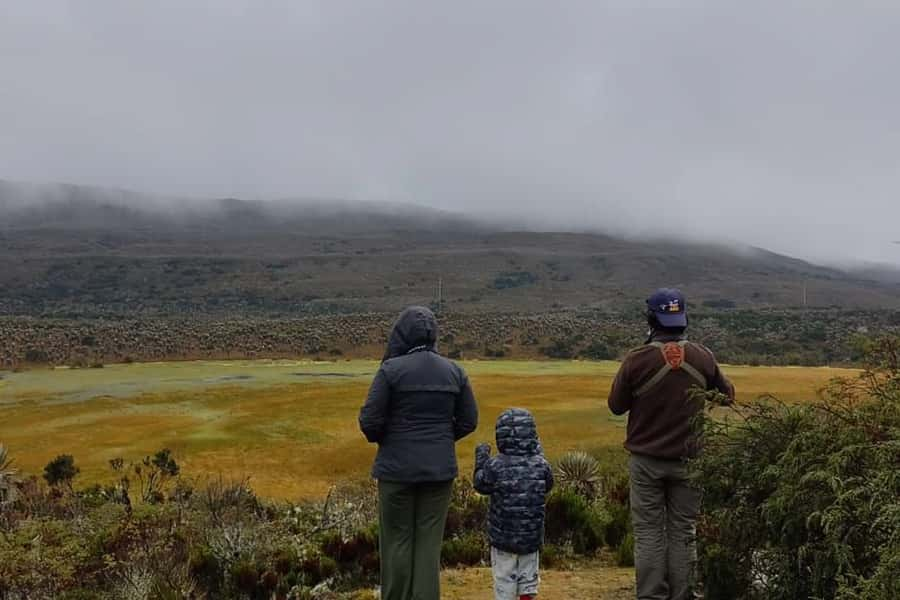
- One of the world’s highest plateaus: You’ll hike at roughly 3,500–4,000 m in the Sumapaz region.
- You’re walking through the largest Andean paramo: Expect an ecosystem designed to hold water.
- Stories that go beyond scenery: Guides connect Chibcha traditions and myths to today’s preservation efforts.
- Misty, muddy trail reality: Come ready for wet ground and cool air, not perfect weather.
- Food sometimes shows up on the return: Some guides have treated people with locally made snacks like arepas and panela tea.
- All-weather operation: The hike runs even when conditions aren’t ideal, so your clothing matters.
Why Sumapaz Páramo Feels Different Than Other Hikes
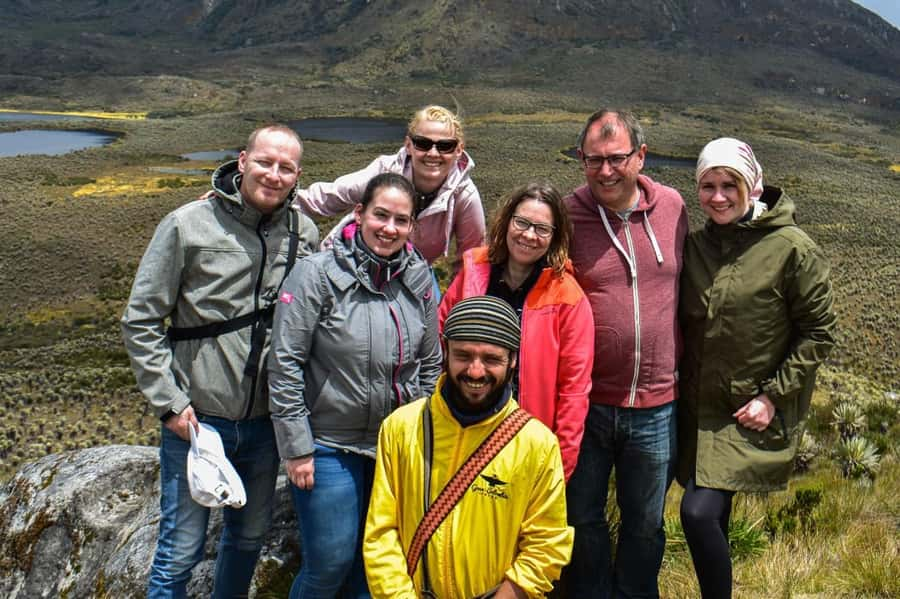
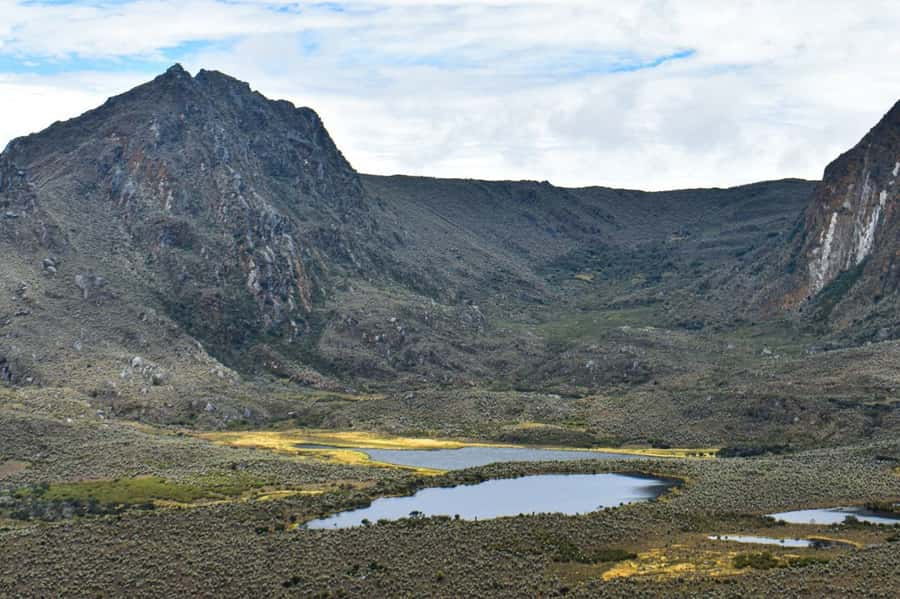
If you’re doing this from Bogotá, Sumapaz is a fast lesson in how dramatic Colombia’s altitude changes can be. The park sits in Cundinamarca, and the hiking altitude is extreme enough that the day doesn’t feel like a casual nature walk. You’re moving through the Andean paramo, a high mountain ecosystem that’s famous for surviving cold, wind, and long stretches of cloud.
What I like most is the “why” behind the hike. This isn’t just about checking off another viewpoint; you’re learning what paramos do for the region, especially how they support water availability. If you care about conservation, this tour gives you the science and the human story at the same time.
The mist is part of the point. You might be staring at a pale gray world one minute and then catching sharp views of taller plants and rocky slopes the next. It can feel otherworldly, and it’s also a reminder that you’re hiking in an ecosystem, not a themed park.
The 8-Hour Flow: How the Day Moves From Bogotá to 4,000 M
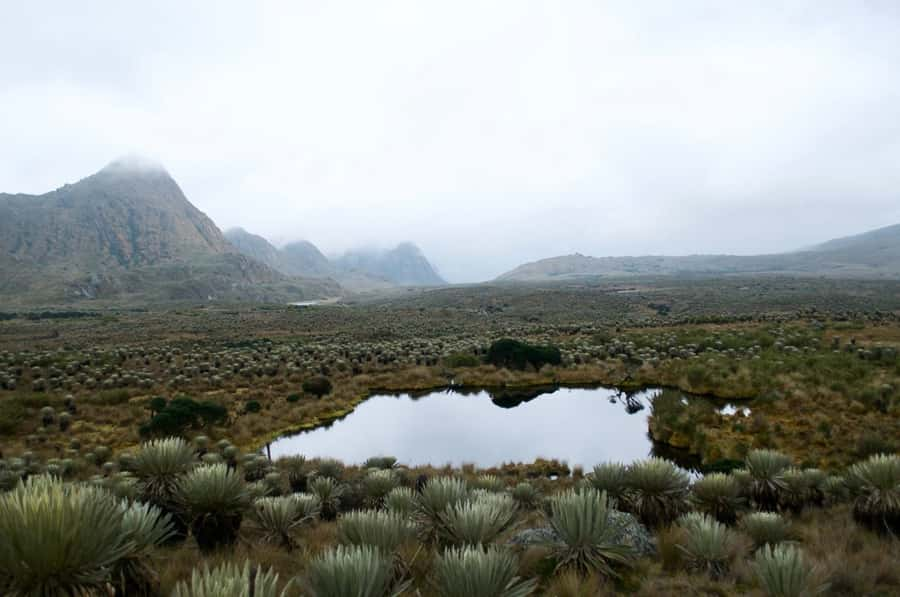
This tour is built around an 8-hour day, including time to travel from Bogotá into the Sumapaz region and time to hike inside the natural park. You’ll get hotel pickup from a location in Bogotá (hotel, hostel, Airbnb, vacation rental, or a nearby point of interest), and you should be ready about 10 minutes before pickup. The schedule includes enough travel time that you don’t spend the day rushing, but you also don’t dawdle.
Once you’re on the way, expect the altitude to rise to roughly 3,500–4,000 m. That’s high enough that you may feel it in your breathing even if you’re fit. I’d treat the hike pace like a plan, not a test: slow steps, steady effort, and lots of drinking water.
A key detail is that the tour operates in all weather conditions. So the day’s rhythm changes based on clouds, wind, and rain, but the overall structure stays the same: drive out, hike at high altitude through paramo terrain, then return to Bogotá to rest your legs.
Entering the High Paramo: Water Wells, Frailejones, and Misty Views
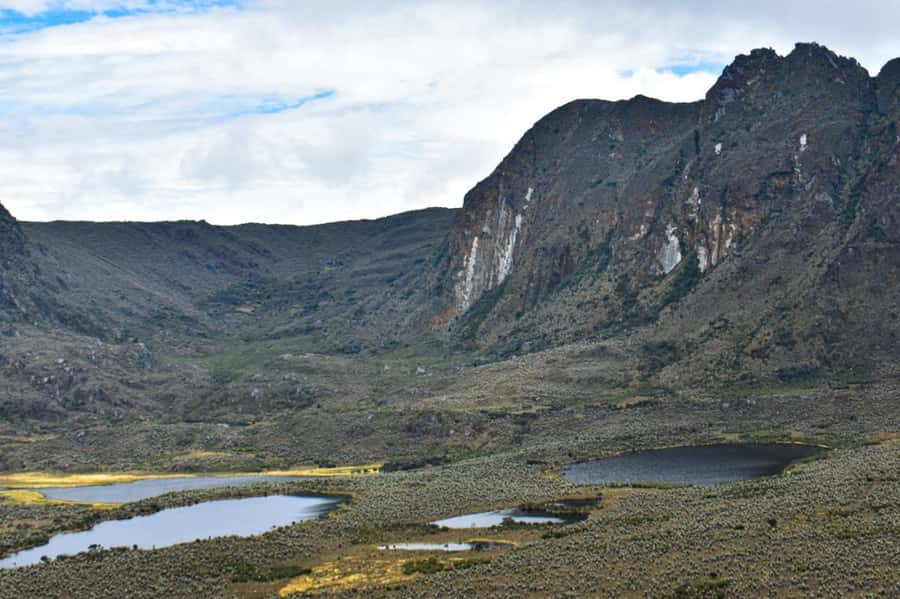
You’ll start walking on the slopes of this protected 178,000-hectare area. The goal is to help you read the paramo like a living system, not just a backdrop. Your guide points out the unusual plants and the way the ground holds moisture, even when it looks dry.
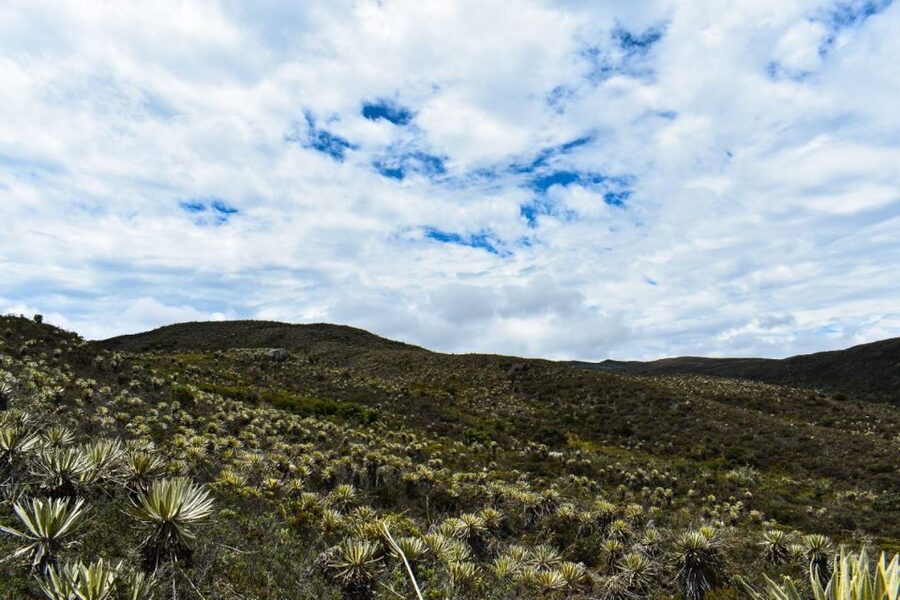
One of the highlights you should plan for is the sight of frailejones, the signature paramo plant with tall, spiky forms. In the reviews, people specifically call out seeing very tall frailejones, which makes sense because at that altitude the plants stand out in a big open sky. When the clouds move, they can also create dramatic contrast against these pale green structures.
You’ll also be looking for water-related features—described as water wells during the hike. In plain terms, paramos act like giant reservoirs, capturing moisture and slowly releasing it. On a hike like this, you’re learning that the “messy” look of the terrain comes with real ecological value.
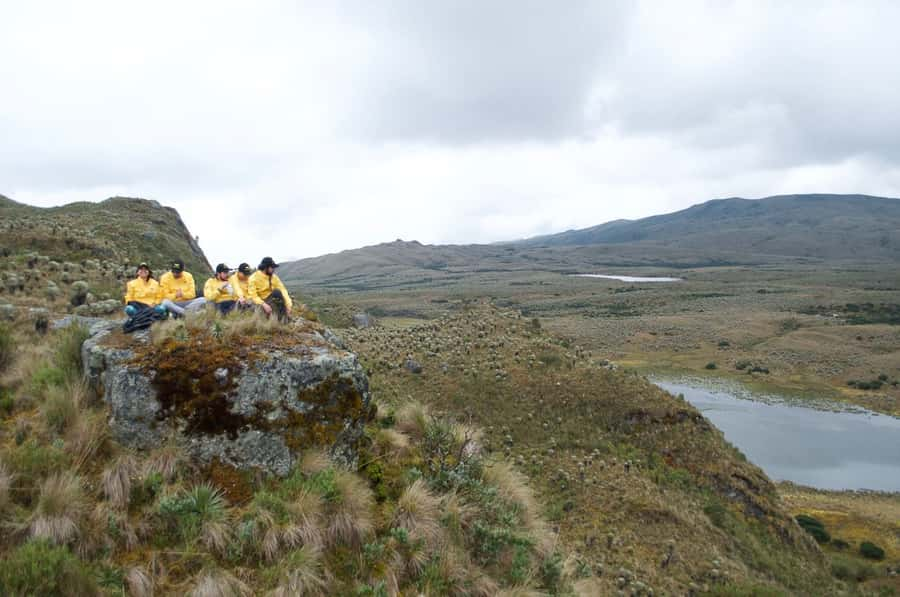
And yes, the trails can be muddy. The good news is that guides are used to it, and the route is chosen for what you’ll learn and see at altitude. The less-fun part is that you should plan for wet socks and a slower pace than you might expect on a dry day.
The Indigenous Stories: Chibcha Myths and Modern Conservation Pressure
What turns this hike from a nature outing into a deeper experience is the storytelling component. Guides share Indigenous traditions practiced before colonization and explain how those ideas connect to the land and its resources. You’ll hear about Chibcha myths and history, and you’ll likely feel how the park’s meaning goes beyond ecology.
This matters because today’s paramo preservation isn’t only an environmental conversation. It also touches social and political challenges that communities in the region have faced over time. A good guide helps you see conservation as part of cultural survival and regional stability.
In the reviews, multiple guides get praised for their ability to connect history to what you’re looking at. For example, some people mention guides who explained Colombian history and regional context while they pointed out plants and terrain. You can expect a similar style here: stop, look, then understand.
If you’re the kind of person who likes a hike with context, this is a strong match. If you only want movement and views, the storytelling might feel like a slower pace, but it’s usually integrated into the walk rather than a lecture that eats your day.
Trail Reality: Mud, Cold Air, and Why Hydration Still Matters
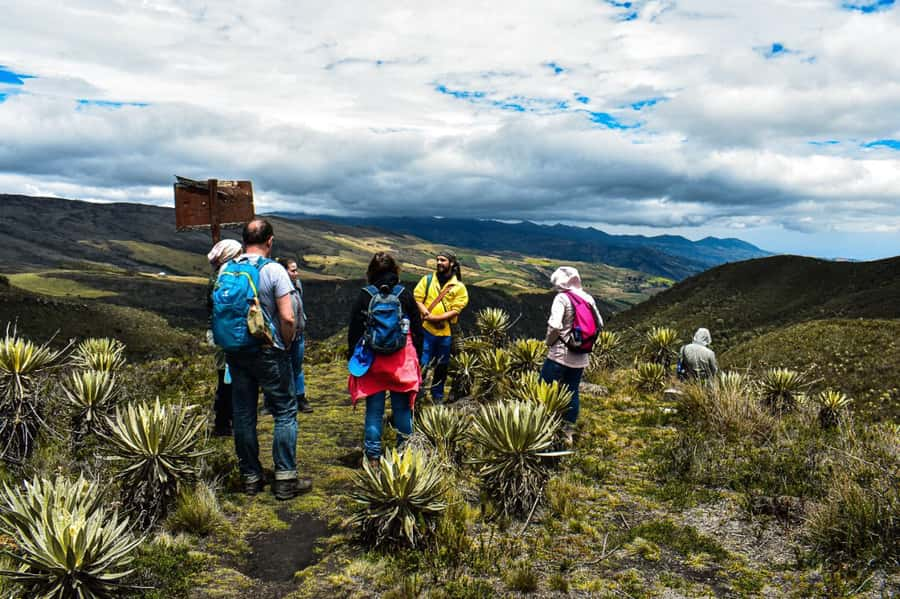
This is a high-altitude hike, and “cold weather” doesn’t mean you can skip water. You’ll be told to keep hydrated and to wear sunscreen even if the day feels chilly. That combo might surprise you until you realize how strong sun can be at altitude and how dry mountain air can become.
The tour encourages weather-appropriate clothing, and it runs in all conditions. That means you should pack for a mix of sun, mist, wind, and possible rain. Even if you think you can handle the temperature, the wet ground can sap your comfort fast.
Also, because the area is remote, the tour recommends breakfast beforehand and bringing snacks and water for the hike. Meals aren’t included, so you’ll want a plan that prevents the classic mid-hike energy crash. If you get cold and tired, you move slower, and then you’re fighting the mud with less stamina than you planned for.
A small but practical detail: you’ll be doing a full day, and the tour includes an all-risk insurance component. That’s reassuring when you’re hiking far from easy turn-back points.
Guides and the Small Touches That Make It Better
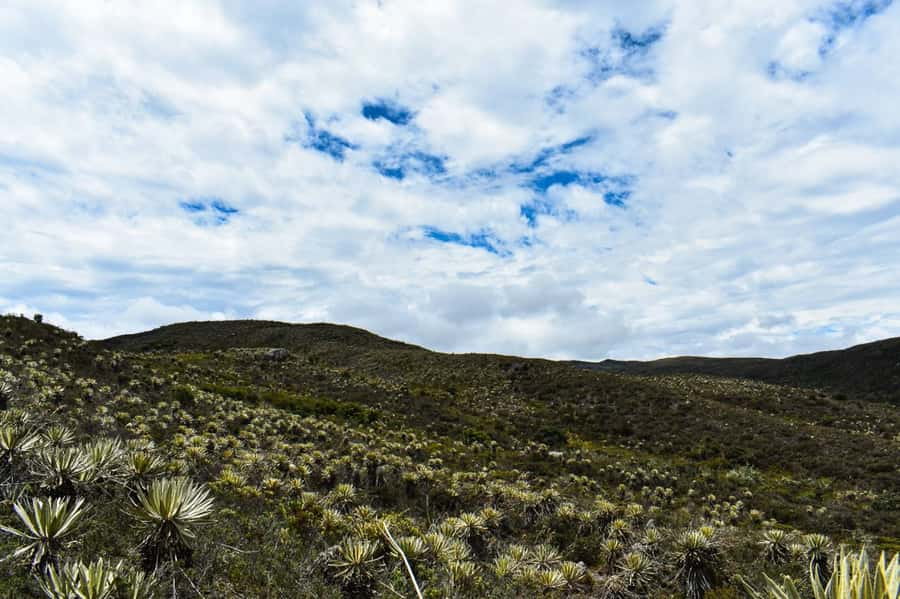
One of the most consistent themes in the reviews is guide quality. People mention guides like Liz, Kata, Steven, Emilio, Alexander, Yelitza, Luis, José, and Bernard, with many praising friendly personalities and strong explanations. In a remote place, good interpretation is the difference between seeing things and actually understanding what you’re seeing.
You’ll also benefit from the way guides handle the pace and explain what’s around you. One review notes that people didn’t see a soul all day, which is exactly what you want from a paramo hike, but it also means your guide becomes your anchor. Having someone comfortable in the environment and willing to chat while you walk makes the hours feel lighter.
There’s also a local-food note worth filing in your expectations. One set of comments includes a return with locally made arepas and panela tea, and even a fun detail involving Bernard’s cat Coco. Even if you don’t get the same exact snack, it’s a good sign that your guide may share simple local touches to end the day.
That kind of finishing moment matters. After a muddy, high-altitude trek, you want something warm, familiar, and not fussy.
Price and Value: Is $136 Worth a Full Day at 3,500–4,000 m?
At $136 per person for an 8-hour tour, you’re paying for more than a route on a map. You’re paying for a guide, hotel pickup and drop-off in Bogotá, entry to Sumapaz, hiking inside the natural park, and all-risk insurance coverage. In other words, the logistics and risk management are part of the package.
The value gets clearer when you compare what isn’t included. Breakfast and lunch are not included, and waterproof footwear isn’t included either, so you’ll need to budget for your own food and gear. If you already have good footwear and you eat before pickup, you’ll avoid extra costs.
The tour being private group can also affect value. You’re not just buying access; you’re buying time with a guide who can explain plants, water function, and Chibcha stories while you walk. In a place this remote, that guided interpretation is a big part of the payoff.
If you want a self-guided hike, you can technically plan it yourself in theory, but you’d lose the interpretation, the park entry support, and the organized remote logistics. For most people, the structured day is worth it.
What to Bring: Simple Stuff That Prevents a Miserable Day
You don’t need fancy equipment, but you do need the right basics.
Bring:
- Water and snacks (the day is long and food isn’t included)
- Sunscreen, even if it feels cold
- Camera (views can be fast-changing in mist)
- Weather-appropriate clothing
- A plan for wet ground (the tour does not provide waterproof footwear)
If you’re deciding between light shoes and serious traction, go for traction. Mud plus altitude is not the moment for brand-new shoes that haven’t been broken in. You’ll likely be glad you used waterproof or at least water-resistant footwear, because the terrain is described as muddy.
Also, pack like you’re hiking in variable conditions: layers you can remove if the sun breaks through, and an outer layer for misty wind. You might not feel hot on the climb, but you’ll still sweat.
Who This Tour Suits (and Who Should Rethink It)
This hike fits best if you want:
- A high-altitude walking experience from Bogotá
- An explanation of paramo preservation and why it matters
- Indigenous cultural stories tied to the landscape you’re walking through
- A day with a guide who can keep you engaged during cold, misty stretches
It’s less ideal if you need long periods of flat walking. At 3,500–4,000 m, even moderate slopes can feel demanding. It can also be less comfortable if you struggle with cold or wet conditions since the hike runs in all weather.
If you have any health conditions, the tour asks you to notify the guide during booking. That’s not just paperwork; it’s how you make sure the pace and advice match your needs.
Should You Book the Bogotá Sumapaz National Park Hike Tour?
I’d say book it if you want a meaningful, guided paramo hike that teaches you why Sumapaz matters for water and why conservation is tied to people, not just plants. The best part isn’t only the altitude; it’s the combination of ecological interpretation and Chibcha-linked storytelling, supported by guides praised for friendliness and clear explanations.
Skip it or reconsider if you show up without proper footwear and clothing for wet, cold conditions, or if a full day at altitude feels like a bad match for your fitness level. Also, remember meals aren’t included, so you’ll need a snack plan.
If you’re organized about packing and you’re open to learning while you walk, this tour looks like strong value for an 8-hour immersion into one of Colombia’s most important ecosystems.
FAQ
How high will I hike in Sumapaz National Park?
You’ll reach heights between 3,500 and 4,000 m above sea level (about 13,000 feet).
What’s the duration of the tour from Bogotá?
The tour lasts about 8 hours.
Is the tour offered in English and Spanish?
Yes. The live tour guide speaks English and Spanish.
What’s included in the price?
The price includes the guide, hotel pickup and drop-off in Bogotá, entry to Sumapaz, hiking inside the natural park, and all-risk insurance.
Are breakfast and lunch included?
No. Breakfast and lunch are not included, so you’ll want breakfast beforehand and you may want snacks for the hike.
What should I bring for the hike?
Bring a camera, sunscreen, water, and weather-appropriate clothing. The tour also notes that waterproof footwear is not included.