REVIEW · MARRAKECH
“Summit of Mont Toubkal (4167m) in PC Economy
Book on Viator →Operated by Adrar Aventure SARL · Bookable on Viator
The High Atlas knows how to reward effort. This six-day climb to Mont Toubkal reaches 4,167m, with changing valleys, passes, and big-sky summit views.
I love the pacing here because each day climbs high, then drops down again, so your body can adapt before the real grind. I also like the logistics support, including 24/7 assistance, an air-conditioned vehicle, and help from guides such as Lahcen and Abdul.
One thing to keep in mind: outside winter months the route is usually non-technical, but you still need solid endurance, and you’ll bring a personal sleeping bag (tents and sleeping gear are provided, but that item isn’t). Weather can also affect conditions and timing.
Strong acclimatization plan with multiple high passes
Village stays plus camping by rivers and around Lake Ifni
Summit day is early, fast, and focused on conditions
Private group feel with pickup and car transfers from Marrakech
Expert team support: Lahcen, Abdul, Rachid, Mbark, Ibrahim
All fees, insurance, and core meals are built into the price
In This Review
- Why Mont Toubkal still steals the show
- Price and value: $674.68 per person, what you get for it
- Day 1: Imlil to Tacheddirt via Imlil’s trail energy
- Day 2: Tacheddirt to Azib Likemt and the Tizi Likemt test (3,555m)
- Day 3: Through changing terrain to Amsouzart’s simple gite night
- Day 4: Lake Ifni and an afternoon that’s about recovery
- Day 5: Nelter Hut night and the toughest day’s sharp edges
- Day 6: Dawn summit to 4,167m and the return via villages
- Guides and team style: why the summit rate stays high
- Sleeping and eating: tents, gite dorms, and mountain fuel
- What to bring: the missing sleeping bag and condition extras
- Who should choose this trek (and who should reconsider)
- Should you book this Toubkal climb?
- FAQ
- What time does the trek start?
- Is pickup from Marrakech included?
- What are the main sleeping arrangements?
- Is a sleeping bag included?
- What fitness level do I need?
- Is this a private tour?
- What if weather is bad?
Why Mont Toubkal still steals the show
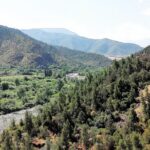
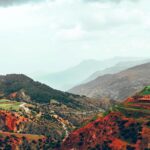
Toubkal is the big name for a reason. At 4,167m, it’s the highest peak in North Africa and one of Africa’s top summits, so the “I did it” feeling comes with real altitude credibility. But what makes this trek special isn’t just the number. It’s the way the whole route builds a story: valley trails, steep scree climbs, high passes, then those dramatic descents that make your legs feel human again.
I also like that the challenge stays readable for people with moderate fitness. Outside the winter months, the climb is described as not technical, which matters because you’re not signing up for ropework or a climbing course. Still, you’ll face steep slopes and cold mornings, especially on summit day, so think of this as a serious hiking trek, not a walk in the park.
Price and value: $674.68 per person, what you get for it
At $674.68 per person, you’re paying for more than just a guide. The trip includes tents and sleeping equipment, daily meals (breakfasts, lunches, dinners across the days), an air-conditioned vehicle, insurance, and all fees and taxes. You also get pickup offered and a mobile ticket, which is a small thing until you’re tired at the end of a long hike and want everything to run on time.
The true value shows up in the “less hassle” parts. A Toubkal trek lives and dies by logistics: where you sleep, how you carry gear, when you start, and how the day changes with conditions. With 24/7 assistance and a team that coordinates equipment rentals when needed, you’re less likely to scramble for fixes mid-trip.
If you’re the type who enjoys planning, you might still compare costs. But for most people, this price looks fair because so many essentials are already wrapped in—especially meals and core equipment.
You can also read our reviews of more tours and experiences in Marrakech.
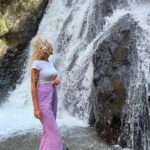
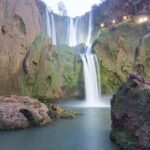
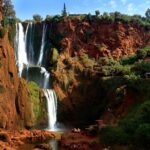
Day 1: Imlil to Tacheddirt via Imlil’s trail energy
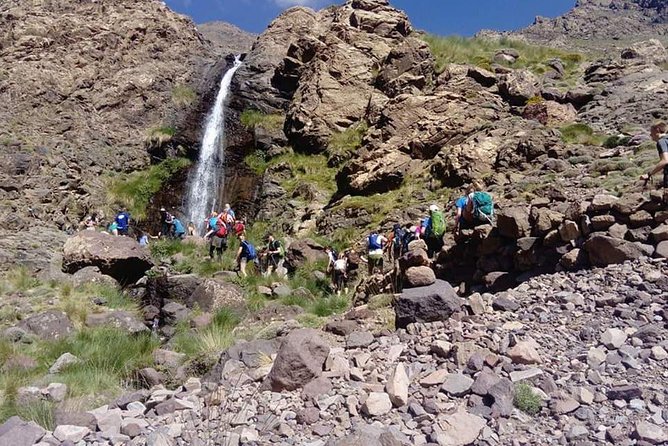
You start after breakfast, then head out to Imlil via Asni. Imlil is the main launching point for hikers, and it has that constant motion: people arriving from the valley and people preparing to leave. It sets a good tone—excited, busy, and full of local mountain rhythm.
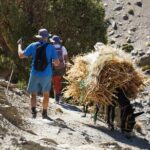
From there, your muleteer team loads equipment, and you walk along the valley toward Tacheddirt, about 8 km beyond Imlil. The route begins gentler, then starts climbing toward the Tizi n’Tamatert pass (2,279m). After that, you descend to Ouaneskra and continue on to Tacheddirt (around 3,000m).
Why this day matters: it gets you moving in altitude without overwhelming you. You’re on trails with steady effort, and by the end you’re set up to sleep near the river, which feels like a soft landing after the first day of ascent.
Day 2: Tacheddirt to Azib Likemt and the Tizi Likemt test (3,555m)
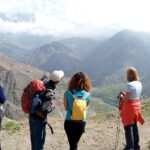
Day two is where the route starts to demand more focus. You cross the valley, then begin a long, slow ascent to Tizi Likemt pass (3,555m). The going can be tough because there’s loose scree underfoot, which means you’ll work harder than you might expect. Your pace matters more than your pride here—especially if you’re trying to save legs for later.
Once you’re up, you get a first clear view of the Toubkal massif. Then the day turns into a descent to Azib Likemt, where you camp for the night.
What I like about this setup: it’s a controlled taste of the mountain’s real texture—steep ground, fatigue management, and a high reward view. You’re not yet on the final “death-scree” days, but you are definitely learning how to move efficiently.
Day 3: Through changing terrain to Amsouzart’s simple gite night
This day mixes altitude with variety. You pass Tizi n’Ououraine (3,120m) and get another look at the Toubkal massif, including the summit area and the east face. You’ll also see features like the Ifni Dome (3,876m), which helps you understand what you’re actually aiming for.
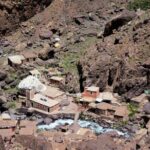
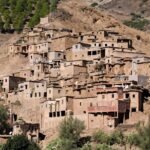
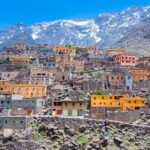
From there, you continue to Amsouzert, described as one of the more striking villages in the region. Your stay here is in a simple gite village, dormitory style.
This is a good day to mentally switch gears. You’re not just trekking—you’re moving between human mountain bases. You’ll notice different village pacing and a different kind of quiet compared with the busy start in Imlil.
Day 4: Lake Ifni and an afternoon that’s about recovery
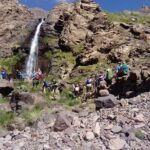
Day four slows down just enough to help you absorb what you’ve done. You head west from Amsouzart toward Lake Ifni, the only lake in the massif. The lake is the kind of sight that makes you pause—surrounded by rocky mountains and piles of rubble, with a deep feel to it.
You should arrive around lunchtime, then you spend the afternoon relaxing by the shore. That matters because the next day is the toughest. Even if you don’t feel it yet, your body will.
You camp in this area that night. Expect cold and wind potential, especially higher up, and plan for the fact that “relaxing” doesn’t mean “staying warm.” Bring layers you can actually manage while still trekking comfortably.
Day 5: Nelter Hut night and the toughest day’s sharp edges
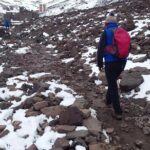
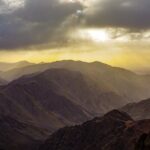
Now you’re both fit and acclimatized, and that’s when the trek turns serious. You make your way along a steep path that leads into a seemingly endless scree slope. This is the kind of terrain where short breaks help more than long speeches to yourself.
Eventually you reach Tizi n’Ouanoums pass (3,664m)—a narrow ledge between rock formations. From there, you do a long zigzag descent to Nelter Hut, a mountain refuge for the night. Depending on conditions and approach, you may sleep inside or camp outside.
This day is where you’ll feel the difference between “I can hike” and “I can hike with focus.” The scree punishes sloppy foot placement, and the zigzags demand steady rhythm. If you’ve ever wondered why guides talk so much about timing, this is the moment you understand why.
Day 6: Dawn summit to 4,167m and the return via villages
Summit day starts early—before dawn. You follow a well-worn route to the top. If conditions are right, the climb from camp to the summit can take about 2–3 hours. The payoff is described as a breathtaking view across the entire Atlas range and toward the plains of Marrakech beyond.
Then you descend, fairly quickly, to the villages of Sidi Chamharouch and Aremd. After that, you follow the Mizane river back toward the Imlil path, and if you’re staying in Marrakech you’re taken there by car at the end of the day.
Two realities to prepare for: first, summit day feels shorter in clock time but heavier in effort because you’re starting in the cold and fatigue already lives in your body. Second, descents can be tough on knees even when they feel “faster” than the ascent.
Guides and team style: why the summit rate stays high
One of the most praised parts of this trek is the quality of the guiding team. Names that come up again and again include Lahcen, Abdul, Rachid, Mbark, and Ibrahim. People consistently credit them for making the experience feel safe and well run, even when weather throws complications into the mix.
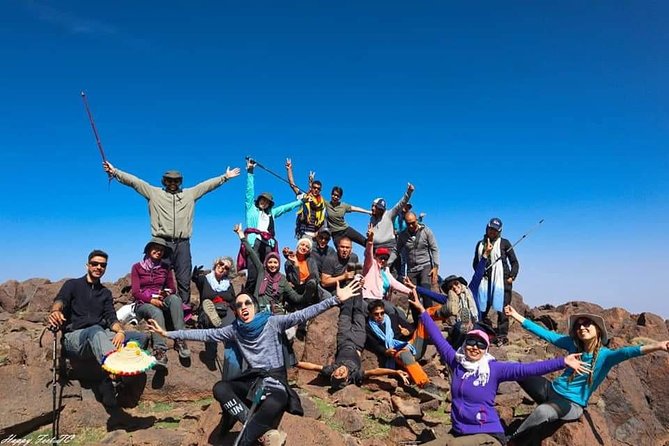
Timing on summit day is key. In one account, guide judgment and pacing helped all members of a 14-person group reach the summit despite difficult visibility and unexpected snow. That’s not a promise you can bank on, but it’s a signal: the team watches conditions and moves people when it’s appropriate.
If you’re new to trekking, that kind of leadership is priceless. If you’re experienced, you still benefit because smart pacing can save energy for the final push.
Sleeping and eating: tents, gite dorms, and mountain fuel
Your trip includes camp tents and sleeping equipment, plus meals for most days. The structure is: breakfast and lunch on trekking days, with dinners at camp or refuge. It’s not gourmet dining, but it’s the right kind of practical: enough calories, served when you need it, and designed for a multi-day climb.
You’ll camp most nights, with a river-side night early on and camping again around Lake Ifni later. The middle of the trek includes a simple gite stay in dormitory style at Amsouzart. These changes matter because they break up the monotony and give your body a mental shift—plus you don’t have to worry about finding lodging yourself.
The one item you must plan for: a personal sleeping bag. If you forget it, you’ll have a miserable night, and the mountain doesn’t care about your schedule.
What to bring: the missing sleeping bag and condition extras
The trek includes tents and sleeping equipment, but your packing list still needs care. The data here explicitly calls out one non-included item: your personal sleeping bag.
Beyond that, use the reality of mountain conditions as your guide. Some summit accounts mention snow and the need for gear like crampons and headlamps. The overview also notes that outside winter months the climb is usually non-technical, but conditions can still shift. My advice: ask your guide team ahead of time what they expect for your specific date, and confirm whether crampons and extra cold gear are needed.
At minimum, pack for cold mornings on summit day and for scree scrambling. Comfortable hiking boots with solid traction tend to matter more here than fancy gear.
Who should choose this trek (and who should reconsider)
This climb is built for people with moderate physical fitness. It’s not technical in most non-winter seasons, which makes it approachable for hikers who can manage steep trails, loose scree, and long days. If you can handle uphill effort for hours and don’t freeze at early starts, you’re a good match.
It may not fit well if you’re looking for a casual experience or if you struggle with altitude hikes that include high passes and rocky footing. Even with guides and a smart itinerary, you still need the stamina to keep going when the terrain gets stubborn.
You’ll also enjoy it more if you like real mountain village life. This isn’t just scenic photos; you’ll spend time moving through places like Imlil, Ouaneskra, Tacheddirt, and Amsouzart, then settling into simple lodging and camping.
Should you book this Toubkal climb?
I’d book it if you want a classic, well-run High Atlas trek with a clear route, strong guide support, and a summit that feels earned. The value is strongest when you want the heavy lifting handled—transport, meals, tent setup, and daily coordination—so you can focus on hiking and enjoying the views.
Hold off or ask extra questions if you’re unsure about sleeping comfort (because your sleeping bag is on you) or if you’re worried about cold and changing conditions. Since the experience depends on weather, it can be shifted or refunded if conditions aren’t right, which helps protect your plans.
If you can meet the fitness requirements and you’re ready for scree, passes, and early mornings, this is one of those trips that leaves you with a very specific memory: the moment the Atlas opens up after the last hard steps.
FAQ
What time does the trek start?
The start time is listed as 8:00 am.
Is pickup from Marrakech included?
Pickup is offered, and the itinerary also includes transfers by car at the end of the trek if you’re staying in Marrakech.
What are the main sleeping arrangements?
You’ll use camp tents on several nights, plus a gite dormitory-style stay in Amsouzart. Nelter Hut is also used for the night on the toughest day, with the option of refuge or camping outside.
Is a sleeping bag included?
No. The tour provides tents and sleeping equipment, but a personal sleeping bag is not included.
What fitness level do I need?
You should have moderate physical fitness. The route includes long days, high passes, and scree slopes, with the toughest day on the way to Nelter Hut.
Is this a private tour?
Yes. It’s listed as a private tour/activity, and only your group participates.
What if weather is bad?
This experience requires good weather. If it’s canceled due to poor weather, you’ll be offered a different date or a full refund. It can also be canceled if a minimum traveler number isn’t met, with alternative dates or a full refund.