REVIEW · MARRAKECH
Day Hiking To Tawdja Summit in the Atlas Mountain
Book on Viator →Operated by Trekking in Morocco · Bookable on Viator
One day in the High Atlas feels like a reset. I like the small-group approach with a friendly guide, and I like that lunch is included after the main climb. The only real catch: the return descent can be rocky and a bit slippery, so your footwear matters.
You start with round-trip transfers from Marrakech, then ease into the hike at Imlil (1740m) with mint tea and Berber-village scenery. I also like that the route is built for people with moderate fitness, not only serious mountaineers, and you still get a big payoff at the top.
The guide talk can be a highlight. One guide named Hassan is said to be happy to chat about Berber culture, life in Morocco, and nature, which makes the day feel more human than just scenery.
In This Review
- Key Things You’ll Notice on This Atlas Summit Hike
- Atlas Mountains Pickup and Arrival in Imlil
- From Ait Souka to Tamatert Forest and Tizi Tamatert Pass
- The Assaouel Peak Climb: 2650m Views Over Toubkal National Park
- Lunch Stop at the Top: Fuel and Shade
- Descent to Imlil: Where Slips Happen
- Small-Group Flow, Pace, and Fitness
- Price and Value at About $81.30
- Should You Book This Tawdja/Assaouel Summit Hike?
- FAQ
- How long is the hike?
- Do I get pickup from my hotel in Marrakech?
- What’s the maximum group size?
- Is lunch included?
- How physically demanding is the hike?
- How high do you go?
- Is there an admission ticket fee?
- Are service animals allowed?
- What is the cancellation policy?
Key Things You’ll Notice on This Atlas Summit Hike
- Pickup and return from Marrakech: you spend less time figuring out transport and more time on the trail
- Mint tea in Imlil: a proper welcome before you head past villages
- Route through Ait Souka, Tamatert Valley, and Tamatert Forest: the scenery changes often
- Tizi Tamatert pass at 2278m, then up to Assaouel Peak (2650m): high-altitude views without technical gear
- Lunch served on/near the top: it’s planned into the schedule, so you don’t manage it yourself
- Cap of 12 people: small group, more attention, less waiting around
Atlas Mountains Pickup and Arrival in Imlil
This is the kind of day that starts easy and stays focused. You’ll be picked up from wherever you’re staying in Marrakech, then driven out toward Toubkal National Park. The drive itself gives you that slow shift from city traffic to mountain air, and it helps the day feel organized instead of rushed.
A couple of small details make a difference. First, one route experience includes a stop at a women’s cooperative selling argan oil and other products. The money goes to the women working there—most of it, not all—so it’s not just a photo stop. If you’re the kind of person who likes seeing where a product comes from, that pause adds meaning.
Next comes Imlil, around 1740m, where the hike actually begins in a way that doesn’t feel like you’re thrown into the deep end. You get welcoming mint tea before setting off. That tea matters more than it sounds: it buys time to meet your guide, settle your nerves, and make sure everyone’s ready before the climb starts in earnest.
You’re also not stuck with a huge group. With a maximum of 12 people, you’re more likely to move as a unit and get help when you need it—especially useful on the uneven parts later. And because the day is about 8 hours total, it’s long enough to feel like a real outing, but not so long that it turns into an all-day slog.
You can also read our reviews of more hiking tours in Marrakech
From Ait Souka to Tamatert Forest and Tizi Tamatert Pass
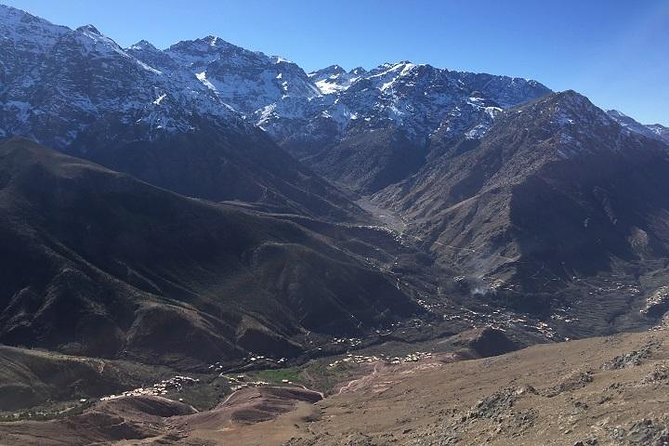
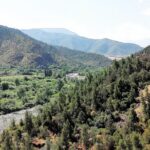
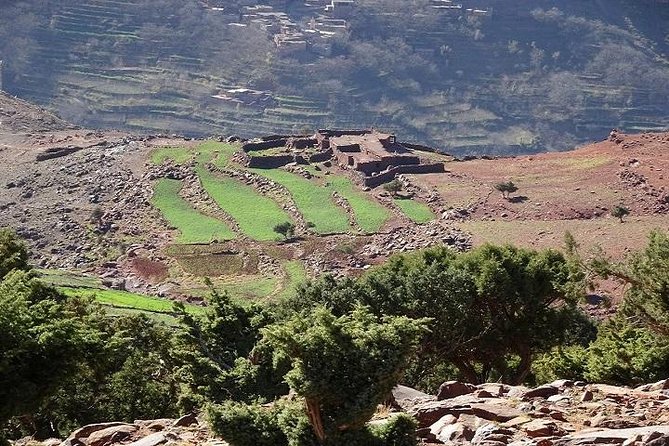
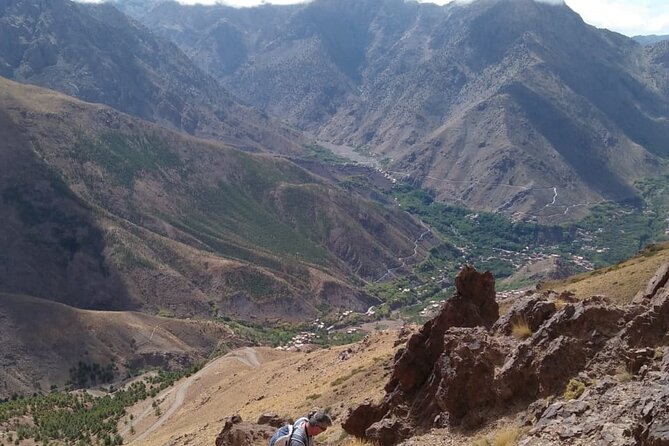
Once you start walking, the route gives you a classic Atlas mix: villages, valleys, then a more wooded section. The day passes by Ait Souka and Tamatert, then heads through the Tamatert Forest. Even if you’re not “into plants,” that switch in terrain helps you mentally. You’re not staring at the same view for hours.
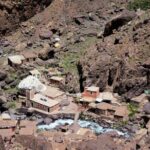
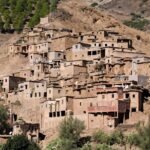
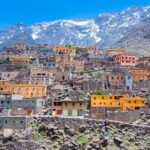
Along the way, you’ll pass Berber villages and valley scenes. This is where the guide talk can add texture. Guides like Hassan are described as happy to discuss Berber culture and daily life in Morocco, and that kind of conversation turns random roadside moments into something you can actually connect to.
The hike builds toward the high point gradually. The route moves up to Tizi Tamatert pass at 2278m. That’s not the summit, but it’s the point where you start feeling the altitude and seeing the bigger picture. If you like mountain scale—how villages sit in the valleys, how trails knit across slopes—this is where your camera will get real work.
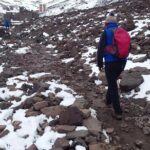
One practical consideration: the trail isn’t described as technical, but it does include changes in footing. Some sections can be rocky, and weather can make stones slick. If you know you tend to slip in wet conditions, plan like it might happen. Your job is to arrive at the top safe enough to enjoy it, not to “tough it out.”
If you want a straightforward day hike with real mountain character, this segment does it. It keeps the scenery moving and gives you the sense of progression that makes the summit feel earned.
The Assaouel Peak Climb: 2650m Views Over Toubkal National Park
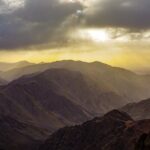
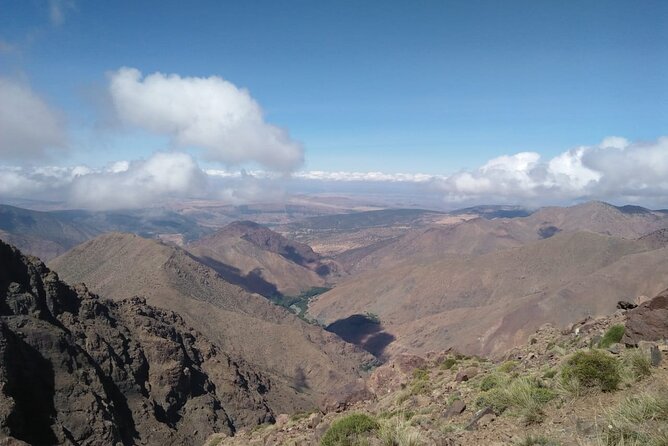
Here’s where the whole day earns its keep. After you reach Tizi Tamatert (2278m), you head up toward Assaouel Peak (2650m). From the top, you can enjoy views over Toubkal National Park villages and valleys, with sightlines that can include Toubkal peak and basecamp views.
A key point for your expectations: reviews describe the ascent as not overly difficult, even if it still challenges you. One person noted the climb wasn’t difficult, but the descent took more care. Another person said the ascent of roughly 1000m was challenging for them, even while they were fairly fit. That tells me the climb is hard enough to feel like altitude and effort, but not so steep or technical that you need special climbing skills.
Also, the best summit moment is usually the quiet one. You’ll likely stop for photos and time to look around. If you’re traveling in a season with clear visibility, the viewpoint can be especially satisfying. If clouds roll in, you’ll still have the satisfaction of reaching 2650m, but your photo range might shrink. Either way, the experience is built around that “look out across the park” payoff.
And because the hike is small-group (max 12), you’re less likely to get separated or slowed down by a crowd. That matters on summit viewpoints, where waiting can drain the mood.
If you want the Atlas Mountains version of a big reward-for-effort day, this is it. You get height, open views, and a sense of how far-reaching the area is.
Lunch Stop at the Top: Fuel and Shade
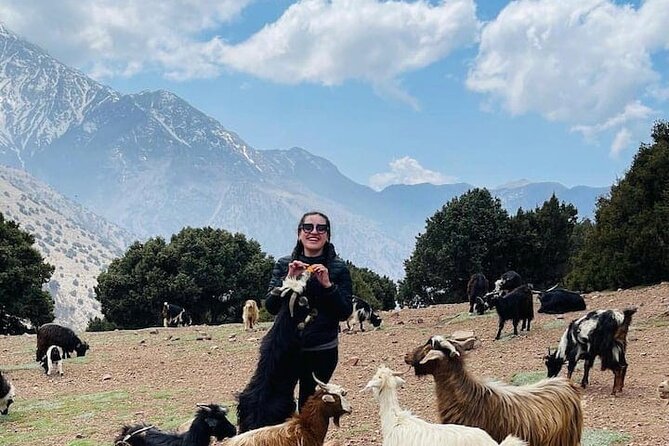
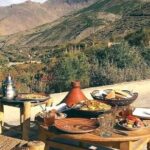
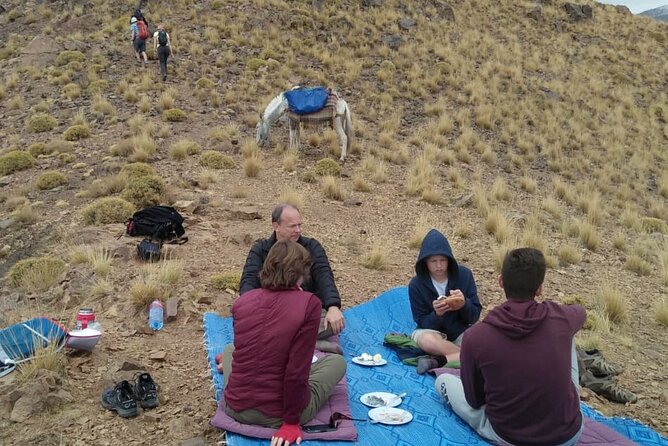
Lunch is included, and that’s a big deal on a day hike. Instead of carrying food and then worrying about when to eat, you get a planned break. The schedule places some lunch near the top, after you’ve reached the high area.
The meal isn’t just about calories. It also changes the mental rhythm of the hike. After a climb, your body wants recovery. A sit-down moment gives you time to drink water, cool your head, and reset before the descent. It also helps you avoid that common mistake: pushing too hard because you haven’t eaten yet.
There’s also a simple logistics advantage. You don’t have to pack a full lunch set, and you’re not deciding on the fly what to eat. That makes the day smoother for first-timers, and it keeps the hike from turning into a scavenger hunt.
One more angle: eating after you reach the summit zone means you get to enjoy the views, then come back to earth—literally—while your energy is still decent. Some people also use this break to ask questions. If your guide is chatty about Berber culture and the mountains, this is a good time for that conversation.
If you’re sensitive to timing, note that this is built as a single 8-hour experience. So you get fewer long pauses and more “one good break.” That’s not bad—it just means you should plan to enjoy that lunch stop rather than expecting lots of extra hangs.
Descent to Imlil: Where Slips Happen
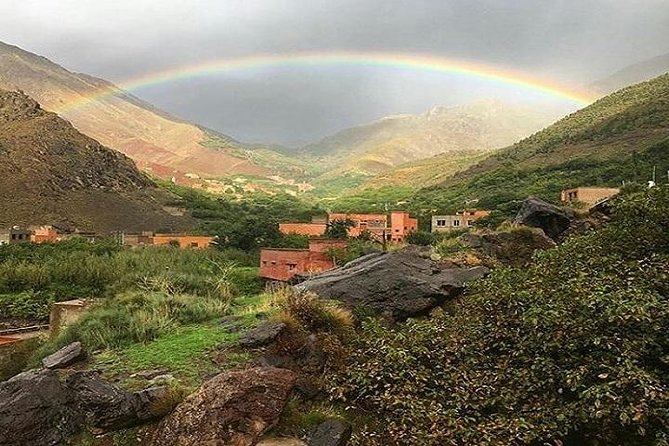
The summit is only half the story. The return can be trickier than the climb. Reviews specifically mention that the descent can include a rocky path that may be slippery, and that the guide can take a route that’s faster or more direct but less forgiving.
The practical takeaway is simple: don’t treat the descent as effortless. Even if the ascent felt manageable, your ankles and knees are doing new work on the way down. If you tell me you like to move briskly on trails, I’d still recommend a careful pace here. Tread matters more than speed.
What should you do? Wear proper hiking footwear with grip. One person directly said to make sure you had trekking shoes. If you’re tempted to do this in regular sneakers because the ascent is fine, I’d push back. You’ll likely spend more effort on balance in the descent than you expected.
Also, listen to your guide in the moment. If they suggest a route around more slippery sections, take it. One review noted that it was okay, but it would have helped to say something earlier and switch to a more straightforward path. That’s the kind of small communication that keeps the mood relaxed.
If you go in with the mindset that “the climb is earned, the descent is the test,” you’ll enjoy the whole day more. You’ll stay steady, protect your joints, and still get those final valley views as you approach Imlil again.
Small-Group Flow, Pace, and Fitness
This hike is aimed at people with moderate physical fitness. That’s the right level for most travelers who are active but not training for mountain events. You’re walking at altitude, gaining elevation, and then descending—so you’ll feel it—but the experience is designed so you don’t need technical skills or special equipment.
The group limit is 12 travelers, which usually changes everything: fewer pauses for regrouping, less time waiting on narrow stretches, and a better chance your guide can track how everyone is doing. It also makes the day feel more like a shared outing than a conveyor belt.
Pace is an unspoken part of a good hike. One review described going with just the guide and a tiny group, making it feel close to a private tour. Even when it’s not just you two, you can still expect a relaxed vibe compared to big group hikes.
Your experience will also depend on the ascent/descent balance. Reviews suggest ascent can be less difficult than descent, even when there’s a meaningful climb (roughly 1000m of ascent was mentioned). If you’re strong on uphill but cautious on downhill, you’re in good shape mentally—just plan to concentrate your attention on footing later.
One more thing: service animals are allowed, and the tour is near public transportation. That doesn’t mean you should ignore mobility needs, but it does show the operator is thinking about practical access.
Price and Value at About $81.30
At $81.30 per person for an approximately 8-hour day, this sits in the “good value” zone for the Atlas Mountains from Marrakech. Here’s why it feels worth it, based on what’s included:
You get round-trip transfers from Marrakech, so you’re not paying separately for a driver or negotiating transport. You also get a qualified guide, mint tea at Imlil, and a route that includes a pass and summit viewpoint at 2650m.
Then there’s the big budget saver: lunch is provided. For many people, that’s the hidden cost of doing a mountain day on your own. Add in the fact that the admission ticket is free, and the total package looks more balanced.
Small-group size (max 12) also helps value. A guide who can actually watch the group and talk through Berber culture is part of why this isn’t just an “out-and-back walk.” If you like learning while you move, that human factor matters.
You should still weigh one consideration: you’ll want to spend a little extra on the right footwear if you don’t already have it. The day is doable, but slipping risk on descent is real, based on feedback. In other words, the hike saves you money on transport and food, but you should invest where it counts—on grip.
Should You Book This Tawdja/Assaouel Summit Hike?
If you’re staying in Marrakech and want one outdoor day that feels organized and locally grounded, this is a strong choice. It’s built around the climb to Assaouel Peak (2650m), with valley and village views along the way and a summit break that includes lunch. The guide experience can also be a standout, with people praising Hassan’s friendly, culture-focused conversation.
Book this if:
- You want a full mountain day without wrestling transport logistics
- You’re comfortable with moderate fitness and a meaningful elevation gain
- You want the kind of views that make the effort feel worth it
Think twice if:
- You have knee or balance issues and downhill sections worry you
- You don’t have proper trekking shoes, and you’d rather risk it than protect your footing
My advice: pack for both air and footing—layers for mountain weather, plus shoes with traction. If you do that, you’ll likely walk away feeling you got a real Atlas Mountains day, not just a quick excursion.
FAQ
How long is the hike?
It’s listed as about 8 hours.
Do I get pickup from my hotel in Marrakech?
Yes, pickup is offered, and your driver will pick you up from where you stay in Marrakech.
What’s the maximum group size?
The tour/activity has a maximum of 12 travelers.
Is lunch included?
Yes. Lunch is taken care of, and some lunch is served at the top.
How physically demanding is the hike?
You should have a moderate physical fitness level. The climb is described as not overly difficult by some people, but the descent can be tricky due to rocky, slippery sections.
How high do you go?
The hike reaches Assaouel Peak at 2650m. You start at Imlil around 1740m, and you pass the Tizi Tamatert pass at 2278m.
Is there an admission ticket fee?
The admission ticket is listed as free.
Are service animals allowed?
Yes, service animals are allowed.
What is the cancellation policy?
You can cancel for a full refund up to 24 hours in advance. If you cancel less than 24 hours before the experience’s start time, the amount paid is not refunded.