REVIEW · MARRAKECH
2-Day Toubkal Trailblazer: From Souks to Summit
Book on Viator →Operated by Marocco Trekking · Bookable on Viator
That thin air hits fast. A 2-day trek to Jebel Toubkal turns Marrakech into a real mountain story. What I like most is the clear, organized ascent from Imlil to the refuge, then up again toward the summit. I also love the way the route threads Mizane Valley villages into the climb, so you’re not just grinding uphill with zero context.
You’ll get expert Atlas Mountains guidance from people like Mohamed, and often support from local teammates such as Youssef. The pace is managed in a practical way, with guides who help you stay safe and moving, even when you’re tired. For me, that adds up to the difference between a hard hike and a memorable one.
One consideration: this is a real mountain trek. You’re walking about 4–5 hours each day, plus a summit day that starts around 3200m and reaches 4167m, so you’ll want a moderate fitness level and good boots.
In This Review
- Quick Hits: What Makes This 2-Day Toubkal Trek Work
- Marrakech Pickup, Mobile Ticket, and the Morning You Start Climbing
- From Imlil Through the Mizane Valley to Aremd and Chamarouch
- The Refuge Night at Around 3200m: Dinner, Sleep, and Limited Water
- Summit Day to 4167m: The Hike, the Views, and Keeping Warm
- Why the Guide Team Matters: Mohamed (and Support Crew) Keep You Safe
- Meals, What You Get, and How to Handle Hunger at Altitude
- Gear and Fitness: What to Bring for a Two-Day Toubkal Effort
- Price and Value: Is $201.67 Worth It for Two Days?
- Should You Book This 2-Day Toubkal Trailblazer?
- FAQ
- What time does the trek start?
- How long will I hike each day?
- What altitude do we reach?
- What’s included in the price?
- Do I get picked up from my hotel in Marrakech?
- What is the cancellation policy?
Quick Hits: What Makes This 2-Day Toubkal Trek Work
- Small group size (max 15) helps keep the climb organized and lets the guide manage your pace.
- Village-to-summit route includes Aremd and the Chamarouch shrine area, not just trail miles.
- Refuge night included with dinner, shelter, and breakfasts so you’re not scrambling for plans.
- Summit at 4167m means real altitude views and a big accomplishment in two days.
- Meals are included (breakfast x2, lunch x2, dinner), but water is limited to one 1.5L bottle.
Marrakech Pickup, Mobile Ticket, and the Morning You Start Climbing
Most days start with a pickup from your hotel, and the tour begins at 9:00am. You’ll get a mobile ticket, which makes it easier to find your group and get going without hunting for paperwork.
The ride up to Imlil is part of the day’s rhythm. You’ll travel roughly 2 hours by driving on each day’s schedule, then switch to hiking time. This structure matters because the hike is where you’ll earn your views, and you don’t want long idle time eating daylight.
If you’re the type who likes to be ready early, use that commute well: take water out, put on layers, and get your headlamp ready for the next morning. High-altitude weather can flip quickly, and the mountain doesn’t care about your schedule.
A few more Marrakech tours and experiences worth a look
From Imlil Through the Mizane Valley to Aremd and Chamarouch
Day 1 starts at Imlil Toubkal, about 1450m at the base of Toubkal. This is your trail launch point, and it also sets expectations: the trek starts in the valleys, then gets steeper as you work toward the refuge area.
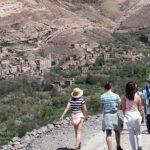
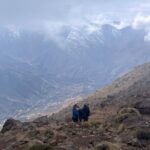
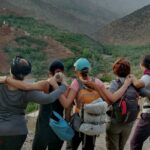
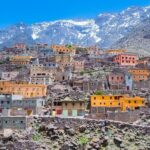
The first big win here is the Mizane Valley walking. You move through a lived-in Atlas world, passing by Aremd and reaching the Shrine of Chamarouch before the trail really tightens up. That shrine stop helps break up the climb mentally, and it gives the day a sense of place beyond scenery.
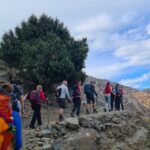
As you head toward Chamarouch and then on to the refuge, the walking becomes harder. Expect about 4–5 hours on foot on Day 1, at rising elevations that end the day around 3200m. The trail is not a “walk in the park,” but it’s also not chaotic—you’re climbing in a guided, step-by-step way.
What to watch for: pacing on Day 1. If you sprint early, your legs will revolt later. Let the guide handle the rhythm, especially if you’re hiking with mixed fitness levels.
The Refuge Night at Around 3200m: Dinner, Sleep, and Limited Water
After the Day 1 hike, you reach the Toubkal refuge area for the night. Refuge accommodation is included, along with dinner, breakfast, and lunch for the next day. People often describe the refuge stay as comfortable, and some specifically mention places like Mouflons Refuge—either way, the important part is that you’re not sleeping rough without support.
One detail you should take seriously: water is limited to one 1.5 liter bottle for the trek. That doesn’t mean you’re stranded, but it does mean you should sip smart and not treat hydration like an unlimited buffet.
How you use that water can make or break your summit morning. Drink enough to stay steady, not just to fill your belly. Also, consider stretching lightly after dinner if your body feels stiff; it’s easier to do that at the refuge than on the slope when you’re already cold.
Summit Day to 4167m: The Hike, the Views, and Keeping Warm
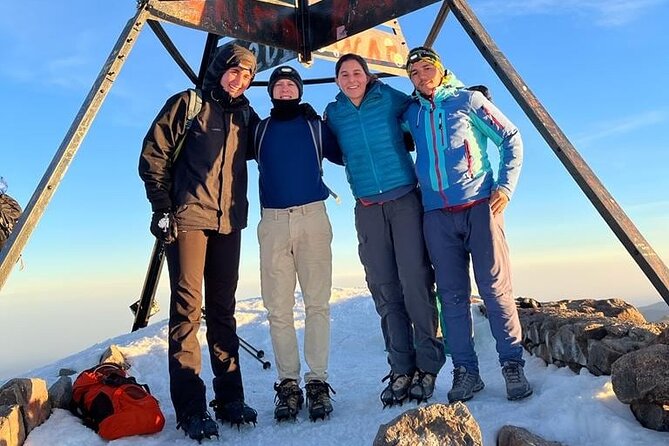
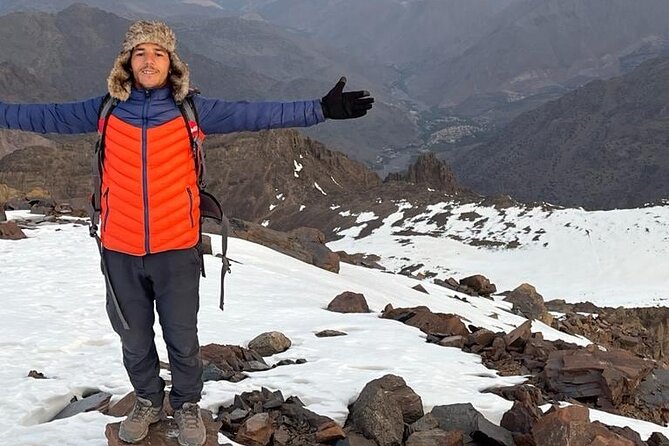
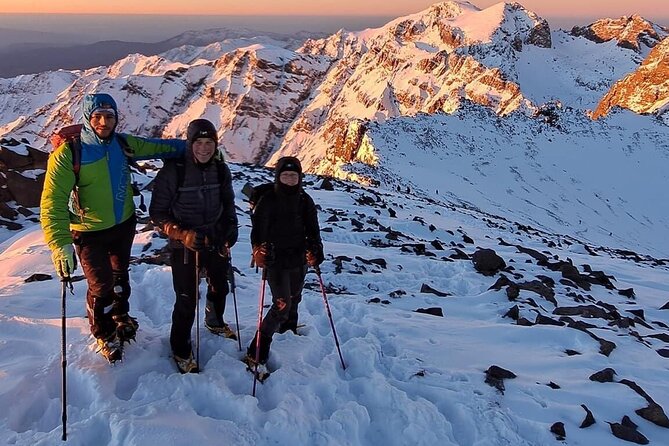
Day 2 is where Toubkal earns its reputation. You trek up to the summit point of Toubkal, then descend back the same way to Imlil. The schedule is roughly 4–5 hours walking for the hike portion, plus about 2 hours driving later when you head back toward Marrakech.
Reaching the top at 4167m is not just about legs. It’s about managing effort when the air feels thinner and cold can creep in. This is where guides make a real difference. Many people highlight Mohamed’s professional organization, good humor, and ability to adapt the plan to the group.
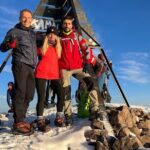
A nice bonus from the reviews: some people mention a chance to see sunrise from the peak, depending on timing and conditions. Even if you’re not aiming for a photo-op, early summit hours often mean cooler air and strong light over the valleys.
On the descent, don’t get too confident. Your knees might feel fine at first, then tighten later when you’re tired. Move carefully, use your footing, and keep your weight controlled—no hero moves on the way down.
Why the Guide Team Matters: Mohamed (and Support Crew) Keep You Safe
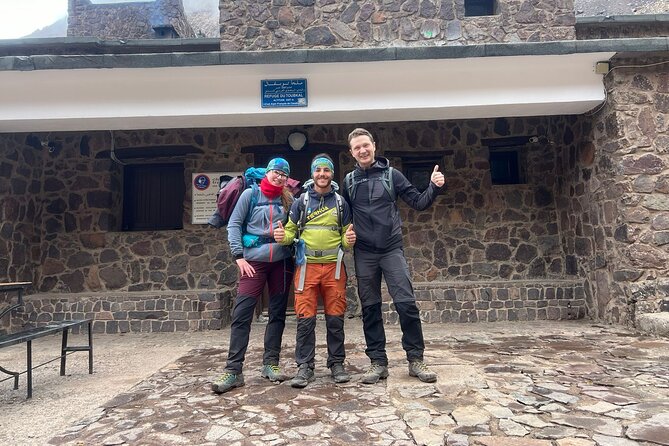
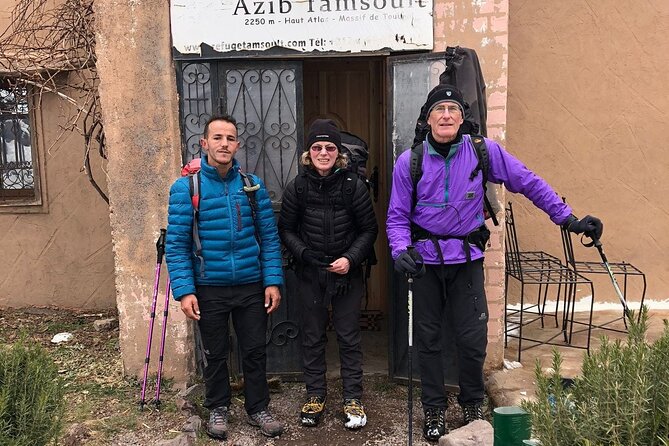
This trek is praised again and again for the people running it. Names show up clearly in the feedback: Mohamed is repeatedly mentioned as an excellent guide, with Youssef also appearing as a local guide in at least some groups.
What you should care about is not just friendliness. It’s how they handle altitude, pacing, and group needs. People describe Mohammed as patient, organized, and able to adjust the hike to your pace. There’s also a recurring theme of extra care—like helping carry a bag when someone is struggling and making sure people stay warm and safe.
You’ll also see support staff called out in reviews, including individuals like Ermush (a cook/muleteer) and others. That matters because mountain trekking is teamwork. When the food is ready, the refuge is in order, and the guide keeps you moving safely, the whole experience feels smooth.
Practical tip: if you have any worries (knee pain, breathlessness, fear of steep sections), say it early. A good guide can adjust far more than you think once they understand what’s going on.
Meals, What You Get, and How to Handle Hunger at Altitude
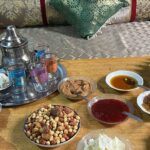
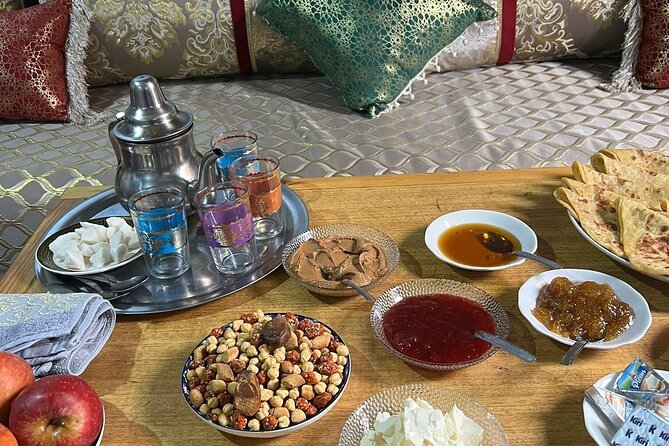
Food is included here, and that’s a big value in the mountains. You get:
- Breakfast x2
- Lunch x2
- Dinner
- Water limited to one 1.5L bottle
That setup is helpful because altitude makes you burn more energy than you expect. If you’re relying on snacks you carried from Marrakech, you may end up underfed. With meals included, you can focus on moving.
Still, bring your own extra snacks if that’s your style. The tour includes core meals, but your personal energy needs can vary—especially if you’re hiking fast or walking slower than average.
One more note: don’t count on a fancy appetite at altitude. Expect to eat what you can, when you can. Small bites with good timing usually beat trying to finish a big meal when your stomach feels sluggish.
Gear and Fitness: What to Bring for a Two-Day Toubkal Effort
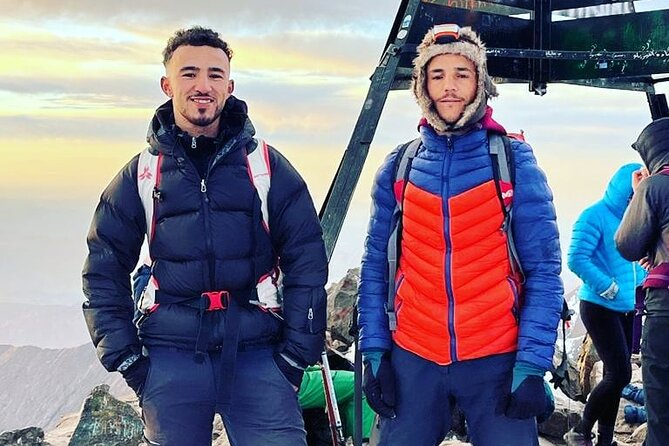
The tour says travelers should have a moderate physical fitness level. In plain terms, that means you should be comfortable hiking uphill for several hours and handling altitude.
For gear, the best practical guidance from the reviews is clear: you’ll want to bring your own equipment, but some items can be rented, including crampons, sleeping bags, gloves, and headlights. Don’t wait until the last minute to ask about availability—mountain gear tends to be in demand.
Here’s what I’d plan around for this specific trek:
- Hiking boots with solid grip (Day 2 descent can be slippery)
- Layers for cold summit air
- A headlamp for early starts or low-light moments
- Gloves and something warm for the summit area
- Sunscreen and lip balm (altitude light can be sneaky)
If you’re worried about crampons, remember you’re going to 4167m. Even when conditions aren’t icy, boots and traction help confidence.
Price and Value: Is $201.67 Worth It for Two Days?
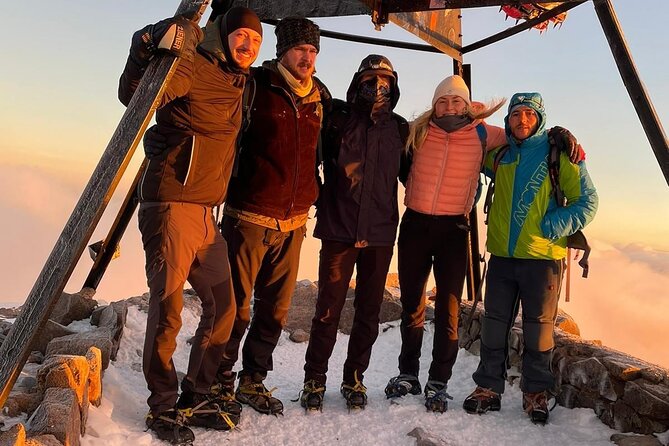
At $201.67 per person, this doesn’t look like a bargain bargain. But when you add up what’s included, the value makes more sense.
You’re paying for:
- Hotel pickup and transport
- An experienced driver for the mountain roads
- An expert Atlas Mountains guide
- Refuge accommodation
- Dinner + 2 breakfasts + 2 lunches
- A group structure (max 15 travelers)
On a Toubkal trek, food and shelter are expensive to replicate on your own. Plus, the summit day is not something you want to wing without local guidance—routes, timing, and pace matter.
So I’d judge this as good value if you want the summit experience without juggling logistics. If you already have trekking skills, your own gear, and a plan for refuge nights, the cost can feel high. But for most people coming from Marrakech, it’s a practical way to buy safety, structure, and meals all at once.
Should You Book This 2-Day Toubkal Trailblazer?
Book it if you want a real summit attempt in just two days, with enough support that you can focus on the experience instead of logistics. This is especially good if you like routes that include village life—passing through places like Aremd and the Shrine of Chamarouch—rather than only chasing elevation gain.
Skip it (or think hard) if you hate the idea of limited water and want fully flexible hiking with no schedule. This is a guided trek with set walking blocks—4–5 hours daily, plus driving—so you’ll commit to the plan.
My decision rule is simple: if you’re ready for a challenging but well-run mountain climb, you’ll likely come away feeling proud, warm, and a little tired—in the good way.
FAQ
What time does the trek start?
The experience starts at 9:00am.
How long will I hike each day?
Day 1 is about 4–5 hours walking. Day 2 is also about 4–5 hours walking, plus additional driving time each day.
What altitude do we reach?
The trek includes elevations up to about 4167m at the summit point of Toubkal, with Day 1 ending around 3200m.
What’s included in the price?
Meals are included (breakfast x2, lunch x2, dinner), along with refuge accommodation, hotel pickup, and an experienced guide/driver. Water is limited to one 1.5 liter bottle.
Do I get picked up from my hotel in Marrakech?
Yes. Hotel pickup is included.
What is the cancellation policy?
You can cancel for a full refund if you cancel up to 24 hours in advance. If you cancel less than 24 hours before the start time, there is no refund.
If you tell me your fitness level and whether you’re going for sunrise or photos, I can suggest how to pace yourself for Day 2.