REVIEW · SEATTLE
From Seattle: Visit Snoqualmie Falls and Hike to Twin Falls
Book on GetYourGuide →Operated by Benjamin's Tours · Bookable on GetYourGuide
Snoqualmie Falls hits like a movie scene. I love that this half-day pairs two waterfall viewpoints with a real temperate rainforest hike right outside Seattle. It also has Twin Peaks energy—plus it’s a sacred place, so you feel the setting as more than just scenery.
The only catch is that the Twin Falls section involves a moderate hike over uneven ground, and you might not make it all the way to the farthest overlook. If you’re expecting easy strolling the whole way, plan your pace ahead of time.
In This Review
- Key things to know before you go
- Starting in Pioneer Square: Zeitgeist Coffee and a calm morning plan
- Snoqualmie Falls viewpoints: stairs, scale, and Twin Peaks context
- Rainforest mornings: what the guide helps you notice in the Cascades
- Twin Falls hike in the Cascade Mountains: moderate effort with real viewpoints
- Pacing for real bodies: how the tour adapts across ages and fitness levels
- Transportation value: what you pay for at $67 per person
- What to pack and how to avoid common hiccups
- Should you book this Snoqualmie Falls and Twin Falls tour?
Key things to know before you go
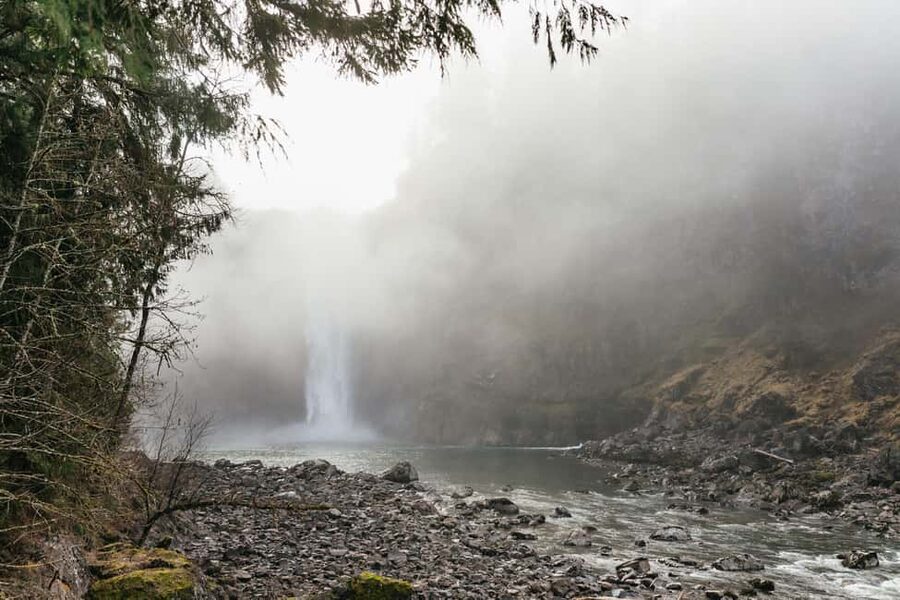
- Two waterfalls, not one: Snoqualmie first, then Twin Falls for the Cascade Mountains feel.
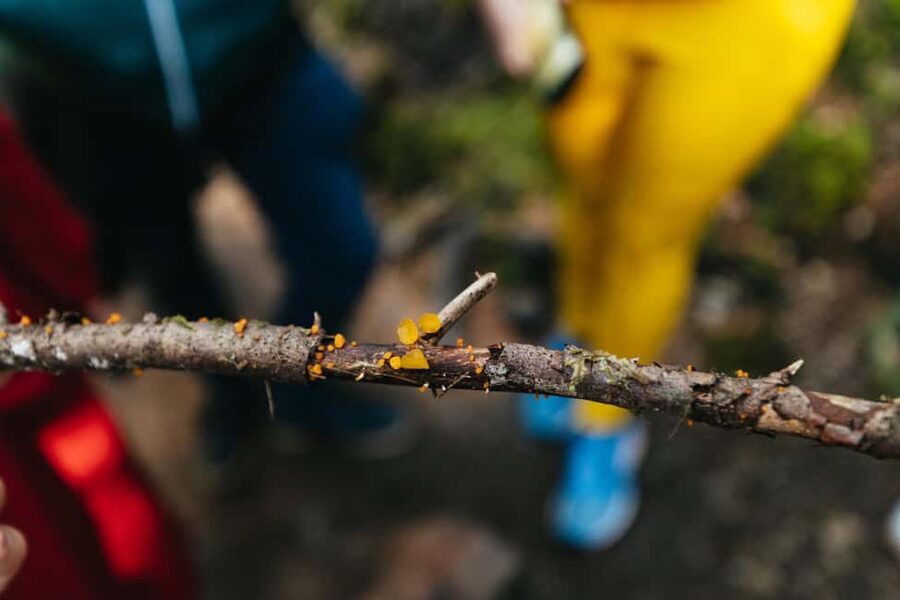
- Temperate rainforest focus: you’ll be encouraged to notice trees, mushrooms, and small details, not just big sights.
- Small group size: limited to 14 participants, which helps with stops, pace, and questions.
- Guides who slow down for photos and breaks: many groups highlight photo help and patient guidance.
- Short schedule, early return: you’re set up to be back in Seattle by 12:00pm.
Starting in Pioneer Square: Zeitgeist Coffee and a calm morning plan
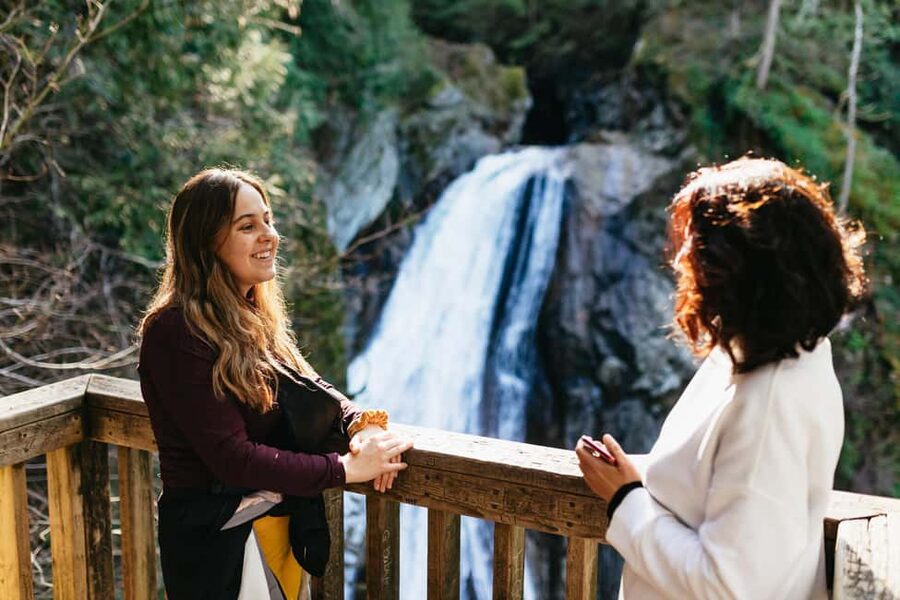
This tour starts in Seattle’s Pioneer Square at Zeitgeist Coffee, which is a solid move if you want a low-stress start. You begin with a real morning vibe—grab a drink if you need it, then get moving before the city gets loud. The tour is designed as a “connect with nature” outing, not a marathon.
I like how the group is kept small (max 14). That matters more than it sounds. It’s easier to manage breaks at the viewpoints, and it’s also easier for the guide to adjust pace when someone needs it. You’re also in a van most of the time between stops, so you’re not fighting traffic after you step off your hotel shuttle.
Timing is tight in a good way. It’s a 4-hour tour, and the day is built to return you by 12:00pm. If you want a major nature hit without losing your whole afternoon, that schedule is a big win.
You can also read our reviews of more hiking tours in Seattle

Snoqualmie Falls viewpoints: stairs, scale, and Twin Peaks context
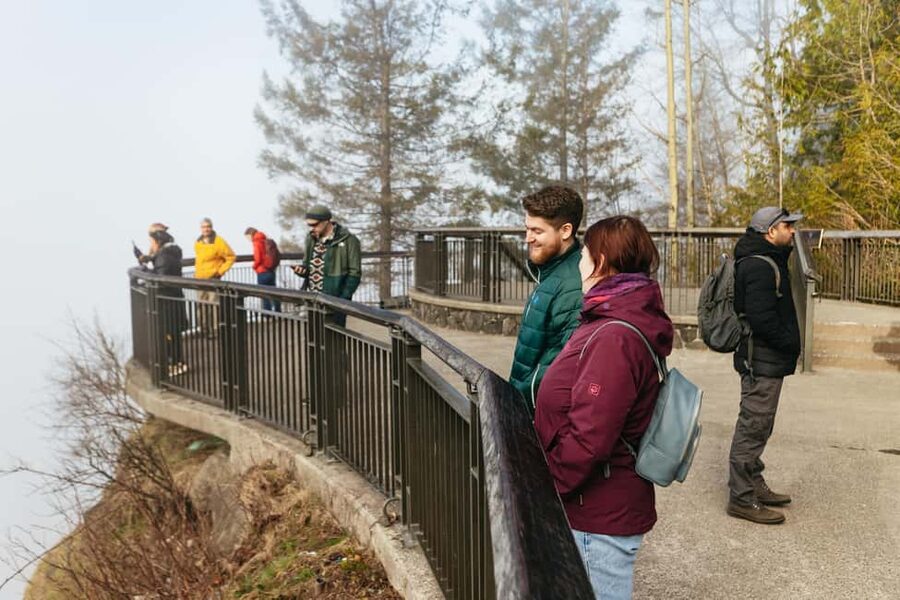
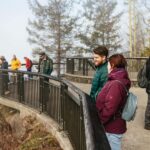
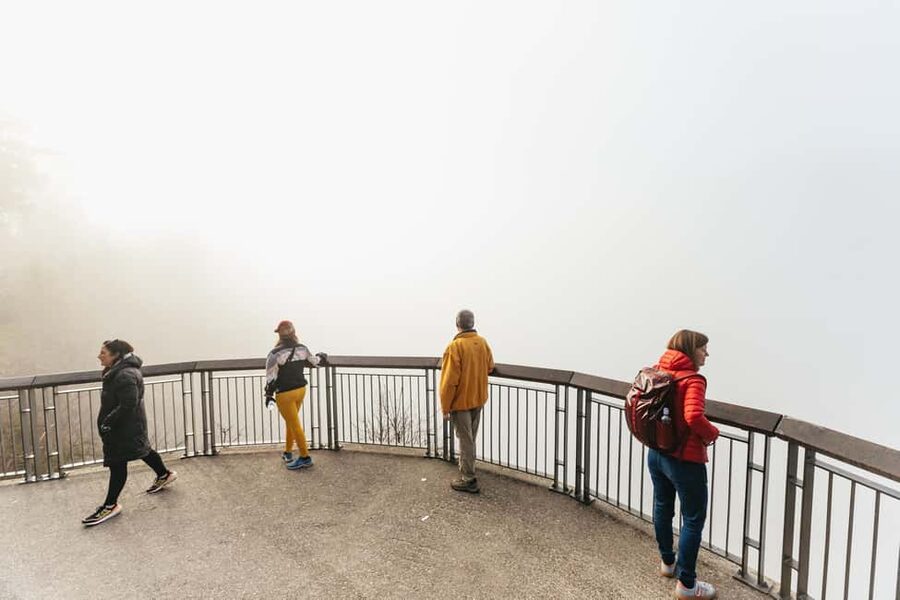
The first big stop is Snoqualmie Falls, and you’ll experience it from two different vantage points. One is an easy walk, but it does include stairs—so comfortable shoes matter right away, even before the hiking begins.
Snoqualmie isn’t just a pretty cascade. It’s described as a sacred place, and it’s also tied to Twin Peaks (the setting you’ve seen on screen). That combination changes how you look at the falls. Instead of rushing to capture a photo and moving on, you tend to slow down and watch the water and the surrounding forest more carefully.
Guides such as Johnny/Jonny (and also Jonathan and Benjamin in other groups) are consistently praised for sharing on-the-ground details. You might hear about what you’re seeing in the trees, along the forest floor, and even things like mushrooms. That kind of context turns the falls from a background scene into the main event.
Rainforest mornings: what the guide helps you notice in the Cascades
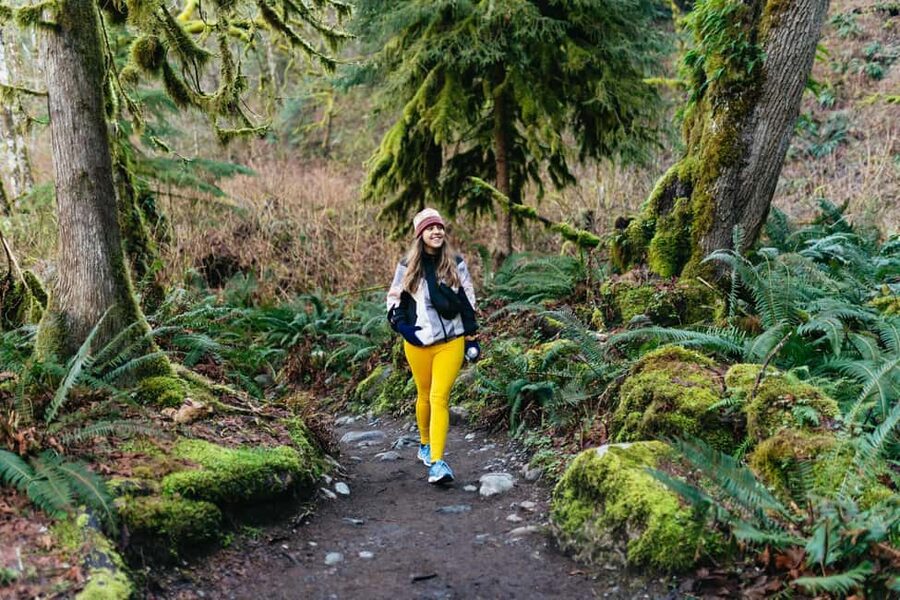
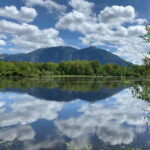
Between viewpoints and the hike, this tour leans into the rainforest experience. The Cascades here are the type of environment where you can’t really appreciate it from a quick roadside stop. You need time to walk, breathe, and look—especially at the massive old-growth trees that define the area.
What makes this part work is the guide’s role. In multiple groups, the guides are described as patient and encouraging, and they make time for questions. If you’re the type who likes practical nature interpretation—trees, forest signs, what’s happening at ground level—you’ll likely feel more connected by the end.
There’s also a small-group courtesy built into the way some guides manage movement. One past group noted that the guide stayed in communication and kept people aware of timing changes if another group caused a delay. That calm, organized energy is useful when you’re mixing families, walkers who move slower, and hikers who want to push a bit more.
Twin Falls hike in the Cascade Mountains: moderate effort with real viewpoints
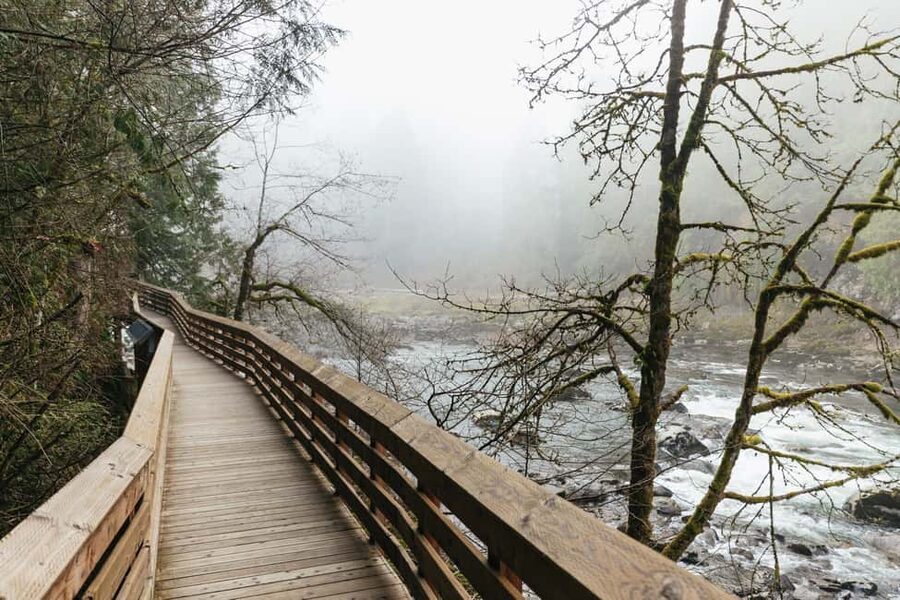
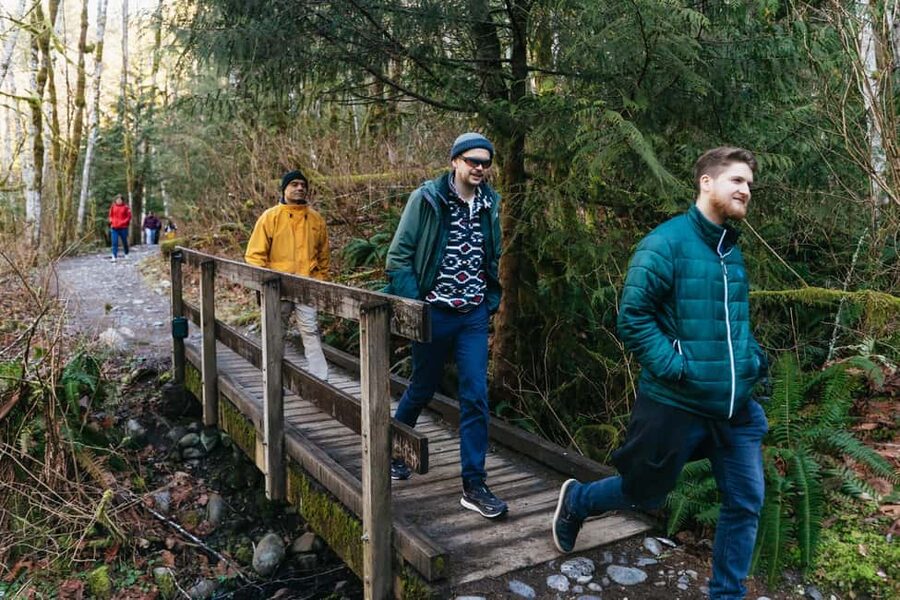
Then comes the hike to Twin Falls, and this is the part that separates this tour from a pure sightseeing drive. The terrain is described as unpaved, with rocks, tree roots, and some narrow paths to navigate. There can be uphill hiking, and at times you may climb over a fallen tree.
In plain terms: this isn’t a flat nature trail. But it’s also not described as impossible. One reviewer even noted they hiked successfully while pregnant, and another group said the hike felt like a workout—but manageable with the right expectations.
Here’s the key tip: you can still enjoy the experience even if you don’t reach the far end. A viewpoint is available about a quarter of the way into the roundtrip, so you’re not “wasting” the effort if you turn back early. The guide is also expected to tailor the hiking to different ages and fitness levels, which is exactly what you want on a moderate route.
Photo stops are part of the day, too. Several groups mention the guide offered to take pictures at stops and helped with multiple angles. That’s handy because the best light in forest settings can be tricky, and you don’t always want to hand off your phone to strangers.
Pacing for real bodies: how the tour adapts across ages and fitness levels
This tour is explicitly set up for different fitness levels. Some people might not finish the full Twin Falls hike, and that’s treated as normal—not a failure. The goal is to leave you with a stronger appreciation for the natural spaces you came to see, even if your knees call it earlier than your ambition does.
I like that the experience is built around a tight but humane rhythm:
- short walks and stops at the falls
- a structured hike segment
- time to pause for breaks and pictures
- a scheduled return to Seattle
Because the group is limited to 14, the guide can actually monitor who’s struggling and adjust the pace. You’re not just following a fast line of strangers. And if you’re coming with a mixed group (friends with different walking speeds), you’ll likely find the dynamic works better than a big bus tour.
One practical note: the tour “takes place rain or shine.” That’s not just marketing. Forest conditions can get slick, and you’ll want traction-friendly shoes. If your comfort depends on weather, you’ll want to think about that before booking.

Transportation value: what you pay for at $67 per person
The listed price is $67 per person, and for Seattle, that’s not just paying for a drive. You’re buying four main things:
1) transportation from Seattle to the falls area and back
2) a live English-speaking guide
3) time-managed access to two waterfall experiences
4) help with pacing on the hike, including breaks and viewpoint planning
You also get a small group cap, which reduces the “everyone herds together and nobody stops” feel. Some groups rate the tour extremely highly (a strong overall rating), which usually tracks with one of the biggest value levers in short tours: you don’t have to plan the route, manage parking, or guess how hard the hike will feel once you’re already there.
Could you do this on your own with a rental car? Sure, but you’d still need to deal with the hike logistics and timing. Here, the schedule is built to return you by 12:00pm, and that’s exactly what makes the price easier to justify if you have limited time.
What to pack and how to avoid common hiccups
This tour gives you the big basics: bring comfortable shoes, water, and snacks. I’d treat water and snacks as non-negotiable on the hike segment—especially since it’s an all-morning experience with physical exertion.
A few practical upgrades that align with what the hike is like:
- traction-minded footwear for roots and rocks
- layers for a rainforest day (cool and damp can change quickly)
- something to keep your hands free (a small crossbody or backpack helps)
Also, read your own comfort needs. The Twin Falls hike can include occasional obstacles like a fallen tree, and the paths can be narrow. If you’re carrying a heavy bag or wearing shoes that slip, you’ll feel it.
One more honest detail: a past group mentioned the guide could use clearer microphone audio. Another group mentioned there wasn’t much information during the drive portion. That doesn’t usually change the main sights, but if you care a lot about narration on the way, come ready with curiosity—and ask questions when you get a chance.
And on timing: one group noted a late couple caused about a 25-minute departure delay. That’s the nature of small groups. If your day is tight afterward, give yourself a buffer even though the tour aims to be back by noon.
Should you book this Snoqualmie Falls and Twin Falls tour?
Book it if you want a true rainforest experience without spending your whole day on logistics. The combination of Snoqualmie Falls (including stairs and multiple viewpoints) plus the hike to Twin Falls is a strong hit for a 4-hour window, and the small group size (14 max) makes it feel personal.
Skip it or rethink your expectations if you’re looking for mostly flat walking. Twin Falls includes uphill effort and uneven footing, and while you can stop early at a viewpoint, it still requires hike stamina.
If you do book, your best move is to show up with the right shoes, pack water and snacks, and be flexible about how far you hike. The payoff isn’t just reaching the end—it’s the shift in how you see the Cascades once you slow down and walk under old trees.