REVIEW · GARDINER MONTANA
Yellowstone: Upper Geyser Basin Hike with Lunch
Book on GetYourGuide →Operated by Yellowstone Hiking Guides · Bookable on GetYourGuide
Steam, color, and geology walk with you. I like how this guided hike turns Yellowstone’s thermal chaos into a story you can read with your eyes, starting at Daisy Trailhead and working into the Upper Geyser Basin and the iconic Old Faithful area.
I also love the way the day is paced. Guides like Ron and Jake keep things organized, slow down for questions (and for less-experienced hikers), and help you spot what matters: steam vents, colorful pools, and the chance to see geysers erupt and wildlife along the way. Add the fact that lunch is included, and you get a hike that feels built for real people, not just camera stops.
One possible drawback: this is not a casual stroll. You’ll hike about 6 miles on trails and boardwalk at roughly 7,300 feet, with some up-and-down, and it runs rain or shine. If you have mobility concerns or heart problems, you’ll want to think twice before booking.
In This Review
- Key highlights at a glance
- Why Upper Geyser Basin is worth your feet, not just your camera
- Getting to Daisy Trailhead (the one detail that can waste time)
- The start of the day: breakfast, coffee/tea, and gear check
- How the hike works: boardwalk rhythm + short destination walks
- Morning Glory Pool: where color tells you pressure and chemistry
- Old Faithful and Old Faithful Inn: famous, yes, but timed with purpose
- Back toward Daisy Geyser: more walking, more chances to notice wildlife
- Lunch on the trail: the included picnic that keeps the day enjoyable
- Supervolcano signs: what you’re really learning underfoot
- Price and value: what $182 includes (and what doesn’t)
- Who this hike fits best (and who should skip)
- My booking verdict: should you book this Yellowstone hike?
- FAQ
- How long is the Yellowstone Upper Geyser Basin hike with lunch?
- What’s included in the price?
- Where do I meet the guide?
- Is the tour only offered in good weather?
- How much walking is involved?
- What types of visitors shouldn’t book?
Key highlights at a glance
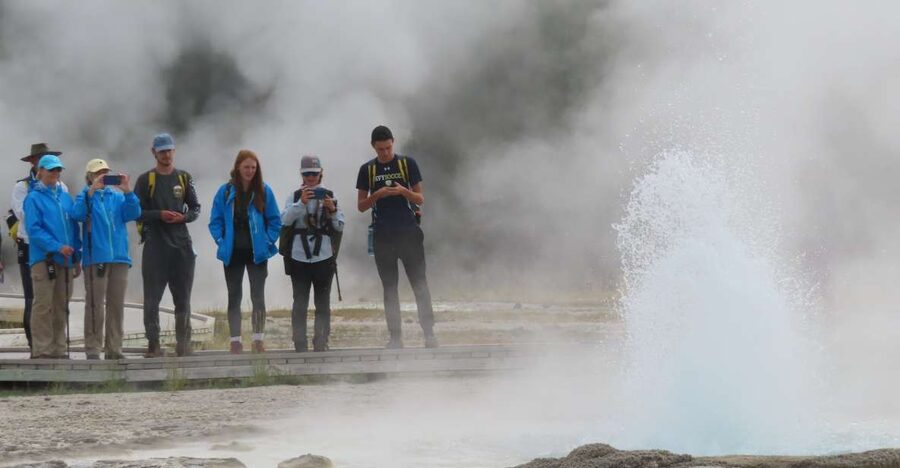
- Upper Geyser Basin thermal features you can actually walk through, not just view from a distance
- Morning Glory Pool and Old Faithful stops with boardwalk time built in
- Supervolcano geology explanations that connect what you see to why it happens
- Wildlife watch for elk, bison, bears, and birds while you hike
- Lunch, snack, and hot drink included, plus bear spray and a trekking pole
Why Upper Geyser Basin is worth your feet, not just your camera
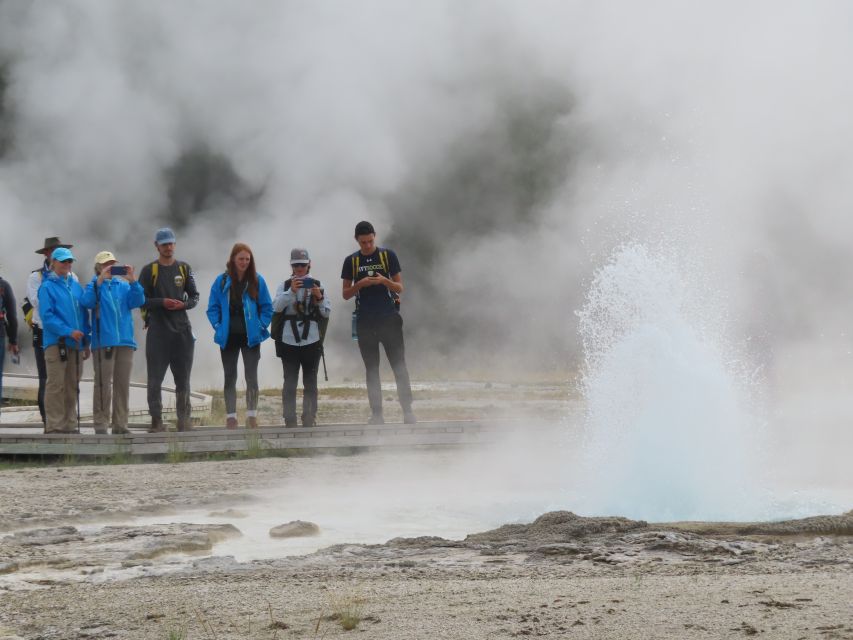
Yellowstone’s thermal areas can look like a postcard—until you’re standing there and realize it’s an active system. This hike puts you in the Upper Geyser Basin where you see hot springs, bubbling features, and steam in different stages, often within a short walk.
What I like is the guide-led angle. You’re not only being shown famous spots like Old Faithful. You’re also learning how these thermal features fit together as part of Yellowstone’s deeper geothermal engine—yes, including hints that connect to a larger supervolcano story.
If you’ve ever wondered why geysers erupt on their schedules (and why the ground looks so dramatic), this is the kind of day where the explanation lands because you’re looking at the evidence at eye level.
Getting to Daisy Trailhead (the one detail that can waste time)
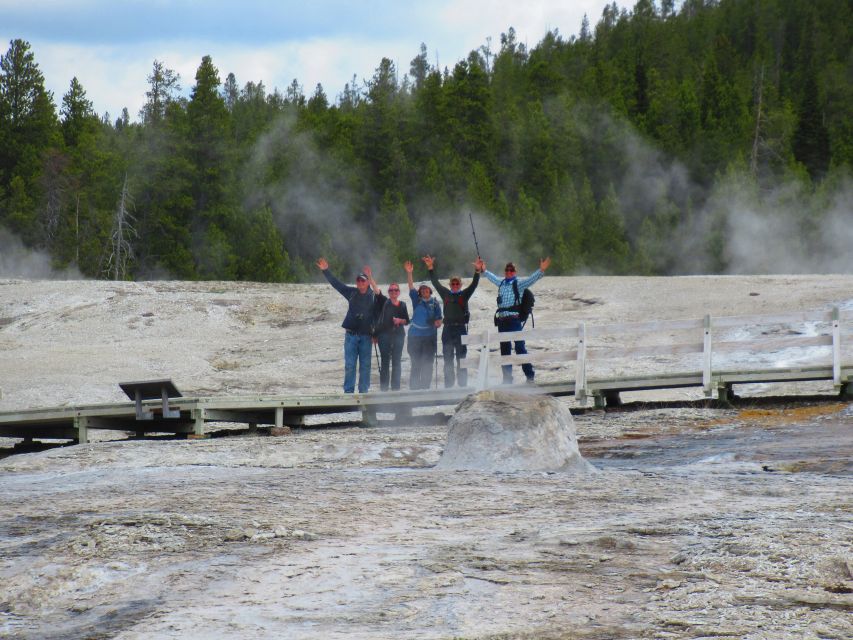
The meeting point is Daisy Trailhead, located about 1/2 mile south of Artemisia Trailhead and the Biscuit Basin trailhead. And here’s the easy-to-miss part: it’s not Artemisia and it’s not Biscuit Basin.
Daisy Trailhead is described as two small pullouts on each side of the road, and it’s north of Old Faithful, about 2.5 miles. From Old Faithful Village, it’s roughly 10 minutes—go north about 2 miles from the overpass near Old Faithful Village, then look for that small pullout area on the right.
From Madison Junction, it’s longer—about 20 minutes, roughly 14 miles. You go south and pass the Fairy Falls trailhead area (it’s noted that if you see Black Sand Basin on your right, you’ve gone too far). This is the kind of instruction you’ll appreciate once, because missing it means losing the start of your hike.
The start of the day: breakfast, coffee/tea, and gear check
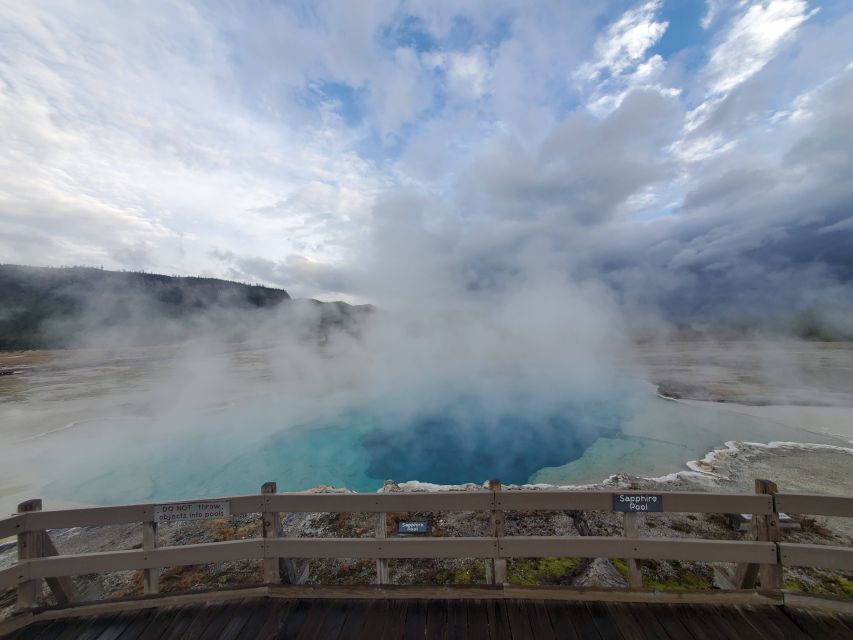
Before you hit the geothermal chaos, you start with a morning snack and hot drink, plus a basic breakfast stop. Then you’ll do a short safety presentation and get set up with what you need for the day.
You’ll be provided a backpack for your necessities, a trekking pole, and bear spray. You still need to bring basics like comfortable shoes, water, and rain gear. Because Yellowstone loves surprises: even if skies look fine, you should plan for wet conditions.
The tour is explicitly rain or shine, and the hike includes boardwalk sections as well as walking trails. That matters because boardwalk can feel steady underfoot, but it’s still uneven in places, and water plus steam can make surfaces slick.
How the hike works: boardwalk rhythm + short destination walks
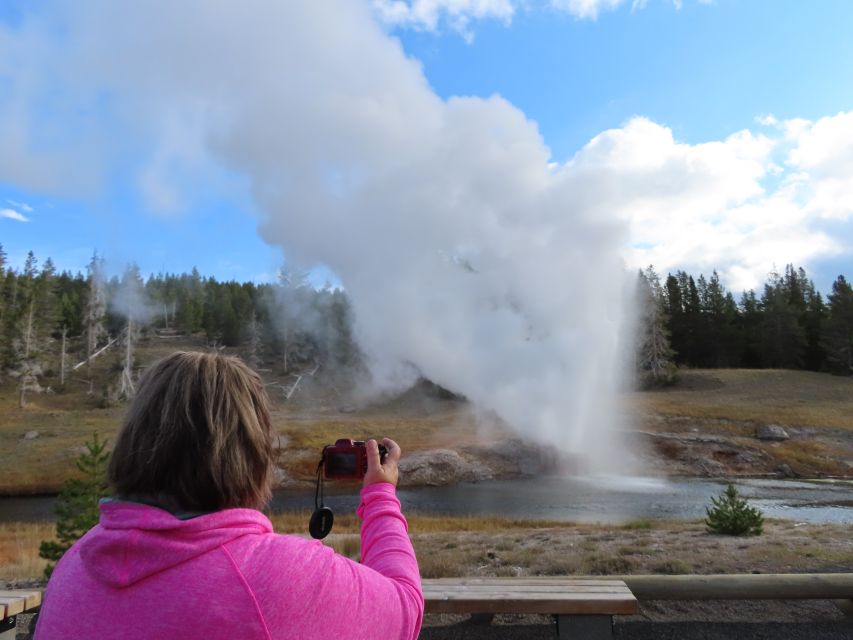
Once you’re on the trail, you’re moving through an ecosystem where the ground is both fascinating and fragile. The experience is set up so you can enjoy stops without feeling like you’re sprinting between sights.
You’ll spend time in the Upper Geyser Basin, where the viewing isn’t just one big sweeping panorama. It’s more like a chain of thermal scenes: colorful pools, bubbling hot features, steam vents, and the occasional sense that something is about to change.
The guide is also managing group flow. In the better moments, you can feel them adjusting pace based on who’s in the group, with time for breaks and regular checks so people stay hydrated and keep up safely.
And wildlife adds another layer. This is one of those Yellowstone days where you may see elk, bison, birds, and potentially bears at a distance—especially around trail edges and open areas. You’ll also hear rules in practice: you’re not feeding animals, and you’re not touching anything along the way.
Morning Glory Pool: where color tells you pressure and chemistry
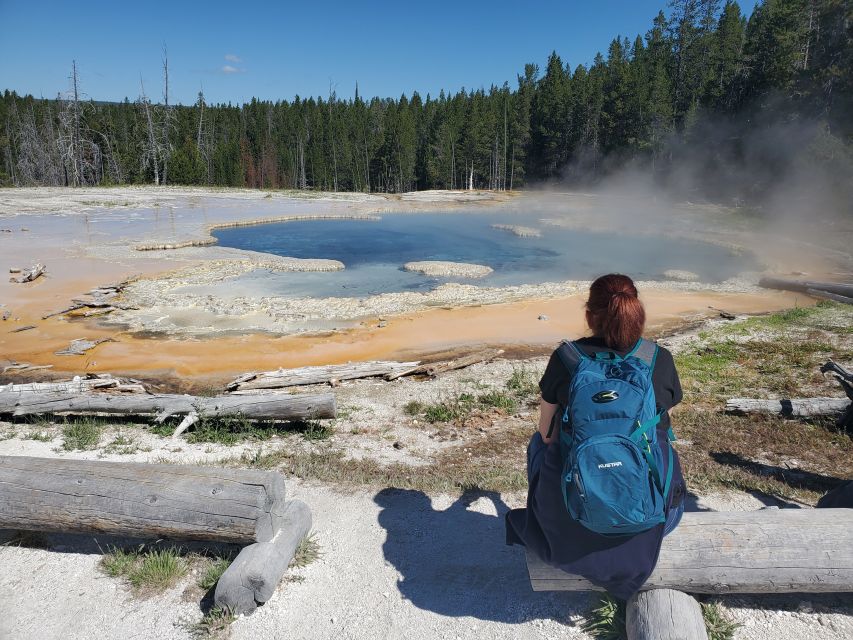
At Morning Glory Pool, the tour shifts into classic sightseeing and walking. This is one of those Yellowstone stops where your eyes take over. The colors look almost too intense until you’re standing close enough to see how the steam and water movement shape the surface.
The real value here is context. A good guide links what you’re seeing to how Yellowstone’s thermal system behaves over time. You start understanding that the features aren’t random artwork. They’re responses to pressure, heat, and mineral content.
Even if you’ve seen photos online, the scale and the way steam rises around the edges can be a surprise. It’s the kind of stop that makes you slow down, breathe, and stop rushing to the next famous view.
Old Faithful and Old Faithful Inn: famous, yes, but timed with purpose
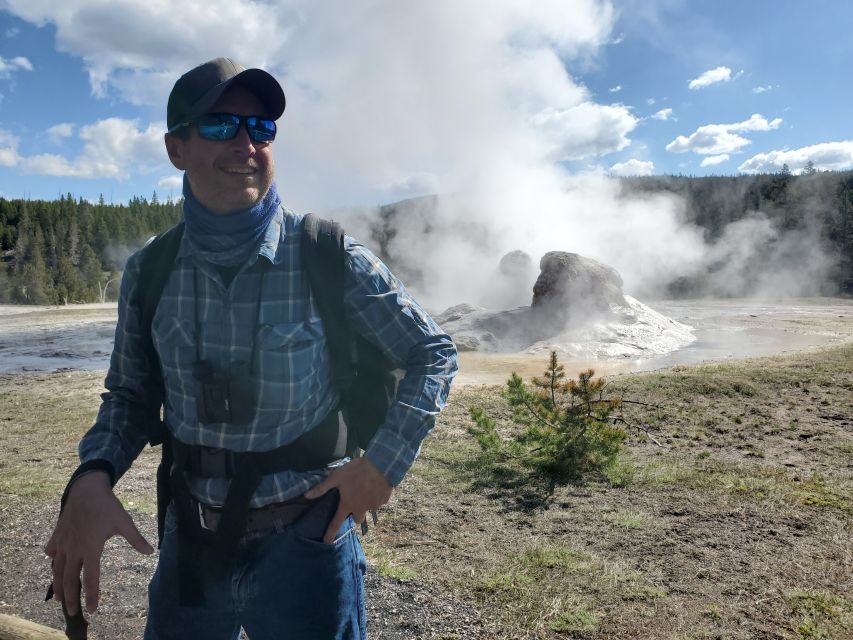
You’ll also reach Old Faithful for sightseeing and additional walking. This stop is about more than watching an eruption. It’s the moment where the day’s geology talk becomes easy to feel.
Your guide leads you through the area so you’re not just craning your neck and hoping you picked the right angle. You’re getting a guided walkthrough style—less guesswork, more reading the environment around you.
Then there’s the Old Faithful Inn visit. The Inn is part of what makes the area feel like a centerpiece of Yellowstone. Even if you’re not into buildings, it’s a useful pause in the geothermal spectacle—letting you reset before continuing deeper into the hike loop.
Also, this is one of those areas where seeing other geysers can happen. The tour notes that you may spot eruptions from geysers such as Beehive Geyser, Grand Geyser, Castle Geyser, Grotto Geyser, Riverside Geyser, and Daisy Geyser. You’re not guaranteed every eruption, but the chances are built into the timing and positioning.
Back toward Daisy Geyser: more walking, more chances to notice wildlife
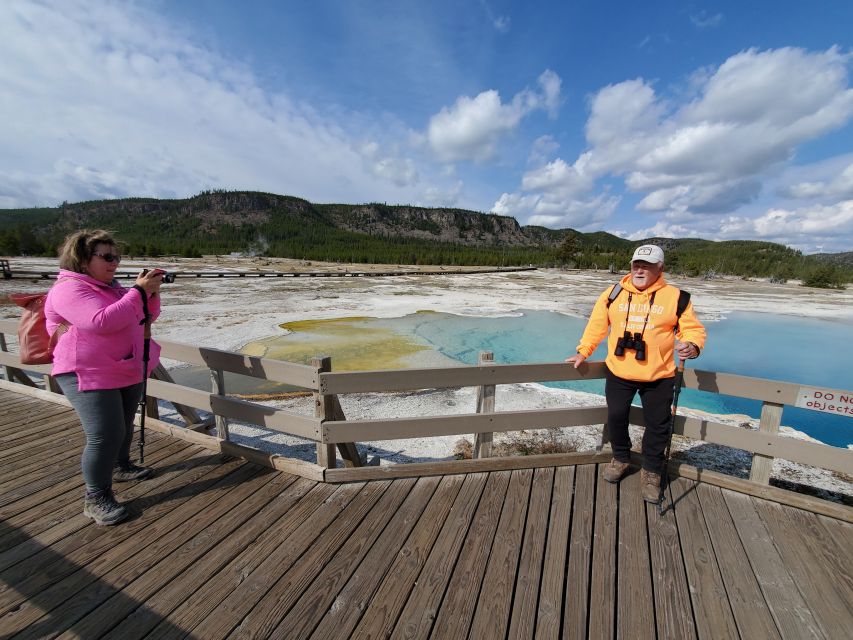
After Old Faithful, the route continues toward Daisy Geyser with more hiking and sightseeing opportunities. Daisy Geyser is a strong final-note stop because it’s still part of Yellowstone’s active geothermal theater, but it doesn’t feel like a repeat of the same exact view.
This portion of the hike is where I’d expect more people to start noticing details. You begin to track steam patterns, see how the boardwalk edges frame the hot ground, and spot signs of animal movement from a distance.
Wildlife sightings can be part of the fun—bison on the trail is specifically mentioned—so you’ll want to stay alert and follow guide direction. If you’re used to walking near animals, this is still different: Yellowstone wildlife is wild, and you’re sharing space with creatures that have a lot more right-of-way than your itinerary.
One helpful real-world note: the route can shift if there are wildlife-related closures. In a past experience, a grizzly situation led to changes, and the guides adjusted smoothly while keeping the focus on what was still accessible and safe.
Lunch on the trail: the included picnic that keeps the day enjoyable
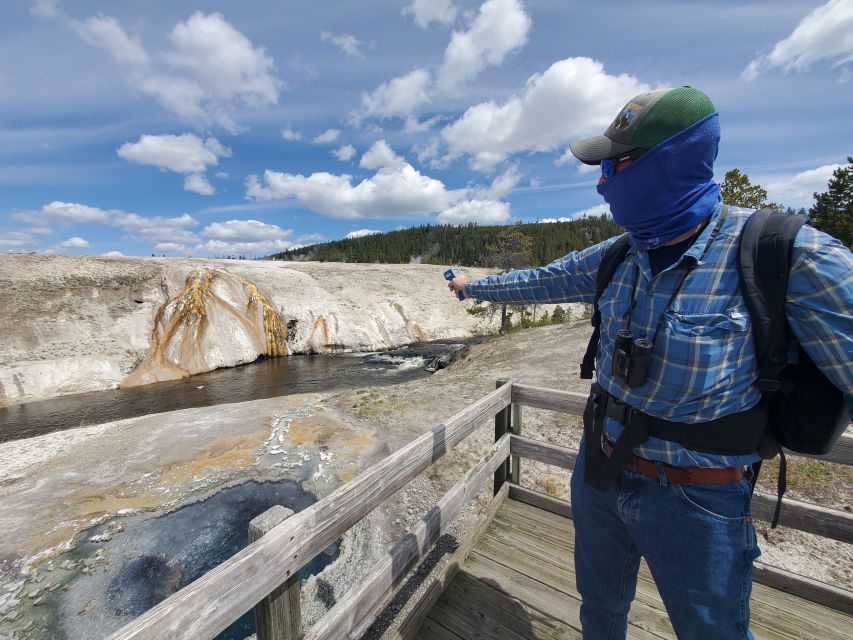
This tour is built around food that doesn’t slow you down. You get a picnic lunch, plus the morning snack and hot drink.
The value isn’t only that lunch exists. It’s that you’re eating in context, which helps you keep energy for the full loop. You don’t have to lose momentum searching for quick options or trying to time meals around famous eruptions.
In real experiences, guides have served sandwich-style lunch along with snacks, and that combo works well for a 6-hour active day. Bring water, pace yourself during any uphill sections, and treat lunch as your reset button before the later geyser stops.
Supervolcano signs: what you’re really learning underfoot
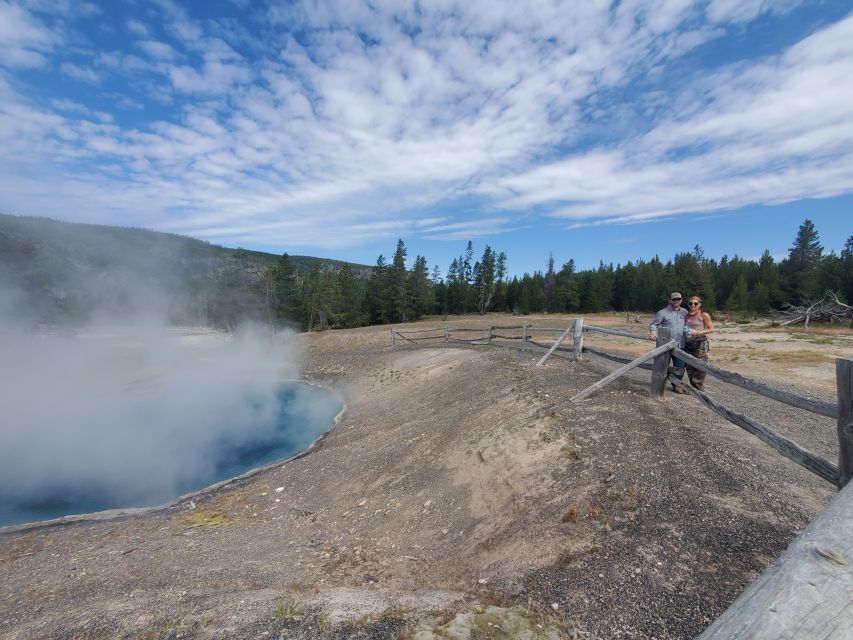
The tour explicitly frames the day as a chance to understand the complexity of a supervolcano through Yellowstone’s geothermal activity. You’ll see signs of that larger geological system beneath your feet, and the guide helps connect the visible features to the bigger mechanism.
This matters because Yellowstone can otherwise feel like a set of unrelated attractions. With the guided explanation, the thermal features become a network. You stop asking which geyser is the coolest and start understanding why this whole region behaves like a living heat engine.
That shift changes the day from sightseeing to actual learning you can feel in the ground around you. It’s a big reason people get more satisfaction from a guided hike than a self-guided shuffle.
Price and value: what $182 includes (and what doesn’t)
At $182 per person for about 6 hours, the price can feel steep until you look at what’s included.
You get:
- Naturalist guide
- Picnic lunch
- Morning snack and hot drink
- Backpack for essentials
- Trekking pole
- Bear spray
That’s real money’s worth of equipment and planning, especially the guide time and the safety items. What’s not included is park entrance fees, and you’re also responsible for your own arrival—there’s no hotel pickup/drop-off.
In plain terms: if you’re already planning to go to Yellowstone’s major thermal areas, this tour is paying to make the experience organized, safer, and more meaningful. If you like long explanations, frequent stops, and a day plan that reduces guesswork, it’s good value. If you only want quick photos and don’t care about the geology story, you might find a more self-directed approach cheaper.
Who this hike fits best (and who should skip)
This isn’t a low-effort walk. The hike happens at about 7,300 feet and covers around 6 miles of walking plus boardwalk, with up and downhill.
It’s not suitable for:
- Children under 8
- People with mobility impairments
- People with heart problems
- Wheelchair users
- People over 80
If you’re a generally healthy hiker who can manage steady walking over uneven ground and boardwalk, you’ll likely enjoy this. If you’re sensitive to altitude, bring your best pacing habits and be honest with yourself about your stamina.
My booking verdict: should you book this Yellowstone hike?
I’d book this tour if you want Yellowstone to feel like a guided story, not a scramble. The combination of Upper Geyser Basin, Morning Glory Pool, Old Faithful, and a final push toward Daisy Geyser gives you variety without making the day chaotic. Add in the included lunch and the guide-led wildlife spotting approach, and it’s a strong “one day, done right” option.
Skip it if you need a fully flat, easy walk, or if the altitude and 6-mile total distance will be a struggle. Also, make sure you can follow rules around wildlife and thermal features—no pets, no drones, no feeding, and no touching exhibits or animals.
If you’re the kind of traveler who wants to understand what’s happening underfoot, this is a smart way to spend your time in Yellowstone.
FAQ
How long is the Yellowstone Upper Geyser Basin hike with lunch?
The tour lasts about 6 hours.
What’s included in the price?
You’ll get a morning snack, a hot drink, a backpack for essentials, a trekking pole, bear spray, a picnic lunch, and a naturalist guide.
Where do I meet the guide?
Meet at Daisy Trailhead, which is about 1/2-mile south of Artemisia Trailhead and the Biscuit Basin trailhead. It’s described as two small pullouts on each side of the road, located north of Old Faithful.
Is the tour only offered in good weather?
No. The hike runs rain or shine.
How much walking is involved?
The hike includes about 6 miles of trail and boardwalk, with up and downhill, at an elevation of about 7,300 feet.
What types of visitors shouldn’t book?
It’s not suitable for children under 8, wheelchair users, people with mobility impairments, people with heart problems, or people over 80. Pets and drones are also not allowed.