REVIEW · MOUNT ETNA
Mount Etna: Summit Trekking Tour
Book on GetYourGuide →Operated by Luca Cosma · Bookable on GetYourGuide
Etna summit day feels like another planet. On this Mount Etna summit trekking tour, you ride up by off-road 4×4 to about 2,900 meters, then hike toward the summit craters of Europe’s most active volcano. I love the small group setup (up to 10) and the serious safety focus, including helmets and guided pacing. One consideration: your exact route and even how close you get to the summit can shift with volcanic activity and weather.
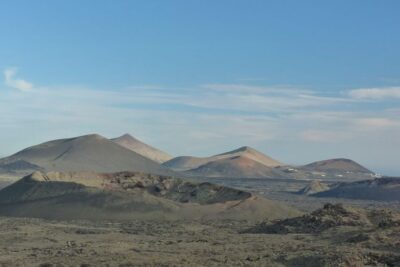
I also love the payoff that goes beyond a quick viewpoint. You cross lava terrain on Etna’s wilder north side, spend time around the Cratere Centrale dell’Etna, and aim for high-elevation views over Sicily, the Aeolian Islands, and the Calabrian coast. Then you get a look toward the Valle del Bove from Pizzi Deneri during the descent loop.
In This Review
- Key highlights at a glance
- Starting at Sole-neve Souvenirs: the real start of an Etna crater day
- The off-road 4×4 step to ~2,900m: why this tour feels different
- The hiking push to Cratere Centrale dell’Etna: steep, loose, and managed
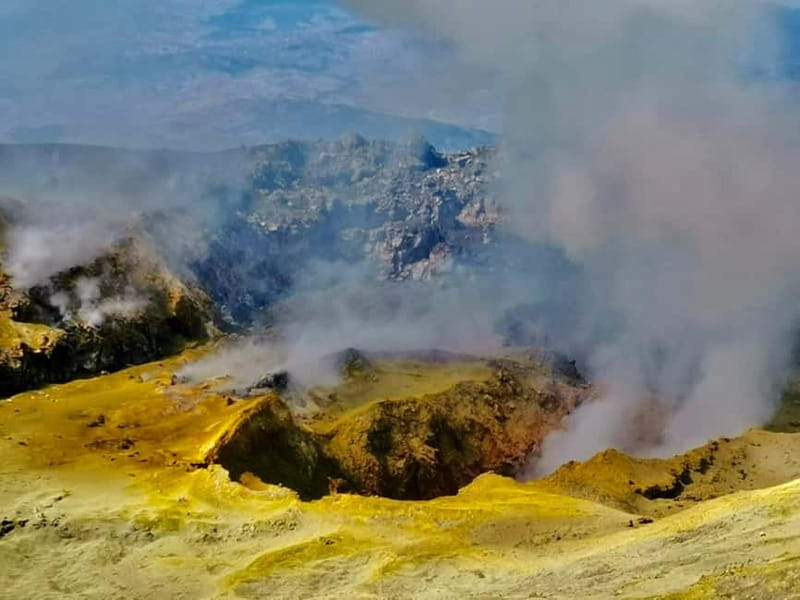
- Summit craters and the wind-gas factor around 3,400m
- Valle del Bove time from Pizzi Deneri: the best part of the descent loop
- Gear and guide team: Luca Cosma and the people running your hike
- Price and value: $65 tour cost plus the €50 transport fee
- Fitness and health reality check: who should do this and who shouldn’t
- What to pack for Etna: cold, wind, dust, and sharp rock
- Should you book the Mount Etna summit trekking tour?
- FAQ
- Where is the meeting point for the Etna summit trekking tour?
- How long is the tour, and how active is it?
- Do I need to bring hiking boots and a jacket?
- Is the €50 Unimog 4×4 transport ticket included in the $65 price?
- Is a summit visit guaranteed?
- What languages are the guides available in?
- What should I bring with me?
- Who is this tour not suitable for?
Key highlights at a glance
- Summit craters at 3,340m: the goal is the crater area of the highest active volcano in Europe
- North-side, less-touristed terrain: lava fields and off-the-main-track angles
- 4×4 access to ~2,900m: less time slogging, more time walking where it matters
- Valle del Bove viewpoint: time to look out from Pizzi Deneri on the way down
- Guides who adjust in real time: route can change for wind and volcanic conditions
- Gear included: hiking boots, a jacket, and a helmet help you travel lighter
Starting at Sole-neve Souvenirs: the real start of an Etna crater day
The tour meets right at Sole-neve Souvenir. The shop is also your landmark for parking, which matters because Etna drives can feel slow and confusing once you’re on the winding mountain roads.
Before you move, there’s a short orientation plus equipment checks. Expect a safety briefing (about 20 minutes) and time to get set up with the gear the operator provides, like a helmet and hiking boots. Small groups help here. You’ll spend less time waiting around, and you’re easier to manage if conditions change.
Language options are English, Italian, and French, and the group may be split by language. That’s not just convenience; it helps explanations land, especially when the guide is talking volcanology and what to watch for on steep, loose ground.
One thing I appreciate: you’re not sent away on your own. Your guide’s job is to keep the group together and keep you safe in a place that can be unpredictable.
You can also read our reviews of more hiking tours in Mount Etna
The off-road 4×4 step to ~2,900m: why this tour feels different
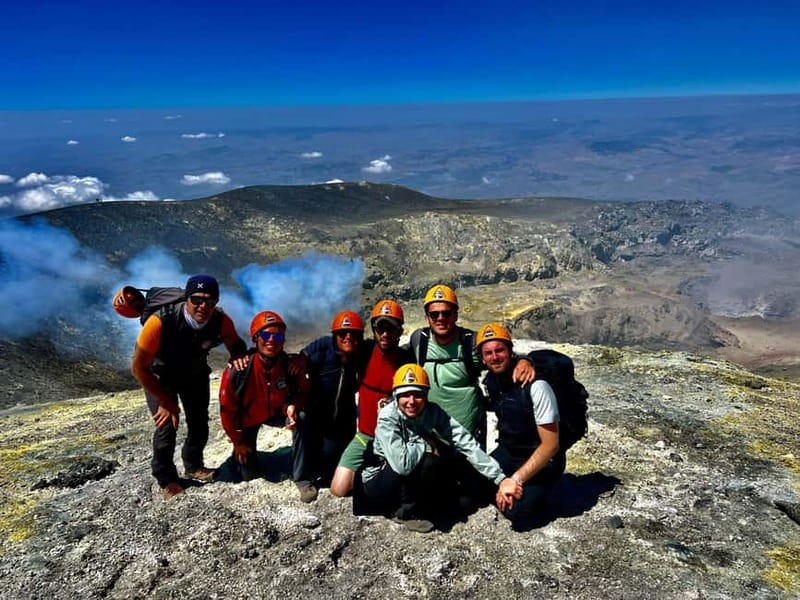
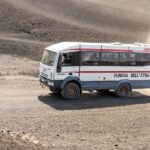
This experience isn’t a long walk from the base of the volcano. The design is practical: you head up using Special Off-Road 4×4, reaching around 2,900 meters before the main trek begins.
That off-road segment does two useful things for you:
1) It saves your energy for the crater hike, which is the hard part.
2) It gets you into the higher-elevation world faster, which helps you make the most of your summit window.
Now the one logistics point you should plan for: the Unimog 4×4 round-trip ticket is not included. You pay €50 cash on the spot. Some people assume their paid ticket covers transport; it doesn’t. It’s not a dealbreaker, but it’s a real “bring cash and don’t panic” moment.
Still, the value makes sense. You’re paying for access to terrain that normal buses and normal trails can’t reach. And you’re doing it with guides who understand where the safer, approved routes go on that side of Etna.
The hiking push to Cratere Centrale dell’Etna: steep, loose, and managed
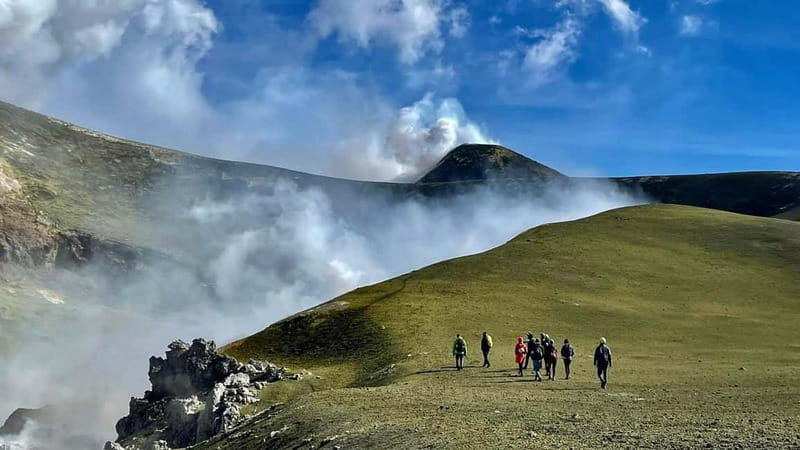
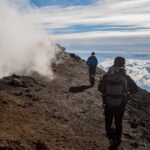
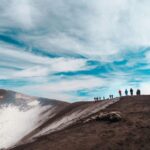
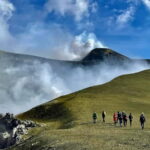
Once you reach the around-2,900m mark, the real walking starts. The itinerary includes about 100 minutes of hiking, then a longer guided visit around the crater area, including scenic walks and time to absorb what you’re seeing.
What you’ll notice quickly is that volcanic ground isn’t like park trails. You’re walking on a mix of sand, ash, and loose rock—parts of it can feel like it shifts under your boots. Several guide-led groups in the same operation have helped people who got nervous on steeper sections, with practical hand-support and pace changes. That matters because your confidence affects how well you enjoy the views.
From a “how should I prepare” angle, treat this as a hike with real altitude and real uneven footing. The tour isn’t branded as beginner-only, and your guide can’t turn sharp, dusty ground into a sidewalk. You’ll get the best experience if you arrive with:
- ankle-supporting hiking shoes
- long pants
- patience for steep moments
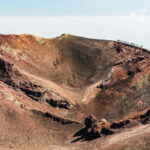
The crater stop itself is more than sightseeing. You’re visiting Cratere Centrale dell’Etna and walking/hiking along the way (about 1 hour there). Expect explanations, route guidance, and time to look around carefully, not just a quick line-and-photo rhythm.
Summit craters and the wind-gas factor around 3,400m
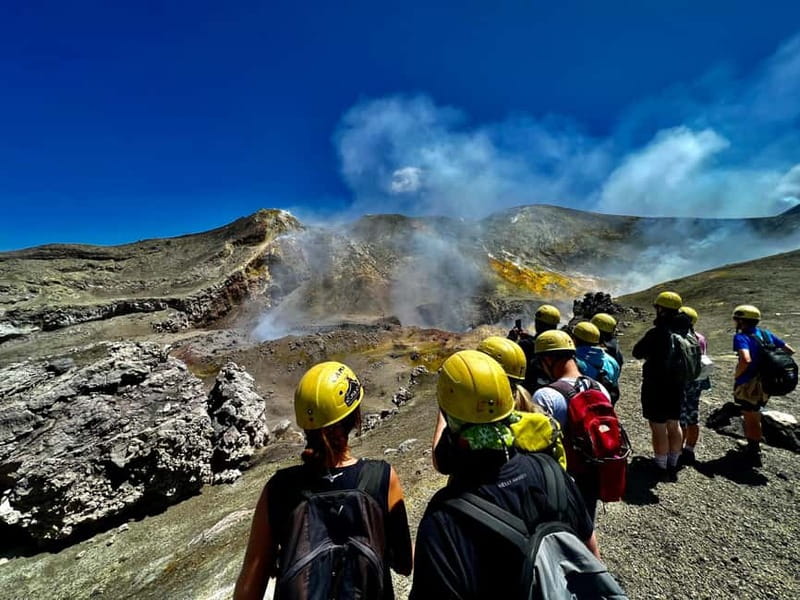
The highlights promise summit crater views around 3,340 meters and also scenery from roughly 3,400 meters. That’s high enough to feel the air, and close enough that wind becomes a serious variable.
Here’s the key reality: your summit experience depends on volcanic activity and meteo conditions. That’s not vague wording. It’s what keeps the tour in the realm of safety rules set for trekking in the summit area.
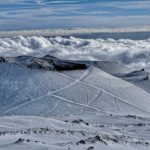
If you get good weather and wind direction, you’ll see a huge panorama: Sicily, the Aeolian Islands, and the Italian coast (including the Calabrian side) from the crater zone. It’s the kind of view where you understand why Etna matters to Sicily’s identity, even if you’re not a geology nerd.
If you don’t get the right conditions, you may not reach the exact top you planned for. The tour is designed to adjust. I’ve seen examples where guides pivot to still let you experience the higher areas and crater atmosphere, just not at the full summit point. Translation: you should book this with the mindset that you’re going for the Etna experience, not a guaranteed stamp on the summit line.
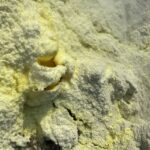
Also, don’t ignore the gas factor. One clear tip from past hikers: at some points, groups can find themselves in sulfur cloud conditions, with coughing. If you’re sensitive, a scarf or face covering can make you much more comfortable.
Valle del Bove time from Pizzi Deneri: the best part of the descent loop
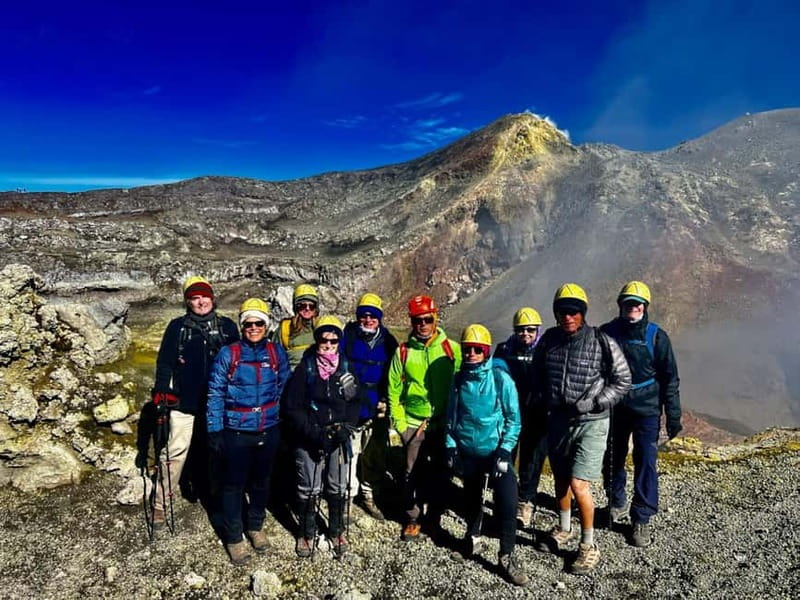
After the crater zone and the break period, the itinerary includes a move toward the Valle del Bove. The tour mentions descent through sand gullies leading you toward Pizzi Deneri, where you can enjoy a majestic view of the valley.
This is the part many people remember most, because the view changes from “volcano up close” to “volcano as a massive system.” Valle del Bove is not subtle on the skyline. It gives you scale—lava geography, erosion shapes, and the sense of how Etna’s activity has reshaped the mountain over time.
You’ll also get break time and a picnic (about 1.5 hours). That’s more than a food stop. It’s your chance to catch your breath, check how you’re handling the altitude, and reset before the downhill sections.
Then the itinerary includes a shorter hike (about 30 minutes) tied to Valle del Bove viewing, followed by another off-road segment back toward the starting area.
On descent, expect steeper, looser moments. A few people have described that the nerves can kick in, then turn into pure focus once you’re moving with the guide marking the route and keeping the group together.
Gear and guide team: Luca Cosma and the people running your hike
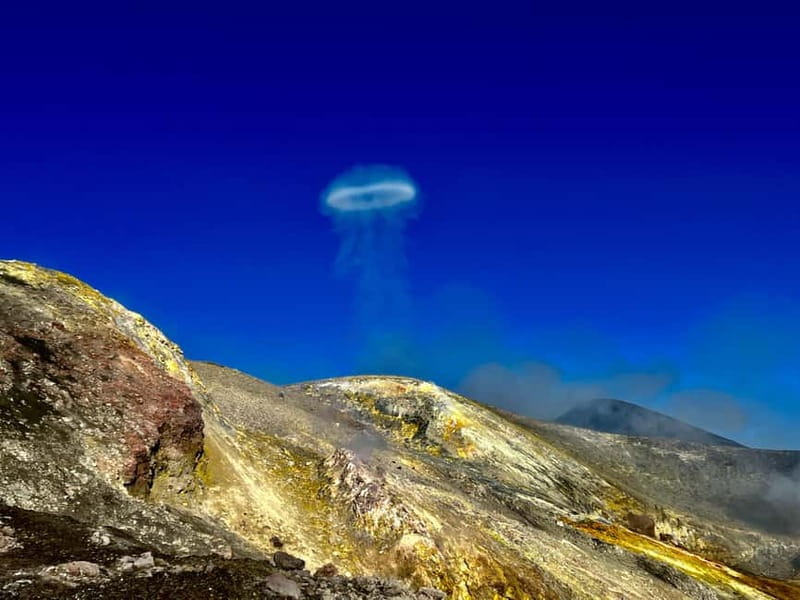
The operator is Luca Cosma, and several guides rotate through on different days and language groups. In real-world experience, you might hike with people like Marco, Arturo, Paolo, Claudio, Jonathan, Basilio, or Linda—with Luca involved as a volcanology guide and coordinator.
What stands out from a practical standpoint is how guides handle the “human side” of a crater trek:
- They keep an eye on anyone lagging due to altitude or fatigue
- They adjust pace so people can stay steady on loose terrain
- They help if someone gets anxious on steeper parts
That’s not just nice. It changes your whole mood at the crater. When you feel safe and supported, you’ll look around more, ask questions more freely, and actually enjoy the wind, dust, and weird geology instead of bracing for every step.
Equipment is part of the value:
- hiking boots included
- jacket included
- helmet included
- insurance included
Several hikers noted the gear quality made a difference because it gets colder up there than you expect, even in warmer months. One common packing message: bring layers, because you can feel chilly once you climb into the wind at higher elevation.
If you wear contacts, consider bringing a backup. At least one hiker flagged this as a problem with dust and volcanic air.
Price and value: $65 tour cost plus the €50 transport fee
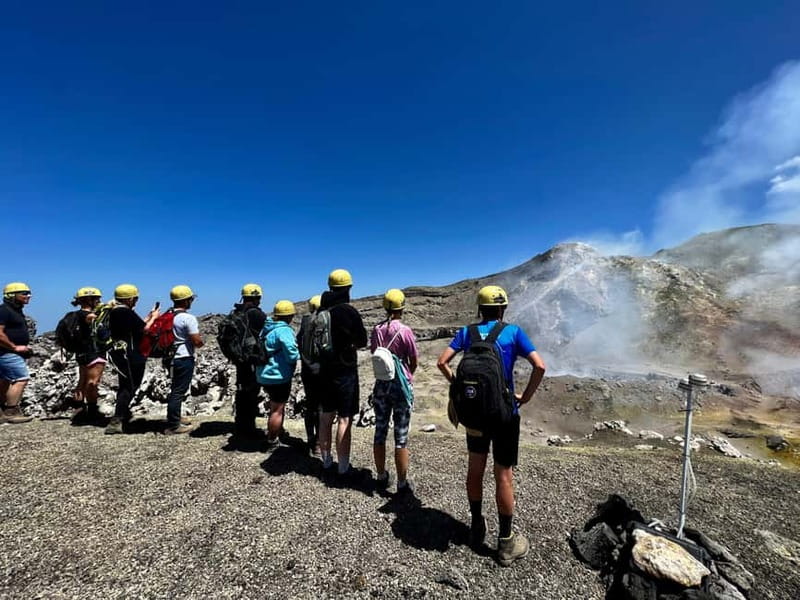
The listed price is $65 per person, lasting 4.5 hours. That sounds good on paper, and it is, as long as you understand what you’re getting.
Included:
- the Etna summit tour with a guide
- hiking boots, jacket, helmet
- insurance
- access to the guided parts of the day
Not included:
- hotel pickup
- food and drinks
- the Unimog 4×4 round trip ticket (€50 cash on the spot)
So your “real total” is the $65 plus that €50 fee. It’s still usually a solid value if you compare it to the cost and hassle of arranging crater access plus bringing heavy gear.
Why I think the value holds:
- You don’t have to buy or rent boots and cold-weather protection on your own.
- The guide time isn’t a throwaway. It’s used during crater walking and navigation.
- The off-road portion reduces how long you spend grinding up the mountain without views.
One more practical note: the company mentions skipping the ticket line. That’s helpful if you’re trying to keep the day running smoothly once you arrive.
Fitness and health reality check: who should do this and who shouldn’t
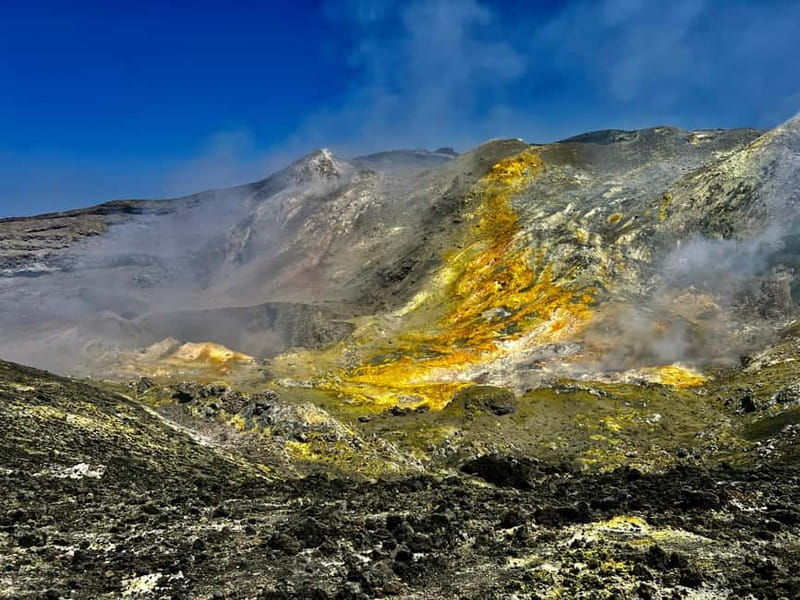
This trek is not a gentle nature walk. It runs at high altitude, involves steep bits, and covers loose volcanic material. The operator is clear that it isn’t suitable for:
- pregnant women
- people with heart problems
- people with low level of fitness
- people with respiratory issues
Even if you’re generally healthy, you should honestly judge your hiking ability. One piece of feedback you can trust is that this is more demanding than people expect because of altitude, steepness, and loose footing.
If you’re worried about respiratory comfort due to sulfur or dust, that’s not something to guess at. Err on the safe side. If you do go, plan for wind shifts and possible gas exposure.
Also consider that your route may change. That means you should keep your energy flexible, not locked into the idea that everything will unfold exactly as in a perfect-weather scenario.
What to pack for Etna: cold, wind, dust, and sharp rock
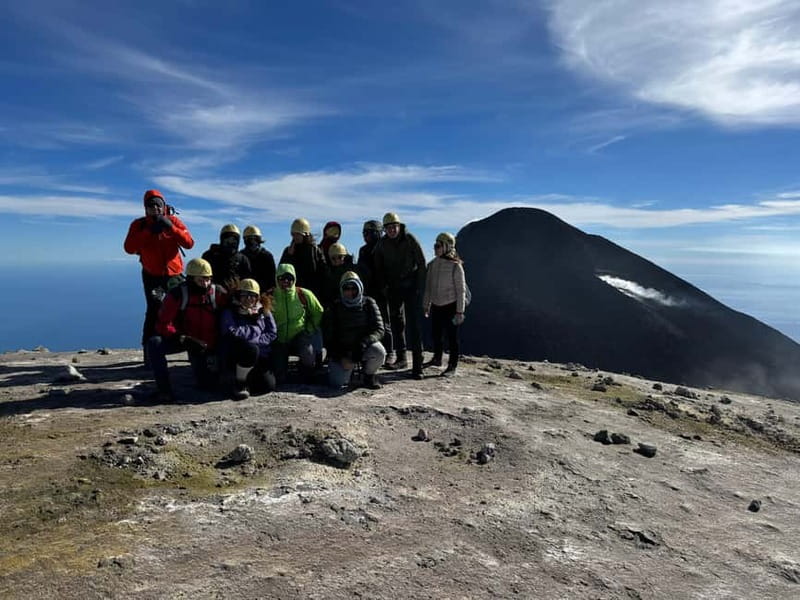
Bring a daypack and pack for weather changes you can feel at altitude. The tour provides some key gear, but it won’t keep you warm if you show up in just a light top.
At minimum, plan on:
- sunglasses and a sun hat
- jacket (even though one is provided, bringing layers is smart)
- weather-appropriate clothing
- hiking shoes
- food and drinks
- cash for the €50 Unimog fee
Then add the personal “don’t regret it” items that have helped in real conditions:
- Long pants and preferably long socks to keep stones out of your shoes
- A scarf or face covering if sulfur clouds happen
- Warm layers, because people report it can be cold even when it’s not cold at the coast
- Avoid contact lenses if you’re sensitive to dust
One small practical trick: volcanic rock can be sharp, and dust can get everywhere. Wear clothes you don’t mind getting gritty. You’ll feel better from step one if you stop worrying about your outfit.
Should you book the Mount Etna summit trekking tour?
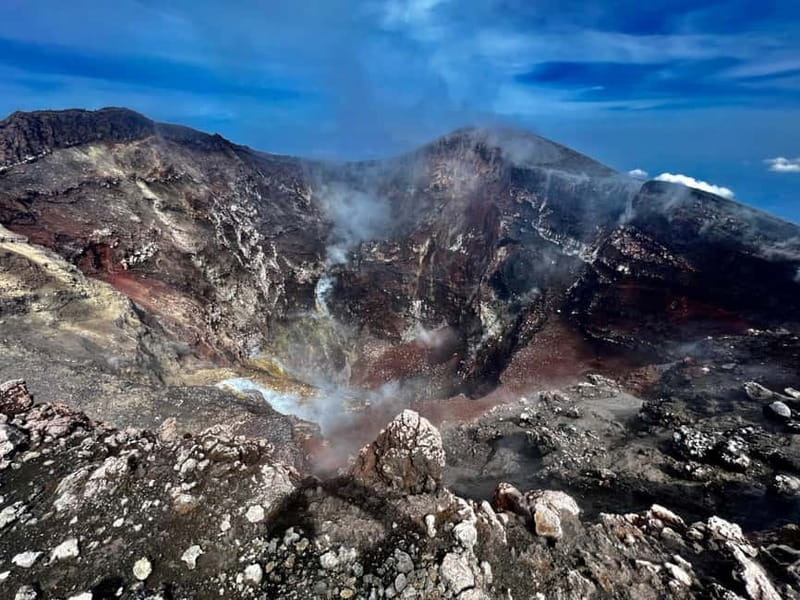
Book it if you want an Etna day that’s guided, structured, and built around real terrain—not just a bus-and-view stop. I’d especially choose this if you like geology explanations, want access to the north side, and you’re okay with the summit plan changing based on weather and volcanic activity.
Skip it (or pick a gentler option) if your breathing is easily affected by dust or gas, if you can’t handle altitude and steep uneven ground, or if your fitness level is closer to casual walking than hiking.
If you do book, do two things that boost your odds of a great experience:
- arrive ready for cold wind and loose footing, not just good weather
- bring cash for the €50 Unimog fee so there’s zero stress on arrival
FAQ
Where is the meeting point for the Etna summit trekking tour?
You meet right at the Sole-ne-ne Souvenir shop. The meeting point has parking.
How long is the tour, and how active is it?
The duration is about 4.5 hours. It includes a guided hike plus time in the crater area and a descent loop toward Valle del Bove.
Do I need to bring hiking boots and a jacket?
You don’t have to bring them. The tour includes hiking boots, a jacket, and a helmet.
Is the €50 Unimog 4×4 transport ticket included in the $65 price?
No. The Unimog 4×4 round trip ticket costs €50 per person and is paid in cash on the spot.
Is a summit visit guaranteed?
No. The trek can be modified depending on volcanic activity and weather conditions in the summit area.
What languages are the guides available in?
The tour guides operate in English, Italian, and French.
What should I bring with me?
You should bring sunglasses, a sun hat, food and drinks, hiking shoes, a jacket or warm layers, weather-appropriate clothing, a daypack, and cash.
Who is this tour not suitable for?
It’s not suitable for pregnant women, people with heart problems, people with low fitness, or people with respiratory issues. Alcohol and drugs are also not allowed.